


Cream Terracotta Sculpture
A cream terracotta sculpture brings tactile warmth and sculptural presence to a room, ranging from Art Deco busts to folk art animal figures.
Cream Terracotta Sculpture
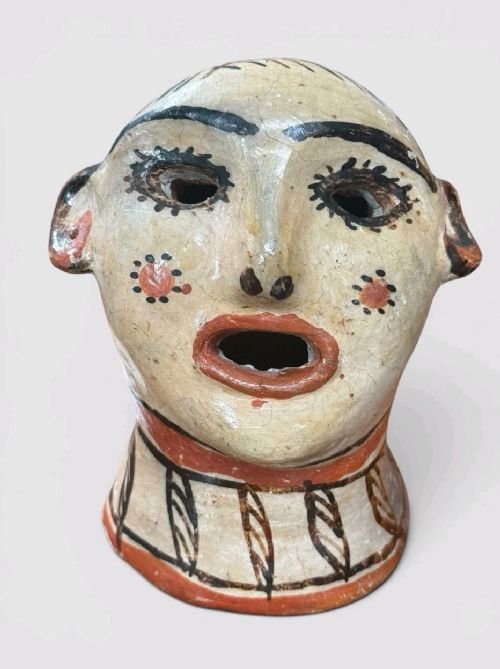
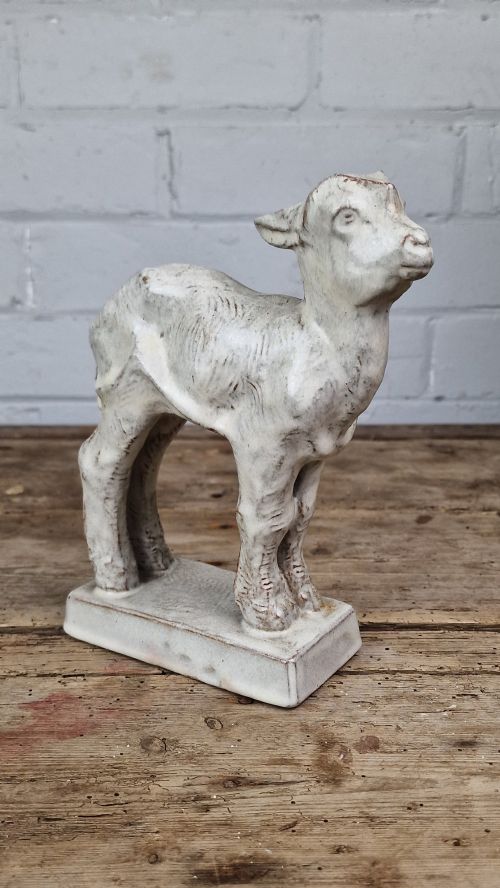
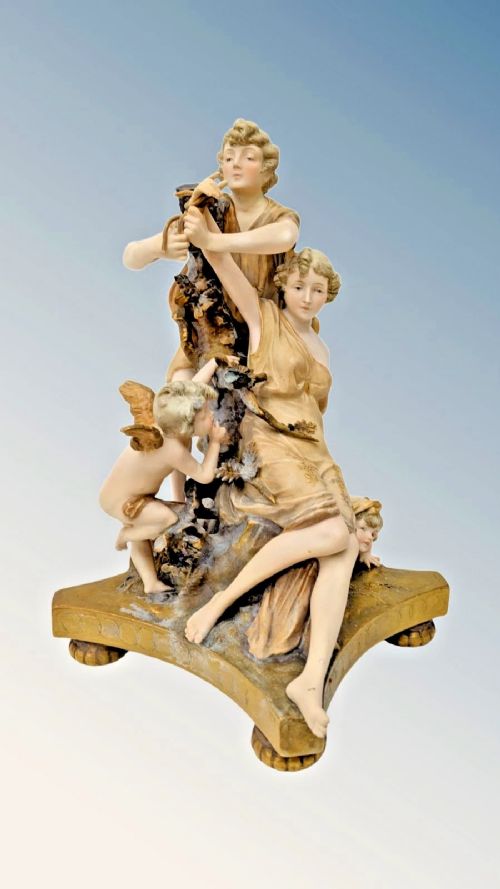
A cream terracotta sculpture encompasses a diverse group of modelled and fired ceramic figures spanning the nineteenth and twentieth centuries. When searching for a cream terracotta sculpture, buyers encounter various forms including animalier studies, human busts, and decorative architectural pieces.
The objects originate from multiple traditions such as Art Deco, Art Nouveau, and European folk art workshops. Pieces from the 1930s and earlier periods dominate the selection, showcasing distinct aesthetic movements from Neoclassical to Modernist styles.
Makers and regional potteries utilise diverse modelling techniques, resulting in both naturalistic animal representations and stylised human figures. Each cream terracotta sculpture reflects the distinct sculptural conventions of its specific period.
Materials and construction
Makers shape these pieces from processed clay or terracotta, often applying a specialised glaze, slip pigment, or parcel-gilt finish to enhance the surface texture. Some works incorporate secondary media such as porcelain and ceramic elements alongside the primary terracotta body.
Artisans employ hand-modelling techniques to shape the wet clay before firing the piece in a kiln to achieve a durable ceramic structure. Surface details receive careful attention through incised lines, applied slip, or selective glazing prior to the final firing process.
The documented styles range from Art Deco and Art Nouveau to French and Peruvian folk art traditions.
Factors of quality
The strength of the modelling defines the distinction between standard decorative items and superior sculptural works. Expressive line work and precise anatomical detail demonstrate the maker's proficiency with the clay medium.
Surface treatment significantly influences the visual impact of the piece. Controlled application of glazes, slip pigments, or parcel-gilt highlights reveals the underlying contours without obscuring the natural texture of the terracotta.
Ernst Wallace·Joseph Constant·Bavent Terracotta·Bohumil Rezl·Royal Dux
The Cream Terracotta Sculpture Glossary
- Terracotta
- A porous fired clay body that serves as the primary structural material for these sculptures. It ranges in colour from pale buff to reddish-brown tones.
- Animalier
- A nineteenth-century artistic genre focusing on the realistic portrayal of animals. Sculptors in this tradition depict subjects such as goats, bulls, and felines with close attention to natural anatomy.
- Slip Pigment
- A liquid suspension of clay applied to the unfused body to impart colour or surface pattern. It fuses with the terracotta during the kiln firing.
- Parcel-Gilt
- A decorative technique where specific areas of the sculpture receive a thin application of gold leaf. This creates contrast against the matte ceramic surface.
Cream Terracotta Sculpture: Frequently Asked Questions
How do I clean terracotta?
Dust the surface gently with a soft, dry brush to remove particulate matter without disturbing the porous ceramic body.
Avoid liquid cleaners and excessive moisture, as unglazed terracotta absorbs water easily and risks staining or internal damage.
Where should I display my sculpture?
Place the piece on a stable surface away from high traffic areas where accidental knocks might occur.
Ensure the location offers steady indoor humidity and protects the sculpture from prolonged direct sunlight.
How are different periods identified?
Examine the stylistic markers, such as the geometric clean lines of Art Deco pieces or the organic curves typical of Art Nouveau.
Maker marks, registration numbers, and base construction details provide further evidence for dating individual works.
Are these sculptures solid or hollow?
Many larger figurative pieces are cast or hand-modelled as hollow forms to ensure even drying and firing within the kiln.
Smaller figurines and specialised components occasionally utilise solid clay construction depending on the maker's technique.