


Mid Century Animalier
Mid century animalier bronze sculptures and wall art capture realistic animal forms, prized by collectors for their striking detail and enduring physical presence.
Mid Century Animalier
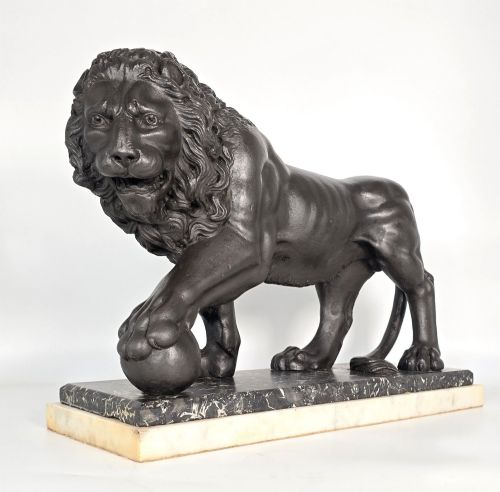
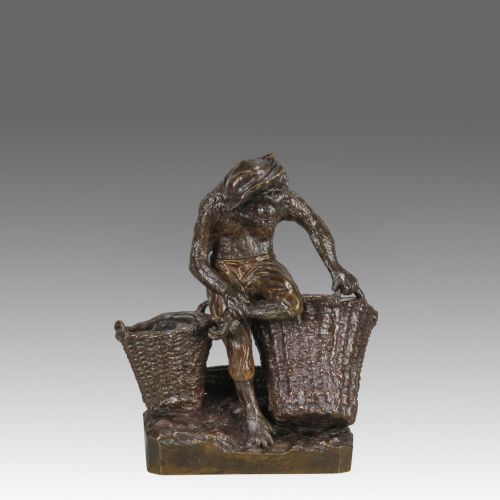
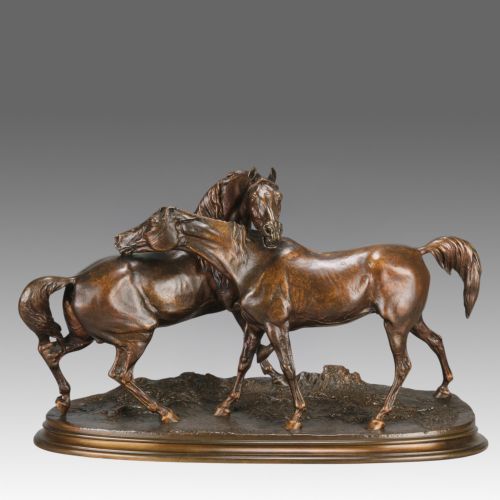
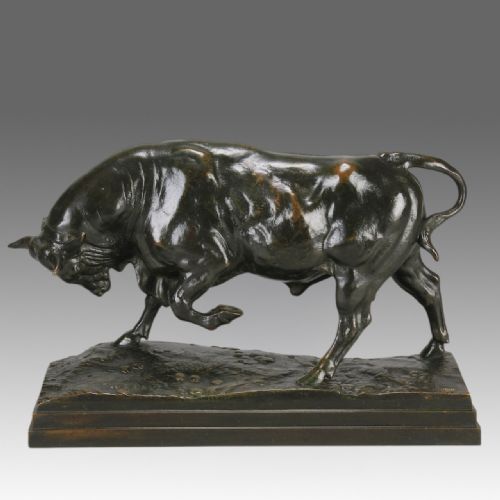
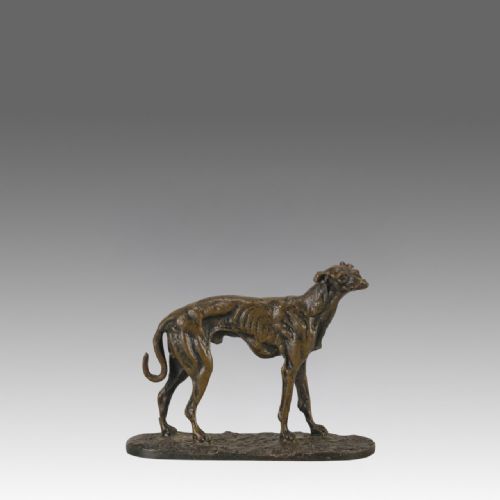
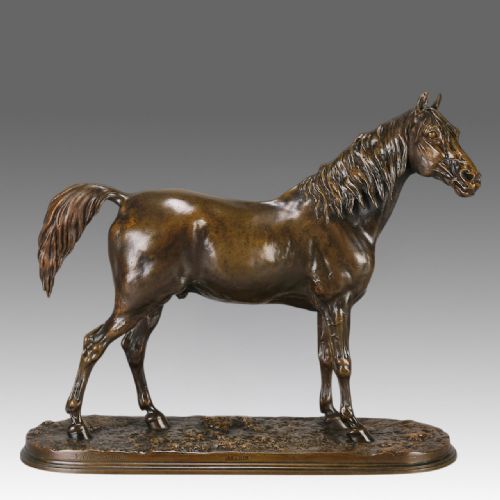
When you search for mid century animalier, you encounter sculptural works and wall art depicting animals, predominantly cast in bronze during the nineteenth and twentieth centuries. These pieces record the physical forms and movements of creatures ranging from lions and bulls to hares, dogs and deer.
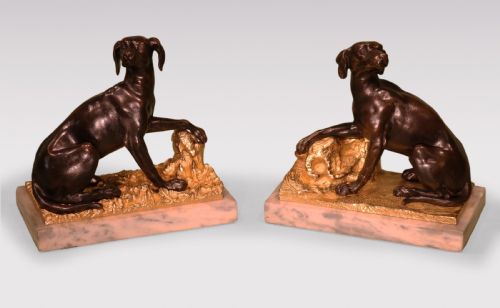
The selections span nineteenth century French animalier schools alongside mid twentieth century examples. You find sculptures mounted on marble plinths, standalone figures, and framed works on paper utilising gouache.
How they were made
The physical objects combine cast bronze and patinated bronze, frequently paired with marble bases or ormolu mounts. Makers utilised traditional metal casting methods to achieve realistic animal musculature and textures.
Certain works on paper incorporate gouache on paper to render dynamic animal subjects. Artisans applied patination techniques to colour the bronze surfaces, defining shadows and highlights across the animal forms.
The styles documented range from French Animalier and Neoclassical to Mid-Century Modern and Modernist.
What varies in quality
Quality rests in the fidelity of the casting and the sensitivity of the finish applied to the bronze or paper. Superior examples display precise anatomical articulation and deliberate surface patination that accentuates the musculature.
The integration of the material, whether the fit of a bronze figure upon a marble plinth or the execution of framed wall art, distinguishes finer works from simpler productions.
Christophe Fratin·P J Mêne·Antoine Louis Barye·John Rattenbury Skeaping·Joseph Constant·Isidore Jules Bonheur
The Mid Century Animalier Glossary
- Animalier
- A nineteenth century artistic movement focused on the realistic depiction of animals, particularly in sculpture. Practitioners studied live subjects closely to capture natural anatomy and behaviour.
- Patinated bronze
- Bronze that has been treated with chemical solutions to produce a specific surface colour and tone. This finish protects the metal and highlights sculptural detail.
- Grand Tour
- A traditional trip through Europe undertaken by upper class Europeans in the eighteenth and nineteenth centuries. Travellers acquired small bronzes and antiquities as souvenirs.
- Ormolu
- Finely ground high-carat gold cast and chased onto bronze objects. This decorative technique adds gilded highlights to sculptural compositions.
Mid Century Animalier: Frequently Asked Questions
What is animalier art?
Animalier art refers to the realistic representation of animals in sculpture and painting, which gained prominence in nineteenth century France. Artists focused on capturing creatures in active or resting poses with strict anatomical accuracy.
You encounter this genre primarily in bronze sculptures depicting wild and domestic animals, often cast with detailed patination.
How are bronze sculptures mounted?
Many nineteenth century and mid twentieth century bronze sculptures are secured to heavy marble plinths. These stone bases provide physical stability and visual contrast to the dark metal.
The integration of bronze and marble is characteristic of Grand Tour souvenirs and gallery pieces from the period.
Are these pieces purely sculptural?
While the majority of works are cast bronze sculptures, the category also includes framed wall art such as paintings on paper. These flat works utilise gouache to portray animal subjects in motion.
Both forms share a common focus on capturing the character and physical form of the animal.
How do I care for bronze?
Bronze sculptures require minimal maintenance, needing only gentle dusting with a soft, dry cloth. Avoid using liquid cleaners or polishes that might disturb the historical patina.
Keep pieces away from direct moisture and extreme temperature fluctuations to preserve the metal and any associated marble plinths.