



Georgian Derby Porcelain Sculpture
Georgian derby porcelain sculpture brings mythical figures and pastoral groups into your home with soft, expressive modelling and hand-painted detail.
Georgian Derby Porcelain Sculpture
When you search for georgian derby porcelain sculpture, you encounter figures and groups modelled during the eighteenth century and around eighteen hundred. These pieces portray subjects ranging from classical deities and mythological scenes to allegories of the elements and continents, alongside shepherds and wild animals.
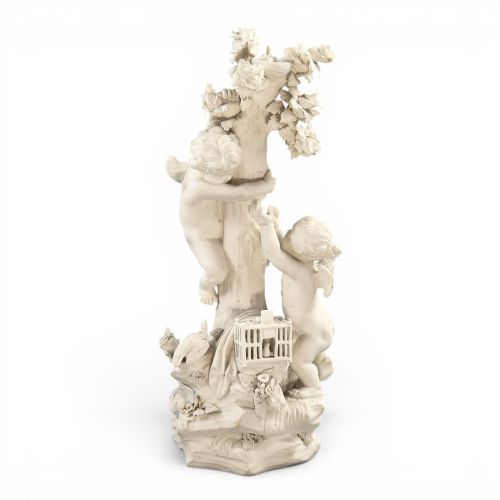
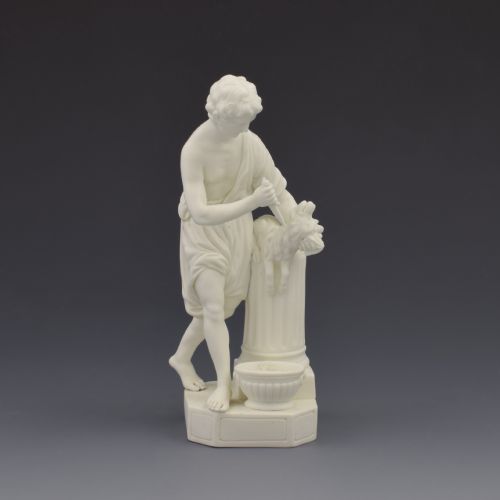
The objects take the form of figurines and sculptural groups, often incorporating naturalistic settings such as bocage foliage or architectural bases. You are most likely to meet glazed pieces with enamel colours and gilt highlights, as well as unglazed biscuit porcelain figures from the same works.
Assessing Quality and Execution
Quality in these sculptures rests upon the crispness of the modelling and the sensitivity of the hand painting. Finer examples display delicately rendered facial expressions, precise anatomy and carefully applied enamel work that enhances rather than obscures the underlying form.
The complexity of the composition also distinguishes the range, with elaborate multi-figure groups or intricate bocage backgrounds requiring greater technical skill from the modeller and kiln workers than single static figures.
Georgian Derby Porcelain Sculpture Retail Price Guide 2026
Typical asking prices for georgian derby porcelain sculpture among the pieces listed under this phrase on Sellingantiques today, from the lower quarter to the upper quarter. They describe what is for sale here now, not the wider market.
Several sculptures feature unruly stags and wild boars standing shoulder to shoulder with classical gods.
The Georgian Derby Porcelain Sculpture Glossary
- Biscuit Porcelain
- Unfired or biscuit-fired porcelain left unglazed to produce a smooth, matt white surface resembling marble. This finish became particularly popular for classical and allegorical figures.
- Bocage
- An open, branching background of leaves and flowers modelled around or behind a figure. It provides a decorative framework often seen in pastoral and mythological groups.
- Soft-Paste Porcelain
- An artificial porcelain composition made from white clay and glass frit, fired at lower temperatures than hard-paste porcelain. It is characteristic of early English factory production.
- Enamel
- Opaque vitreous colours applied over the glaze and fired again to fuse with the surface. These pigments provide the bright palette seen on glazed figurines.
- Gilding
- The application of gold leaf or gold powder to ceramic surfaces for decoration. On these figures, it accentuates borders, garments and attributes.
Georgian Derby Porcelain Sculpture: Frequently Asked Questions
How do I clean old porcelain figures?
Dust these sculptures gently with a soft dry brush to remove surface particles without risking fragile extremities or applied details like bocage leaves.
Avoid using water or liquid cleaners, particularly on gilded or enamel-painted surfaces, as moisture can damage historical pigments and glazes.
Where were these sculptures made?
These pieces originate from the Derby porcelain factory in Derbyshire, which operated throughout the eighteenth century and produced a wide range of figures.
The works developed distinct styles influenced by Rococo and Neoclassical tastes, moving from early glazed pastoral groups to sophisticated biscuit figures.
What subjects do these sculptures show?
The subjects encompass classical mythology, allegorical representations of the four elements and the continents, and pastoral scenes with shepherds and animals.
Larger figure groups often depict dramatic narratives, such as Father Time clipping Cupid's wings or classical deities with their traditional attributes.