
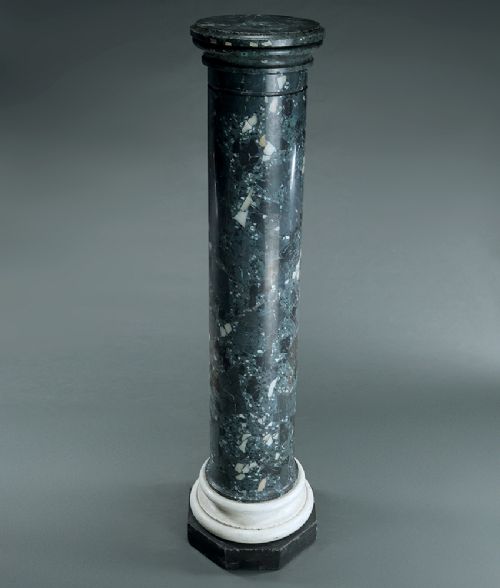

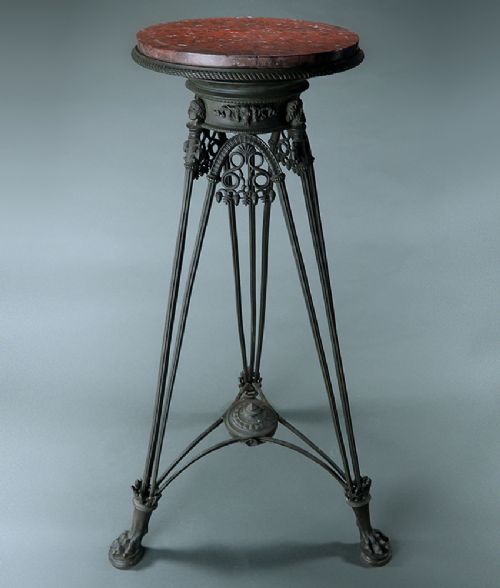
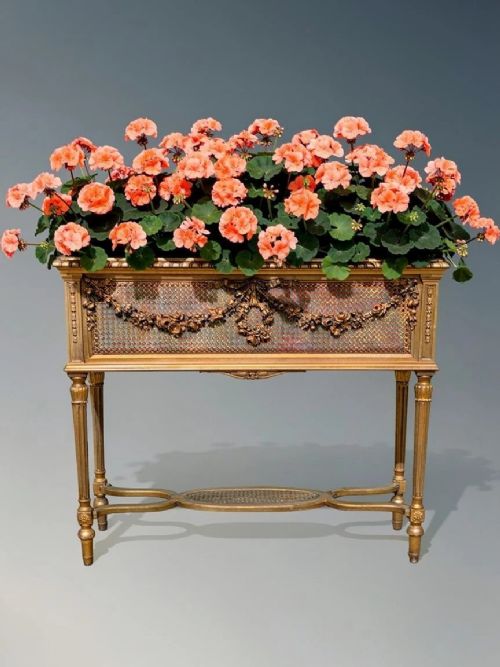


Neoclassical Plant Stand
These neoclassical plant stand pieces bring architectural proportion and classical discipline to green spaces inside the home.
What a neoclassical plant stand is
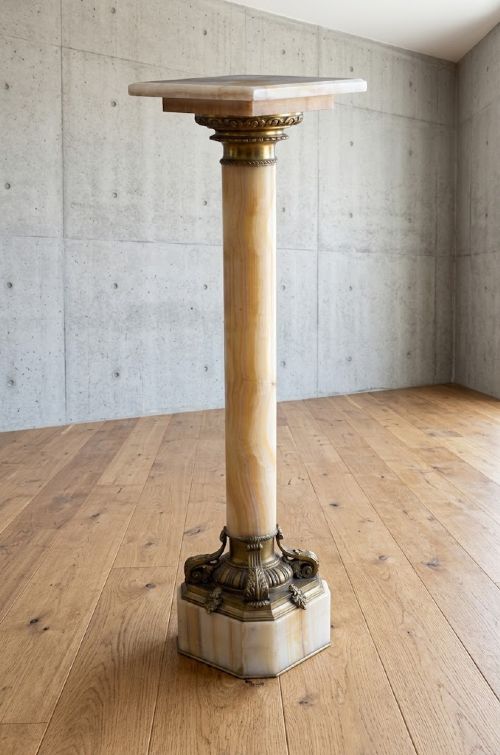
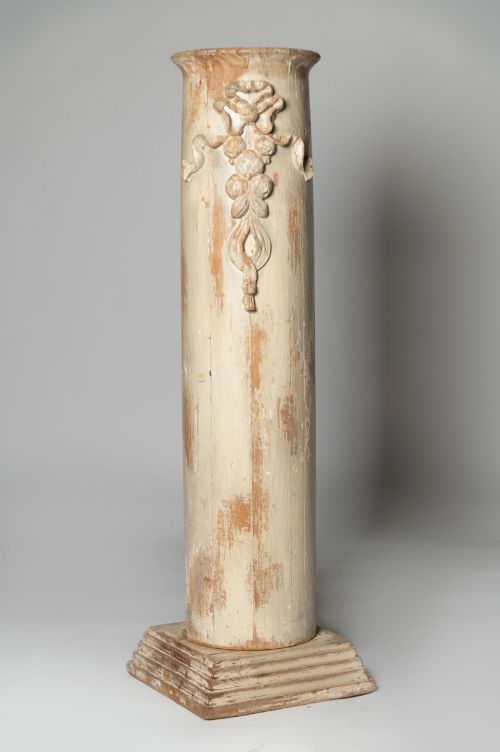
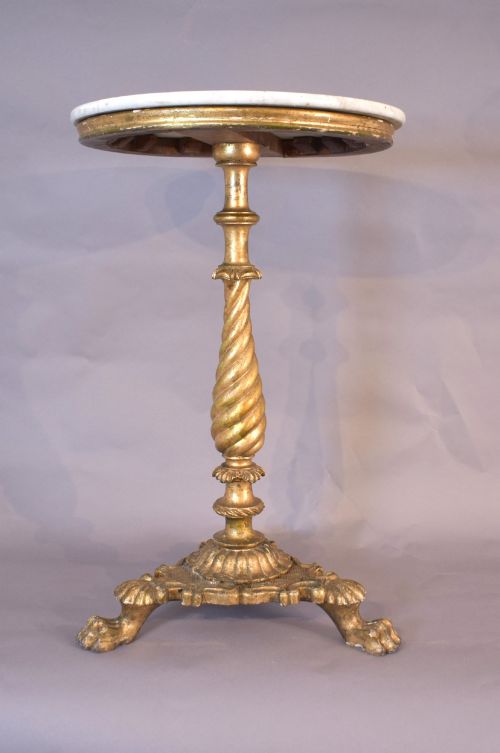
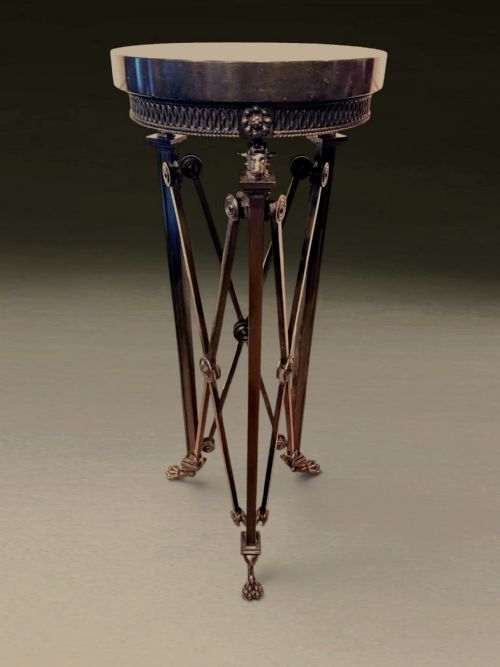
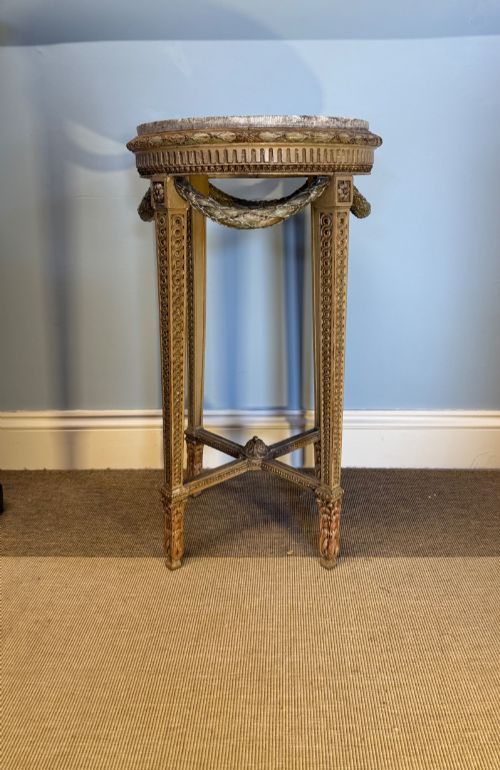
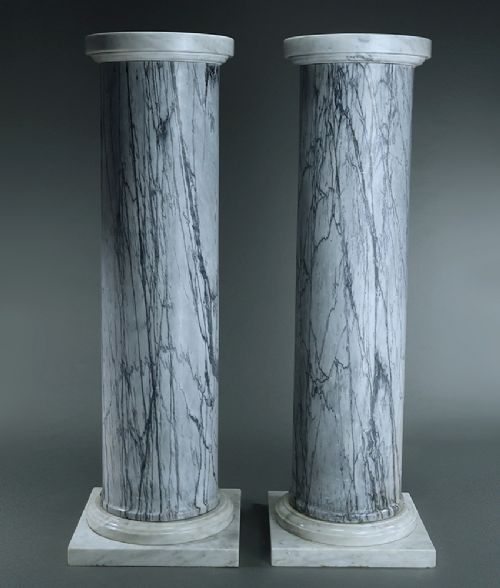
A neoclassical plant stand elevates greenery using classical vocabulary such as columns, pedestals, and torchere forms. These pieces translate ancient architectural motifs into domestic furniture designed to support plants, urns, and jardinieres.
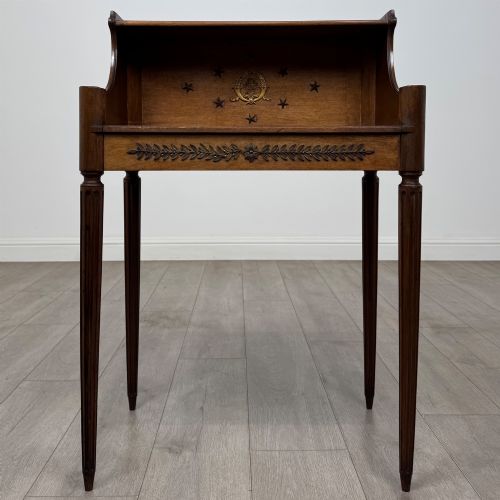
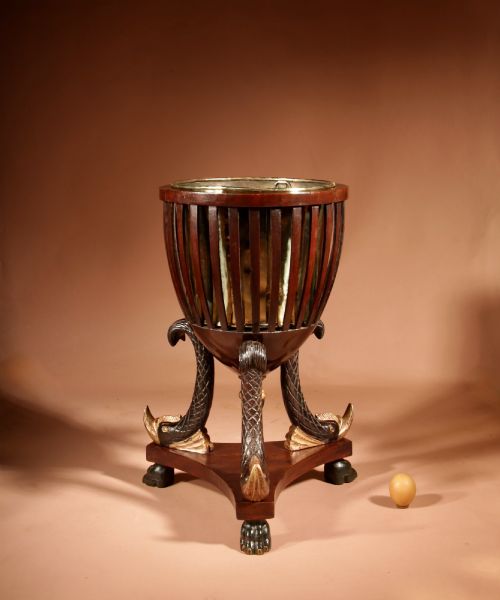
The selections encountered here span the Regency, French Empire, and Edwardian eras, alongside nineteenth-century interpretations. Forms range from two-tiered caned stands and gueridon side tables to square pedestals and bronze columns.
Makers drew heavily on classical antiquity, applying strict symmetry and restrained ornament. Whether working with mahogany, satinwood, or giltwood, craftsmen maintained a clear structural hierarchy from base to capital.
How they were made
Makers utilised a diverse palette of materials including giltwood, ebonised wood, mahogany, and satinwood, frequently enriched with metal mounts and gilt bronze. Surfaces often incorporated cane work and inset marble or scagliola tops to provide durable, water-resistant display surfaces for plants.
Joinery and structural integrity relied on traditional timber framing, turning, and casting techniques for metal elements. Carved wooden components were gilded or ebonised, while inlay and ormolu mounts added contrasting textural detail to satinwood and mahogany structures.
Retail Price Guide 2026
Typical UK retail prices for neoclassical plant stand, calculated from the Sellingantiques database of over a million retail prices indexed since 2003. This retail price guide relies exclusively on Sellingantiques data; no external sources or auction records are used, so the figures do not describe the wider market.
Current listings feature materials ranging from gilt bronze and marble to cane and ebonised wood.
What varies in quality
Quality rests in the crispness of the carving and the fidelity of the classical proportions. Superior examples display finely chased ormolu mounts, precise timber selection such as figured satinwood, and integrated structural elements like genuine marble or scagliola tops.
Lesser pieces rely on mechanical shortcuts, softer wood carving, or lesser metals that lack the sharp definition of period hand-workmanship. The harmony between the decorative motifs and the underlying structural form dictates the piece's success.
The Neoclassical Plant Stand Glossary
- Jardiniere stand
- A decorative piece of furniture specifically designed to hold indoor plants and flower pots. These vessels often include liners or waterproof surfaces to protect the surrounding timber.
- Torchere
- A tall stand or pedestal originally intended to carry a torch or candle, later adapted to support lamps, urns, or plants. They typically feature slender columns or tripods.
- Ormolu
- Gilded bronze ornamentation applied to furniture, popular in French Empire and Edwardian neoclassical design. The technique involves treating metal with a mercury and gold amalgam.
- Scagliola
- A composite material made from selenite, glue, and pigments, mimicking marble and other hard stones. Craftsmen apply and polish this mixture to create decorative tabletops and columns.
- Gueridon
- A small round table supported by one or more columns or figures, frequently used for display. Originating in seventeenth-century France, the form persisted into the neoclassical revival.
- Caned
- Woven rattan or split cane used to create permeable panels on furniture tiers. This technique lightens the visual weight of plant stands while providing a resilient surface.
Frequently Asked Questions
What periods do these plant stands come from?
The pieces span the nineteenth century, including specific representation from the Regency, French Empire, and Edwardian periods.
Craftsmen across these eras reinterpreted classical motifs through the prevailing aesthetic lens of their respective decades.
How were these stands used originally?
They served primarily to elevate potted plants, flowers, and ornamental urns within formal drawing rooms and conservatories.
By lifting greenery off the floor, they protected delicate flooring and displayed botanical specimens at eye level.
What materials should I expect to find?
Inventory includes timbers like mahogany, satinwood, and ebonised wood, alongside gilded surfaces and metal mounts.
Many examples incorporate stone elements such as marble and scagliola tops, or practical cane tiers.
How do I distinguish between styles?
French Empire and Regency pieces often feature bold architectural columns, bronze mounts, and giltwood finishes reflecting military and classical antiquity.
Edwardian iterations tend to show lighter satinwood inlay and refined proportions suited to Edwardian interiors.