

Neoclassical Marble Figure
A neoclassical marble figure brings the gravitas of classical antiquity into a domestic interior through hand-carved stone.

Neoclassical Marble Figure
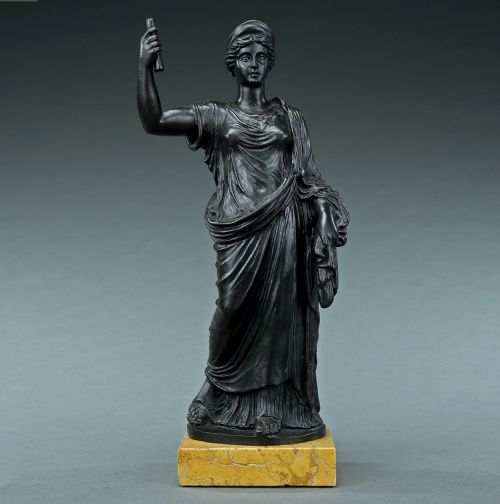
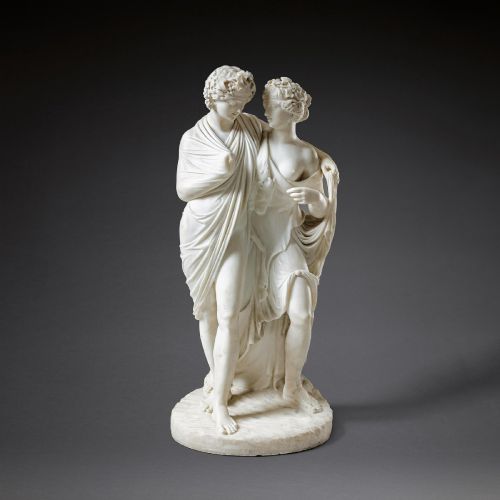
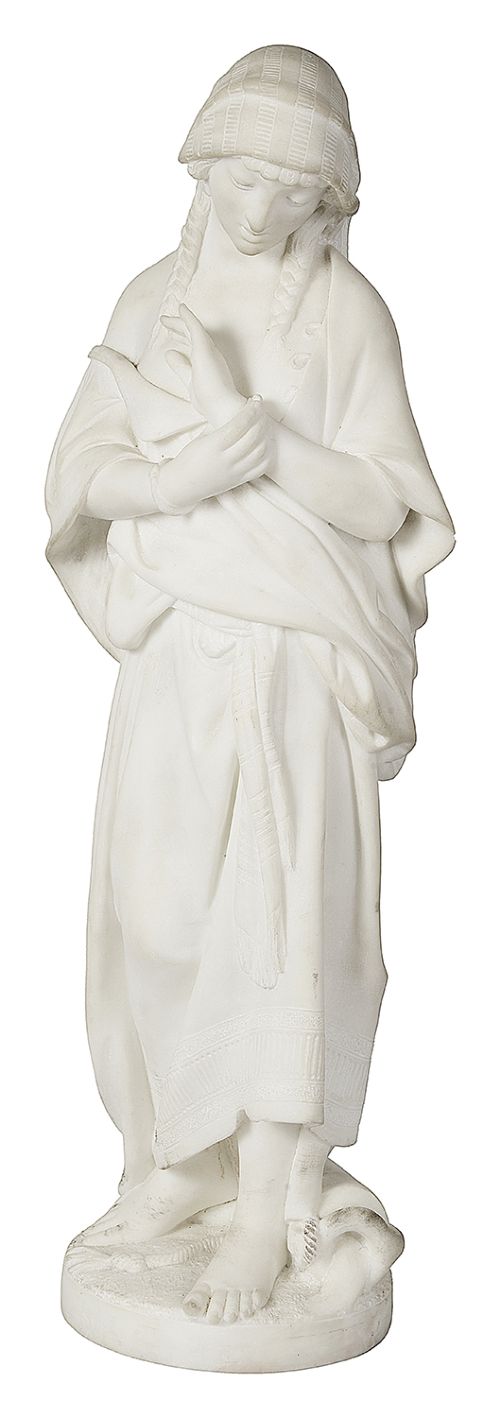
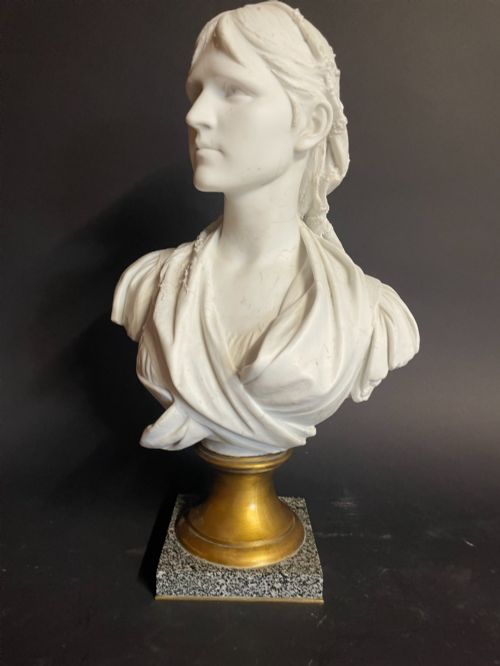
A neoclassical marble figure represents mythological deities, literary heroes, or portrait subjects sculpted in the revival styles of the nineteenth century. These works frequently draw inspiration from ancient Roman and Greek prototypes discovered during archaeological excavations across Europe.
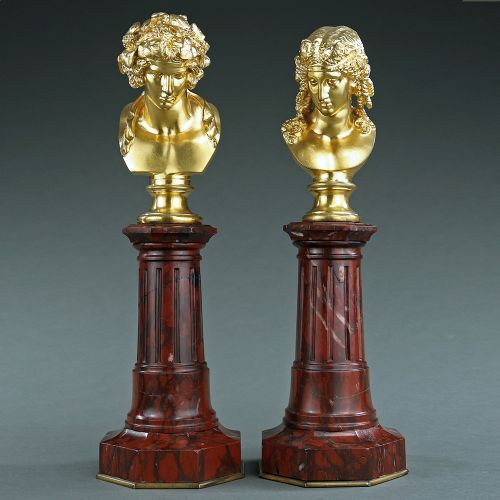
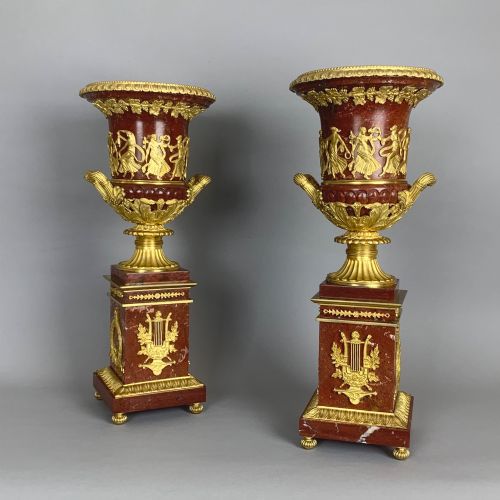
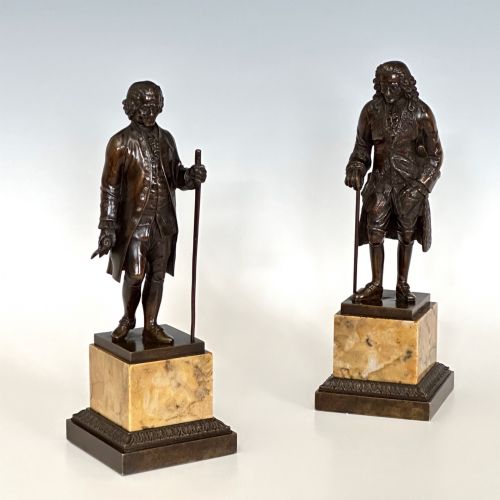
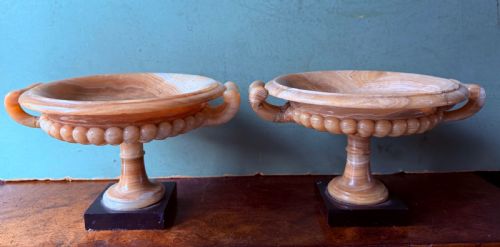
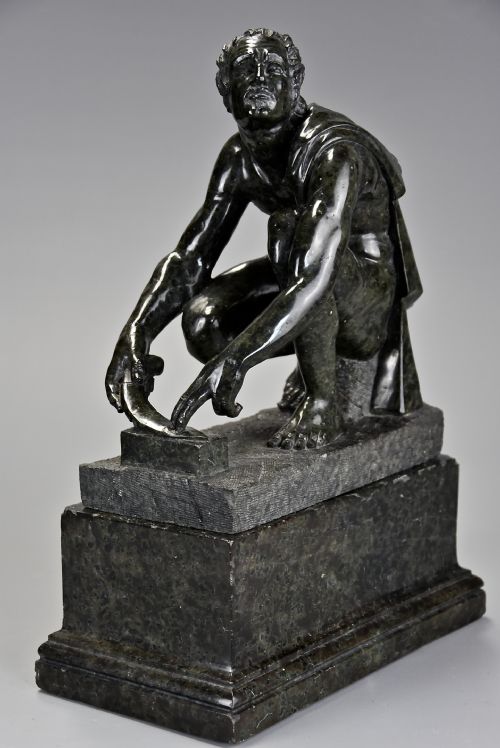
Buyers will encounter Italian Grand Tour souvenirs alongside French Empire and Victorian interpretations on this page. The forms range from miniature cabinet busts and carved tazze to substantial statues mounted on contrasting marble bases.
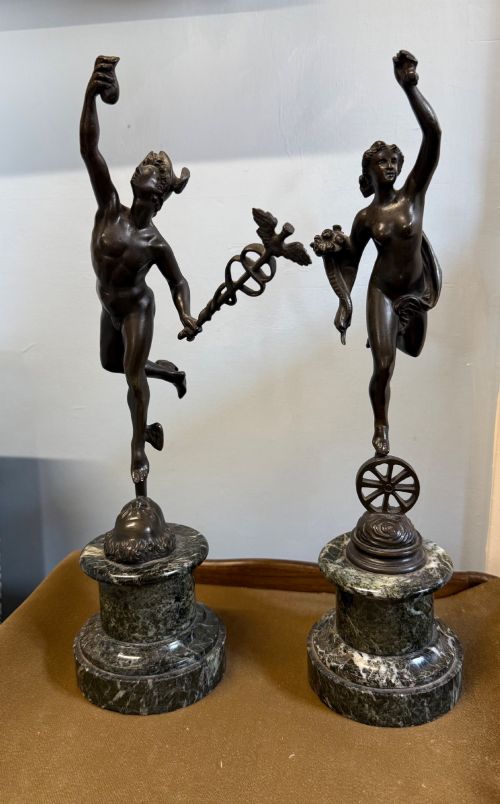
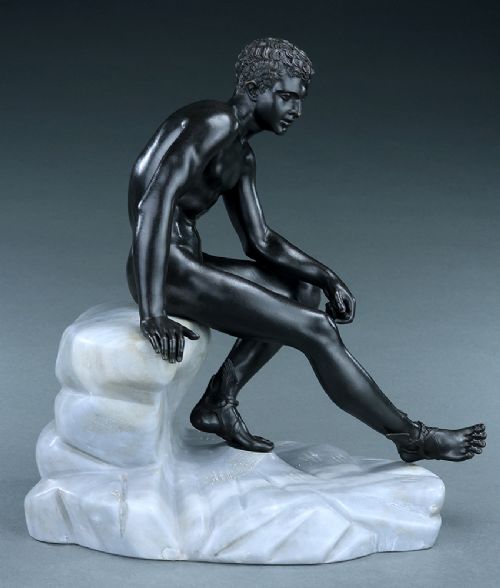
Subjects include canonical figures such as Venus, Bacchus, and Hermes, often executed after celebrated models by Antonio Canova and classical sculptors. These pieces served as intellectual decoration for nineteenth-century travellers and collectors.
How they were made
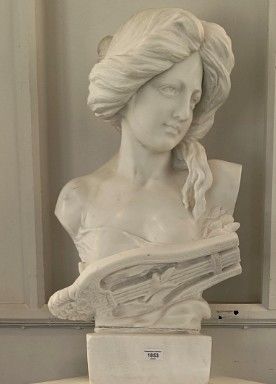
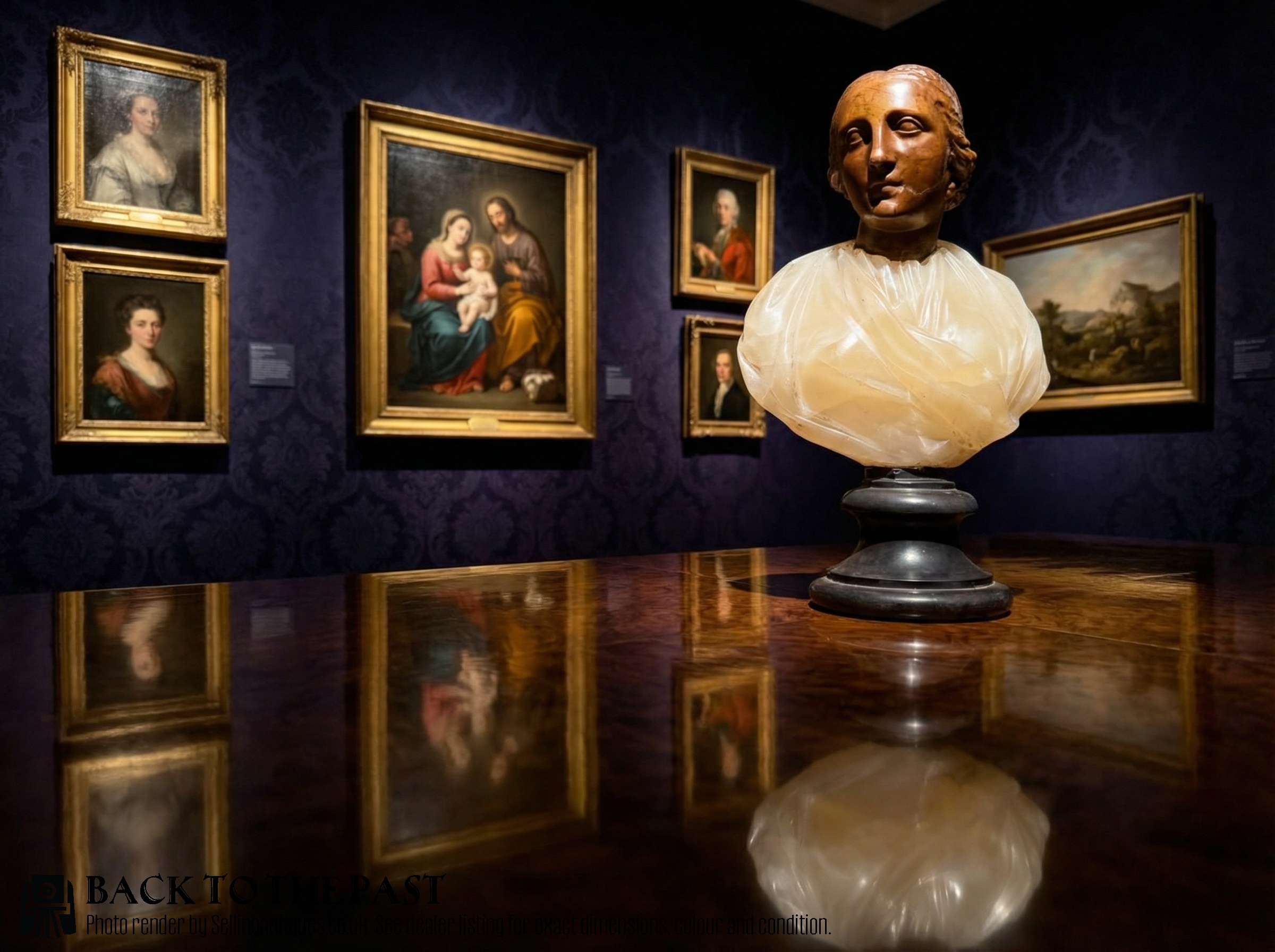
Carvers utilised fine-grained Carrara marble, alabaster, and tinted stones such as verdo prato and serpentine for the figures. These materials were shaped using chisels, rasps, and abrasive sands to achieve smooth drapery and lifelike flesh tones.
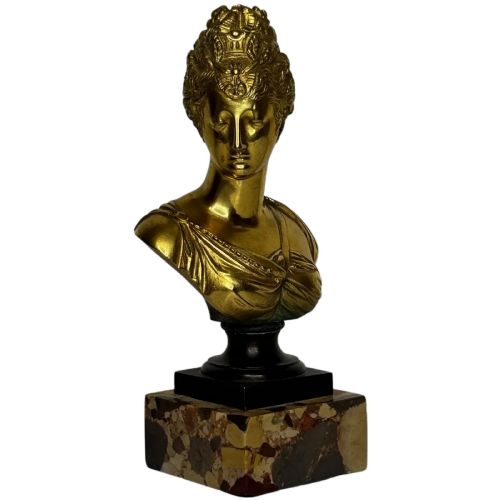
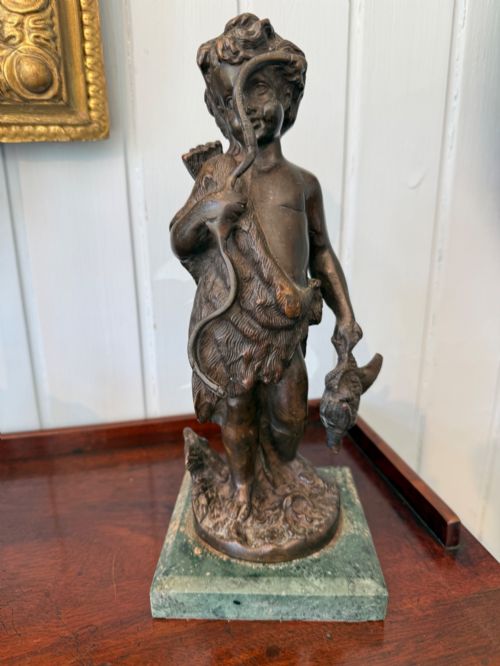
Foundry-cast bronze and gilt bronze, or ormolu, frequently complement the stone elements as bases, mounts, or structural supports. This combination highlights the contrasting textures of polished metal and matte or veined marble.
Neoclassical Marble Figure Retail Price Guide 2026
Typical asking prices for neoclassical marble figure among the pieces listed under this phrase on Sellingantiques today, from the lower quarter to the upper quarter. They describe what is for sale here now, not the wider market.
Listings feature nineteenth-century materials including Carrara marble, bronze, ormolu, and alabaster.
What varies in quality
The precision of the carving determines the fidelity to antique models, particularly in the rendering of hair, musculature, and facial expression. Superior examples display crisp undercutting in drapery and polished surfaces that reflect light evenly.
The selection of the base material influences the overall harmony of the piece, with dense multi-coloured marbles and signed foundry or maker attributions elevating the status of the sculpture.
Carlo Albacini·Antonio Canova·Pierre-Augustin Caron de Beaumarchais·Jean Antoine Houdon·Eugene Aizelin·Carrier-Belleuse·F. De Luca
The Neoclassical Marble Figure Glossary
- Grand Tour
- A traditional educational journey through Europe undertaken by young upper-class men in the eighteenth and nineteenth centuries. Travellers collected miniature sculptures and architectural models as souvenirs of Italy.
- Carrara marble
- A type of white or blue-grey marble mined from the city of Carrara in Tuscany. It has been utilised by sculptors since ancient times for its fine, uniform grain.
- Ormolu
- A method of applying finely ground, high-carat gold to an object of bronze. This technique prevents tarnish and creates a rich, warm yellow lustre on decorative mounts.
- Alabaster
- A fine-grained, translucent stone that is softer than marble and easily carved. It was frequently used for small-scale classical statues and vases.
- Tazza
- A shallow saucer-like ornamental cup or bowl set upon a stem and foot. These items were often carved from coloured stones during the nineteenth century.
Neoclassical Marble Figure: Frequently Asked Questions
What is a neoclassical marble figure?
A neoclassical marble figure is a carved stone sculpture inspired by the art and mythology of ancient Greece and Rome. These pieces date predominantly to the nineteenth century and reflect the period's fascination with classical antiquity.
They were produced across Europe, particularly in Italy and France, as decorative works for libraries, halls, and drawing rooms. Collectors bought them to demonstrate erudition and aesthetic taste.
Where were these sculptures made?
Many of these pieces originated in Italian workshops catering to foreign travellers on the Grand Tour, particularly in Florence and Rome. Others were cast and carved in French studios adhering to Empire and Restauration styles.
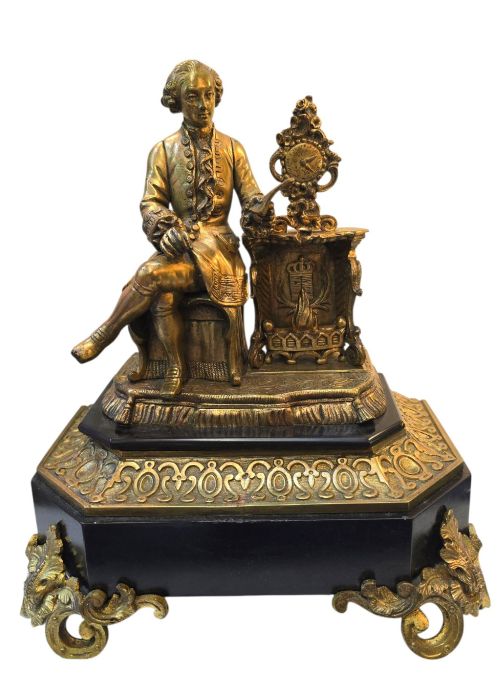
Italian artisans specialised in reproducing antique statuary in marble and alabaster. French workshops frequently combined these stone figures with gilt bronze mounts and clock movements.
How do I care for marble?
Marble requires gentle dusting with a soft, dry cloth to prevent the accumulation of grit in carved crevices. Avoid using household cleaning agents, acidic liquids, or excessive water on porous stone surfaces.
Place the sculpture on a stable, level surface away from direct heat sources and sunlight. Extreme temperature fluctuations can stress antique stone and any integrated metal mounts.
How can I identify the period?
The dating of these figures relies on the character of the marble work, the style of the base, and any signature or foundry mark. Nineteenth-century pieces often exhibit hand-finishing marks beneath the base and mounting techniques specific to the era.
Stylistic cues such as Empire bronze mounts or nineteenth-century Grand Tour provenance help narrow the date of manufacture. Comparing the subject to known nineteenth-century reproductions of antique sculpture also assists in dating.