


Neoclassical Gilt Frame
A neoclassical gilt frame brings classical symmetry, gilded surfaces and refined architectural proportion into a room.
Neoclassical Gilt Frame
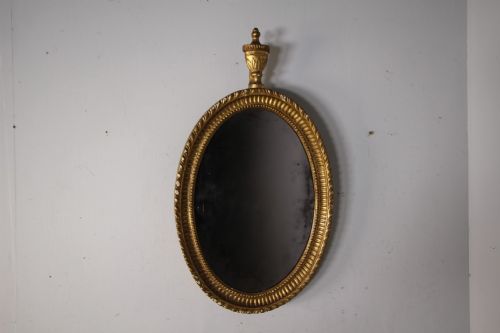
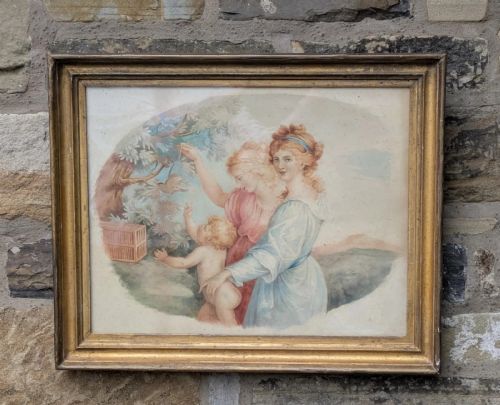
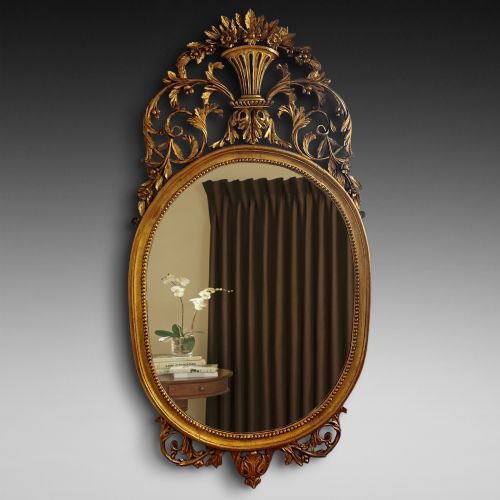
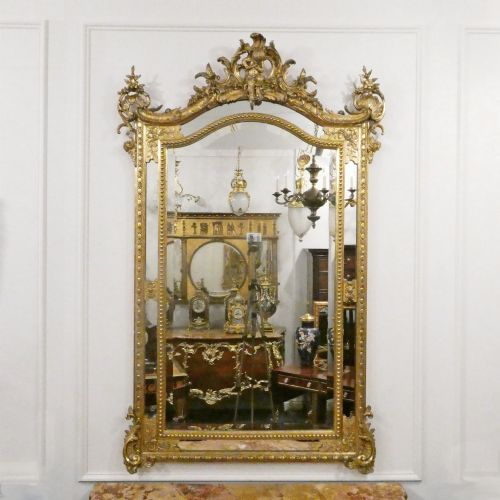
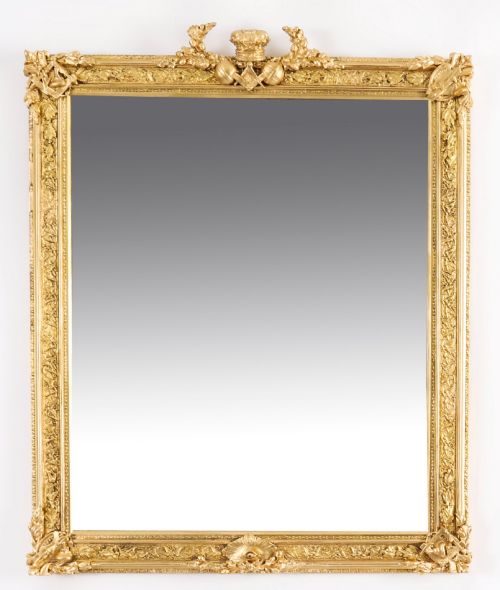
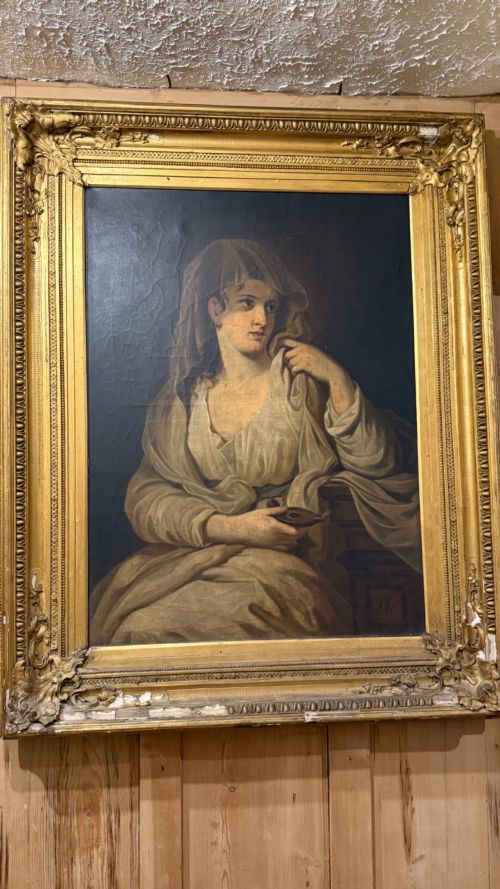
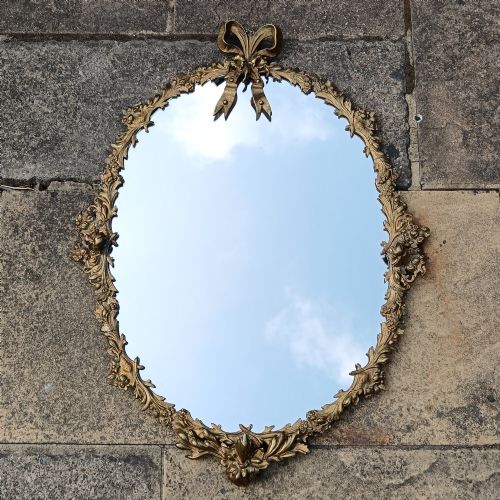
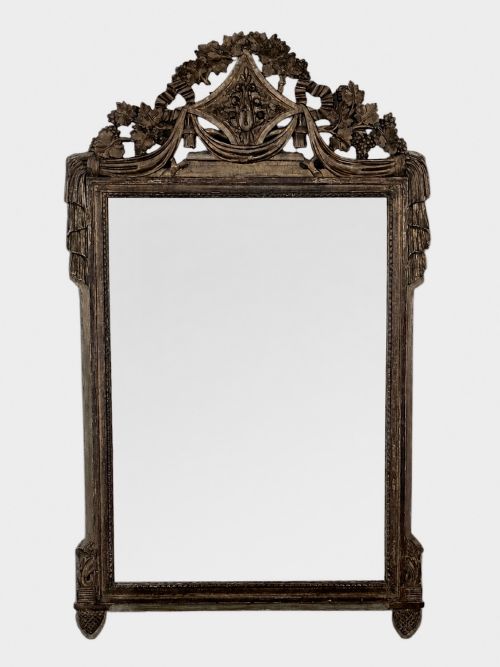
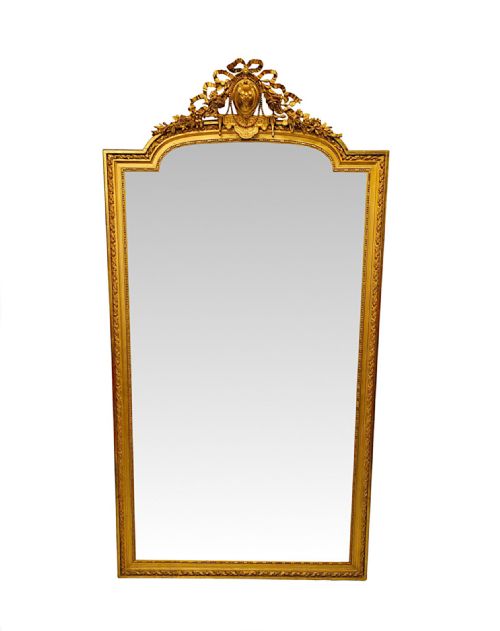
When searching for a neoclassical gilt frame, buyers encounter wall mirrors, overmantel mirrors and framed works of art spanning the eighteenth and nineteenth centuries. These pieces reflect the architectural revival of antiquity, drawing on French Louis XVI, Regency and Victorian interpretations of classical design.
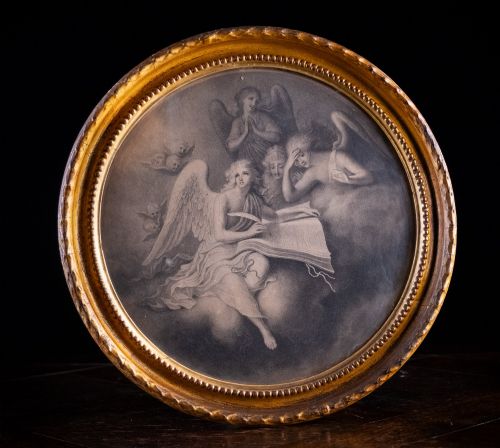
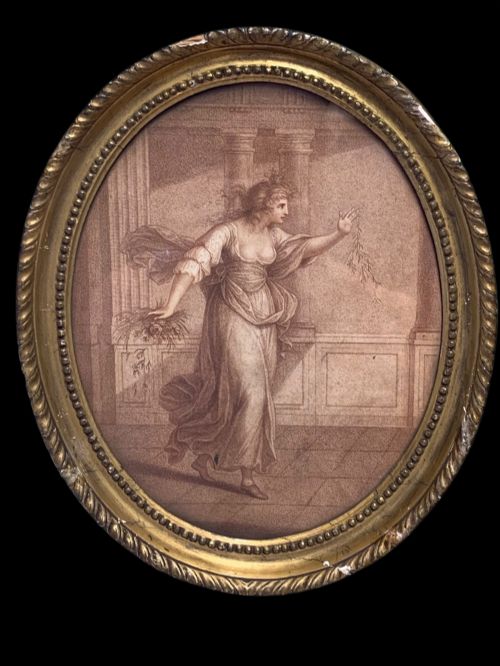
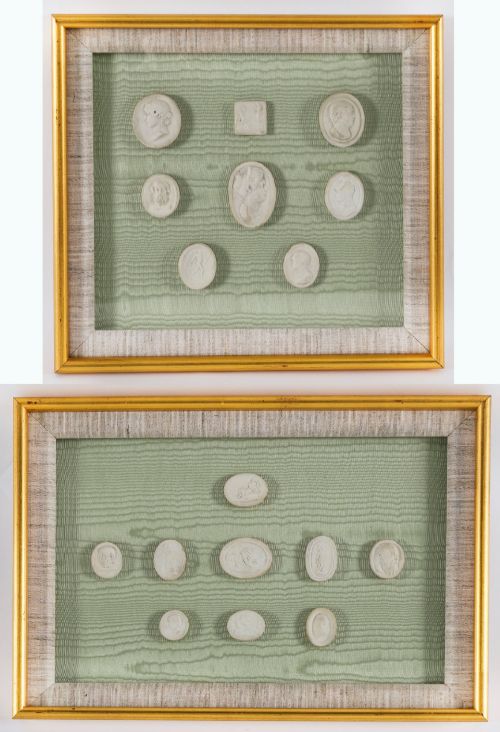
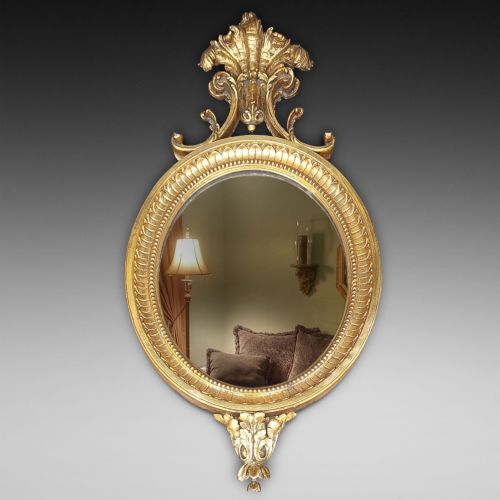
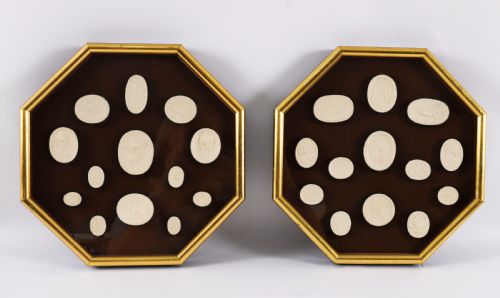
The version most commonly met on this page is the giltwood wall mirror, often shaped in ovals, rectangles or tall proportions suited to pier spaces. Alongside mirrors, the selection includes framed watercolours, oil paintings, engravings and collections of plaster or gypsum intaglios housed within gilded borders.
Originating largely from English, French and Italian workshops, these frames demonstrate the enduring appeal of restrained ornamentation such as bead mouldings and egg and dart motifs. Their presence in period interiors provides both reflective light and a defined boundary for classical artwork.
Materials and construction methods
Makers constructed the structural carcase from wood, applying layers of gesso to build up smooth surfaces and crisp relief details before gilding. This mixture of chalk and binder allowed artisans to carve intricate motifs directly onto the moulding.
Gold leaf or gilt bronze was applied to the prepared surfaces, creating the luminous metallic sheen characteristic of the style. Many of the mirrors retain early mercury glass plates, which exhibit subtle foxing and depth compared to modern float glass.
Materials recorded across the inventory include glass, giltwood, gesso, wood, paper, gold leaf and plaster.
Markers of execution and age
The standard of a neoclassical gilt frame is determined by the crispness of the hand-carved ornament and the depth of the gesso relief beneath the gold leaf. Finer examples display sharp definition in motifs such as beads, darts and leaf tips, whereas simpler versions rely on heavier, less detailed mouldings.
The integrity of the original gilding and the preservation of the wooden substrate distinguish superior pieces from those subjected to extensive re-gilding or structural alteration. Original glass plates, particularly mercury plates with natural ageing, contribute to the historical character and desirability of the mirror.
Giovanni Liberotti·Adam Buck
The Neoclassical Gilt Frame Glossary
- Giltwood
- Wood that has been coated with gold leaf or powder over a prepared gesso ground. This technique creates a warm, reflective metallic finish distinct from modern metallic paint.
- Gesso
- A mixture of binder and chalk applied to wooden frames to form a smooth base for carving and gilding. It allows artisans to shape intricate relief ornamentation.
- Mercury Plate
- A mirror glass manufactured using a tin-amalgam process common before the mid-nineteenth century. It produces a characteristic mottled reflection and subtle dark speckling.
- Intaglio
- A gem or plaster cast carved with a depressed design, popular during the Grand Tour period. These miniature classical reliefs are frequently mounted in matched frames.
- Pier Mirror
- A tall mirror designed to hang on the wall space between windows. They often feature elongated proportions and restrained neoclassical detailing.
Neoclassical Gilt Frame: Frequently Asked Questions
How do I date a gilt frame?
Dating relies on examining the construction of the wooden frame, the composition of the gesso layer and the style of the carving. Eighteenth-century examples often show hand-cut joinery and organic gesso application, while later nineteenth-century pieces may incorporate machine-milled elements or revival motifs.
The type of mirror glass also aids dating, as mercury plates and early bevelled edges correspond to specific manufacturing periods. Comparing the ornamentation to documented architectural styles like Louis XVI or Regency clarifies the timeline further.
What is a Grand Tour intaglio collection?
Grand Tour intaglios are collections of plaster, gypsum or cameo impressions reproducing classical sculptures and ancient artefacts. Wealthy travellers gathered these sets while touring cultural sites in Italy during the eighteenth and nineteenth centuries.
Mounters arranged these small casts inside custom wooden frames, often behind glass, to protect them while allowing easy display. They represent an educated interest in classical antiquity and archaeology.
How should I hang a heavy overmantel mirror?
Heavy overmantel mirrors require secure anchoring directly into wall studs or solid masonry using appropriate load-bearing brackets. The substantial weight of wood, gesso and glass demands professional hardware distributed across multiple fixing points.
Ensuring the frame rests slightly on a mantelpiece or lower support can also help share the load safely. Consulting a specialist installer prevents damage to both the wall and the antique frame.
Can I clean original giltwood frames?
Original giltwood should be cleaned very gently with a dry, soft feather duster or a clean, soft paintbrush to remove surface dust. Moisture, commercial cleaning sprays and abrasive cloths will strip the delicate gold leaf and damage the underlying gesso.
Professional conservators should handle any deeper cleaning or repair work to preserve the historical surface and patina. Regular dusting in a stable environment prevents grime accumulation without risking the finish.