




Neoclassical Gilt Bowl
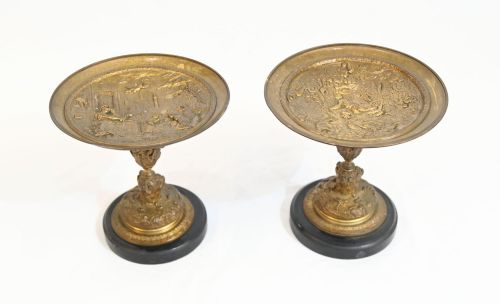
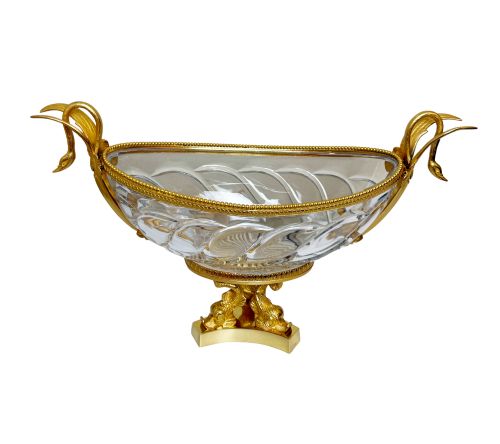
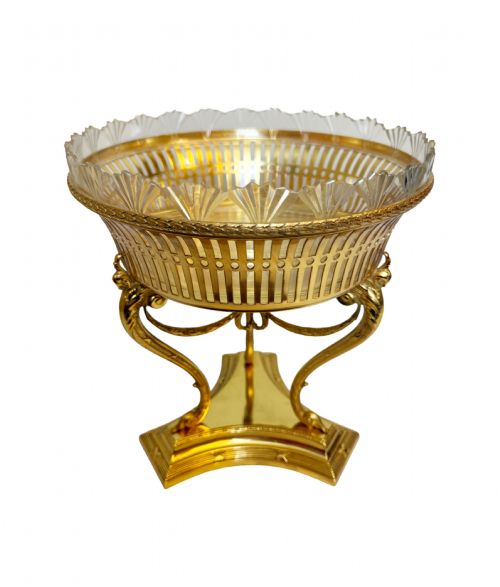
These neoclassical gilt bowl pieces combine gilt bronze, marble, and crystal into striking centrepieces and tazzas.
Neoclassical Gilt Bowl
A neoclassical gilt bowl search brings together decorative metalwork and glass vessels from the eighteenth and nineteenth centuries. These pieces encompass centrepieces, tazzas, jardinieres, and urns shaped by French Empire, Georgian, and Grand Tour aesthetics.
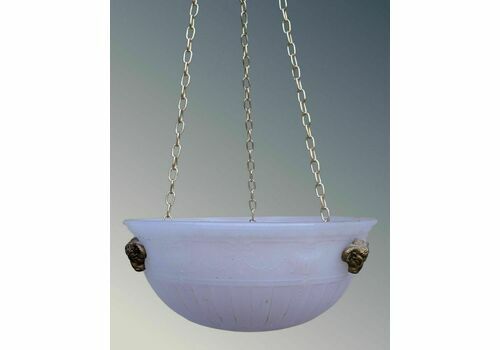
Buyers will most frequently encounter nineteenth-century items, particularly tazzas and centrepieces utilising gilt bronze or ormolu alongside cut glass, crystal, or marble. English and French workshops dominate the available forms, often incorporating classical motifs such as rams' heads.
The selection ranges from two-handled porcelain urns to silver-gilt covered vessels and bronze sweetmeat baskets. Each object reflects the enduring appeal of classical antiquity across successive nineteenth-century revival periods.
Materials and construction methods
Metalwork relies on cast bronze finished with fire gilding or ormolu, alongside patinated bronze and silver gilt. These metallic elements are frequently paired with carved black marble, malachite, cut glass, and moulded crystal.
Assembly methods combine precision metal casting with hand-cutting for glass inserts and stone-turning for bases and bowls. Makers integrated diverse mediums, securing bronze mounts to marble plinths and crystal vessels.
Listings feature items spanning the eighteenth and nineteenth centuries, incorporating periods from Georgian to French Empire and Grand Tour.
Assessing quality in decorative metalwork
Quality rests upon the crispness of the bronze casting and the depth of the gilding. Finer examples display sharp chasing to the metal foliage and mounts, whereas simpler pieces show softer definition in the cast details.
The choice of secondary materials further separates items, with heavier cut crystal inserts and solid marble or malachite bases indicating higher ambition. The integration between glass vessels and their metal mounts requires precise fitting.
The Neoclassical Gilt Bowl Glossary
- Ormolu
- Gilded bronze produced through a mercury amalgamation technique common in French metalwork. This finish provides a warm, durable golden lustre.
- Tazza
- A shallow bowl or vase raised on a stem and foot, originating in classical antiquity. These serve primarily as ornamental centrepieces.
- Jardiniere
- An ornamental receptacle designed to hold plants or floral arrangements. They often incorporate decorative metal stands and glass liners.
- Sweetmeat basket
- A small, footed basket used for serving sweets, nuts, or small confections during the Georgian period. They frequently employ silver plating over copper.
- Grand Tour
- A cultural journey undertaken by wealthy young Europeans to study classical antiquities. Souvenirs from these travels heavily influenced nineteenth-century decorative arts.
Neoclassical Gilt Bowl: Frequently Asked Questions
What are neoclassical gilt bowls?
These pieces are decorative vessels and centrepieces created in the classical revival style popular during the eighteenth and nineteenth centuries.
They combine gilt bronze, ormolu, and cut glass to form tazzas, jardinieres, and ornamental urns for display.
How were these bowls used?
Historically, such vessels functioned as table centrepieces for dining or as decorative ornaments on mantelpieces and side tables.
Many were designed to hold flowers, fruit, or sweetmeats during formal gatherings in large homes.
How do I style them at home?
Place a tazza or centrepiece on a dining table or sideboard where its reflective metal and crystal catch the light.
Pair them with complementary antique furnishings to anchor the classical aesthetic within a modern room.
How can I tell periods apart?
Earlier eighteenth-century pieces often show Georgian or early neoclassical restraint, while nineteenth-century items lean into heavier Empire and Grand Tour influences.
Material combinations also guide dating, such as the specific use of malachite and patinated bronze in mid-nineteenth-century items.