
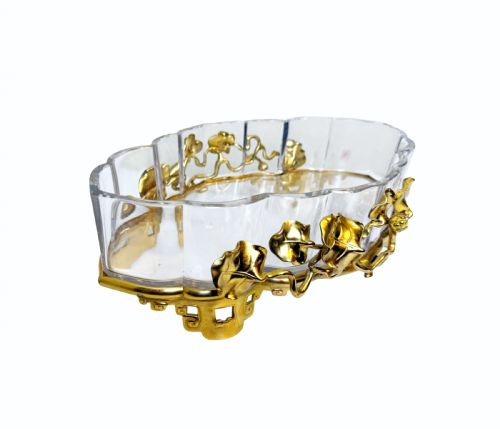


Gold Bronze Centrepieces
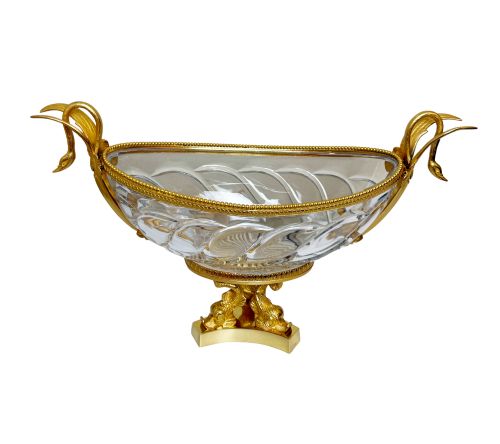
Gold bronze centrepieces bring monumental presence to a dining table, combining cast metals with cut crystal, porcelain and marble.
Gold Bronze Centrepieces
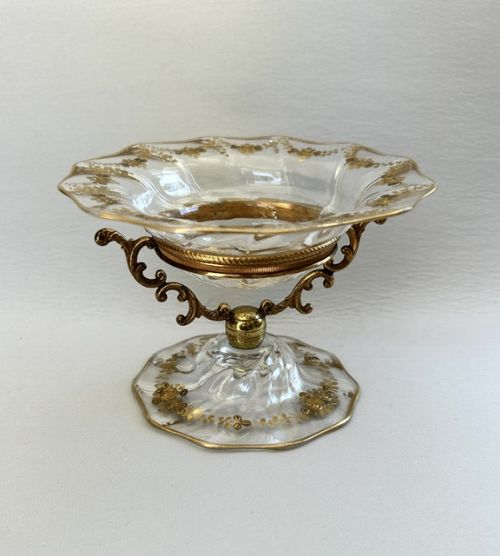
Gold bronze centrepieces encompass elaborate table vessels, tazzas, epergnes and decorative bowls designed as table centrepieces. When searching for gold bronze centrepieces, collectors encounter pieces primarily originating from the nineteenth century, including Regency, Empire, and French Rococo Revival styles.
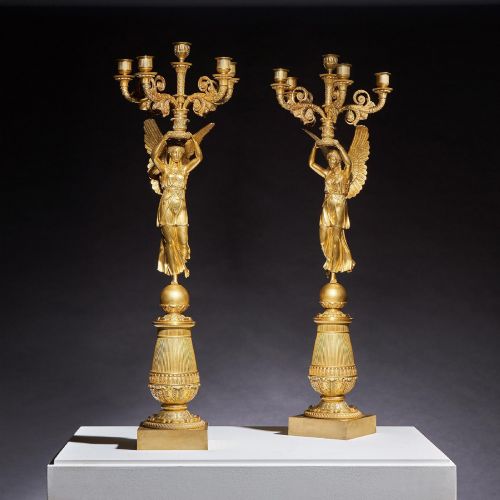
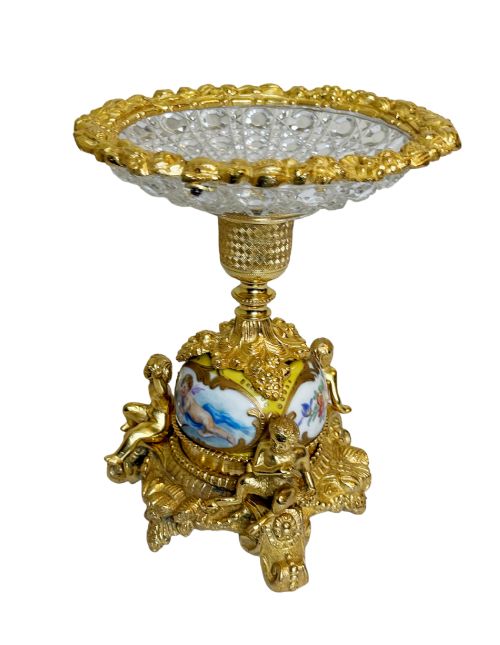
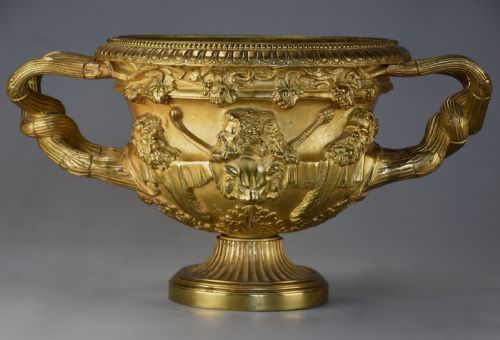
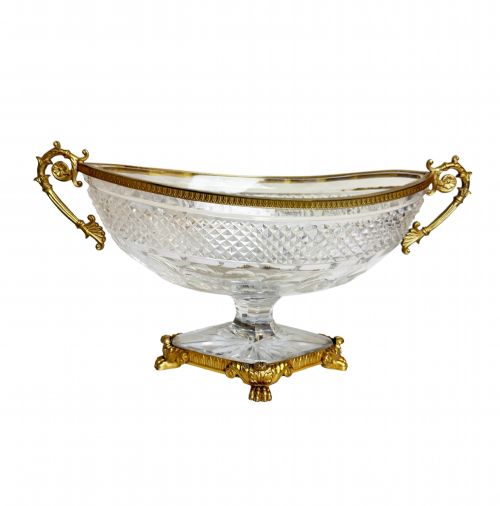
The objects frequently combine gilt bronze or ormolu mounts with glass inserts, crystal bowls, Sevres porcelain, or hardstones like malachite and Blue John. Many pieces incorporate sculptural figures such as cherubs, mermen, or putti into the metalwork.
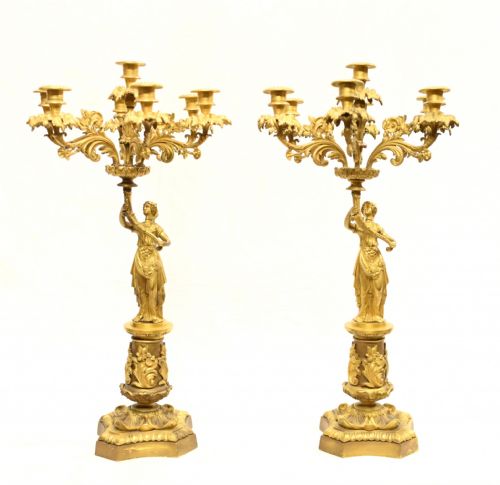
Alongside dedicated centrepieces, related items sharing the same materials appear in this category, including candelabras, candlesticks, decorative urns, and tazzas. These items reflect the high-status dining and interior ornamentation of nineteenth-century European drawing rooms and dining halls.
Materials and manufacturing techniques
The manufacture of these objects relies heavily on bronze casting, utilising both gilt bronze and ormolu finishes to achieve a rich golden lustre. Artisans applied mercury gilding or modern electroplating methods to cast bronze components, creating durable metallic surfaces that resisted tarnishing.
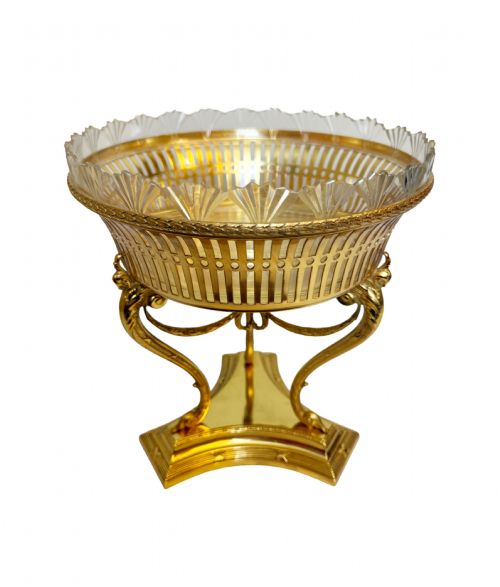
Many centrepieces integrate fragile components such as cut crystal bowls, glass inserts, and ceramic plaques from factories like Sevres or Limoges into metal frames. These mixed-media objects required precise metalwork and mounts to secure delicate glass and porcelain elements safely.
Marbles, hardstones like Blue John, and champleve enamel frequently complement the bronze frames in Regency and nineteenth-century pieces. The assembly of cast bronze mounts with stone bases or porcelain bodies demonstrates advanced nineteenth-century foundry and lapidary skills.
Materials paired with gilt bronze across these objects include cut crystal, Sevres and Limoges porcelain, marble, and malachite.
Assessing quality in metalwork and mounts
The integration of secondary materials significantly influences the standard of a piece. High-tier items feature heavy, hand-cut crystal inserts, pristine porcelain plaques, or unblemished hardstone panels fitted precisely into substantial gilt bronze or ormolu frames.
Attribution to documented makers or prominent foundries elevates the standing of specific pieces within the category. Items carrying signatures, foundry marks, or recognised design lineage demonstrate superior craftsmanship compared to unmarked or generic workshop production.
Pierre Philippe Thomire·Christofle Paris·Henry Dasson
The Gold Bronze Centrepieces Glossary
- Ormolu
- Gilt bronze, specifically referring to objects where a gold-mercury amalgam was applied to a bronze base. This technique creates a distinctive warm, golden surface sheen found on many nineteenth-century French table pieces.
- Tazza
- A shallow bowl or vase raised on a stem and foot, commonly utilised for serving fruit or display. In nineteenth-century metalwork, these often feature elaborate gilt bronze mounts and decorative enamel or stone plaques.
- Epergne
- A large, multi-tiered centrepiece featuring a central basket surrounded by smaller hanging baskets or dishes. These pieces were placed at the centre of formal dining tables for the presentation of fruit or sweetmeats.
- Champleve
- An enamelling technique where troughs or cells are hollowed out of the metal surface and filled with vitreous enamel before firing. This colourful decoration often appears on nineteenth-century bronze mounts and centrepiece bases.
- Grand Tour
- A cultural journey undertaken by wealthy young Europeans in the eighteenth and nineteenth centuries to study classical antiquities. Souvenirs from these travels included reduced-scale bronze models of famous ancient sculptures like the Warwick Vase.
Gold Bronze Centrepieces: Frequently Asked Questions
What is a gold bronze centrepiece?
A gold bronze centrepiece is an ornamental table vessel created from cast bronze with a gilt or ormolu finish, often holding crystal bowls, glass inserts, or porcelain dishes. These pieces were designed to anchor the decoration of formal dining tables during the nineteenth century.
They frequently incorporate sculptural figures, classical motifs, and colourful hardstone or enamel panels. Today, they serve as decorative focal points on large dining tables, sideboards, or mantels.
How do I date a gilt bronze centrepiece?
Dating these objects involves examining the prevailing style, manufacturing techniques, and materials used in the piece. Nineteenth-century examples often display Regency, Empire, or Rococo Revival characteristics influenced by historical European design periods.
Makers' marks, foundry stamps, or signatures etched into the bronze can also provide specific chronological markers. Comparing the crispness of the chasing and the type of crystal or porcelain helps narrow the production era.
How were centrepieces used originally?
In formal nineteenth-century dining, centrepieces held fruit, sweetmeats, or flowers to decorate the middle of the table. They functioned as conversation pieces and symbols of the host's wealth and aesthetic taste.
Many designs included detachable glass liners or shallow dishes specifically intended to contain water and floral arrangements without damaging the metal frame. Some versatile examples doubled as tazzas or epergnes for dessert courses.
How do I clean gilt bronze?
Cleaning gilt bronze requires gentle dusting with a soft, dry brush to prevent the accumulation of dirt in the chased recesses. Moisture and harsh chemical cleaners should be avoided, as they can strip or damage the delicate ormolu surface.
For stubborn grime, professional conservation advice should be sought to preserve the original gilding. Regular care involves handling pieces with clean hands to prevent skin oils from tarnishing the metal.