

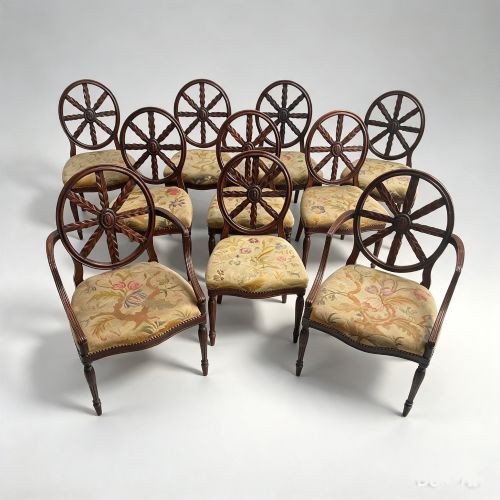
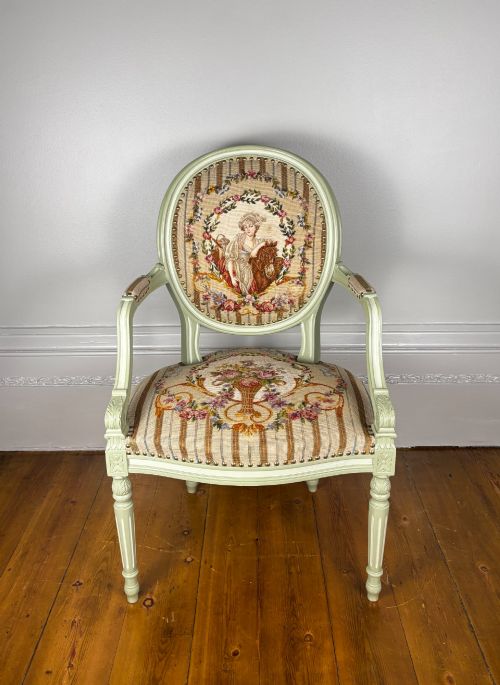
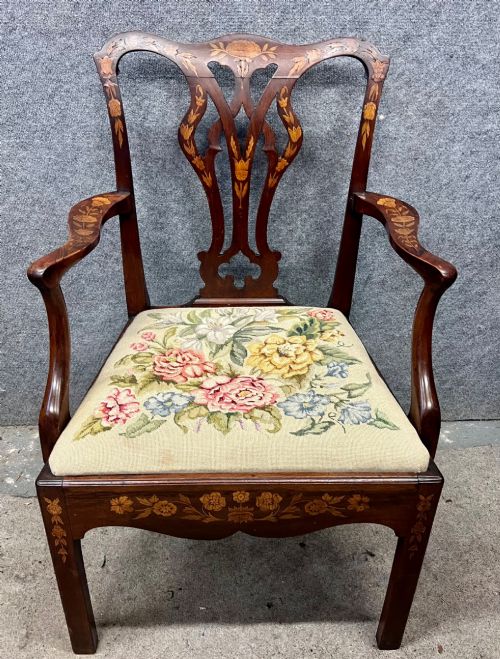
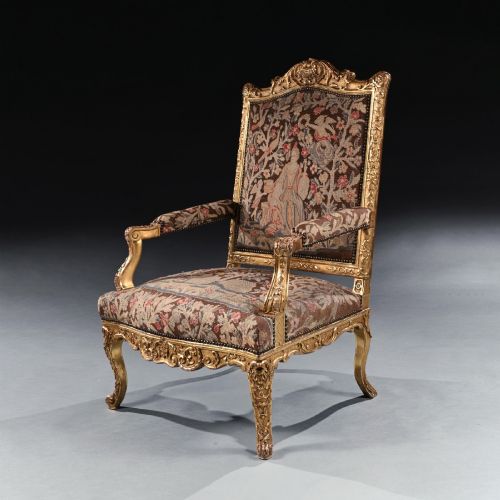

Needlepoint Seat Chairs
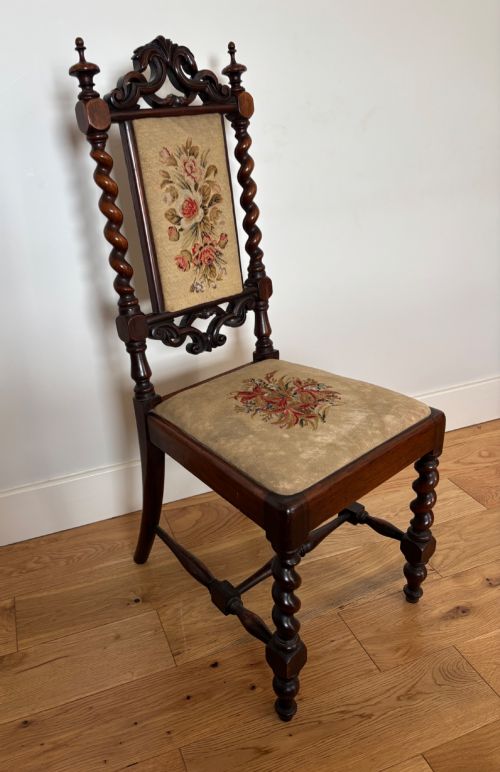
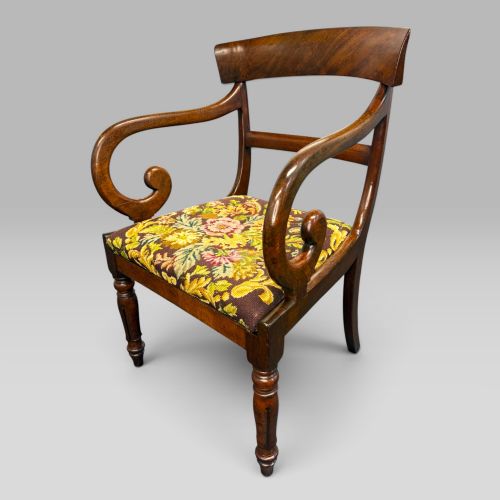
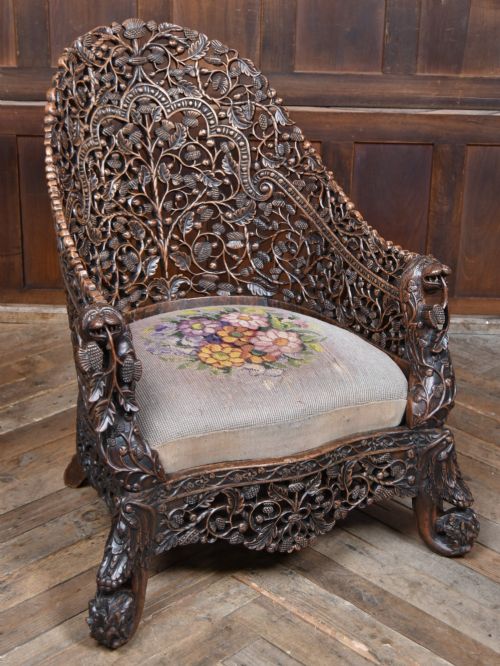
Needlepoint seat chairs combine sturdy timber frames with hand-worked textile panels, offering comfortable seating with enduring decorative appeal.
Needlepoint Seat Chairs
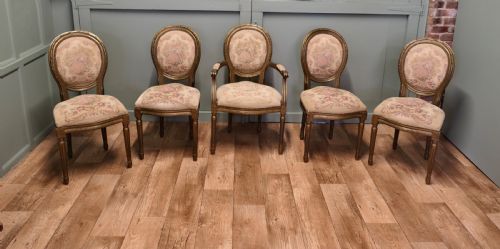
Needlepoint seat chairs span multiple eras, encompassing formal dining sets, occasional chairs, and intimate dressing stools. Buyers encounter everything from early walnut designs to later revival pieces.
The timber frames reflect the period of their manufacture, utilising woods like mahogany, walnut, and rosewood. These structural elements provide the framework for the decorative textile inserts.
Origin points range from English workshops to French ateliers, showing regional preferences in carving and frame silhouette. Many examples date from the Georgian, Victorian, and Edwardian periods.
Materials and Construction
Makers constructed the timber supports using traditional joinery, shaping hardwoods such as mahogany and walnut into chairs, armchairs, and stools. These frames often feature detailed carving or parquetry.
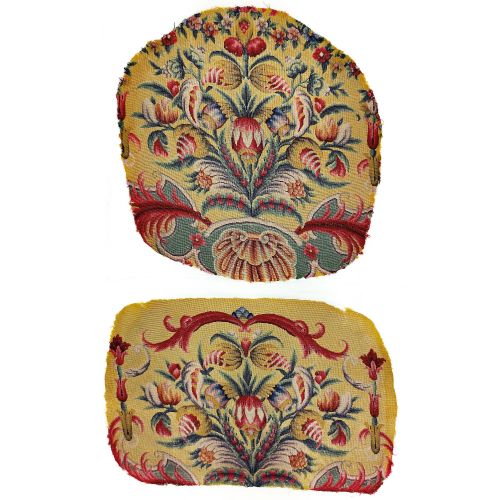
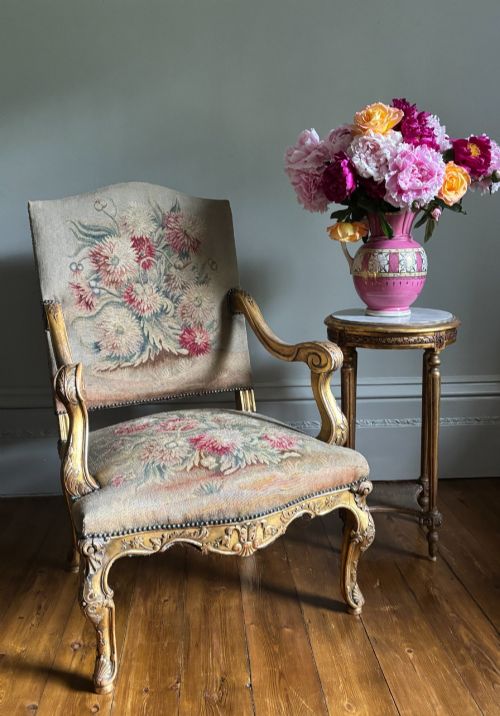
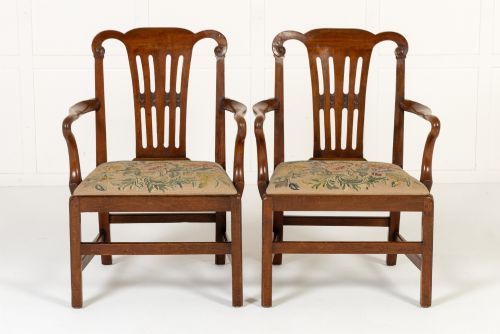
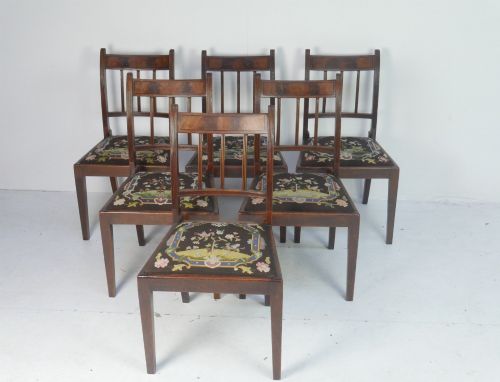
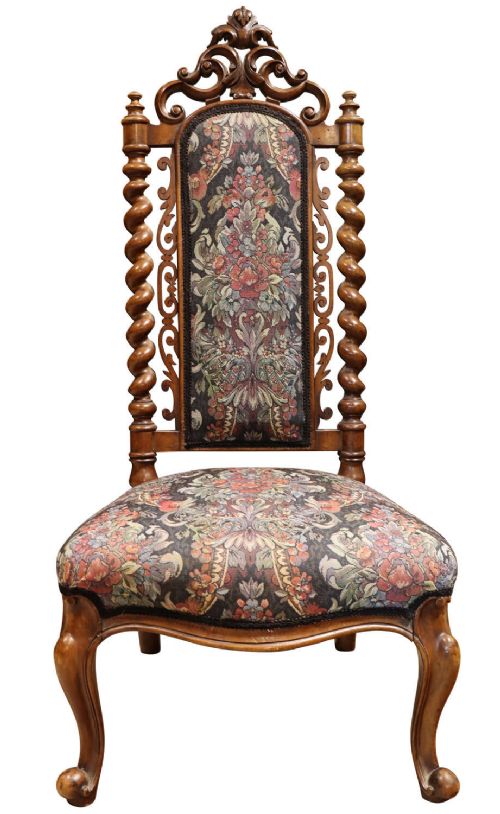
The defining feature involves needlepoint or tapestry upholstery worked in wool and textile threads, stretched over drop-in seats or fixed frames. Artisans secured these panels to withstand daily sitting while displaying intricate patterns.
Needlepoint Seat Chairs Retail Price Guide 2026
Typical asking prices for needlepoint seat chairs among the pieces listed under this phrase on Sellingantiques today, from the lower quarter to the upper quarter. They describe what is for sale here now, not the wider market.
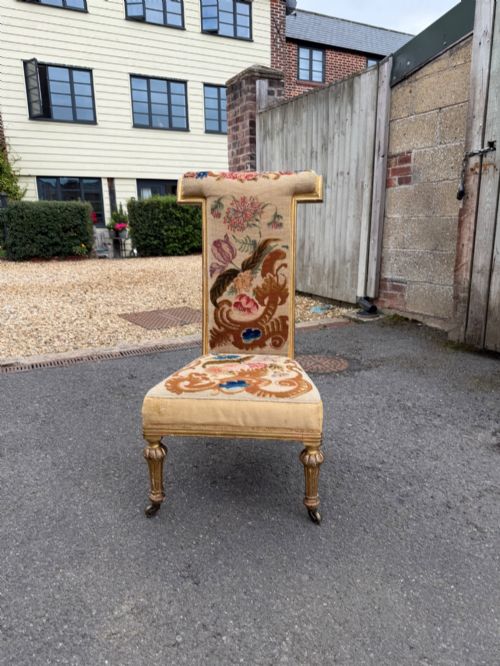
Chair forms include dining sets, revolving piano stools, child's chairs, and low prie-dieu prayer seats.
Judging Quality
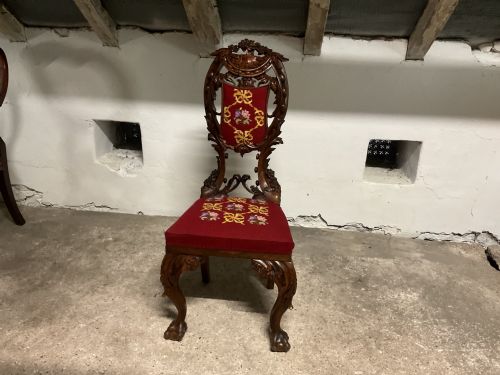
Quality rests in the crispness of the timber carving and the density of the needlepoint stitch work. Finer examples display meticulous hand-worked patterns alongside robust, well-proportioned wooden frames.
The integrity of the frame construction and the preservation of original upholstery elements distinguish superior pieces. Expert joinery and well-maintained textile panels elevate an item above standard utility.
Charles Tozer·Warings·Waring and Gillow·R Whytock of Edinburgh·Liberty and Co
The Needlepoint Seat Chairs Glossary
- Needlepoint
- A type of canvas work embroidery executed with wool yarn, forming the decorative seat covers found on these chairs.
- Drop-in seat
- A removable seat frame upholstered separately and dropped into a recess in the chair rails.
- Elbow chair
- An armchair with wooden armrests, often used as a desk or occasional seat.
- Prie-dieu
- A low devotional chair featuring a high back and a padded ledge, frequently fitted with upholstered panels.
- Parquetry
- Geometric wood inlay work used to decorate the surfaces of fancy French and English furniture.
Needlepoint Seat Chairs: Frequently Asked Questions
How do I clean needlepoint seats?
Vacuum the textile gently using a soft brush attachment to remove surface dust without disturbing the wool fibres.
Avoid liquid cleaners or harsh chemicals unless handled by a professional textile conservator to prevent shrinkage.
Are these chairs suitable for daily use?
Many sturdy examples function well for regular seating provided the frame joinery remains tight and stable.
Delicate antique frames or fragile needlepoint work benefit from lighter use in low-traffic rooms.
How do I identify the period?
Examine the timber species, carving styles, and leg shapes to align the frame with known historical eras.
Construction marks and joinery techniques underneath the seat offer further clues to the date of manufacture.
Can the upholstery be replaced?
Upholstery can be updated by a skilled restorer if the existing fabric has worn beyond repair.
Retaining original needlepoint panels is generally preferred by collectors to preserve historical authenticity.