


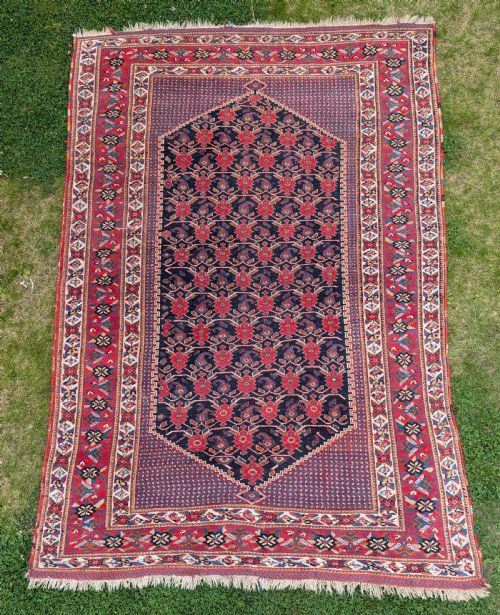
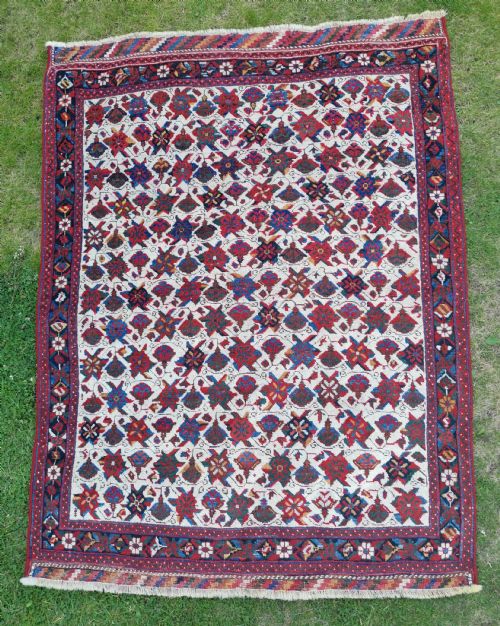
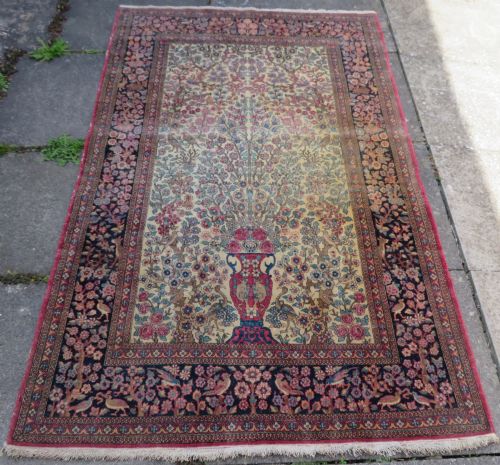
Navy Wool Area Carpet
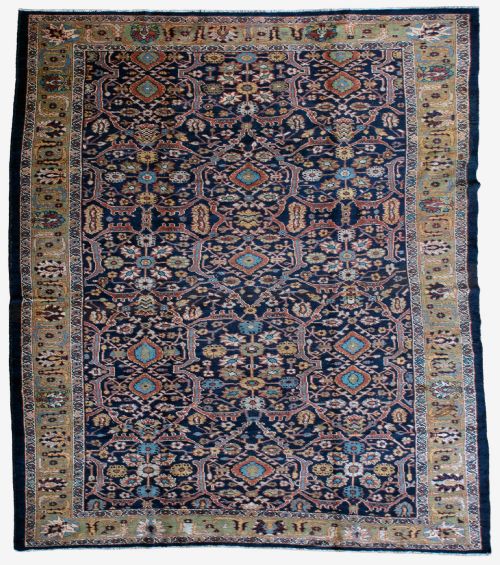
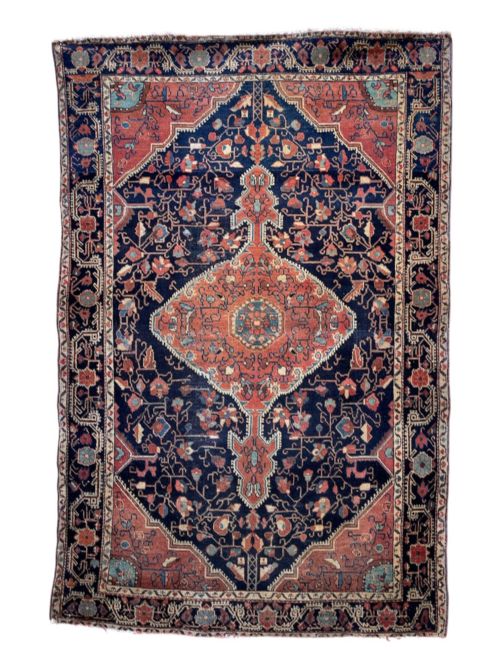
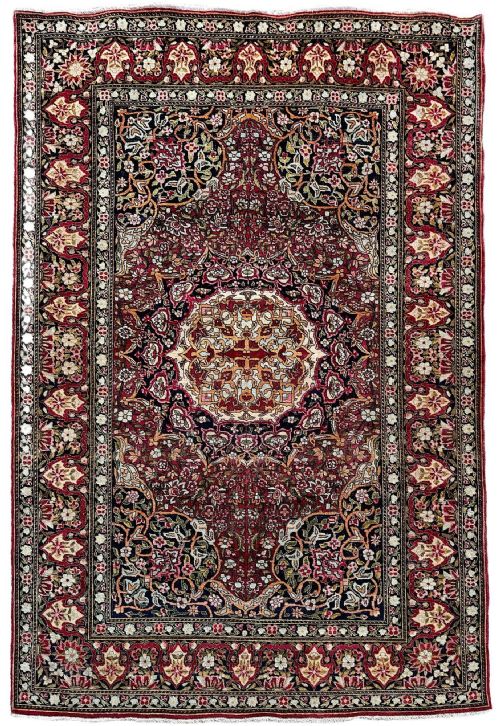
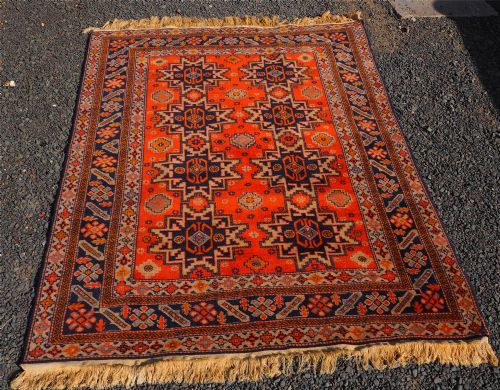
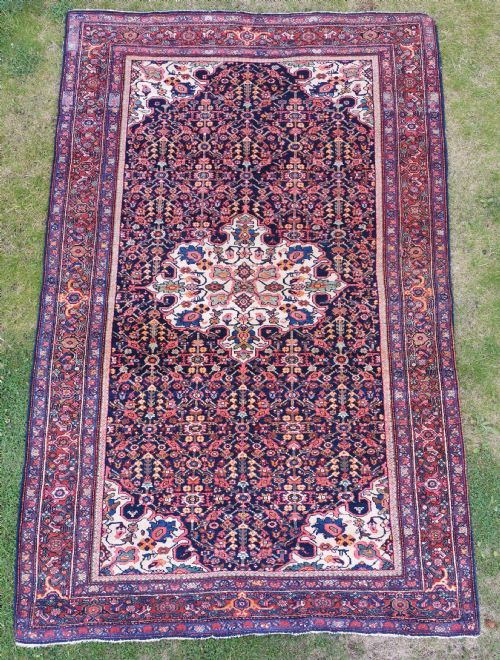
These navy wool area carpet examples bring warmth and rich indigo grounding to a room through traditional Persian and Caucasian weaving.
Navy Wool Area Carpet
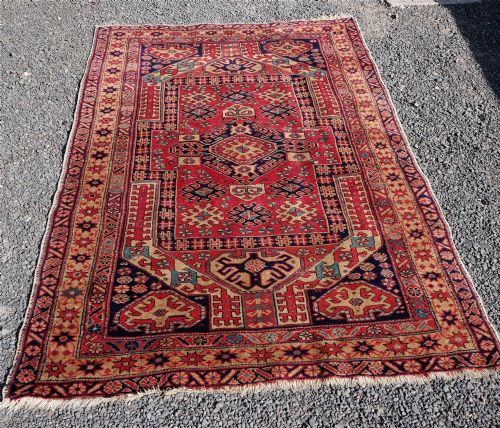
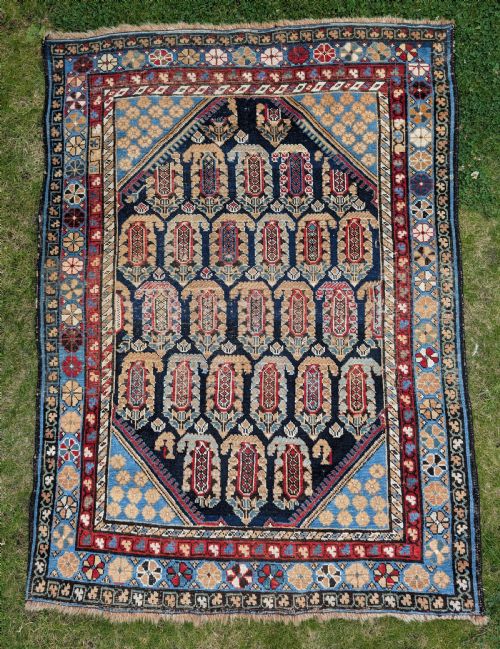
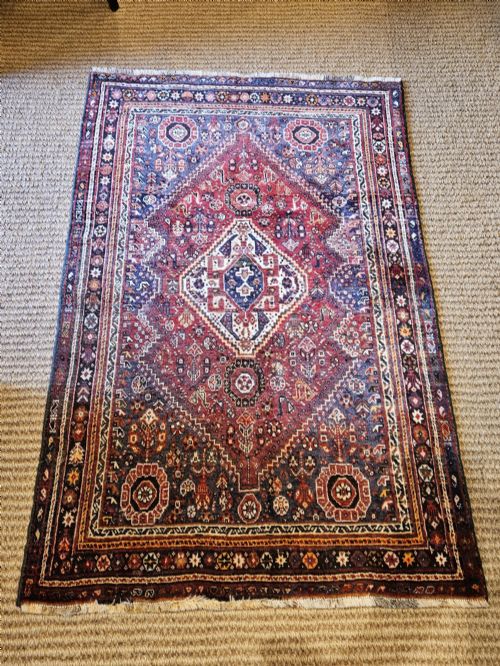
A navy wool area carpet brings together floor coverings fashioned from wool, cotton, and silk, spanning the nineteenth and early twentieth centuries. These floor coverings emerge from regional traditions including Persian, Caucasian, Baluch Tribal, and Khamseh styles.
The selection here encompasses room-sized carpets alongside smaller scatter rugs and prayer rugs. Woven formats range from geometric medallion layouts to intricate tribal compositions and large room carpets.
Assessing quality and execution
Quality rests in the precision of the knotting and the integrity of the materials. Tighter knot counts allow for sharper delineation of geometric and floral motifs across the field.
The choice of dyestuffs and the condition of the foundation threads dictate longevity. Uniformity in weave and careful finishing at the edges separate standard tribal pieces from exceptionally fine examples.
Listings span periods from the mid-nineteenth century through the 1930s, utilising wool, hand-spun wool, cotton, and silk.
The Navy Wool Area Carpet Glossary
- Medallion
- A central ornamental motif set in the middle of the carpet field. This design element often anchors the entire symmetrical layout.
- Pile
- The upright yarn loops that form the usable surface of the carpet. Shorter piles reveal finer knot detail, while longer piles offer greater cushioning.
- Foundation
- The underlying grid of warp and weft threads that support the knotted pile. Cotton and wool are standard materials for this structural base.
- Warp
- The vertical threads stretched tightly on the loom before weaving commences. The ends of these threads frequently form the fringe.
- Weft
- The horizontal threads passed across the warp threads to secure the knots in place. Proper tension here ensures the carpet maintains its rectangular shape.
Navy Wool Area Carpet: Frequently Asked Questions
How do I clean a wool carpet?
Vacuum gently using a suction-only attachment to avoid pulling the delicate wool fibres and knotted ends. Professional specialist cleaning is recommended for deep washing to protect natural dyes.
Keep the textile out of direct, harsh sunlight to prevent fading of the dark indigo and secondary hues. Rotate the placement periodically to ensure even wear across high-traffic zones.
Where should I place an area rug?
These floor coverings anchor seating arrangements in living spaces or add texture beneath dining tables. Ensure the dimensions allow furniture legs to rest comfortably on the textile.
Use a breathable underlay beneath the piece to prevent slipping on hardwood floors. This adds cushioning and reduces friction between the foundation and the floorboards.
How are different regional styles identified?
Regional aesthetics emerge through distinct colour palettes, border patterns, and motif arrangements. Persian pieces often favour curved floral medallions, while Caucasian and Baluch examples utilise sharp geometric structures.
Examining the weave density and the materials used in the foundation provides further clues to origin. Tribal pieces frequently display charming irregularities born from memory rather than strict cartoons.