



Nomadic Wool Runner
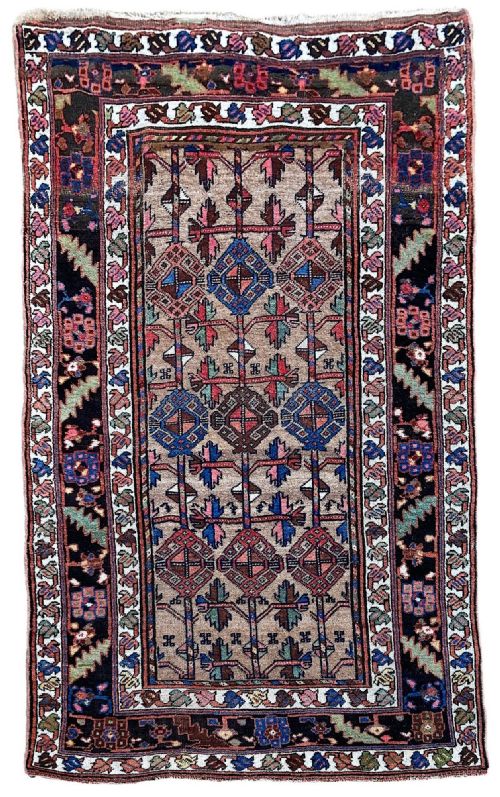
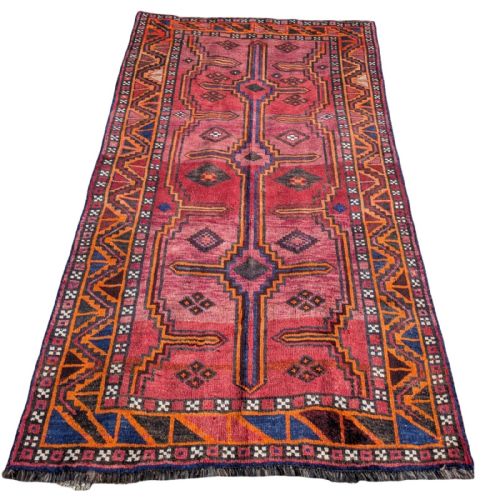
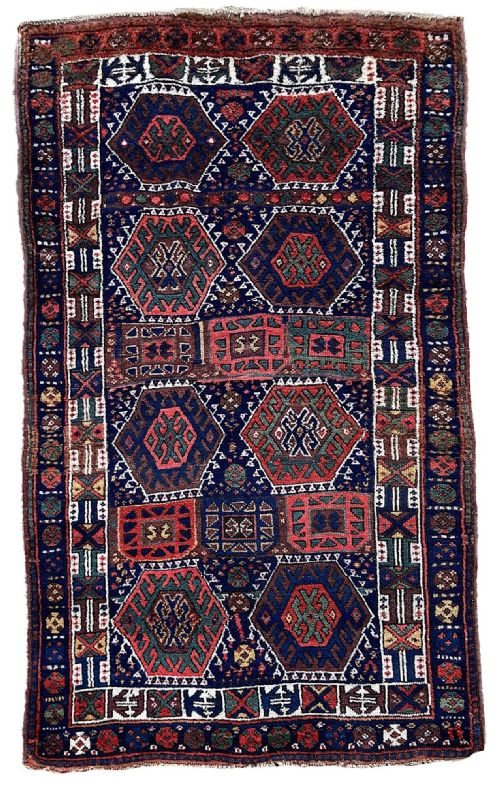
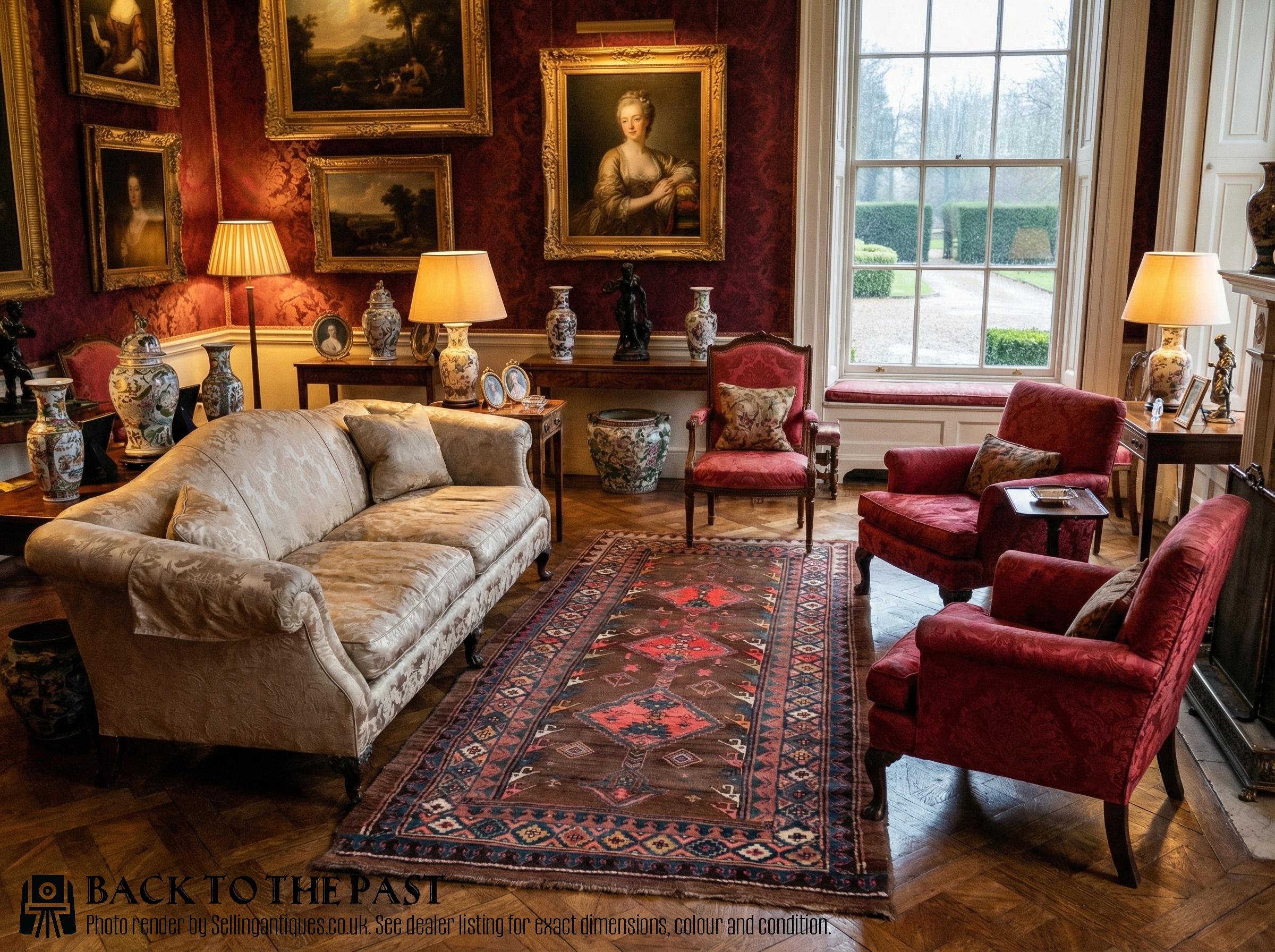
A nomadic wool runner brings the grounded history and striking geometry of tribal weaving directly into a modern hallway.
Nomadic Wool Runner
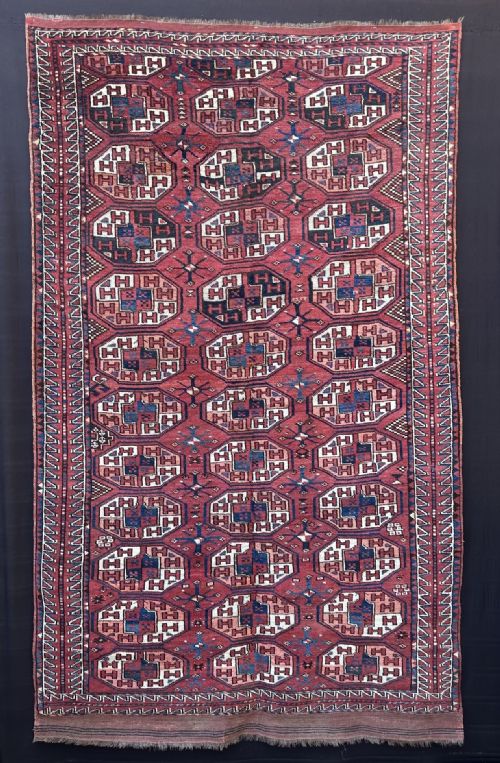
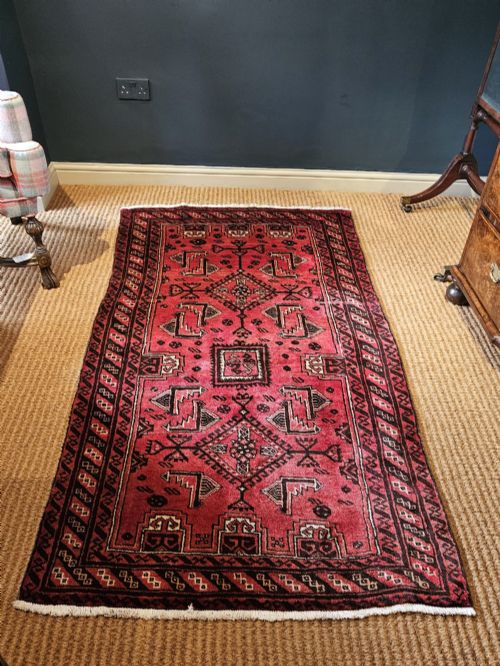
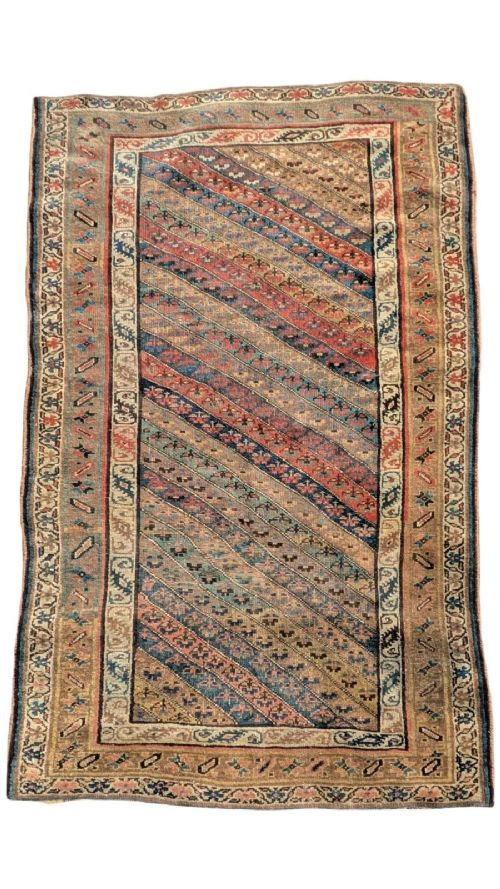
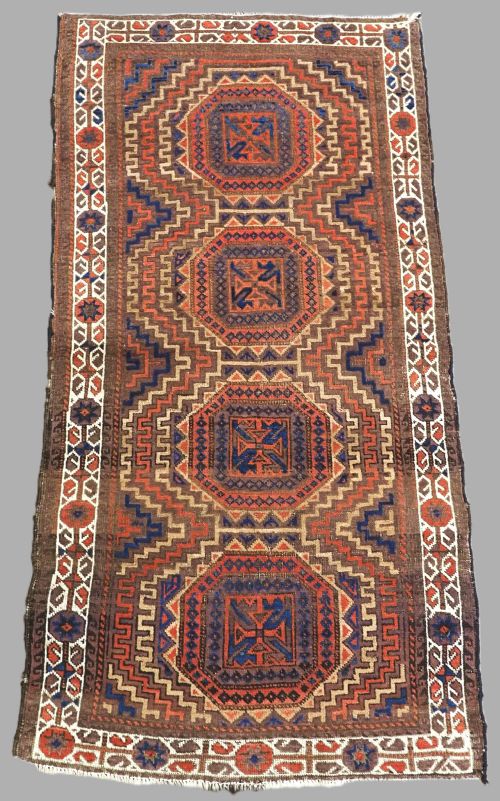
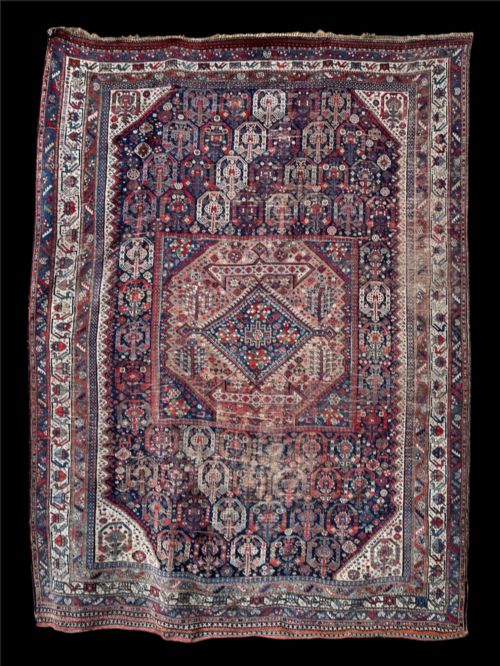
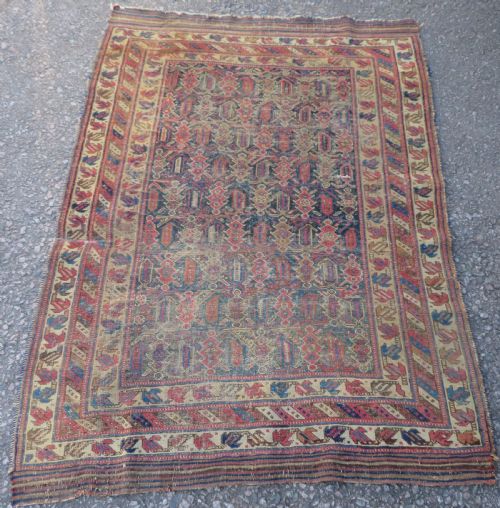
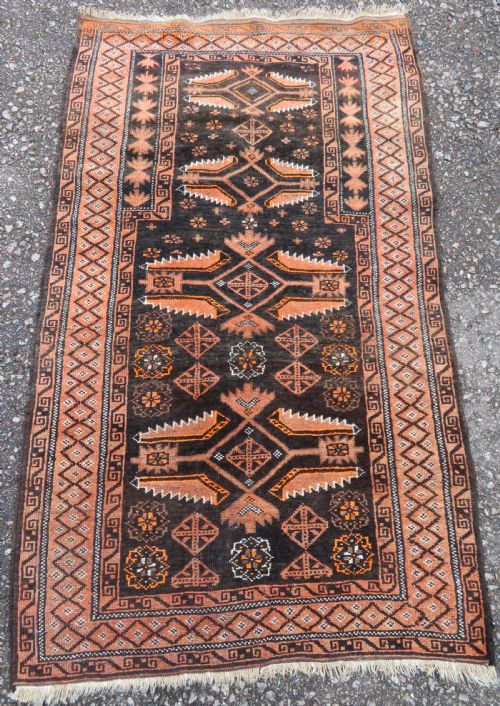
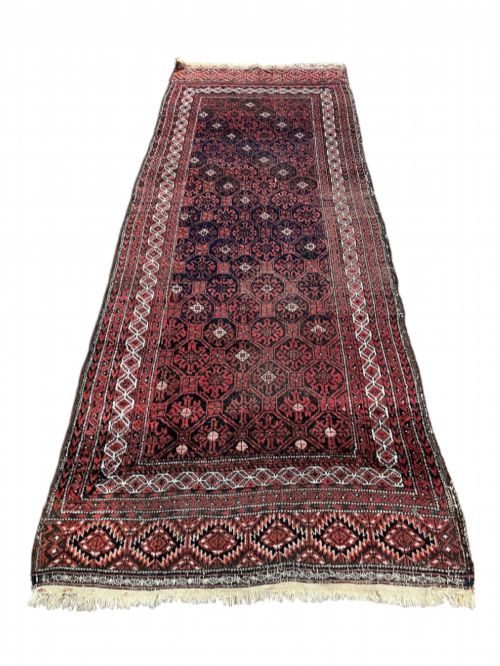
When you search for a nomadic wool runner, you are exploring elongated floor coverings produced by tribal and village weavers across Persia, Central Asia, and the Caucasus. These pieces include specific Baluch runners alongside related long formats from Kurdish, Afshar, and Turkmen traditions spanning the nineteenth and early twentieth centuries.
The versions you are most likely to meet on this page take the form of narrow, linear formats designed for corridors and passages, often displaying the repeating guls, geometric medallions, and prayer niches characteristic of tribal life.
How they were made
The weavers utilised durable hand-spun wool for the pile, frequently paired with cotton foundations and occasionally incorporating goat hair for added strength along the outer corded edges. Natural dyes derived from local plants and minerals provided the deep reds, indigos, and earth tones that stabilise over time into rich patinas.
Constructed entirely by hand on portable horizontal looms, these runners reflect the traditional techniques passed down through generations within tribal confederacies and village communities.
Nomadic Wool Runner Retail Price Guide 2026
Typical asking prices for nomadic wool runner among the pieces listed under this phrase on Sellingantiques today, from the lower quarter to the upper quarter. They describe what is for sale here now, not the wider market.
Object types recorded across the site include long runners, flat-woven kilims, and tribal Sofreh spreads.
What varies in quality
The distinction between ordinary and exceptional examples rests in the handling of the wool, the clarity of the natural dye palette, and the precision of the tribal motifs. Superior runners display a tighter knot density that allows the handle to remain supple while ensuring the pile withstands generations of use.
Depth of colour and the harmonious saturation of secondary shades separate standard village output from the most collectible pieces originating from recognised tribal groups.
The Nomadic Wool Runner Glossary
- Gul
- A repeating octagonal medallion pattern frequently found in Central Asian and Baluch tribal weaving. These motifs often identify the specific tribe or clan that produced the textile.
- Sofreh
- A utilitarian woven spread or cloth used for dining, kneading dough, or gathering grain within tribal households. These flat-woven or pile pieces exhibit striking geometric compositions.
- Gabbeh
- A coarse, thick pile rug traditionally woven for domestic floor use by Qashqai or Luri groups, characterised by minimal open fields and abstract designs. Their uncluttered aesthetic makes them distinct among tribal textiles.
- Torba
- A small storage bag face produced by Turkmen and other nomadic groups to hang inside a tent. They feature compressed rectangular proportions filled with primary tribal guls.
- Kelim
- A flat-woven textile lacking a pile, created by tightly interlocking the warp and weft threads. These lightweight pieces serve as versatile coverings and tent dividers.
Nomadic Wool Runner: Frequently Asked Questions
Where were these runners made?
These runners were woven by nomadic and village populations across Persia, Central Asia, and the Caucasus. Specific groups such as the Baluch, Kurdish, and Turkmen communities produced them for personal utility and trade.
The regional traditions dictate the distinct palette, wool quality, and structural composition found within each individual piece.
How do I care for a wool runner?
Regular gentle vacuuming without a rotating power brush helps remove embedded grit from the wool pile. Professional cleaning suited for antique textiles preserves the natural lanolin and dyes.
Positioning the runner over a breathable underlay prevents slipping and reduces friction between the floorboards and the handmade foundation.
How do I identify tribal designs?
Tribal designs rely on repeating geometric motifs, stylised animal forms, and tribal guls rather than elaborate floral curves. The specific arrangement of borders and medallions often points toward particular regional groups.
Examining the weave structure and the irregularities inherent in hand-spun wool helps distinguish authentic nomadic work from later village copies.
Are these pieces durable for hallways?
The natural lanolin present in hand-spun wool gives the pile high resilience against heavy foot traffic. Dense knotting allows these historical runners to absorb daily wear while maintaining their structural integrity.
Proper placement in moderate thoroughfares ensures the antique materials continue to endure for decades.