
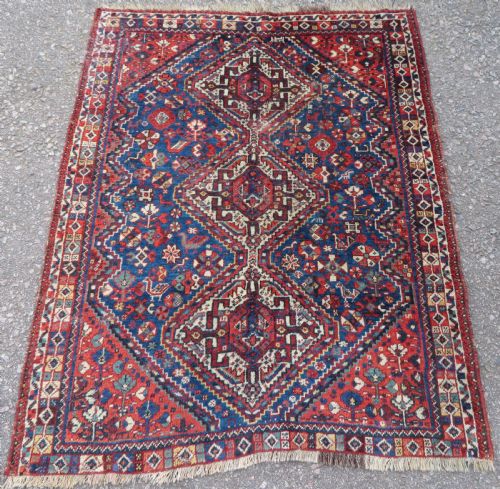
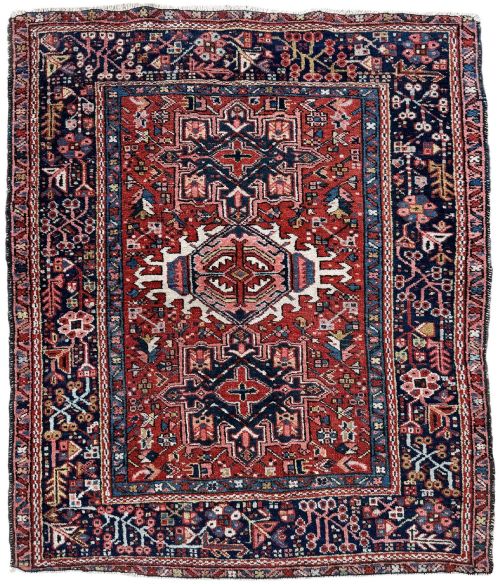
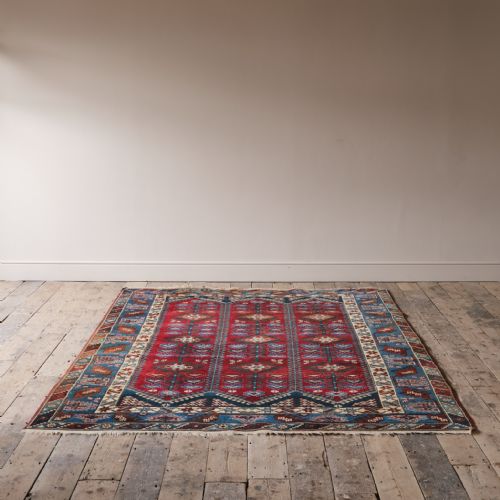
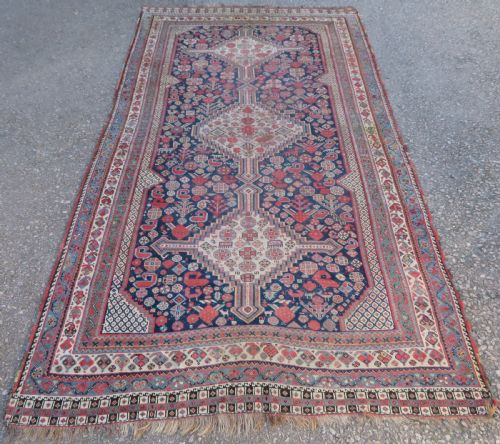


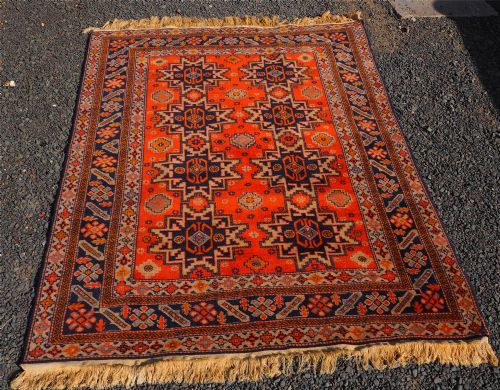
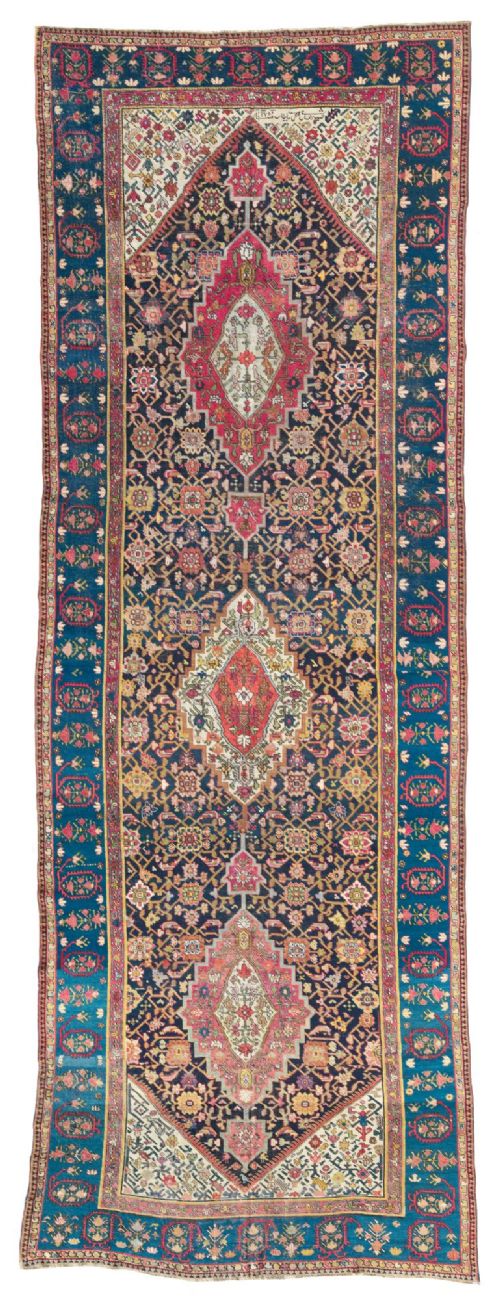
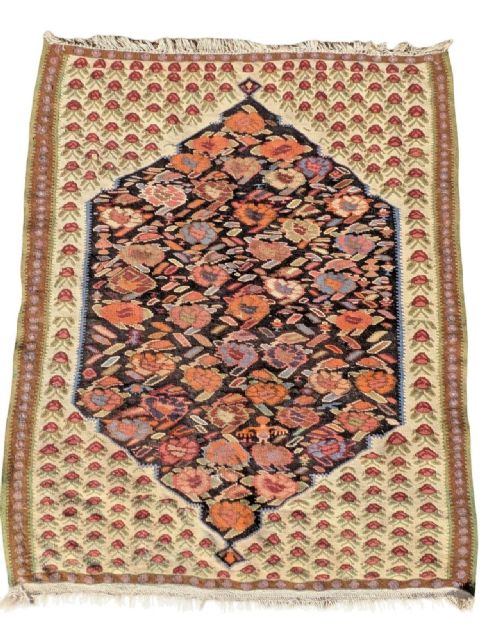
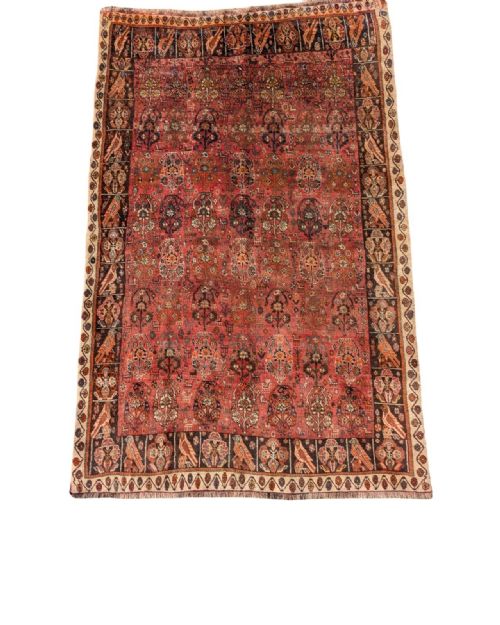
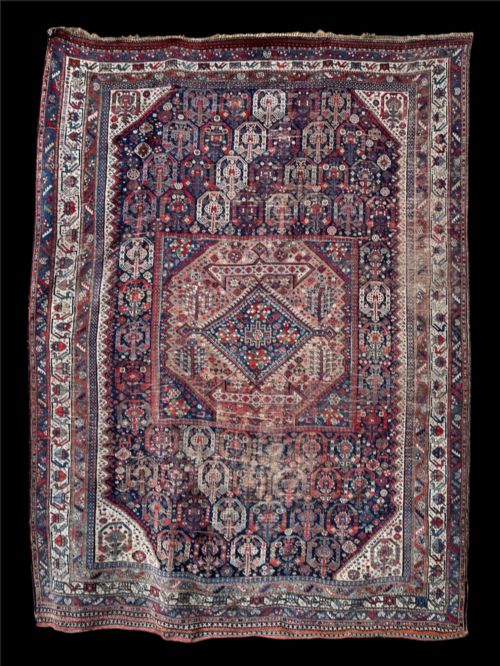
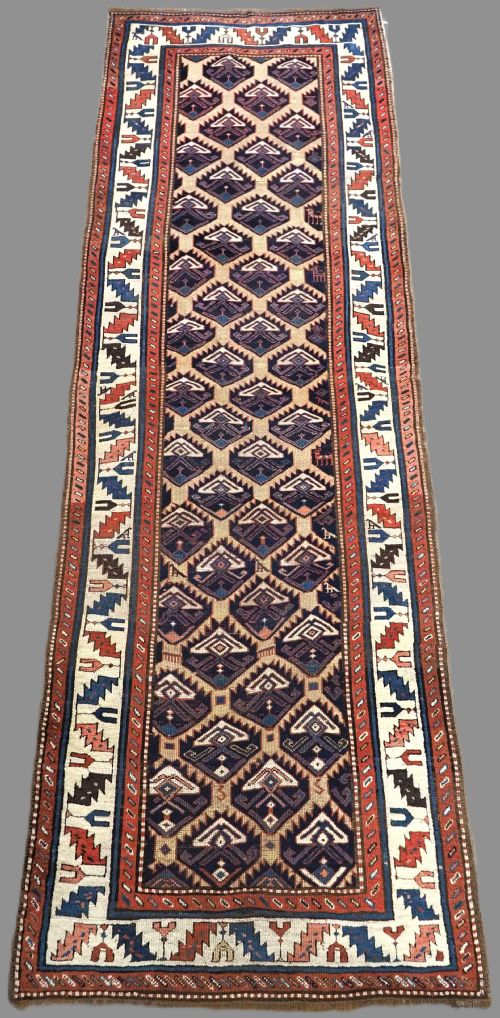
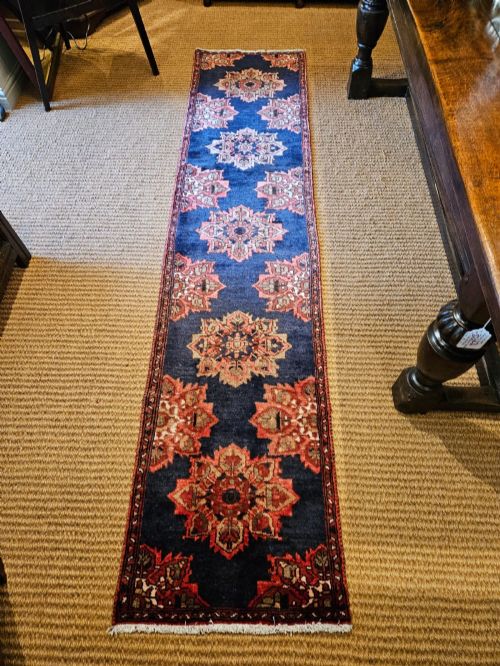
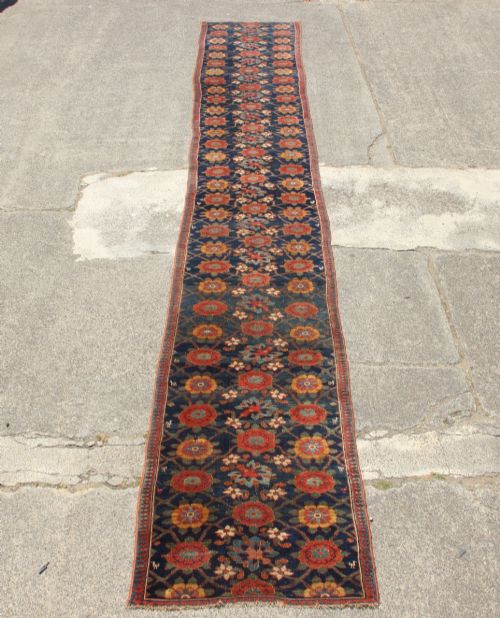
Navy Tribal Runner
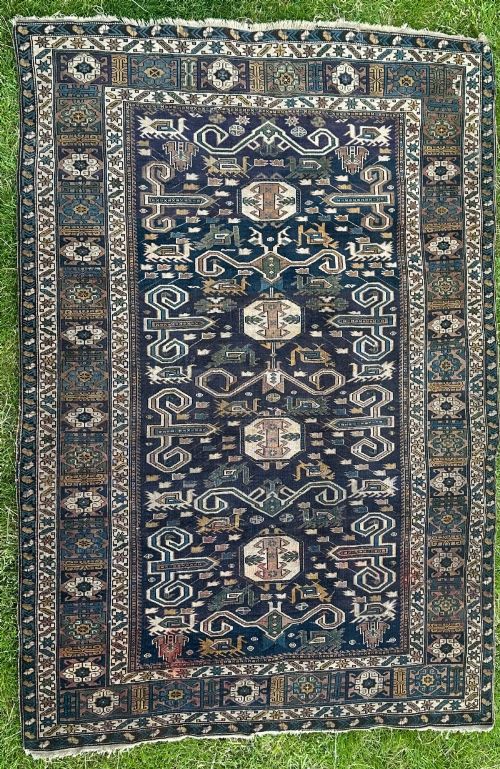
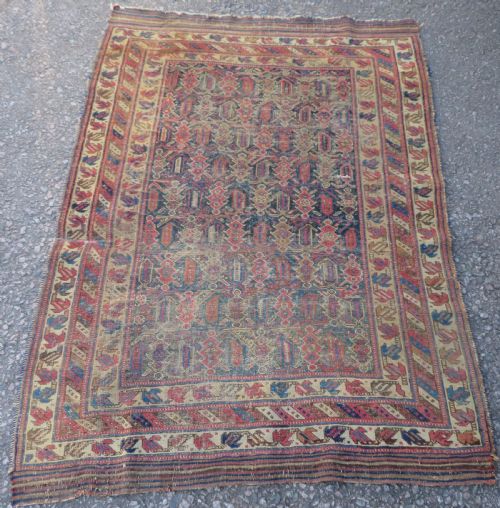
A navy tribal runner brings rich indigo depth and nomadic geometry to a hallway, woven by hand to endure.
Navy Tribal Runner
A navy tribal runner is a narrow, elongated textile born from nomadic and village weaving traditions, designed primarily for corridors and long spaces. These pieces carry deep indigo foundations overlaid with geometric motifs, medallions, and tribal symbols passed down through generations.
The selection here draws from Persian and Caucasian weaving traditions, spanning periods from the mid-nineteenth century into the early twentieth century. Common regional types appearing in this format include Hamadan, Kurdish, and Heriz examples, each bringing distinct wool textures and palette variations to the narrow format.
Buyers encounter formats tailored for hallways, ranging from modest lengths to expansive gallery proportions. The prevalent dark blue grounds offer a practical and visually grounding anchor for high-traffic interior spaces.
Materials and Construction
These textiles rely principally on wool and hand-spun wool, utilised for both the plush pile and the underlying foundation structures. Natural wool supplies resilience and a subtle lanolin sheen that deepens the appearance of the indigo dye over decades of use.
Weavers knotted the wool tightly onto cotton or wool warp and weft threads, securing the edges with overcast selvedges. This traditional hand-knotted construction ensures the structural integrity required of a functional floor covering in domestic spaces.
Some runners retain the slight wobble of a weaver's hand altering a border line, leaving a quiet signature of the nomadic loom.
Assessing Quality and Execution
Quality rests in the precision of the knotting and the crispness of the tribal motifs rendered against the navy ground. Tighter knot density allows intricate geometric lines to remain sharp and readable rather than blurred.
The choice and depth of dye matter significantly, as superior pieces utilise rich natural colorants that age with complex patination. Handle flexibility and the uniform resilience of the wool pile further separate standard village production from finer workshop execution.
The Navy Tribal Runner Glossary
- Runner
- A long, narrow carpet format specifically proportioned for corridors, staircases, and narrow hallways. This shape directs pedestrian movement through architectural spaces.
- Pile
- The vertical or diagonal loops of wool that form the soft upper surface of the carpet. Cutting and packing these strands creates the tactile texture.
- Warp
- The foundational vertical threads stretched taut on the loom before weaving begins. The horizontal weft threads intersect these to lock the knots in place.
- Boteh
- A traditional almond or paisley motif with a curved upper tip, often seen repeated across field designs. This ancient Persian symbol represents life and eternity.
- Kelleh
- A large format rectangular rug, traditionally longer than it is wide but broader than a standard runner. These pieces served specific hearth or perimeter spaces in nomadic tents and village homes.
Navy Tribal Runner: Frequently Asked Questions
Where should I place a runner?
These narrow formats suit hallways, landings, and entrance passages where a long expanse of floor benefits from grounding colour and texture.
They also work effectively alongside kitchen islands or beside beds, adding warmth underfoot in transitional spaces.
How do I care for antique wool?
Regular gentle vacuuming without a beater bar removes grit from the wool pile and prevents fibre degradation over time.
Professional specialist cleaning is advised when deep maintenance is necessary, avoiding harsh detergents that strip natural oils.
Are these pieces truly antique?
The pieces span from the mid-nineteenth century through the early decades of the twentieth century, representing historical village production.
Construction details, dye characteristics, and wear patterns confirm their age and traditional manufacturing methods.
How do I identify regional styles?
Regional identity appears in the specific palette choices, structural stiffness, and repeat motifs characteristic of areas like Hamadan or Kurdistan.
Comparing border structures and knotting density helps distinguish between Caucasian and Persian tribal origins.