


Persian Luri Runner
A persian luri runner is a tribal textile woven in western persia, prized by collectors for its rustic charm and distinct nomadic heritage.
Persian Luri Runner
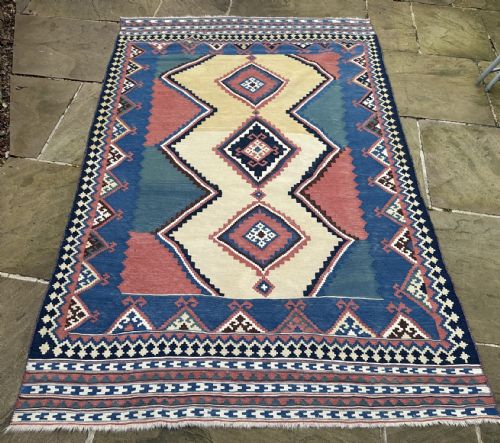
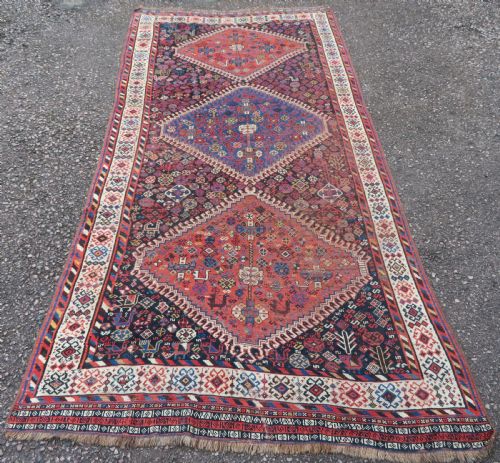
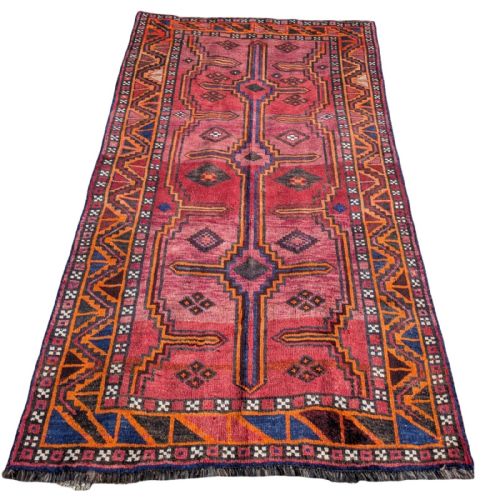
A persian luri runner is a hand-woven textile created by the Luri tribes of Luristan and western Persia. These pieces include narrow runners, kellevs, bread sofreh, and room-sized tribal carpets dating from the nineteenth and early twentieth centuries. Buyers seeking a persian luri runner encounter formats ranging from slender corridor lengths to broader nomadic carpets.
The aesthetic is rooted in tribal Persian traditions, sharing design motifs with Qashqai and Khamseh weaving. Examples display repeat shield patterns, tree of life compositions, and figurative elements such as flowers and birds. Turkmen güls also appear in certain unusual formats, reflecting the rich interchange of design among nomadic groups.
How They Were Made
Each persian luri runner is built upon a foundation of hand-spun wool, utilising the natural resources of the western Persian mountains. The weavers employ traditional upright looms to produce durable tribal rugs intended for nomadic or village life.
Colour derives from natural dyes, imparting a rich, varied palette that patinates gracefully over time. The combination of hand-spun wool and natural dyestuffs creates the signature tactile depth found across these nineteenth and early twentieth-century textiles.
Some weavers slipped tiny flying creatures into the borders, proving even nomads needed a bit of roadside wildlife.
What Varies in Quality
The distinction between ordinary and exceptional examples rests upon the handling of the wool and the depth of the natural dyes. A finer persian luri runner exhibits greater precision in the repeat shield or tree of life design, alongside a tighter knot density.
Proportion and clarity of motif dictate the upper tier of the range. Pieces displaying uncommon iconography, such as intricate birds or specific tribal gül motifs, demonstrate superior artistic ambition compared to standard utility weaves.
The Persian Luri Runner Glossary
- Sofreh
- A flat-woven spread used for kneading bread or serving food among nomadic tribes. These textiles often double as decorative carpets in modern interiors.
- Kelleh
- A format of Persian carpet that is longer than a standard room rug but wider than a narrow corridor runner. It provides a balanced rectangular presence for specific floor spaces.
- Güls
- Octagonal medallion motifs traditionally associated with Turkmen weaving, occasionally found incorporated into Luri tribal designs. They serve as primary focal points within the field pattern.
- Natural Dyes
- Colourants extracted from plants, insects, and minerals before the advent of synthetic alternatives. They produce complex, subtle shades that age with a characteristic warmth.
Persian Luri Runner: Frequently Asked Questions
Where were these runners made?
These textiles originate from the mountainous regions of Luristan and western Persia, produced by nomadic and village Luri tribes. The weavers draw upon centuries of regional tribal heritage.
Production spans from the nineteenth century into the early decades of the twentieth century, reflecting traditional rural life and pastoral movement across the Zagros mountains.
How do I care for my rug?
Protect the hand-spun wool pile by placing a quality underlay beneath the textile to prevent sliding and reduce friction during daily foot traffic. Regular gentle vacuuming without a rotating brush roll maintains the surface.
Keep the textile away from direct, harsh sunlight to preserve the integrity of the natural dyes. Professional cleaning by specialists in antique tribal carpets ensures the longevity of the wool foundation.
Are these pieces purely decorative?
While utilised today primarily as artistic floor coverings in residential interiors, these textiles served utilitarian roles within nomadic households. They functioned as ground cover, bedding, and utility spreads.
Collectors appreciate them both for their functional history and as significant examples of Persian tribal artistry, displaying cultural narratives through geometric and figurative design.
How are Luri rugs dated?
Dating relies upon structural analysis, wool preparation methods, and the specific chemical composition of the natural dyes used in the weave. Nineteenth-century examples often exhibit distinct wear patterns and hand-spun irregularities.
Stylistic markers, such as the evolution of tribal motifs and comparison with dated pieces from the Qashqai and Khamseh spheres, assist in establishing a reliable period of origin.