


Nautical Seascape Wall Art
When you search for nautical seascape wall art, you are looking at maritime paintings and watercolours that capture ships, shores, and rough waters.
Nautical Seascape Wall Art
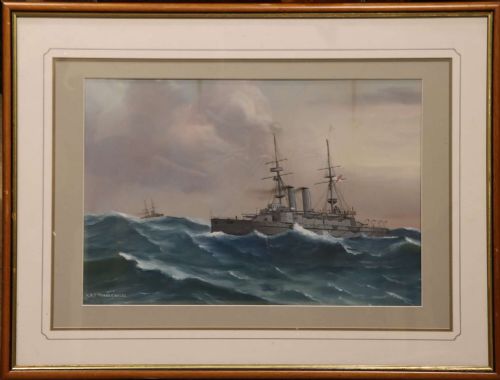
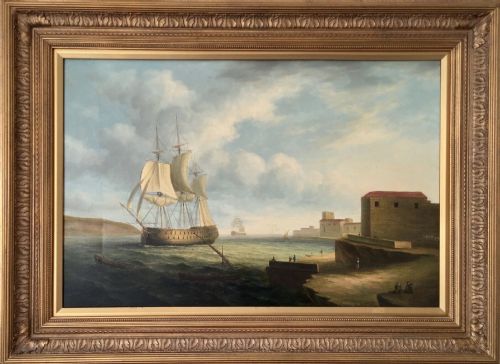
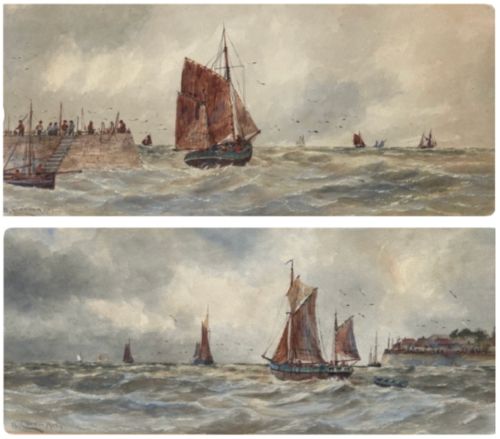
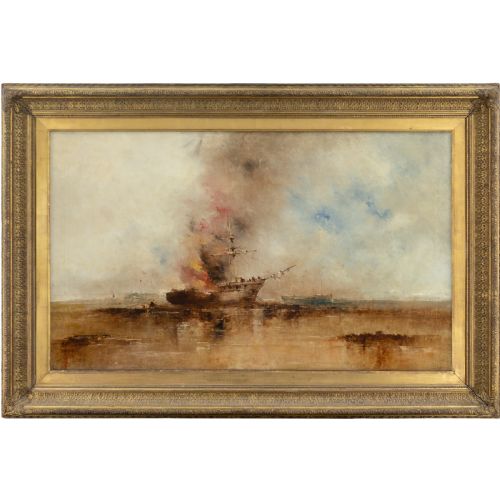
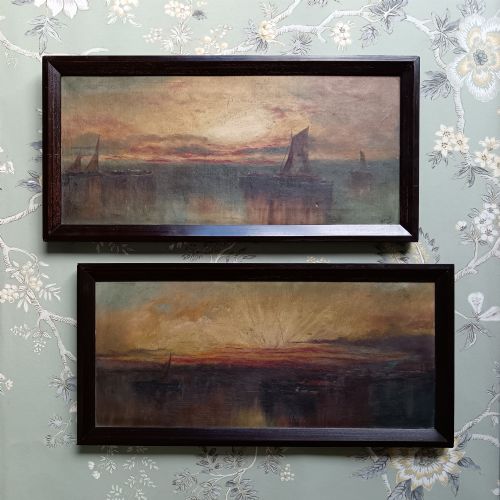
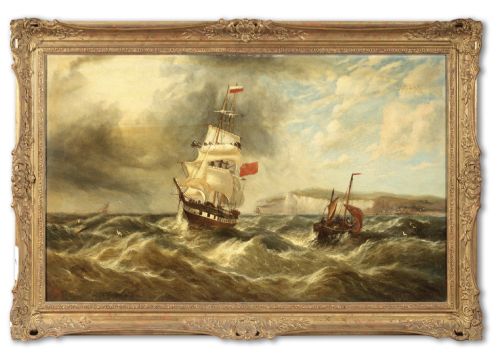
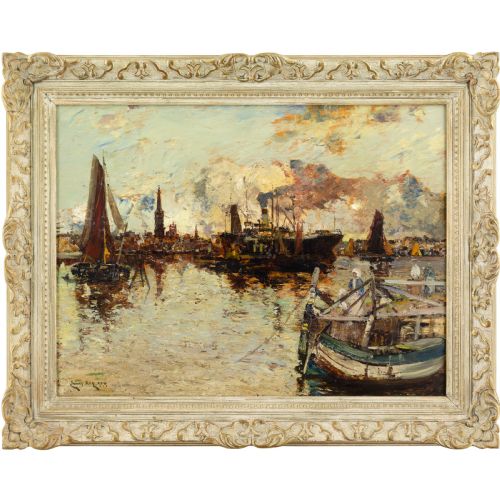
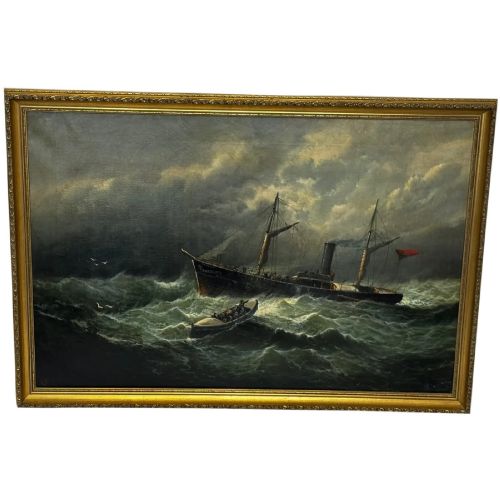
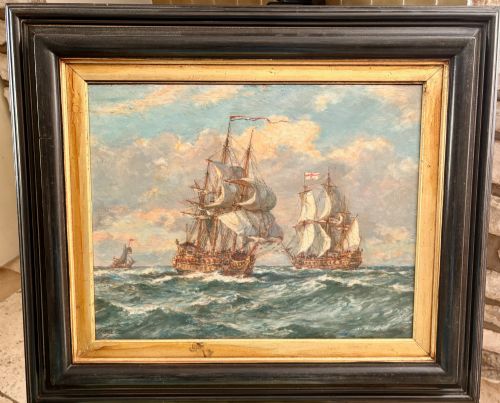
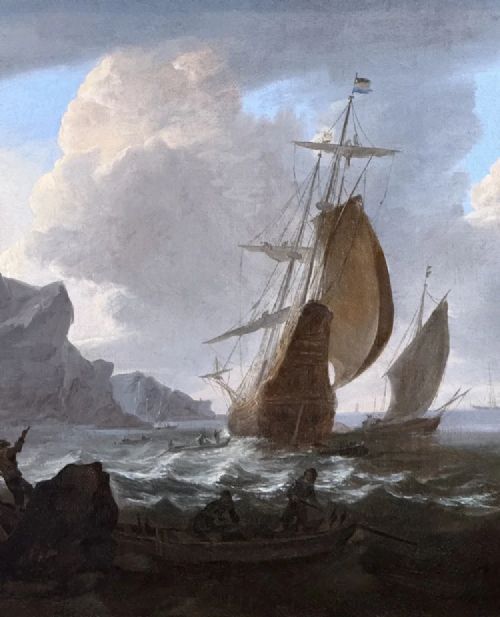
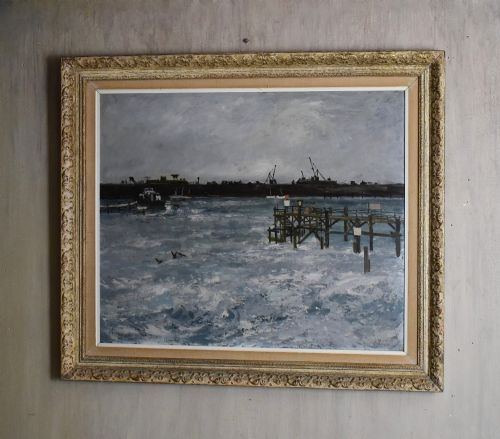
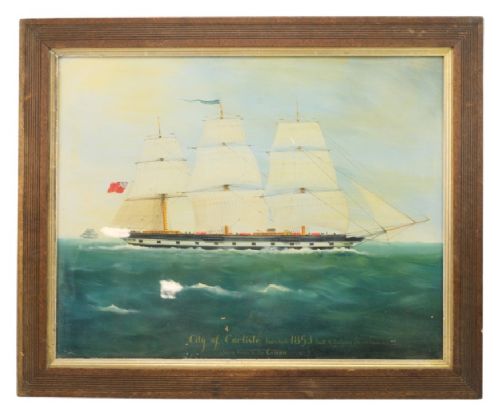
Nautical seascape wall art spans framed watercolours and oil paintings depicting vessels, coastal views, and open water. These works record historic shipping lanes, merchant vessels, and traditional fishing boats engaged in daily coastal labour.
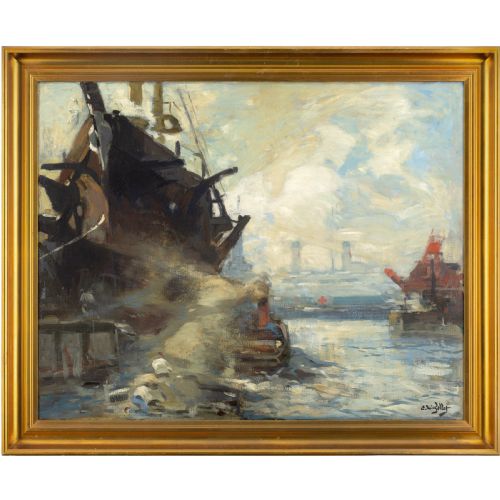
The pieces on this page lean heavily towards nineteenth century Victorian and early twentieth century Edwardian examples. You will frequently find works executed in oil on canvas, oil on board, and watercolour on paper, often housed in original gilt wood frames.
Materials and Techniques
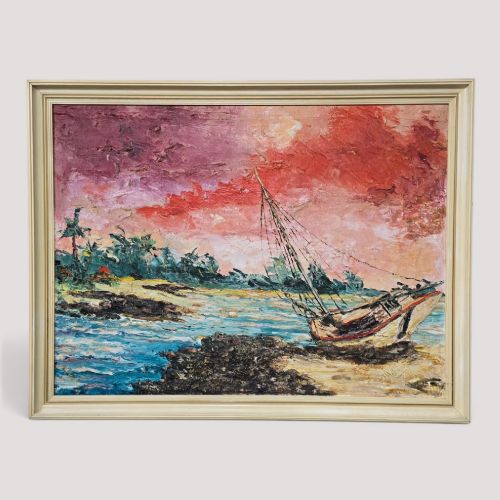
Artists painted these scenes primarily using oil on canvas or watercolour on paper, capturing the translucent qualities of sea spray and the heavy weight of wooden hulls. Canvas supports allowed for textured impasto applications to render churning storm waves.
Listings feature works from the nineteenth century through the 1960s, executed in oil and watercolour on canvas, paper, and board.
Judging Quality
Quality rests upon the artist's understanding of maritime anatomy, rigging, and atmospheric perspective. A superior painting demonstrates accurate rendering of vessel architecture and convincing movement in water.
Handling of light sets finer works apart, particularly in how sunrise or stormy twilight reflects across the surface of the sea. The integration of the painting with its period frame also influences the overall integrity of the piece.
James Hardy·Kenneth Cozens·James Orrock·William Cannon·Eugène-Louis Gillot·William McAlpine·John Rose Miles·James Kay·William Broome·Bernard Gribble·Bonaventura Peeters·Peter Brannan·Lucy Pratt·Willem Bos·TB Hardy·John Wilson Carmichael·Nicholas Condy·William Henry Williamson·Bernard Benedict Hemy·George Stanfield Walters·Abraham Hulk I·William Frederick Settle·Elisabeth Bardon·Charles Napier Hemy·Richard Harry Carter
The Nautical Seascape Wall Art Glossary
- Watercolour
- A paint consisting of a pigment suspended in a water-soluble binder, used here on paper to render delicate coastal atmospheres and transparent seas.
- Gilt Wood
- Wood that has been treated with a thin layer of gold leaf or gilt paint, commonly found on the ornate frames enclosing these marine paintings.
- Impasto
- A technique where paint is laid on an area of the surface in thick layers, allowing brush or palette knife marks to stand visibly proud of the canvas.
- Barque
- A sailing vessel with three or more masts, frequently featured in nineteenth-century maritime oil paintings for its imposing scale.
Nautical Seascape Wall Art: Frequently Asked Questions
What periods do these paintings come from?
The selection includes works stretching from the nineteenth century through the Edwardian era and into the mid-twentieth century. Victorian pieces sit alongside later interpretations.
Dates are determined by stylistic evidence, signatures, and framing methods typical of each respective decade.
How should I hang these framed works?
These framed watercolours and oils require stable wall spaces away from direct sunlight and damp conditions. Proper picture hooks suited to the weight of gilt wood frames are essential.
Ensure adequate spacing so the individual maritime scene can be viewed without visual clutter.
Are these works original paintings?
The listings consist of original hand-painted works in oil and watercolour rather than modern reproductions. Artists applied pigment directly to canvas, board, or paper.
Signatures and period inscriptions often accompany the primary composition.
How do I identify a watercolour from an oil painting?
Watercolours are painted on paper under glass, showing translucent washes where the white of the paper illuminates the pigment. Oils utilise heavier paint layers on canvas or board.
Examining the surface texture under adequate light clarifies the medium used.