

Narrow Mahogany Cabinet
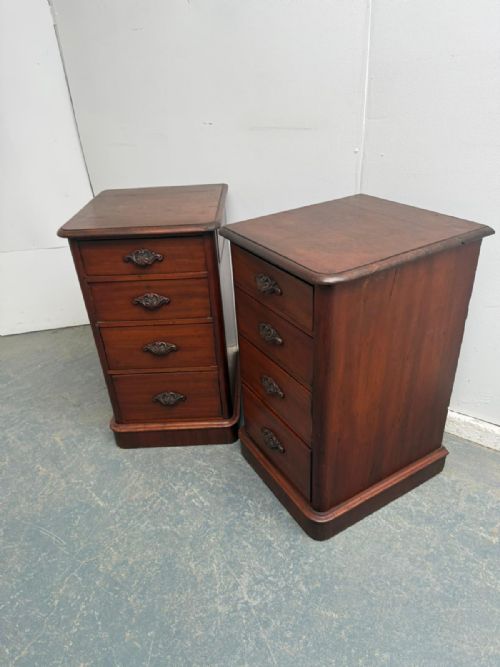
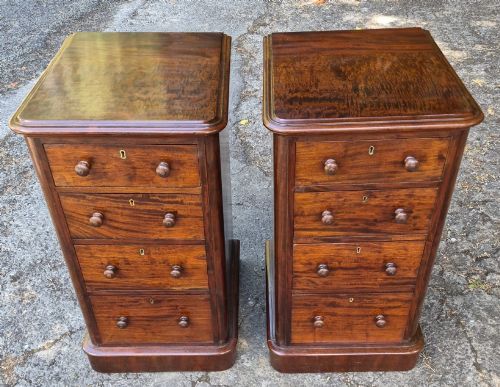
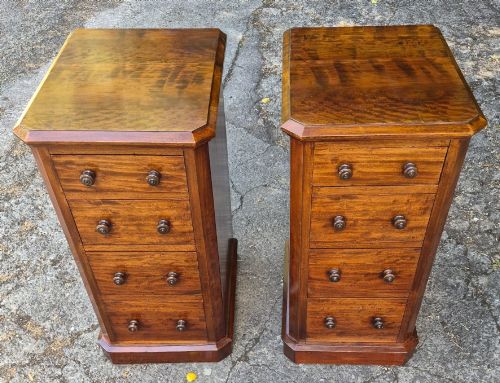
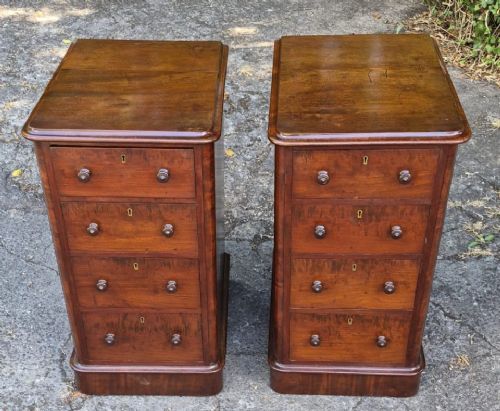
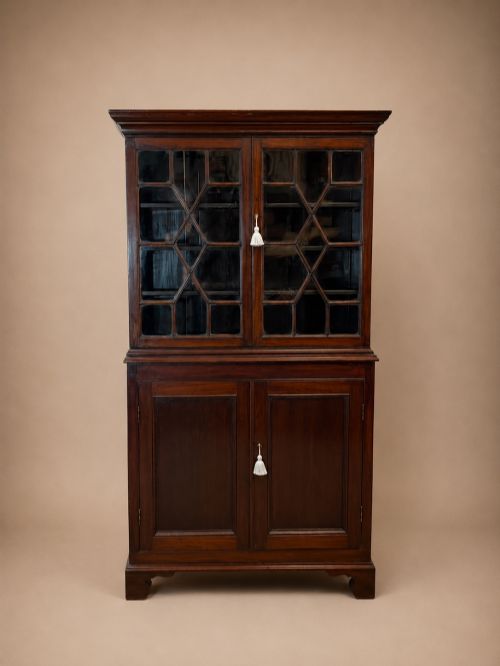
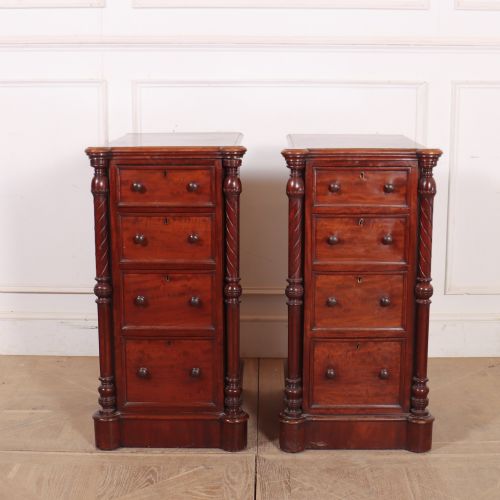
A narrow mahogany cabinet offers compact storage for tight spaces, bringing rich timber grain and traditional joinery to hallways, bedrooms and smaller sitting rooms.
Narrow Mahogany Cabinet
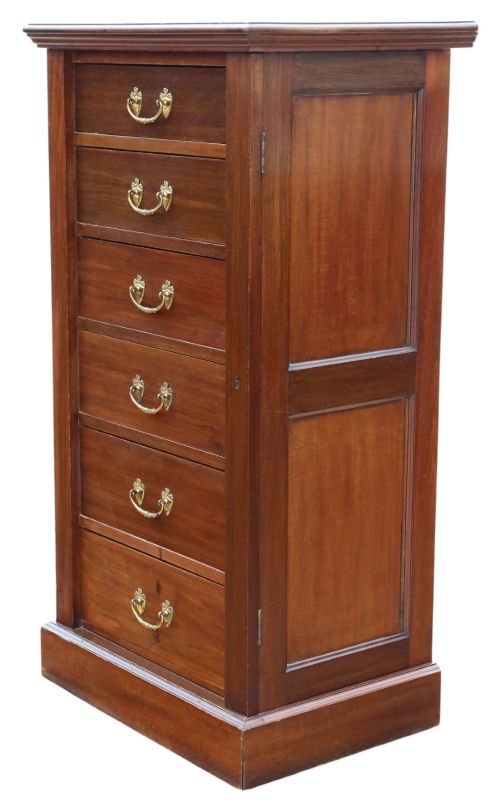
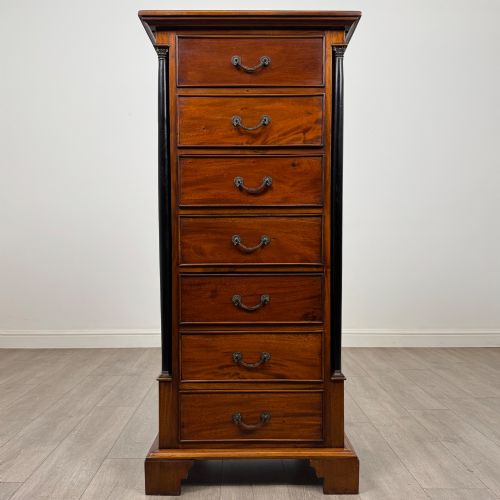
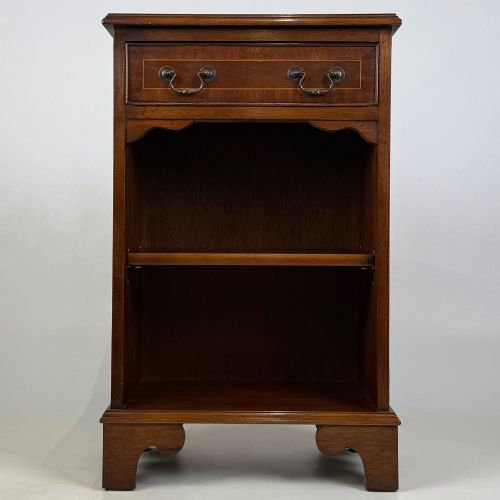
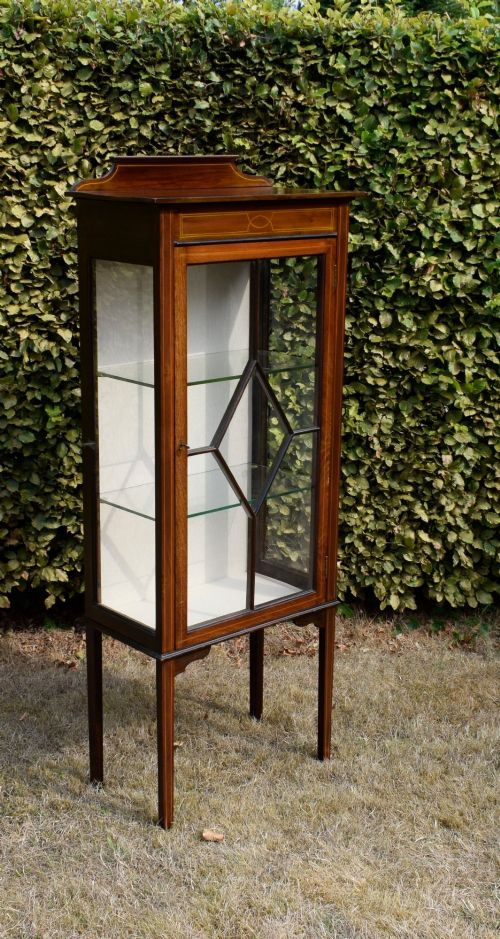
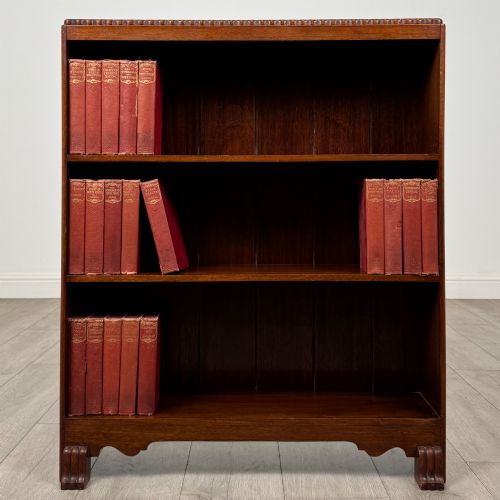
A narrow mahogany cabinet spans various practical domestic forms designed for vertical storage in confined footprints, including bedside chests, tall bookcases, side cabinets and display units. These pieces emerge across Georgian, Victorian and Edwardian periods, reflecting changing interior layouts and the enduring demand for space-efficient furniture.
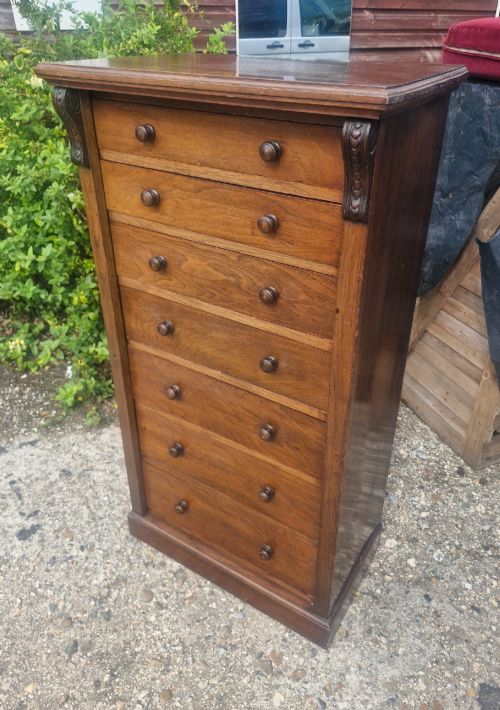
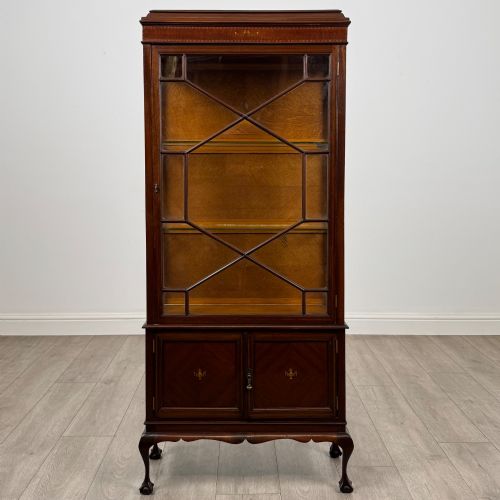
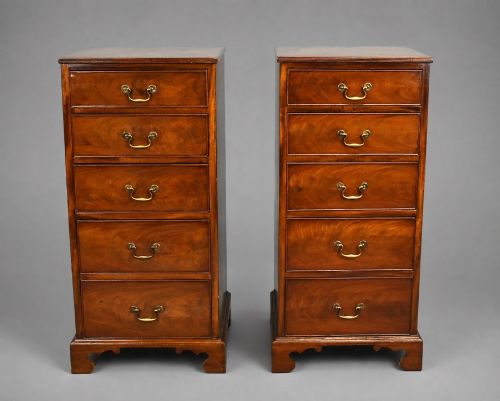
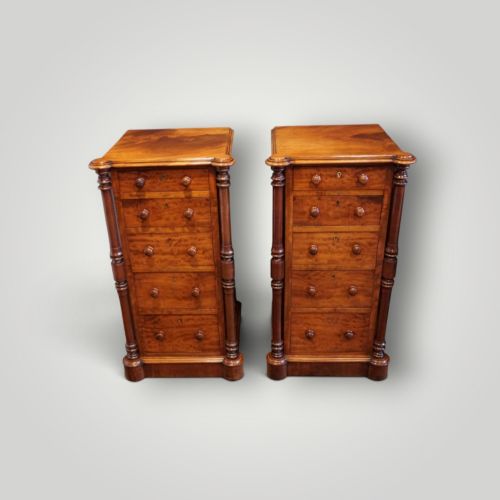
Bedside chests and tall Wellington chests dominate the surviving pieces, often featuring multiple graduated drawers or locking mechanisms. Display cabinets and bookcases incorporate glass doors or open shelving, while side and corner cabinets utilise awkward room angles to maximise storage without crowding the floor area.
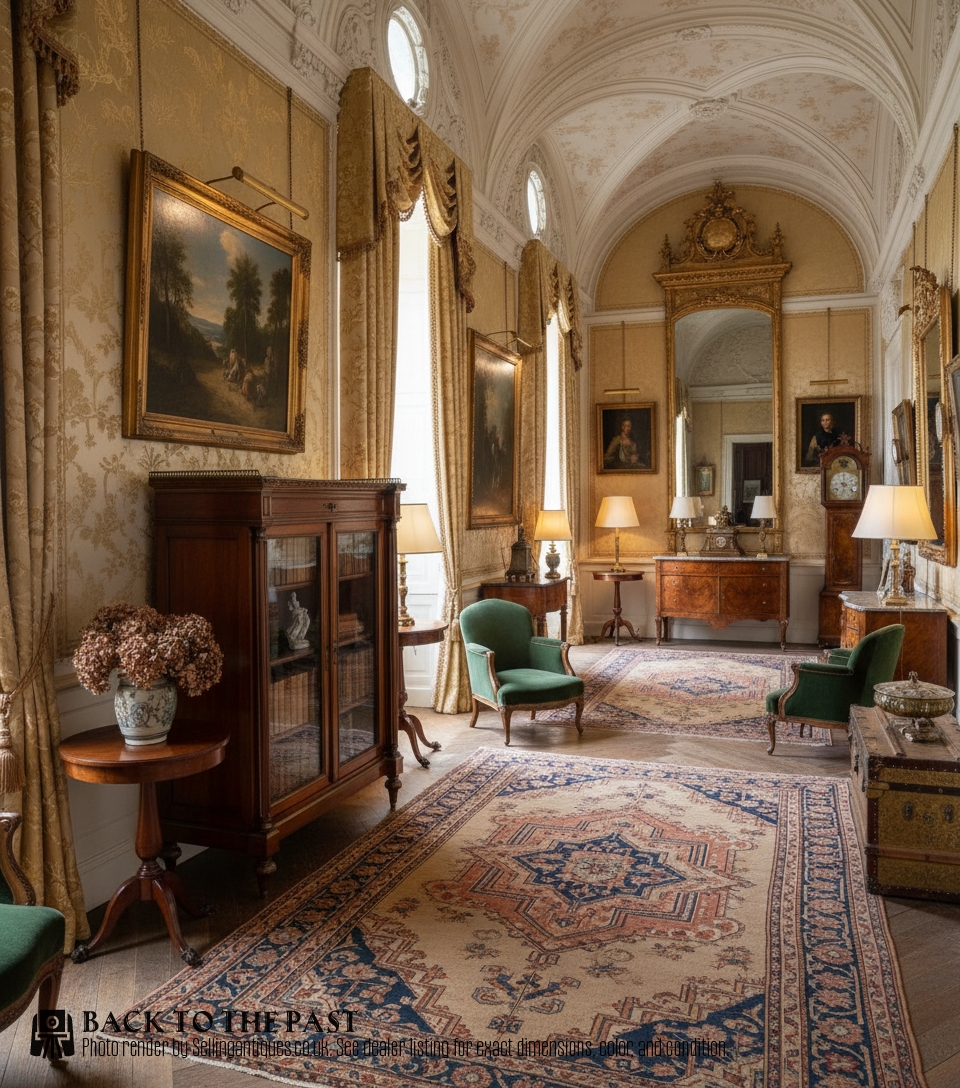
Materials and construction
Makers construct these cabinets using solid mahogany and figured mahogany veneers applied to secondary woods, occasionally incorporating satinwood stringing, brass handles and glazed panels. Timber selection prioritises rich grain patterns, particularly flame mahogany and straight-grained stock suited to narrow vertical proportions.
Joinery relies on traditional methods such as dovetailed drawer construction and mortise and tenon frames to maintain structural rigidity over tall, slender forms. Cabinets finished in the Edwardian and late Victorian eras frequently display delicate line inlay or contrasting wood banding alongside turned wooden knobs.
Narrow Mahogany Cabinet Retail Price Guide 2026
Typical asking prices for narrow mahogany cabinet among the pieces listed under this phrase on Sellingantiques today, from the lower quarter to the upper quarter. They describe what is for sale here now, not the wider market.
Several narrow cabinets measure a neat thirty-seven centimetres wide, proving that nineteenth-century makers understood modern tight spaces.
Distinctions in craftsmanship
Quality separates cabinets by the selection of figured timber veneers, the precision of inlaid banding, and the retention of original brass or turned wooden hardware. Superior pieces exhibit carefully matched grain patterns across drawer fronts and doors rather than random timber cuts.
Internal construction dictates durability, with solid mahogany drawer linings, cleanly cut dovetails and smooth-running drawer runners marking the upper tier of production. Simpler workshops produced plainer carcasses using secondary woods for drawer sides and minimal decorative detailing.
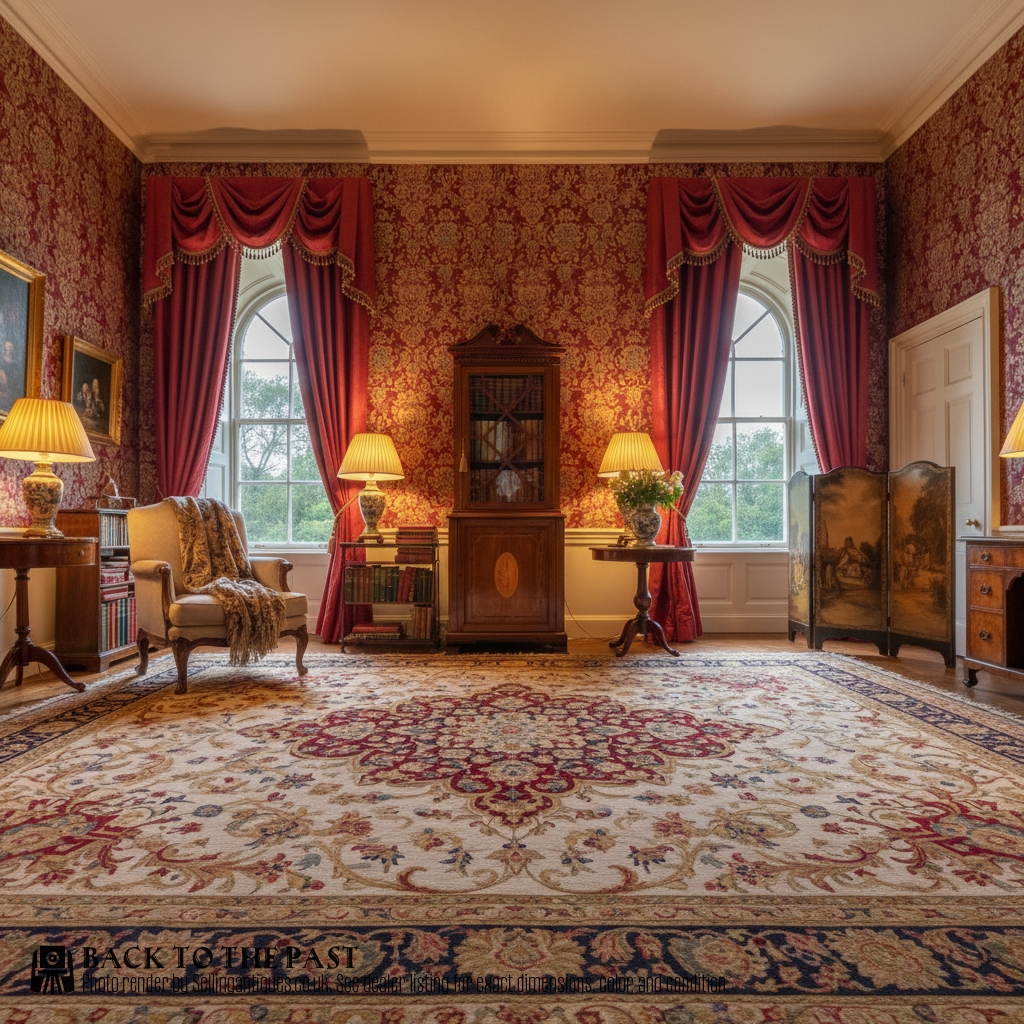
Warings Liverpool·Gillows of Lancaster·Maple & Co
The Narrow Mahogany Cabinet Glossary
- Wellington chest
- A tall, narrow chest of drawers secured by a hinged locking side stile that fastens with a key. This design originated in the nineteenth century to protect papers and valuables.
- Veneer
- A thin slice of figured mahogany applied to a stable secondary timber carcass to create decorative surface patterns. It allows makers to display rich grain without using solid boards of prone timber.
- Astragal glazing
- Wooden bars dividing glass panes within a cabinet door into smaller geometric sections. This technique appears frequently on Edwardian and Georgian bookcase and display cabinet doors.
- Inlay
- Contrasting woods such as satinwood or boxwood set flush into the mahogany surface to form geometric lines or decorative motifs. It defines the aesthetic of late Victorian and Edwardian pieces.
- Secretaire
- A cabinet incorporating a pull-down writing drawer fitted with internal pigeonholes and small compartments. It combines desk functionality with the footprint of a compact chest.
Narrow Mahogany Cabinet: Frequently Asked Questions
Where do narrow mahogany cabinets work best?
These slender pieces suit hallways, alcoves and bedside positions where floor space is limited but vertical storage is required. Their compact footprint provides storage without overwhelming smaller rooms.
They also function effectively in studies and sitting rooms as bookcases or display units, holding books and collections while maintaining clear circulation routes through the interior.
How do I date an Edwardian cabinet?
Edwardian examples often feature lighter mahogany tones, delicate satinwood stringing, and slender proportions influenced by neoclassical revivals. Look for machine-sawn timber elements alongside hand-finished details.
Hardware on these pieces typically includes pressed brass handles or small turned wooden knobs, reflecting the manufacturing standards of the early twentieth century.
What is a Wellington chest?
A Wellington chest is a tall, narrow drawer unit characterised by a vertical locking bar hinged to one side. This locking stile secures all the drawers simultaneously when locked with a key.
Originally designed for secure storage in gentlemen's quarters, these chests offer generous vertical drawer capacity within a very small floor area.
How should I care for mahogany furniture?
Maintain mahogany surfaces by dusting with a soft cloth and avoiding silicone-based sprays that build up residue over time. Apply a traditional beeswax polish occasionally to nourish the timber grain.
Keep cabinets away from direct heat sources and strong sunlight to prevent the timber from drying out, fading, or developing shrinkage splits in the veneer.