

Napoleon III Chair
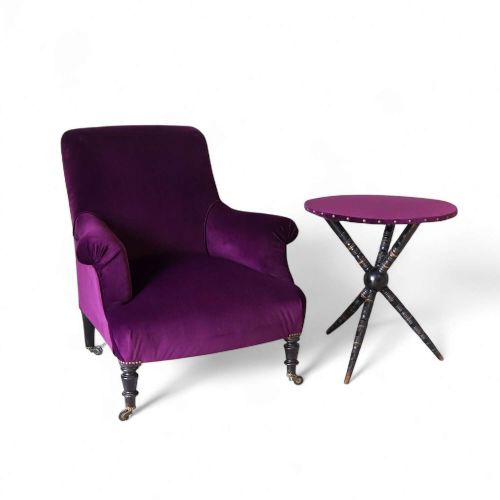
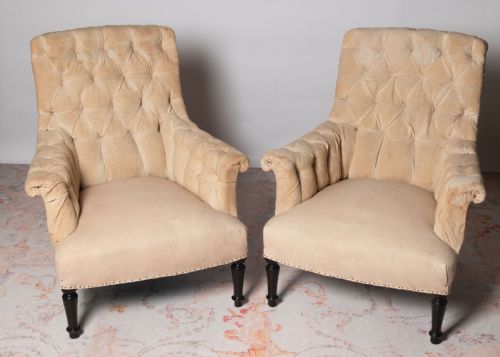
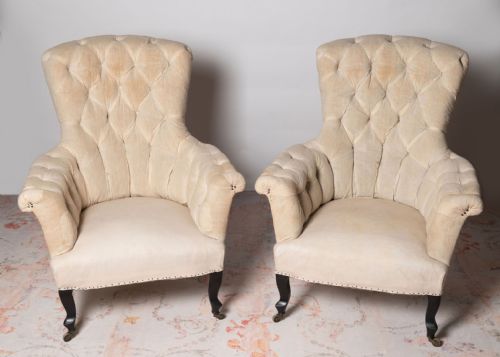
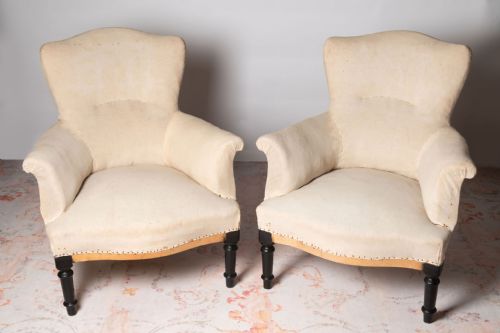
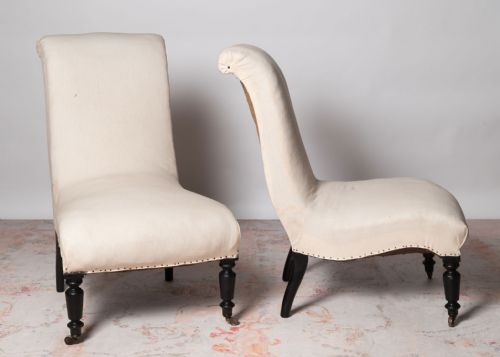
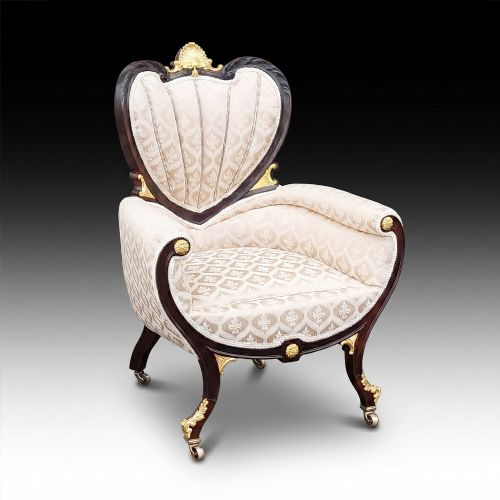
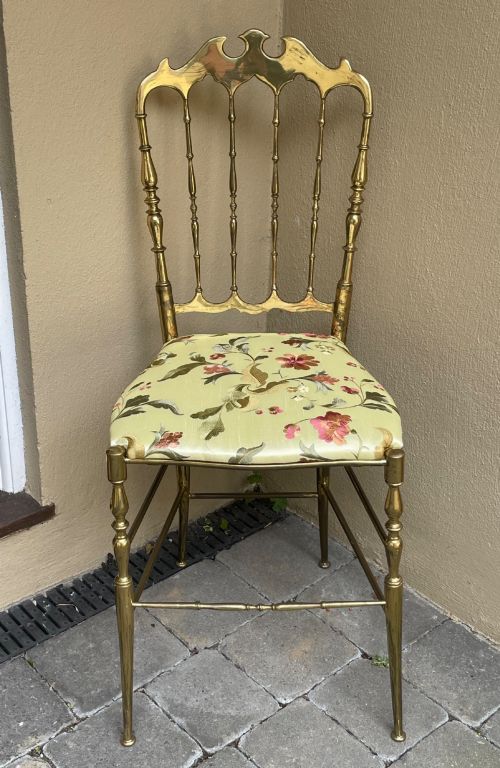
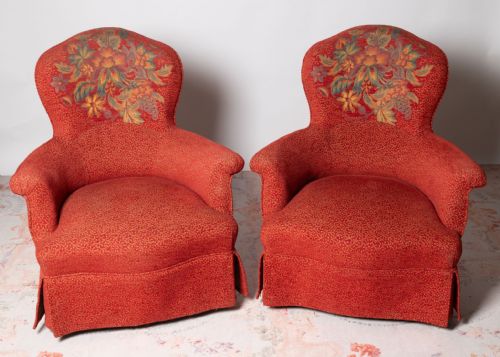
These pieces are a napoleon iii chair, offering generous nineteenth-century seating and decorative presence.
Forms and Origins
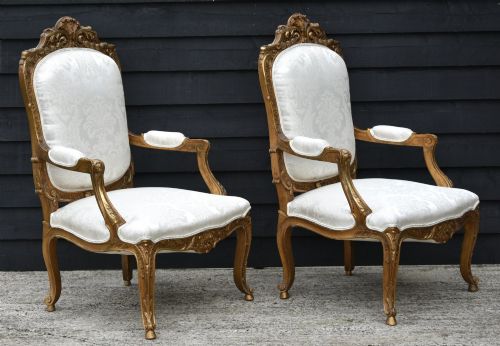
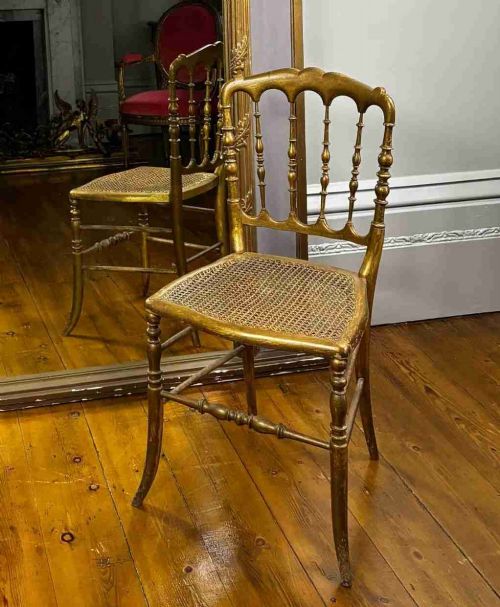
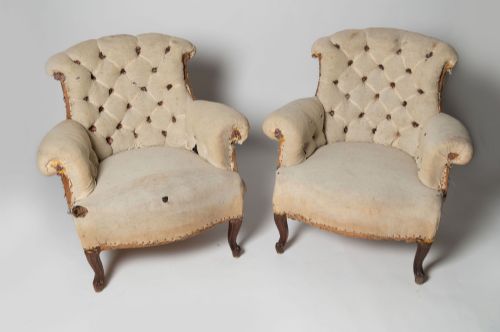
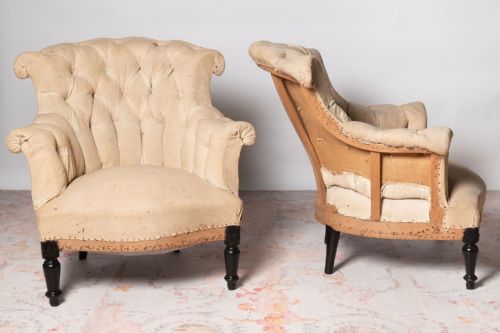
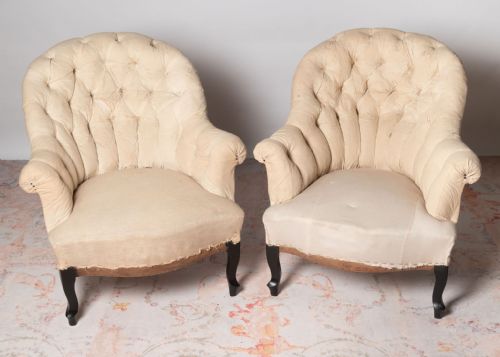
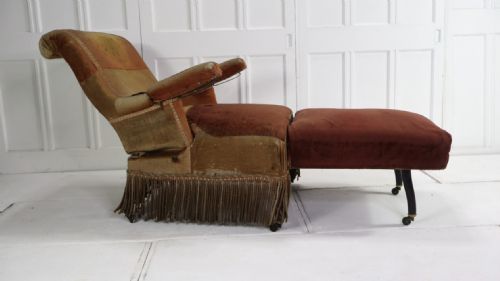
A napoleon iii chair encompasses a variety of nineteenth-century French seating forms, from grand buttoned armchairs to low slipper chairs and gilded salon chairs. The evidence records numerous armchairs alongside tub chairs, spoon back chairs, and scroll back designs.
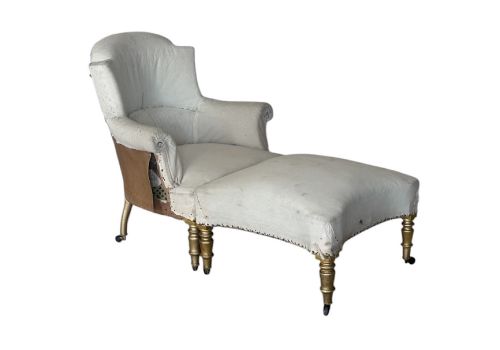
Buyers encounter pieces upholstered in velvet, calico, ticking, and hessian, or presented in raw timber and un-upholstered states for restoration. Frames appear in ebonised wood and giltwood, reflecting French nineteenth-century design.
Materials and Construction
Makers utilised timber frames constructed from ebonised wood or giltwood, supplemented by brass details. Seating structures often incorporate traditional stuffing covered in hessian, calico, or velvet.
Upholstery methods rely heavily on buttoning techniques across curved backs, scroll backs, and tub shapes. Frames feature exposed woodwork or complete fabric coverings designed for domestic comfort.
Retail Price Guide 2026
Typical UK retail prices for napoleon iii chair, calculated from the Sellingantiques database of over a million retail prices indexed since 2003. This retail price guide relies exclusively on Sellingantiques data; no external sources or auction records are used, so the figures do not describe the wider market.
Listings feature materials including brass, calico, velvet, wood, timber, hessian, ebonised wood, and giltwood across nineteenth-century items.
Craftsmanship and Proportion
Superior examples demonstrate refined shaping in the woodwork, such as crisp giltwood carving or dense ebonised finishes. The integrity of the sprung foundation and the precision of the buttoning distinguish finer pieces from simpler forms.
The choice of covering material, from designer velvet to crisp ticking and heavy hessian, alters the character of the piece. Proportion in the curved, scroll, or spoon back structures dictates the visual balance.
The Napoleon III Chair Glossary
- Giltwood
- Wood carved and coated with a thin layer of gold leaf. This finish appears on nineteenth-century salon chairs.
- Ebonised Wood
- Timber treated to resemble ebony, providing a dark, polished finish. It frequently defines nineteenth-century chair frames.
- Tub Chair
- An upholstered armchair with a rounded, enclosed back and arms forming a continuous curved barrier. This shape offers deep seating.
- Spoon Back
- An upholstered chair back shaped like the bowl of a spoon, providing ergonomic lumbar support. It is a common nineteenth-century feature.
- Hessian
- A coarse woven fabric typically made from jute fibres, used internally for upholstery support and webbing. It appears beneath outer covers on period seating.
Frequently Asked Questions
What is a napoleon iii chair?
A napoleon iii chair is a nineteenth-century French seating option characterised by sprung upholstery, buttoned backs, and diverse timber frames.
These pieces range from low slipper chairs to grand armchairs upholstered in velvet or ticking.
How were these chairs used?
They served as comfortable drawing room seating, parlour armchairs, and decorative salon chairs during the nineteenth century.
Their various forms accommodated reading, lounging, and formal entertaining in period interiors.
Are un-upholstered chairs available?
Several pieces are listed specifically for upholstery or recovering, exposing the raw timber frame and internal webbing.
This allows buyers to choose their own covering materials, such as velvet or ticking.
What wood types appear on frames?
Frames are constructed from timber, ebonised wood, and giltwood, sometimes accented with brass fittings.
The woodwork ranges from plain exposed timber to heavily carved and gilded surfaces.