




Multicoloured Wool Textile
A multicoloured wool textile brings rich nomadic artistry and centuries of tactile warmth straight into your interior.
Multicoloured Wool Textile
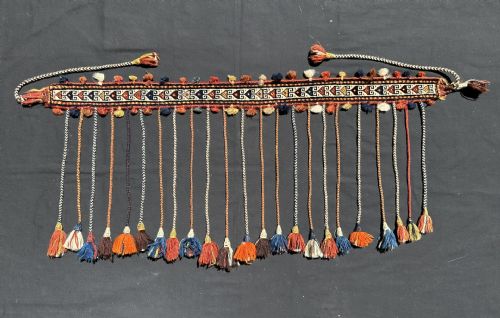
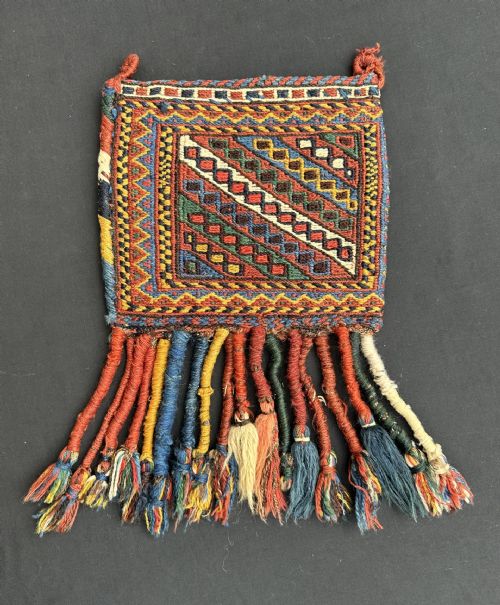
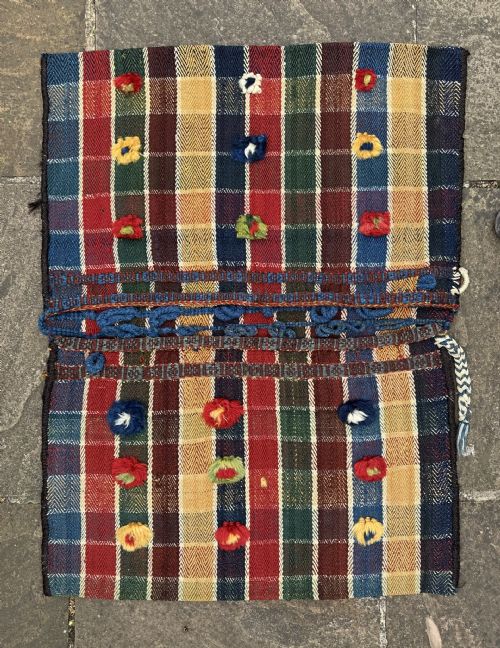
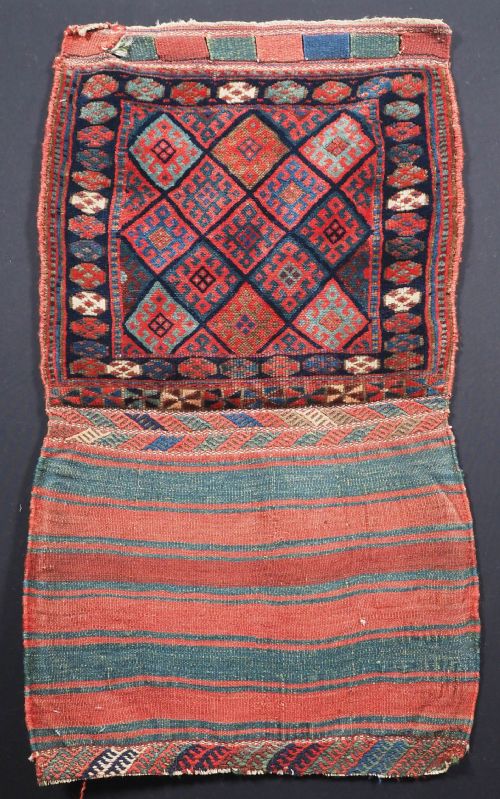
When you search for a multicoloured wool textile, you encounter an array of tribal bags, wall hangings, and decorative flatweaves originating primarily from Persian and Central Asian nomadic groups. These pieces span from the late nineteenth century into the early twentieth century, alongside earlier European textile examples such as seventeenth century cushion covers and French tapestries.
The objects serve as tangible fragments of tribal heritage, displaying functional designs transformed into vibrant decorative items through skilled regional weaving traditions.
How they were made
Makers utilised resilient wool paired with cotton and silk foundations, often incorporating natural dyes to achieve deep and varied hues across the surface. Additional elements such as cowrie shells, brass, linen, and wood appear on specific storage pouches and bags for structural or decorative enhancement.
Techniques range from nomadic pile weaving and intricate flatweaves to traditional embroidery styles seen in Central Asian suzani kilims and European tapestry work.
Listings span from the seventeenth century through to the early twentieth century, incorporating wool, cotton, silk, and natural dyes.
What varies in quality
The standard of a multicoloured wool textile depends on the density of the weave, the complexity of the tribal iconography, and the vibrancy preserved within the natural dyes. Superior pieces demonstrate exceptional fineness in knotting or stitching alongside intact original plain weave backs and structural elements.
Condition and completeness dictate distinction, particularly when original backing materials, cowrie shell embellishments, or structural supports remain undisturbed over generations of use.
The Multicoloured Wool Textile Glossary
- Torba
- A small hanging bag produced by Central Asian nomadic tribes for domestic storage.
- Sofreh
- A woven spread or cloth traditionally used for serving bread or sharing meals in Persian households.
- Rya
- A traditional Scandinavian piled rug known for its long, thick wool pile and folk art patterns.
- Suzani
- An embroidered tribal textile originating from Central Asia, typically worked in silk or wool on a cotton ground.
- Flatweave
- A textile produced without pile by interlocking warp and weft threads together.
Multicoloured Wool Textile: Frequently Asked Questions
How were tribal bags used?
Nomadic groups utilised these bags inside tents for storing salt, utensils, vanity items, or personal possessions during seasonal migrations.
Over time, these utilitarian objects became valued decorative items due to their intricate wool work and cultural designs.
Where do most of these textiles originate?
The majority originate from Persian tribal confederacies in the Fars and Kerman provinces, as well as Central Asian regions associated with Uzbek and Lakai groups.
European examples from France and Scandinavia also appear among the selection.
How do I care for an old wool textile?
Keep the textile away from direct sunlight to protect the natural dyes from fading over prolonged periods.
Gentle vacuuming with a mesh screen or professional textile cleaning helps preserve the wool fibres without causing damage.
Can these textiles be hung on walls?
Many of these pieces function well as wall hangings, provided you use a padded sleeve or proper mounting support to distribute the weight evenly.
Hanging protects the textile from floor wear while displaying the detailed patterns fully.