




Woven Persian Wall Hanging
When you search for a woven persian wall hanging, you are seeking the tactile warmth and geometric rhythm of nomadic textiles.
Woven Persian Wall Hanging
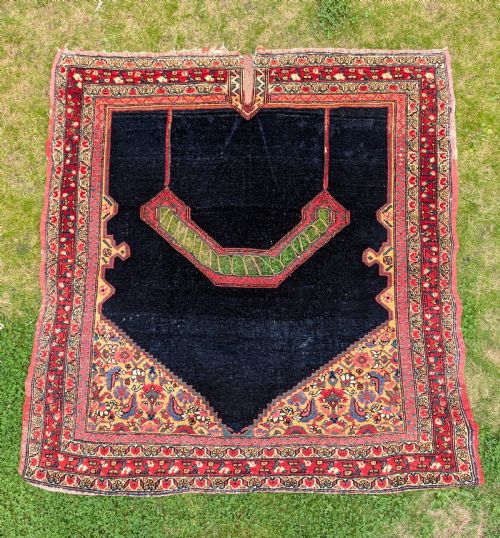
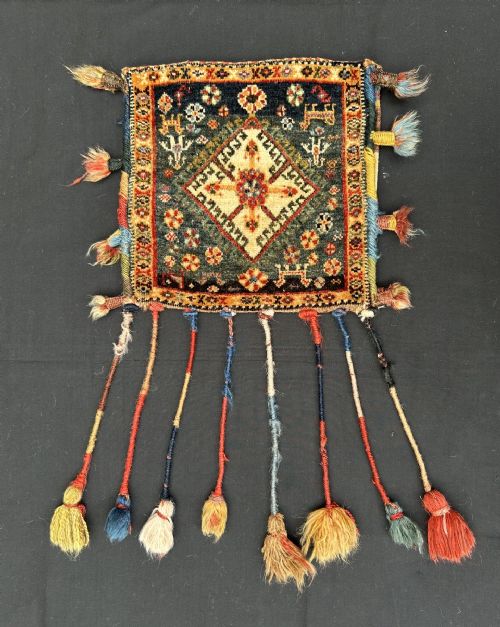
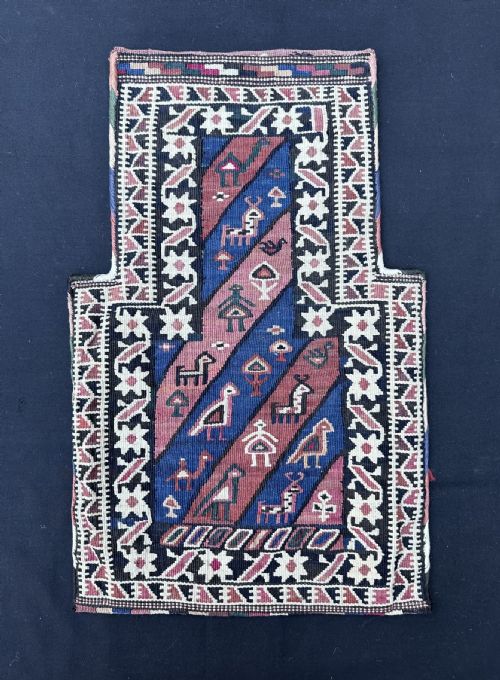
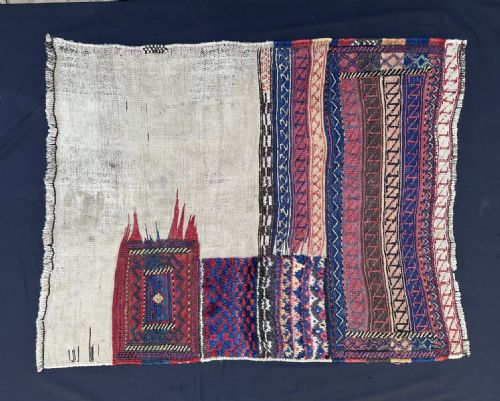
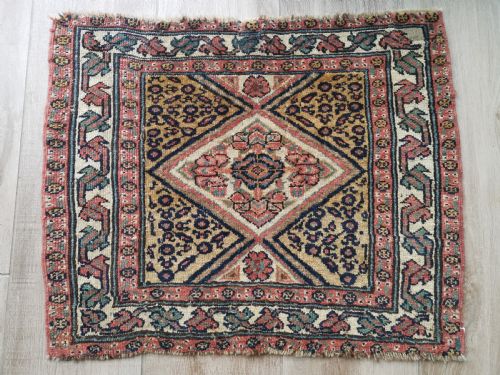
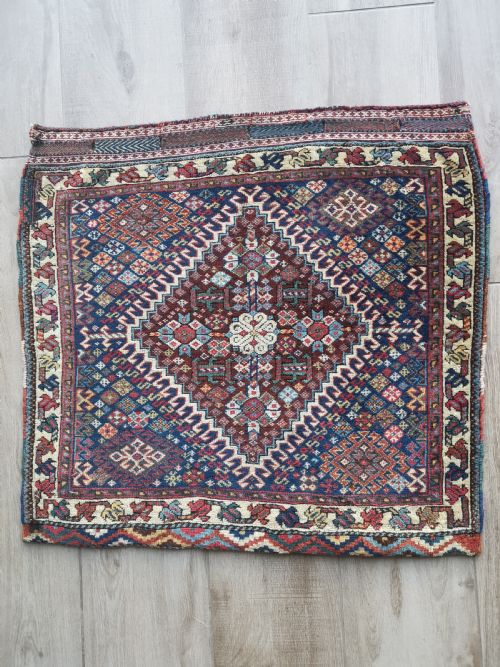
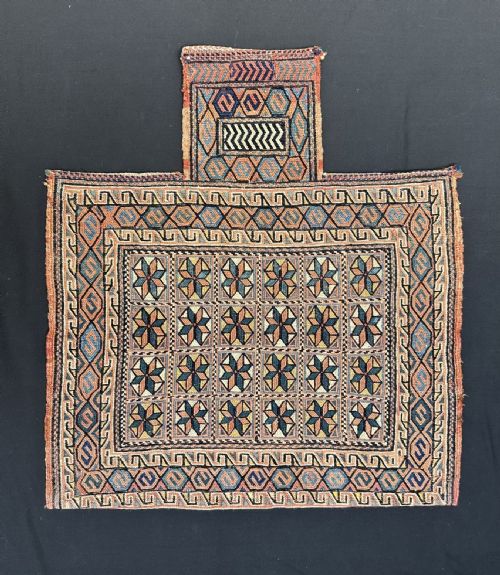
A woven persian wall hanging typically originates as a utilitarian nomadic textile repurposed for display, spanning bagfaces, saddle covers, salt-bags, and sofreh bread cloths. These pieces come from tribal confederacies and regional groups such as the Qashqai, Afshar, Shahsavan, and Baluch, created across the nineteenth and early twentieth centuries.
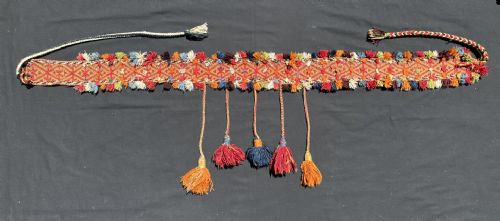
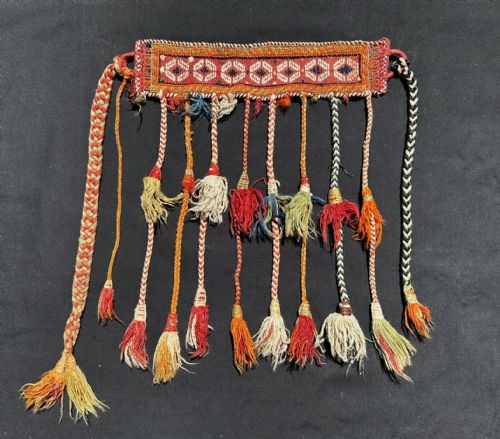
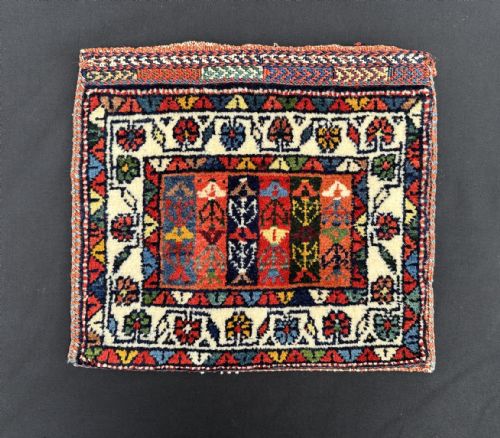
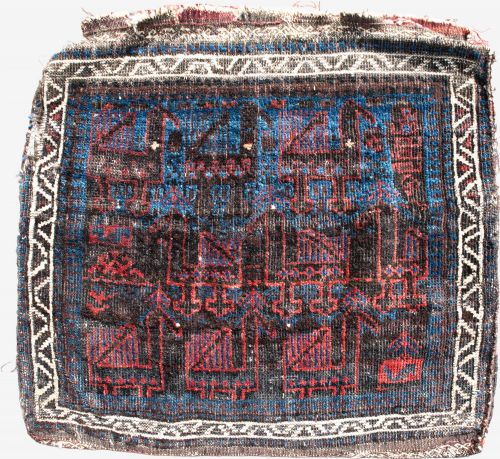
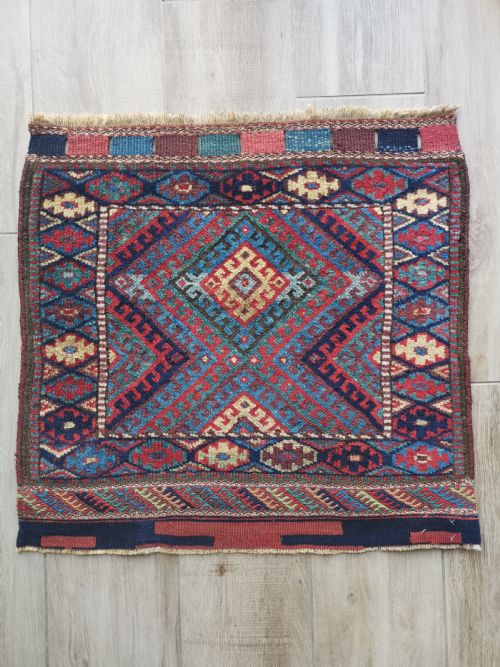
The objects encountered most frequently on this page are bagfaces, chantehs, and small animal trappings, which translate readily to wall display due to their compact dimensions and self-contained composition.
Makers utilised traditional regional motifs, geometric medallions, and animal symbols rooted in tribal identity rather than urban court designs.
How they were made
The construction relies predominantly on hand-spun wool and cotton foundations, occasionally incorporating goat hair for structural durability and natural silk in specific decorative highlights.
Weavers employed natural dyes to achieve rich saturations across pile and flatweave structures, including sumac and jajim techniques.
Additional surface texture and ornamentation sometimes involve cowrie shells or supplementary weft-wrapping.
Certain antique salt-bags and animal trappings still retain original cowrie shells, once sewn on to ward off the evil eye during migration.
What varies in quality
Quality rests in the crispness of the tribal design, the complexity of the weave structure, and the vitality of the natural dyes used across the surface.
Finer examples demonstrate exceptional wool preparation, precise handling of geometric proportions, and a well-preserved structural integrity despite utilitarian origins.
Weaker pieces exhibit muddy colour palettes, compromised foundations, or crude execution of traditional motifs.
The Woven Persian Wall Hanging Glossary
- Chanteh
- A small tribal vanity bag or container used by nomads for personal items. These pieces frequently feature intricate face designs.
- Sofreh
- A flatwoven cloth utilised for dining, kneading bread, or serving food within nomadic households. They present bold geometric fields.
- Sumac
- A warp-wrapping flatweave technique producing a textured surface resembling embroidery. It provides strong structural definition.
- Khorjin
- A traditional double saddlebag woven for transport on animals. Separated bagfaces from these sets commonly serve as wall displays.
- Jajim
- A flatwoven textile constructed from narrow strips stitched together. They display vibrant stripe patterns in wool, cotton, or silk.
Woven Persian Wall Hanging: Frequently Asked Questions
How were these bags originally used?
Nomadic tribes utilised these woven pieces for daily survival, storing provisions, salt, tobacco, or personal belongings during seasonal migrations.
They formed an essential part of domestic life and animal transport before being appreciated as decorative textile art.
How do I care for a textile on the wall?
Mounting requires a supportive backing or conservation-grade sleeve that distributes weight evenly without piercing the delicate wool and cotton foundations.
Keep the piece away from direct sunlight and damp environments to protect the natural dyes and organic fibres from fading or degradation.
How can I tell different tribal styles apart?
Distinctions lie in the specific colour palettes, structural weaves, and geometric motifs characteristic of regions like Fars, Kerman, or Khorassan.
Qashqai and Afshar pieces often display distinct medallion arrangements, while Shahsavan works frequently employ crisp sumac flatweaving.