
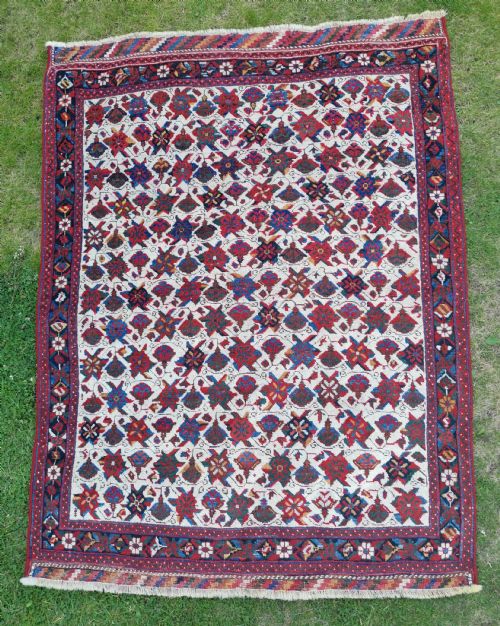
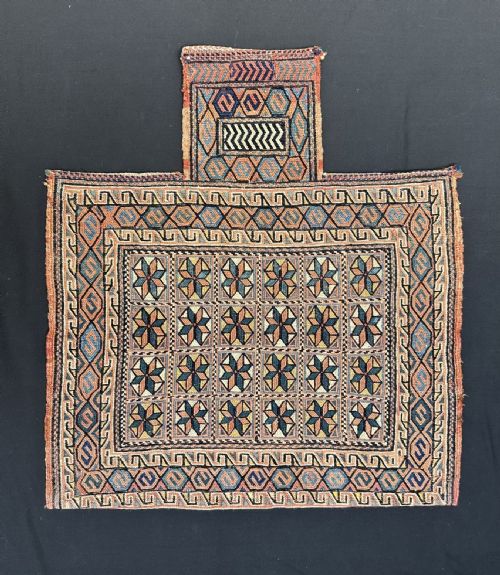

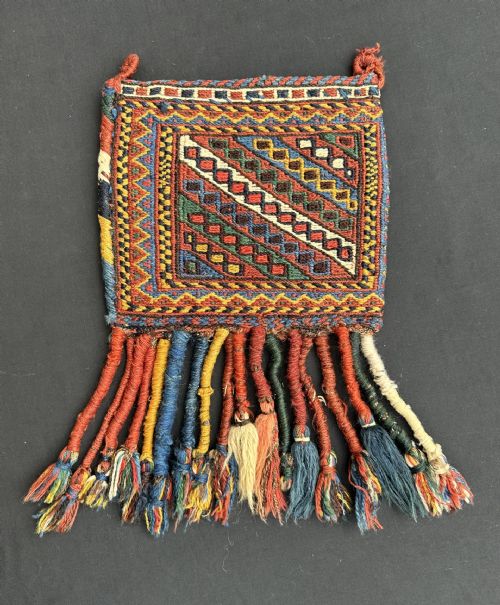


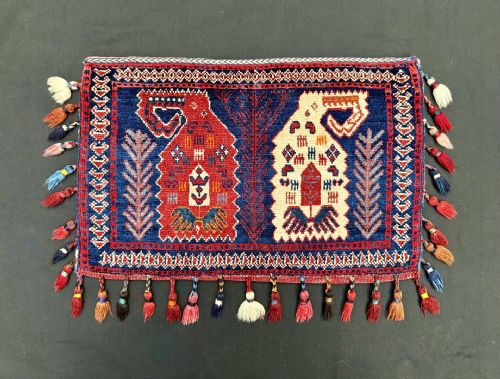


Kerman Nomadic Tribal Weaving
When you handle kerman nomadic tribal weaving, you hold dense wool and natural dyes shaped by Afshar tribes across South Persia.
Kerman Nomadic Tribal Weaving
Kerman nomadic tribal weaving encompasses authentic pieces produced by the Afshar tribes settled across the Kerman Province of South Persia. The selection centres heavily upon functional household items and personal containers created for daily nomadic existence.
Buyers will most frequently encounter specialised forms such as antique vanity bags, tobacco and pipe pouches, salt bags, and flatweave bread sofreh cloths. These domestic textiles reflect the practical requirements of pastoral life in regions like Bardsir and the Jebal Barez Mountains.
The objects span production dates from the mid-nineteenth century through the early decades of the twentieth century. Each specimen demonstrates the distinct utilitarian artistry of Persian tribal groups operating within southern territories.
Materials and Construction
The fundamental structure of these textiles relies upon durable wool pile and robust cotton foundations spun by hand. Artisans utilised natural dyes to achieve rich colour palettes that retain their character across decades of use.
Specific pieces incorporate additional decorative elements such as cowrie shells to enrich the surfaces of personal bags and storage pouches. The weaving techniques combine flatweave construction with detailed pile knotting suited to portable nomadic items.
Several antique vanity bags and salt pouches retain original cowrie shells, once believed to ward off the evil eye.
Assessing Quality and Execution
Quality in these tribal pieces rests upon the tightness of the knotting and the precision of the geometric designs executed by the weaver. Finer examples display meticulous handling of traditional motifs and superior balance within the overall composition.
The integrity of the natural dyes and the preservation of original wool surfaces further distinguish exceptional specimens from standard domestic work. Superior pieces retain structural soundness alongside clear evidence of authentic tribal usage.
The Kerman Nomadic Tribal Weaving Glossary
- Sofreh
- A flatweave cloth used for food preparation, serving, or storing bread within the nomadic tent. These textiles feature practical geometric layouts designed for communal dining.
- Chanteh
- A small personal bag or vanity pouch woven by tribal groups for carrying intimate possessions. They represent some of the most concentrated displays of nomadic weaving skill.
- Afshar
- A major Turkic tribal group residing in the Kerman Province of South Persia known for distinctive village and nomadic textile production. Their output is celebrated for bold colour combinations and crisp geometric structures.
- Flatweave
- A textile constructed without a pile by interlocking warp and weft threads together. This technique produces lightweight rugs and storage covers ideal for transport.
Kerman Nomadic Tribal Weaving: Frequently Asked Questions
What is a kerman nomadic tribal weaving?
These pieces are handmade wool textiles, storage bags, and flatweave cloths produced by Afshar tribes in the Kerman Province of South Persia. They were created for daily domestic tasks and personal use within nomadic communities.
Collectors value them for their authentic regional designs, natural dyes, and intimate connection to nineteenth-century pastoral life.
How were these tribal bags used?
Nomads utilised these bags for storing salt, tobacco, pipes, bread, and personal grooming items during seasonal migrations. Smaller pouches served as vanity bags or personal containers carried on mounts or stored inside tents.
Their robust construction protected vital provisions and personal belongings against the harsh conditions of tribal travel.
How do I date an antique rug?
Dating relies upon examining the structure, wool quality, natural dye palette, and regional design characteristics recorded in historical examples. Pieces spanning the mid-nineteenth to early twentieth centuries exhibit specific shifts in palette and knotting density.
Comparing structural markers helps place a textile within its correct production decade.
How should I display a textile?
Flatweave rugs, bread sofrehs, and half-saddlebag faces make excellent wall-hanging displays when mounted with appropriate conservation methods. Keeping them away from direct sunlight protects the natural wool and traditional dyes from fading.
Gentle vacuuming without a rotating brush helps maintain the clean condition of the pile over time.