



Multicolour Tribal Runner
A multicolour tribal runner brings bold geometry and rich regional hues to a hallway, woven by village and nomadic hands.
Multicolour Tribal Runner
When you search for a multicolour tribal runner, you are looking at elongated floor coverings woven across the Caucasus, Persia, Anatolia and Central Asia. These items serve to line corridors and narrow spaces with intricate geometric patterns created by distinct regional groups. The pieces range from flatwoven kilims to pile rugs spanning the mid-nineteenth century to the early twentieth century.
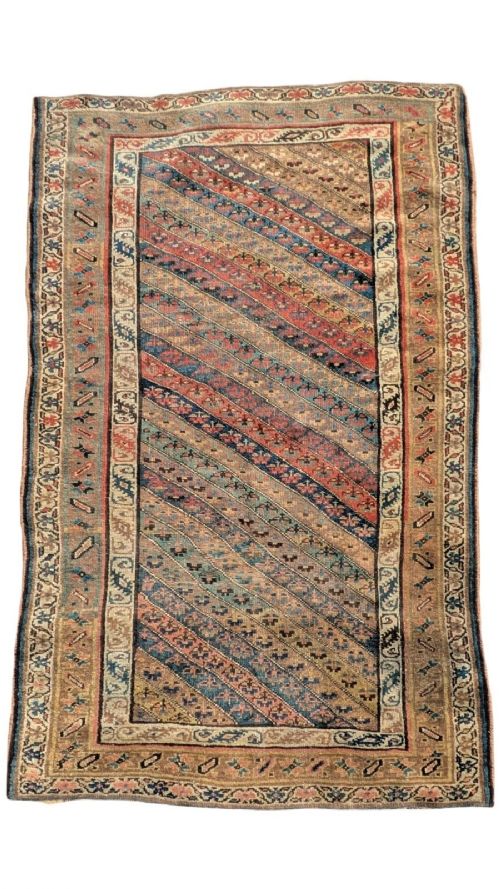
On this page, the pieces you are most likely to meet originate from Kurdish, Caucasian and Central Asian workshops or nomadic camps. They frequently display long formats designed specifically for hallways and narrow rooms. The aesthetic relies on repeat medallions, diagonal stripes, latch hooks and bold graphic bands.
Materials and construction methods
The pieces listed use wool and cotton as the primary materials for foundation and pile. Wool provides the durable surface and takes rich dye colours, while cotton often appears in the foundation warps and wefts of specific regional types.
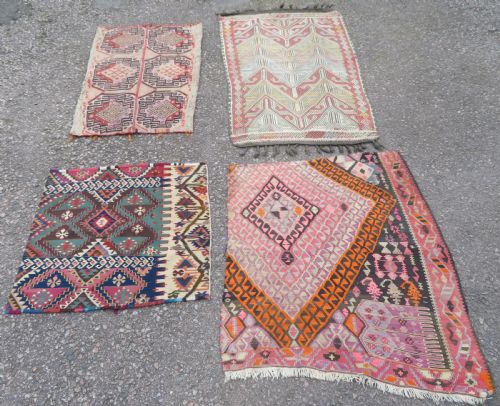
Weaving techniques vary between knotted pile construction and flatwoven kilim methods where no pile is raised. Certain larger kilims are woven in two separate parts and joined together to achieve the desired width and length.
Multicolour Tribal Runner Retail Price Guide 2026
Typical asking prices for multicolour tribal runner among the pieces listed under this phrase on Sellingantiques today, from the lower quarter to the upper quarter. They describe what is for sale here now, not the wider market.
Listings span from eighteen-fifty to nineteen-twenty, featuring wool and cotton materials across Caucasian, Persian, Anatolian and Central Asian tribal styles.
Distinctions in quality and execution
Quality separates through the tightness of the weave and the clarity of the graphic design. Finer knotting or precise flatweaving allows intricate motifs like repeat shields, shrubs and diagonal stripes to hold their crisp geometric edges.
The choice and saturation of dye colours dictate visual depth. Superior examples maintain a harmonious balance across numerous hues, whereas lesser pieces may lack the same tonal resonance and structural crispness.
The Multicolour Tribal Runner Glossary
- Kilim
- A flatwoven carpet or rug produced without a pile by tightly interweaving warp and weft strands. These pieces are typically lighter and reversible.
- Medallion
- A central decorative motif or cluster of geometric shapes set in the field of the rug. It forms the primary focal point of the composition.
- Latch hook
- A stepped, hook-like geometric ornament attached to borders or medallions. It is a defining characteristic of many tribal weaving traditions.
- Warp
- The vertical threads stretched tightly on the loom before weaving begins. The pile and weft are built upon this foundational structure.
- Boteh
- A stylised almond, pear or shrub motif of ancient Persian origin. It appears frequently in striped and field designs across regional carpets.
Multicolour Tribal Runner: Frequently Asked Questions
Where should I place a long runner?
These narrow formats suit hallways, corridors and landings where floor space is constrained yet decorative impact is desired. Their elongated proportions draw the eye along the length of the room.
Ensure you use an appropriate underlay to keep the textile stable on hard floors and prevent unnecessary sliding under foot traffic.
How do I clean an antique wool rug?
Gentle surface brushing and careful vacuuming without a rotating power brush help remove everyday dust from the wool pile. Professional specialist cleaning is recommended for deeper maintenance.
Avoid soaking the textile in water or applying harsh chemical detergents that can damage natural dyes and weaken the cotton or wool foundation.
Are these rugs suitable for heavy daily use?
Wool possesses natural resilience and lanolin that resist dirt and wear, making these sturdy textiles well-suited for moderate corridor traffic. Regular rotation distributes footfall evenly across the length of the piece.
Placing them away from direct, harsh sunlight preserves the vibrancy of the multicolour dyes over years of enjoyment.
How can I tell regional styles apart?
Caucasian and Kurdish pieces often favour sharp geometric medallions, latch hooks and strong primary contrasts. Central Asian and Anatolian kilims frequently employ banded compositions, graphic stripes and flatwoven structures.
Examining the specific arrangement of motifs and the character of the palette helps identify the traditional weaving group behind each piece.