




Vintage Luri Runner Rug
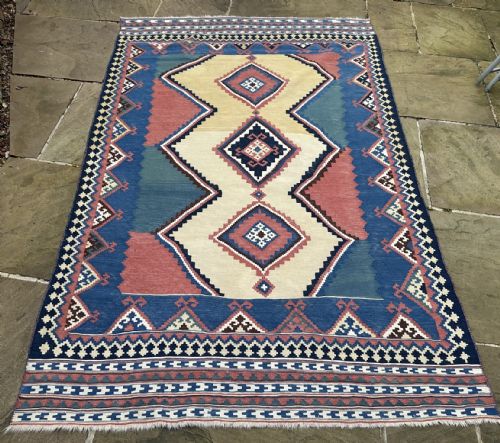
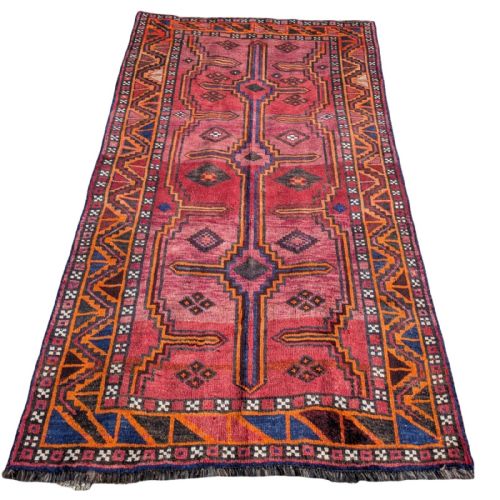
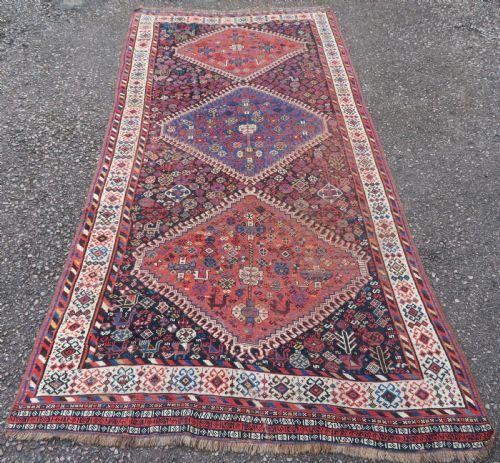
These vintage luri runner rug pieces are hand-woven tribal textiles offering geometric patterns and rich natural dyes from Western Persia.
Vintage Luri Runner Rug
When you search for a vintage luri runner rug, you examine long, narrow tribal floor coverings woven by nomadic groups in Western Persia. These textiles include specific formats like narrow runners, long rugs, and bread sofreh associated with the Luristan region.
The pieces appearing on this page span several decades from the nineteenth century through the early twentieth century. You encounter formats styled as Persian tribal rugs and kelim rugs, reflecting the traditional weaving culture of the Luri tribes.
How they were made
The construction of these pieces relies entirely on hand-spun wool combined with traditional natural dyes. Artisans weave the pile by hand, creating durable floor coverings designed for nomadic domestic use.
Makers utilise techniques passed down through generations within tribal groups such as the Luri and Luri-Bakhtiari. The resulting fabrics demonstrate a dense structure formed from locally sourced materials.
Vintage Luri Runner Rug Retail Price Guide 2026
Typical asking prices for vintage luri runner rug among the pieces listed under this phrase on Sellingantiques today, from the lower quarter to the upper quarter. They describe what is for sale here now, not the wider market.
Listings span from the nineteenth century up to nineteen-thirty, utilising hand-spun wool and natural dyes.
What varies in quality
The standard of a woven textile depends on the tightness of the weave and the clarity of the tribal motifs. Stronger wool preparation and finer knotting separate more resolved compositions from simpler examples.
Design complexity also defines the upper end of the range, particularly pieces featuring detailed tree of life imagery, birds, flowers, or intricate repeat shield patterns. Colour depth derived from natural dye sources contributes further to visual success.
The Vintage Luri Runner Rug Glossary
- Runner
- A long, narrow carpet format suited for hallways, corridors, or narrow spaces. These pieces measure significantly longer than they are wide.
- Sofreh
- A flat-woven or piled textile used traditionally for serving bread or processing dough within nomadic households. These functional cloths often double as decorative tribal rugs.
- Kelleh
- A large format rug that is longer than a standard area rug but narrower than a full carpet. This rectangular shape balances floor proportions effectively.
- Natural Dyes
- Colourants extracted from plants, roots, and minerals rather than synthetic chemical sources. These pigments produce a nuanced palette that mellows gracefully over time.
- Hand-Spun Wool
- Sheep wool processed manually into yarn using a spindle rather than industrial machinery. This method creates yarn with varied thickness and texture.
Vintage Luri Runner Rug: Frequently Asked Questions
How do I use a runner?
Runners fit naturally into narrow spaces such as hallways, corridors, or alongside beds.
Their elongated proportions guide movement through a room while introducing tribal colour and texture to bare floors.
Are these rugs durable?
The combination of hand-spun wool and dense hand-woven construction creates a robust textile built for daily wear.
Properly maintained tribal rugs withstand foot traffic in active residential areas for generations.
What motifs appear on them?
Design elements include geometric repeat shield patterns, stylized flowers, and birds.
Certain pieces incorporate symbolic imagery such as the tree of life motif reflecting traditional tribal iconography.
How do I date these pieces?
Dating relies on stylistic analysis, material composition, and structural characteristics recorded across nineteenth and early twentieth century examples.
Natural dye variations and tribal attribution help place pieces within specific decades from the eighteen-eighties onward.