





Moulded Wooden Mirror
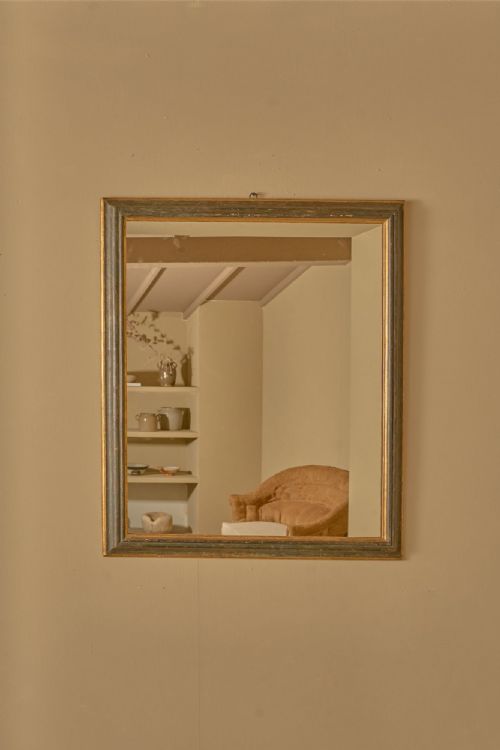
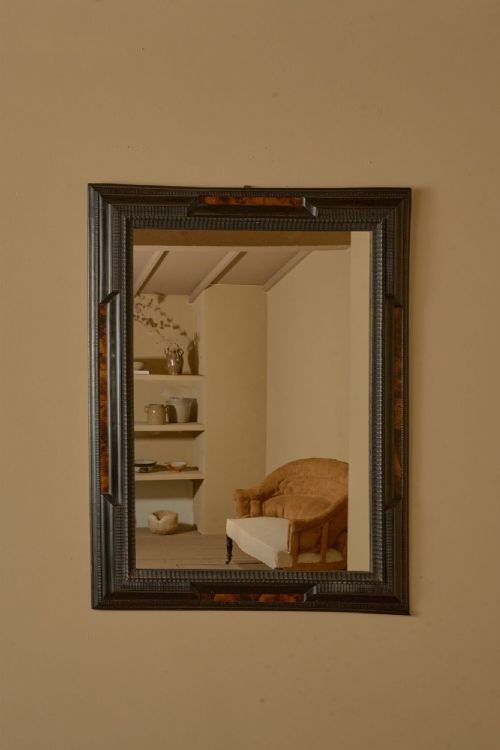
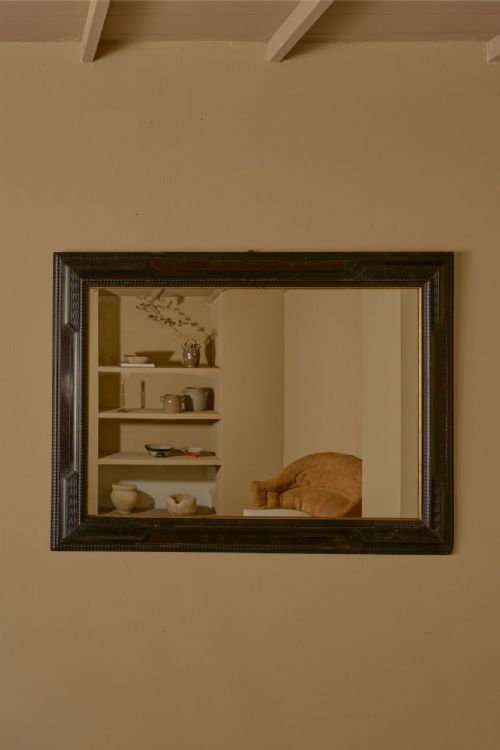
A moulded wooden mirror brings warmth and depth to a room, offering tactile timber frames shaped by hand.
Moulded Wooden Mirror
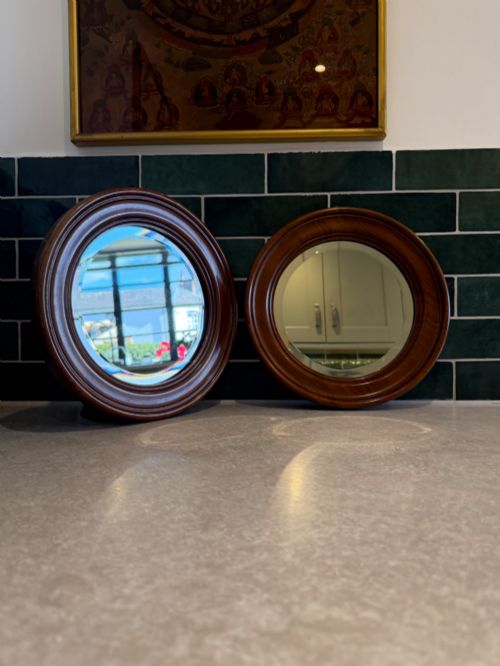
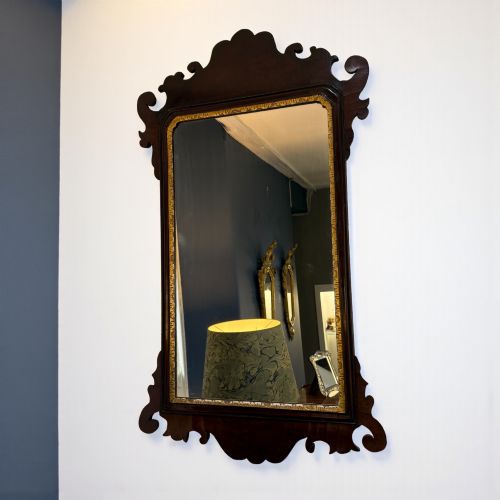
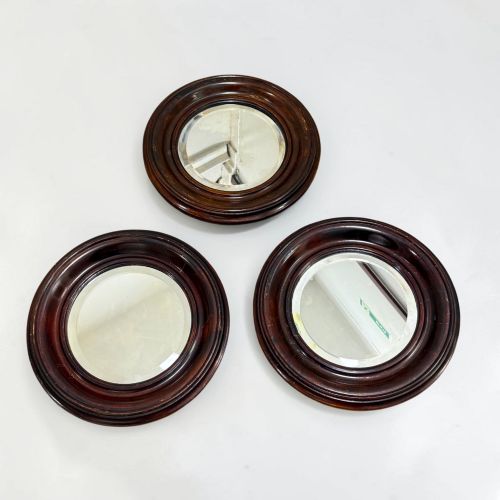
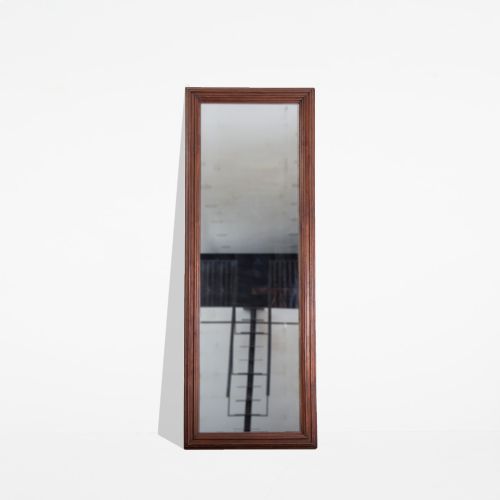
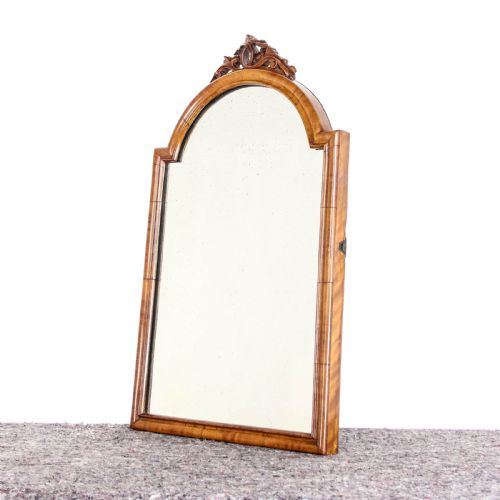
A moulded wooden mirror is a functional wall hanging framed in timber, often shaped with stepped profiles or curved contours. These pieces span centuries, encompassing Georgian proportions, Victorian heft, and mid-century modernism.
Most examples encountered here belong to the nineteenth century, finished in walnut, mahogany, oak, or maple. They appear primarily as wall mirrors and overmantel pieces designed to anchor a room.
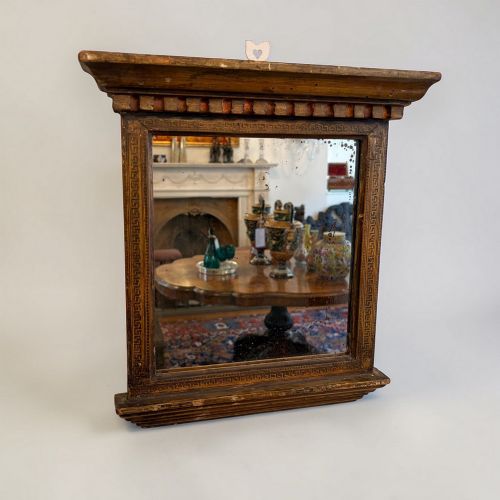
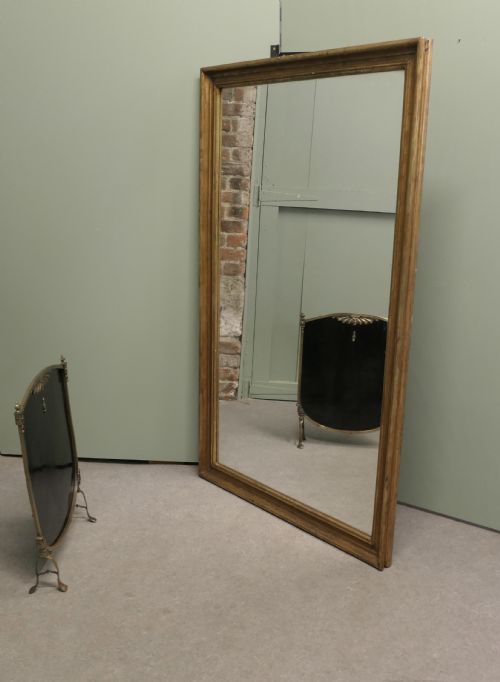
Surviving pieces range from simple domestic looking glasses to grander gilt and gesso overmantel mirrors. Their wooden surrounds tell a story of regional joinery and changing interior tastes.
How they were made
Craftsmen shaped these frames from dense hardwoods like mahogany and walnut, frequently employing intricate moulding planes to create stepped and convex profiles. Timber was selected for grain movement and stability before being joined at the mitres.
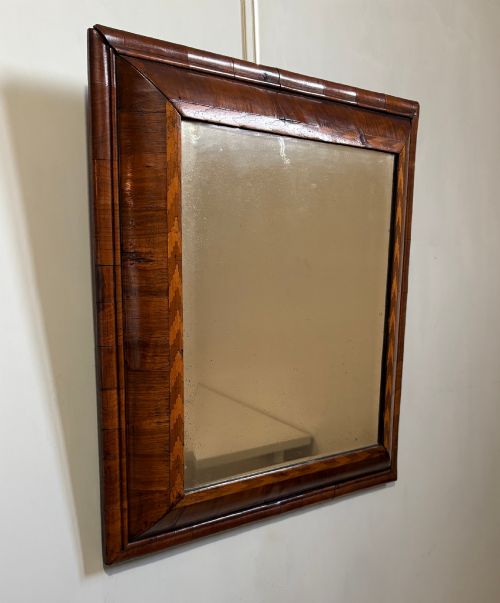
Many frames received surface treatments including gilding over gesso, dark ebonising, or oyster veneering where circular cross-sections of branchwood create intricate patterns. Mirror glass was then fitted from the rear, secured with wooden slips and protective backing boards.
Moulded Wooden Mirror Retail Price Guide 2026
Typical asking prices for moulded wooden mirror among the pieces listed under this phrase on Sellingantiques today, from the lower quarter to the upper quarter. They describe what is for sale here now, not the wider market.
Several mirrors have survived generations simply because they caught the afternoon light just right.
What varies in quality
Quality rests in the crispness of the timber moulding and the integrity of the original construction. Superior pieces display hand-cut joints that remain tight and timber selected for its rich, natural figuring.
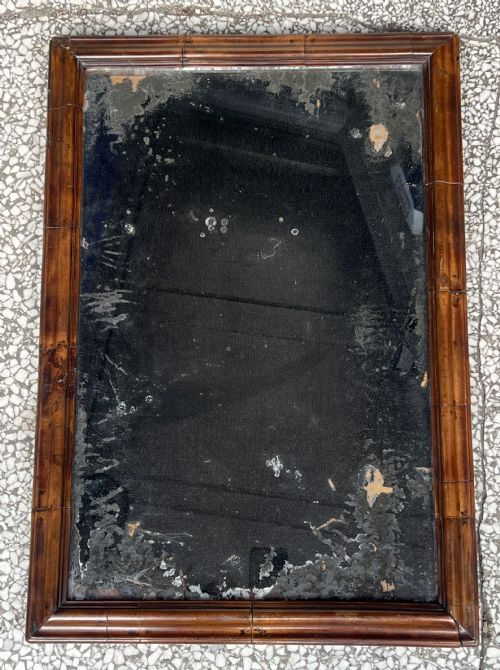
The glass itself dictates much of the character, with original bevelled plates and foxed silvering commanding greater appreciation than modern replacements. Maker attention to detail shows in the secondary woods and the weight of the hanging hardware.
The Moulded Wooden Mirror Glossary
- Gesso
- A plaster-like mixture applied to wood frames as a base for gilding or painting. It allowed makers to carve intricate relief decoration before applying gold leaf.
- Oyster veneer
- Thin slices of wood cut transversely from small branches to show concentric growth rings. This technique creates a distinctive, repeating pattern across the frame surface.
- Overmantel mirror
- A large horizontal looking glass designed specifically to hang above a fireplace mantel. These pieces often feature architectural framing to balance the hearth below.
- Foxed glass
- Mirror plate showing dark spots or silver degradation caused by age and moisture. Collectors prize this natural oxidation for the soft, atmospheric reflection it provides.
- Cushion frame
- A broad, rounded frame profile that swells outward toward the outer edge. This bulbous shape catches light differently across the wooden grain.
Moulded Wooden Mirror: Frequently Asked Questions
Are original mirror plates common?
Many pieces retain their original glass, often identifiable by subtle surface ripples, minor bubbles, or foxing. These traits confirm the age of the object.
Replacement glass appears frequently in pieces that suffered breakage during their history, which alters the visual depth of the reflection.
How should I clean a wooden frame?
Dust the timber gently with a dry, soft cloth to remove surface particles without disturbing the finish. Avoid modern chemical polishes that can soften old wax or varnish.
Apply a sparing amount of microcrystalline wax occasionally if the wood appears dry, buffing it gently to maintain a natural lustre.
How do I date a wooden mirror?
Dating relies on construction methods, timber choice, and the profile of the moulding. Georgian pieces often show simpler mahogany joinery, while Victorian examples lean towards heavier gesso and walnut.
Backboards, screw types, and the method used to bevel the glass provide further clues to the decade of manufacture.