


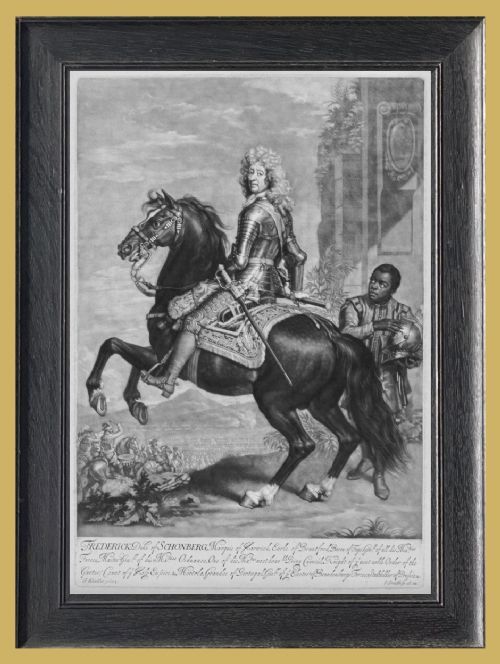
Monochrome Portrait Print
When searching for a monochrome portrait print, collectors encounter historic works on paper framed in wood and glass.
Monochrome Portrait Print
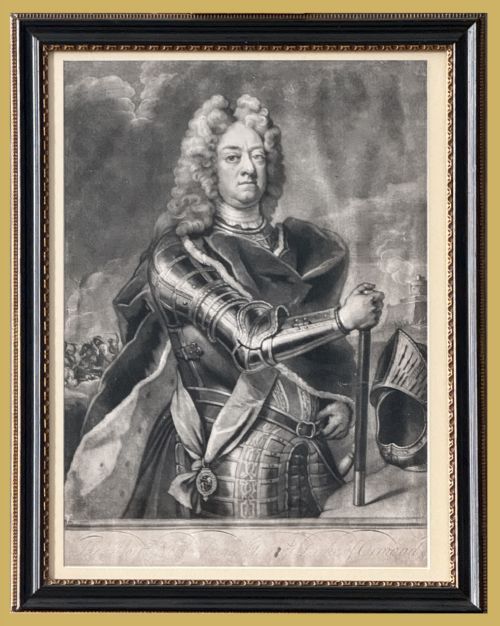
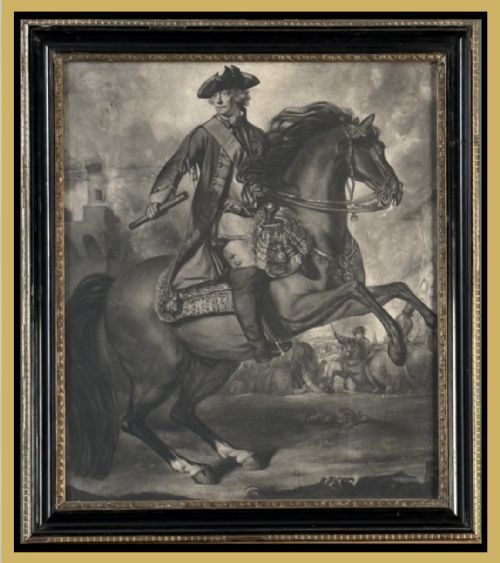
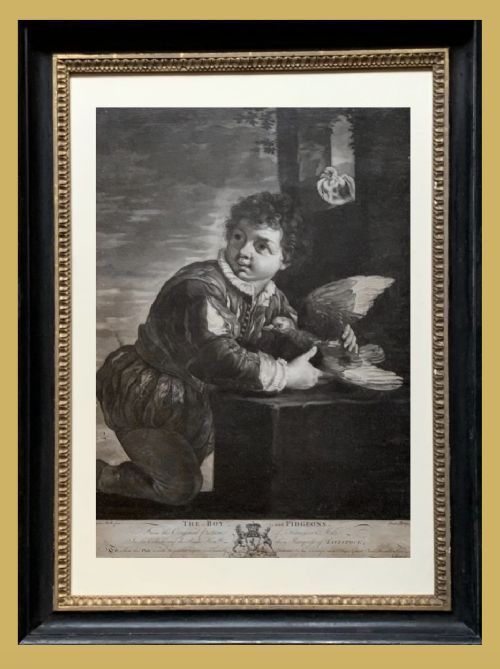
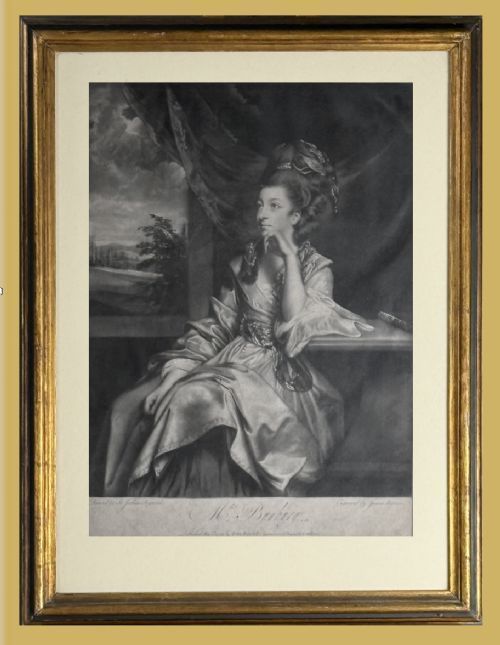
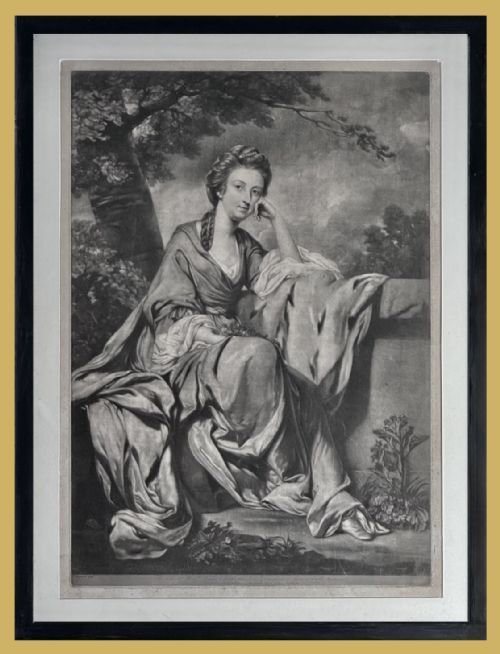
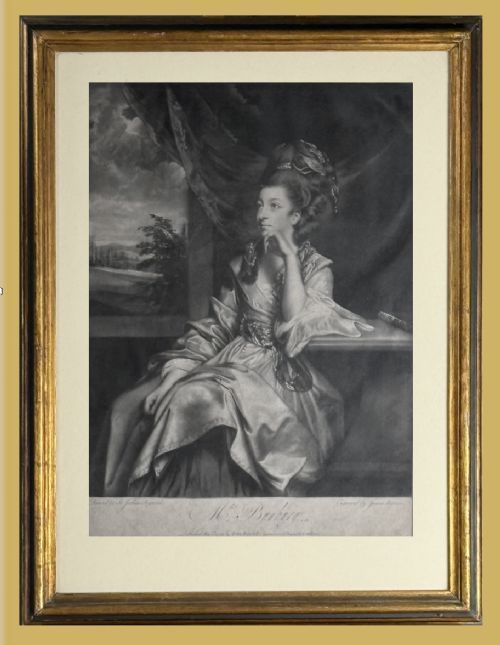
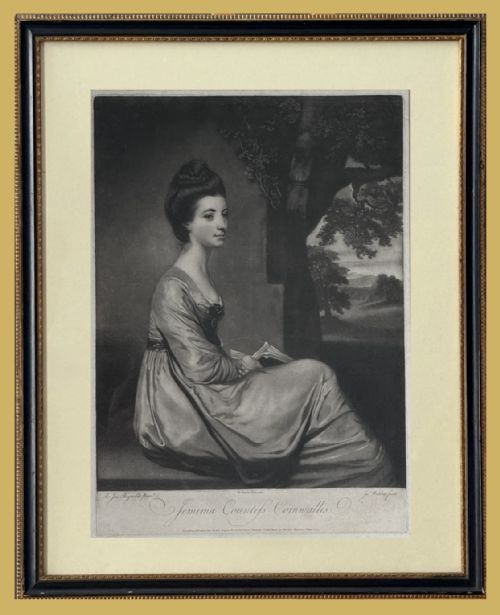
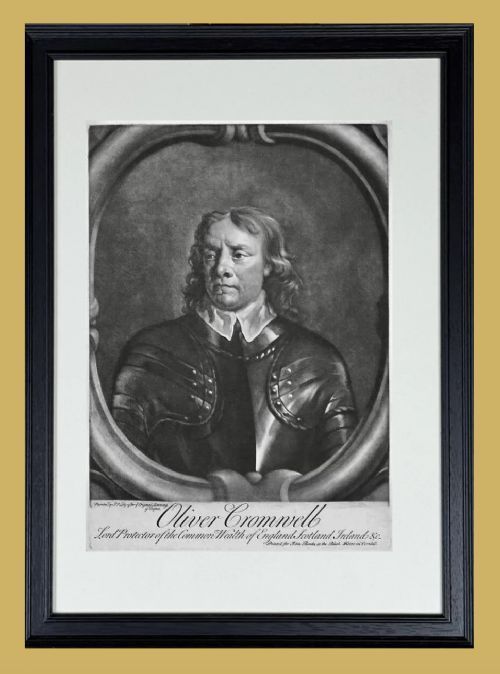
A monochrome portrait print brings historical figures, nobility and artists into domestic spaces through varied printmaking methods. When searching for a monochrome portrait print, buyers encounter works spanning from the seventeenth century through to the twentieth century.
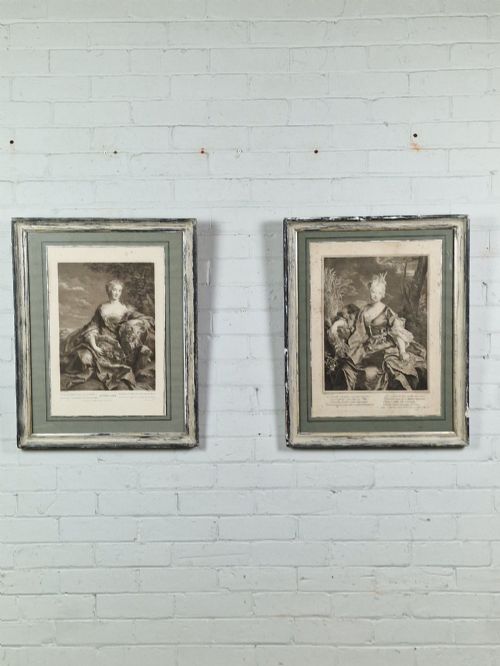
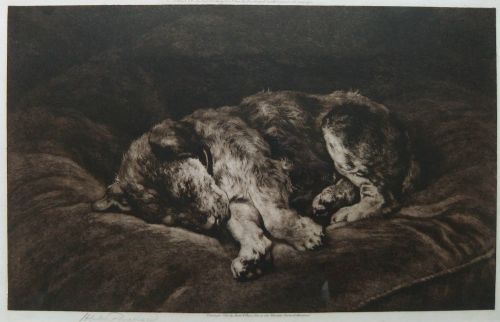
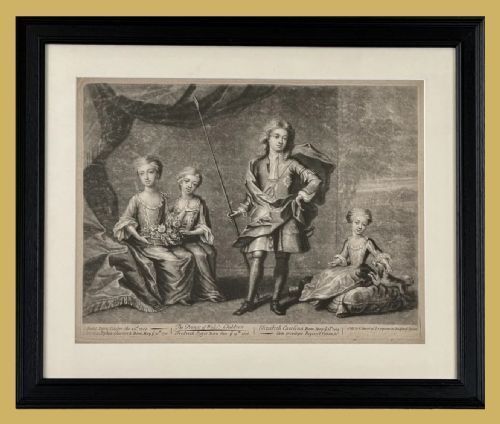
The inventory on this page consists predominantly of eighteenth-century mezzotints and engravings published alongside nineteenth-century pieces and later twentieth-century etchings. Subjects range from British monarchs and nobility to literary figures and musicians.
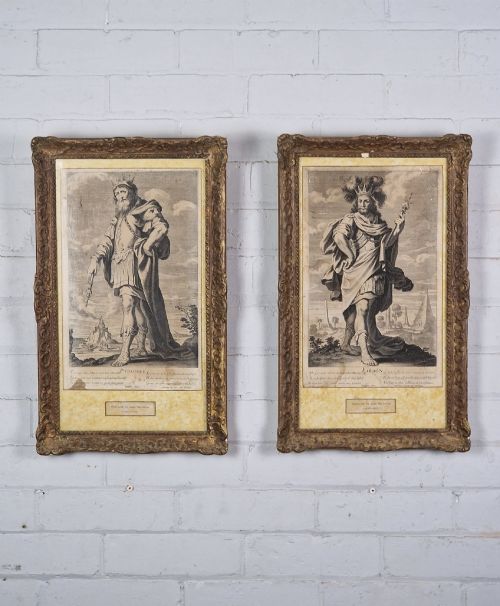
Framed works dominate the selection, often presented within period frames of ebonised wood or gilt moulding. These pieces connect modern interiors directly to historical print culture and traditional portraiture.
Materials and technique
Makers utilised paper as the primary support for ink applications, employing copper plates to transfer detailed lines and tonal gradations. Mezzotint requires roughening the metal plate to achieve smooth shadows while scraping areas to create highlights.
Engravings rely on incisions made directly into the metal plate with a sharp burin, producing crisp and precise lines. Etchings involve acid biting into the exposed metal, while drypoint scratches lines directly to produce a characteristic velvety burr.
Finished works are commonly protected beneath glass and housed within wooden frames finished with gold leaf, gilt or ebonised surfaces.
Monochrome Portrait Print Retail Price Guide 2026
Typical asking prices for monochrome portrait print among the pieces listed under this phrase on Sellingantiques today, from the lower quarter to the upper quarter. They describe what is for sale here now, not the wider market.
The inventory records print styles spanning Georgian, Baroque, Edwardian, and Victorian eras alongside French Rococo examples.
Assessing the examples
The condition of the paper surface influences overall merit, with even toning and minimal foxing preferred over heavy staining or restoration. Margins left intact around the printed image indicate that a sheet has not been aggressively trimmed.
Framing materials contribute to the integrity of the piece, where original ebonised wood or period gilt mouldings complement the age of the print.
John Simon·Edward Fisher·John Boydell·James Watson·John Smith·Joseph Sympson·Jiohan Elis Haid·W Dickinson·John Faber Snr·Thomas Frye·Richard Purcell·James Heath·Thomas Watson·Kurt Meyer Eberhardt·John Faber Jnr·Robert Williams·Valentine Green·James Macardell·Jacobus Howbraken·Richard Houston·James Ward
The Monochrome Portrait Print Glossary
- Mezzotint
- A printmaking process where the copper plate is roughened evenly to produce rich dark tones and scraped to create lighter areas. This technique allowed for subtle gradations of shadow and light in portraiture.
- Engraving
- A method of cutting design lines directly into a metal plate using a burin tool. The resulting prints exhibit sharp and defined lines.
- Etching
- A technique where acid bites lines into a metal plate through a protective wax ground. Artists draw through the ground to expose the metal before chemical biting takes place.
- Drypoint
- An intaglio printmaking method where an artist scratches directly onto the plate with a sharp needle. This process raises a burr of metal that holds extra ink during printing, creating a soft line.
- Gilt wood
- Wood carved and coated with gold leaf or metallic paint to create a reflective golden surface. It is frequently found on traditional picture frames.
Monochrome Portrait Print: Frequently Asked Questions
What is a mezzotint portrait?
A mezzotint portrait is an intaglio print created by working from dark to light on a roughened metal plate. This technique allows for rich tonal variations rather than simple line work.
Printers used this method extensively in the seventeenth and eighteenth centuries to reproduce famous oil paintings for collectors.
How should I hang these prints?
These works require placement away from direct sunlight to prevent fading of the ink and paper support. Maintaining stable indoor humidity levels also protects the paper and wooden frames from warping.
Displaying them at eye level allows the fine details of the engraving or etching to be easily observed.
Are the frames original?
Some pieces retain their period wooden frames finished in gilt or ebonised wood, while others have been reframed at later dates to ensure structural stability. Examining the joinery and backing boards helps determine the age of the frame relative to the print.
Matching a historic print with a contemporary period frame remains a common practice among collectors.
How do I identify the sitter?
Sitters are typically identified by inscriptions etched into the lower margin of the print alongside the names of the artist who painted the original portrait and the printmaker who engraved it. Biographical reference books from the period often provide further context on the lives of these figures.
Heraldic crests or titles included in the text below the image offer additional clues to the identity of the subject.