
Monochrome Classical Print
When you search for a monochrome classical print, you are looking at centuries of ink and paper recording antiquity, mythology, and academic study.
Monochrome Classical Print
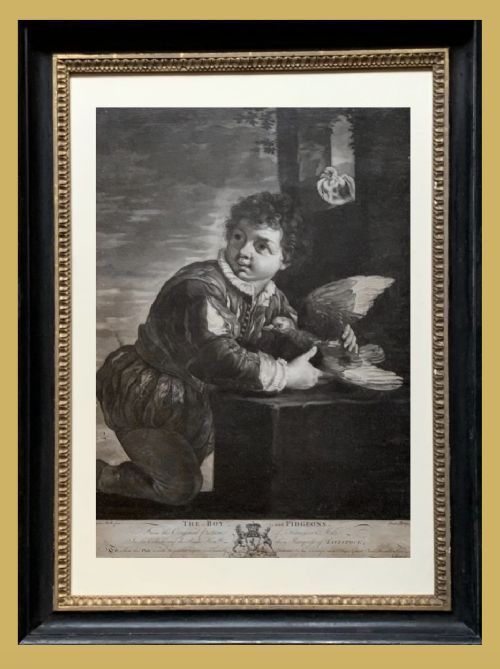
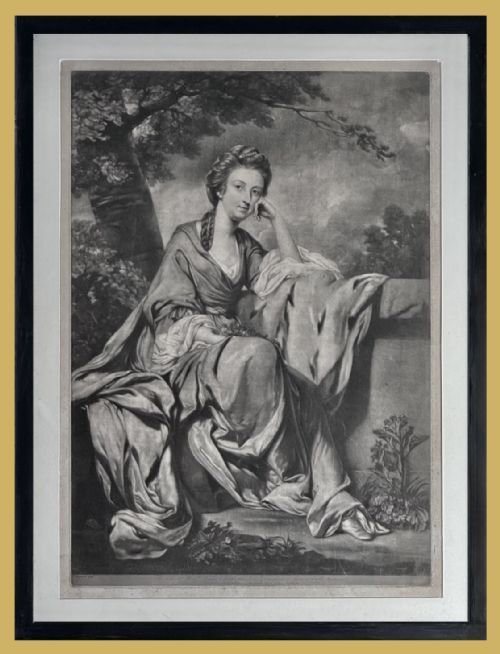
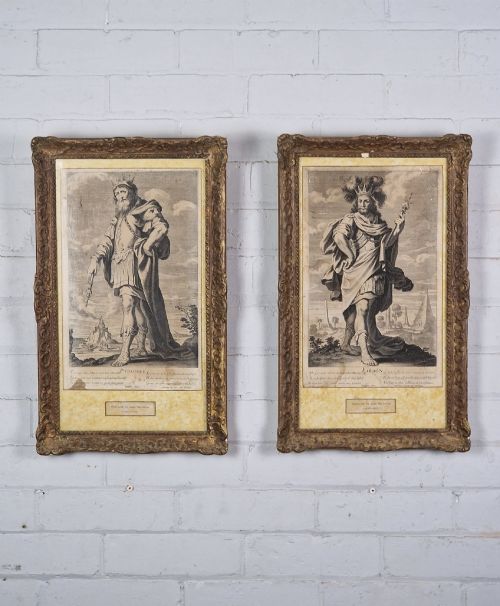
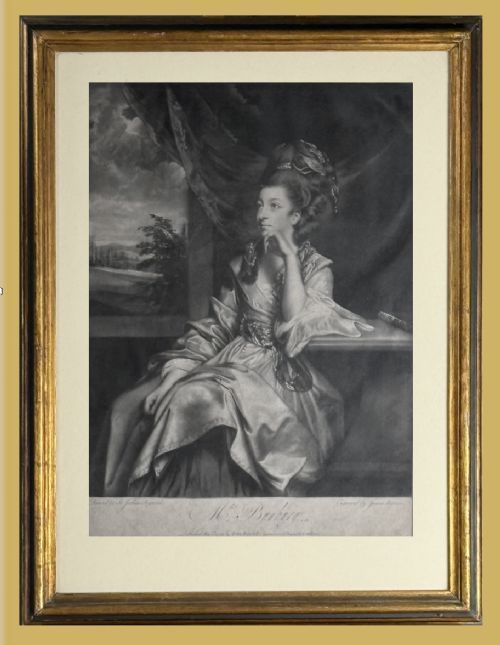
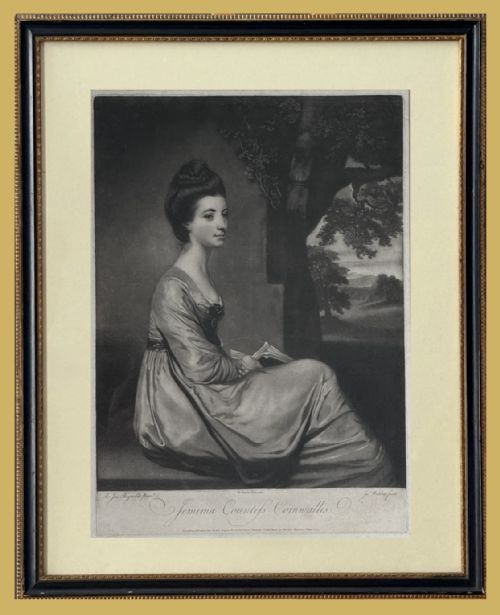
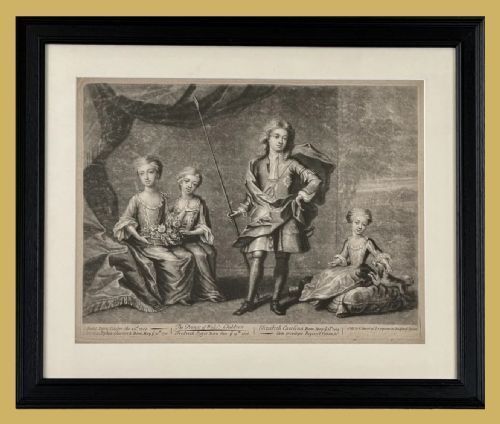
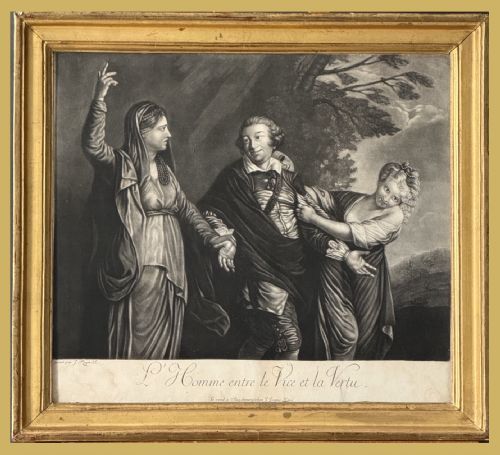
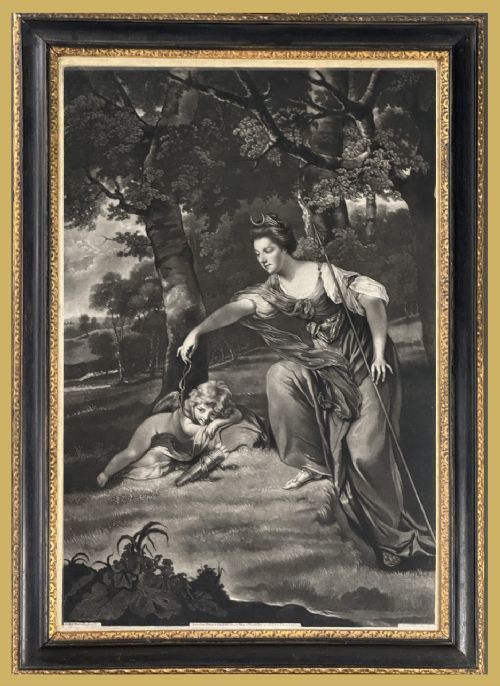
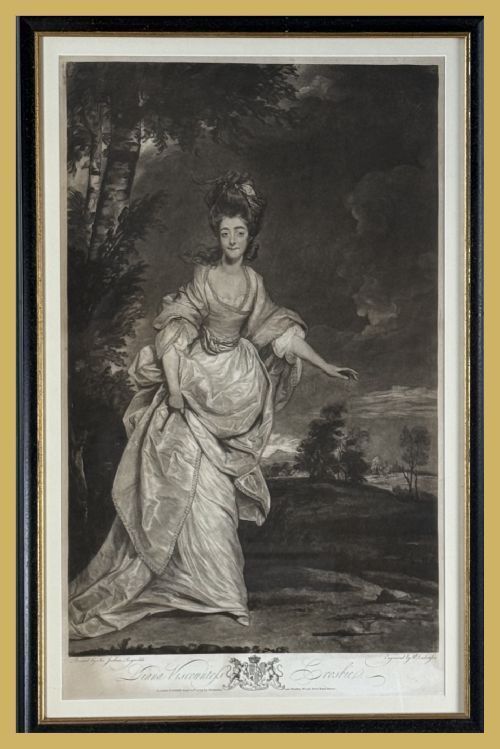
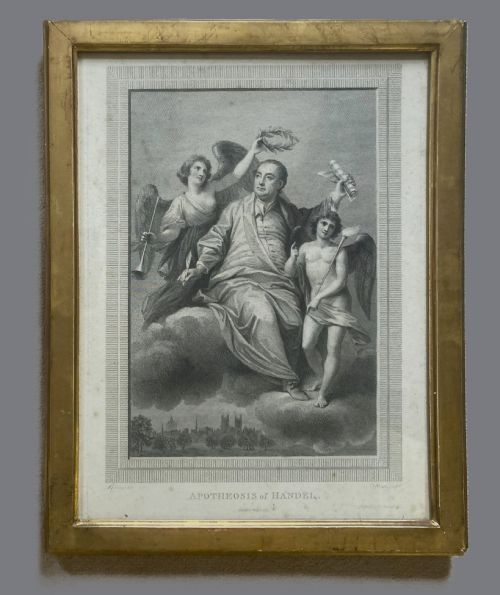
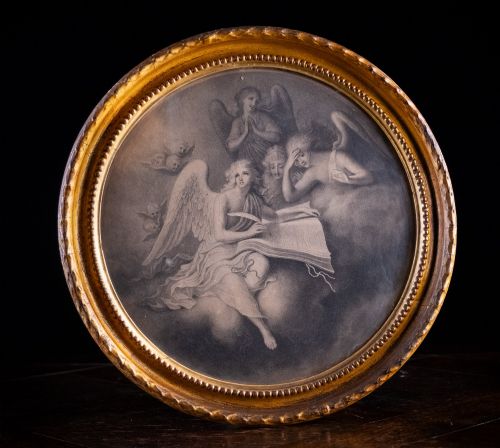
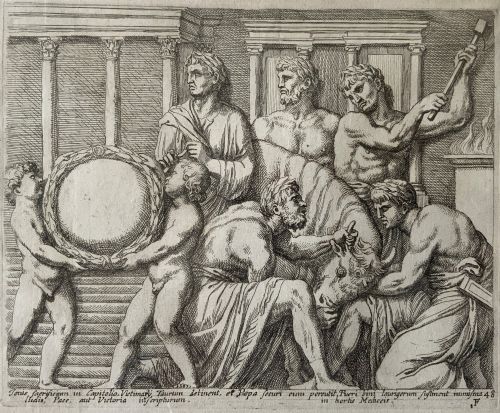
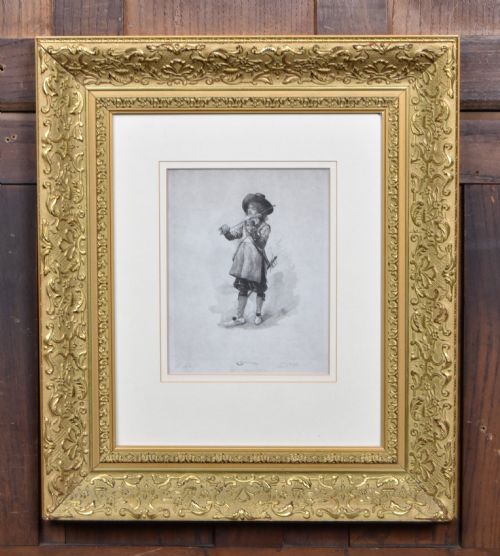
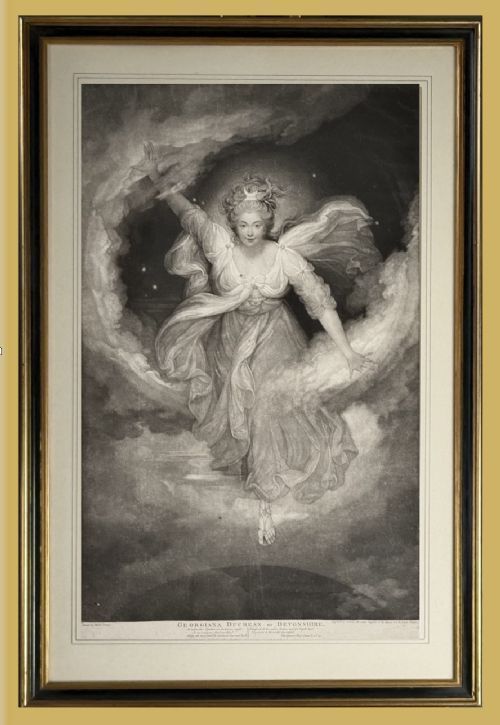
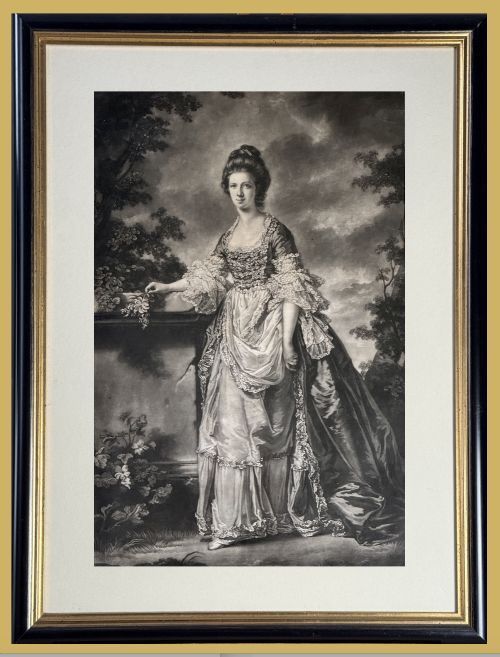
A monochrome classical print brings together centuries of printed art, ranging from seventeenth-century etchings of classical antiquity to eighteenth-century mezzotint portraits and architectural plates. These works capture figures from mythology, historical scenes, and classical architecture, translated through the mediums of engraving, etching, and mezzotint.
The selections available here lean heavily toward eighteenth-century and nineteenth-century impressions, alongside seventeenth-century plates and early twentieth-century architectural prints. Subjects encompass grand tour scenes, allegorical compositions, and academic life studies framed in wood, gilt, and giltwood.
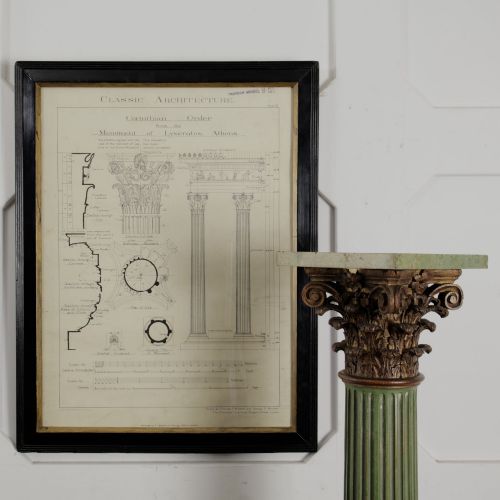
Buyers encounter framed art and individual sheets that document classical subjects, from the Vatican loggie to the architectural forms of the Corinthian order. These prints serve as historical records of artistic interpretations by master engravers working after notable painters.
What varies in quality
The clarity of the impression on the paper distinguishes early strikes from later editions, as metal plates wear down over repeated printings and lose the crispness of fine lines. Stronger contrast between the dark ink and the aged paper indicates a superior pull from the plate.
The artistry of the original designer and the skill of the engraver dictate the refinement of the composition, while the preservation of the paper sheet without excessive toning or foxing maintains the integrity of the work. Original period framing in giltwood adds context and craftsmanship that elevates the complete object.
Materials recorded across the inventory include copper plate ink, laid paper, gold leaf, and seventeenth-century giltwood frames.
John Boydell·Edward Fisher·Jean Mariette·James Watson·Sir Joshua Reynolds·Jiohan Elis Haid·W Dickinson·James Heath·Biaggio Rebecca·François Perrier·Valentine Green·Maria Hadfield Cosway·Francis Cotes·Frédéric Chopin·Francesco Piranesi·Michelangelo·Pierre Buillon·Henri Chatillon·Polidoro de Caravaggio·Gio Marco Paluzzi·Alessandro Mocchetti·Ottaviani·Raphael
The Monochrome Classical Print Glossary
- Mezzotint
- A printmaking process of the intaglio family where the copper plate is roughened evenly with a rocker, producing rich dark tones and smooth gradations of light. This technique allows for subtle tonal portraits.
- Etching
- A method where lines are bitten into a metal plate with acid through a protective ground, allowing the artist to draw freely. It produces fluid, expressive lines compared to direct engraving.
- Engraving
- A technique where a sharp metal tool called a burin cuts lines directly into a copper or metal plate. This creates precise, clean lines favoured for architectural plates and detailed portraits.
- Neoclassical
- A Western cultural movement drawing inspiration from the classical art and culture of ancient Greece or Rome. It dominated European art through the eighteenth and nineteenth centuries.
- Giltwood
- Wood carved and covered with a thin layer of gold leaf or gold paint. It provides traditional framing for antique prints from the eighteenth and nineteenth centuries.
Monochrome Classical Print: Frequently Asked Questions
What is a monochrome classical print?
A monochrome classical print is an etching, engraving, or mezzotint in black, white, or sepia ink depicting subjects from ancient history, mythology, and architecture.
These works were created across the seventeenth, eighteenth, and nineteenth centuries, often serving as records of grand tour travels or academic studies.
How were these antique prints displayed?
Historically, such prints were bound in folios, kept in portfolios, or framed in wood and gilt for domestic display.
Today, they are typically framed behind glass using archival mounting methods to protect the paper from light and moisture.
How do I identify the age of a print?
Age is determined by examining the characteristics of the paper, the watermark, the printing technique, and the style of the framing.
Inscriptions on the plate often record the dates of publication, the artist who painted the original, and the engraver who cut the copper.
What subjects are common in classical prints?
Common subjects include architectural elevations of ancient temples, mythological narratives, and portraits of political figures or artists.
Many plates record antiquities seen during the grand tour of Italy by European travellers.