
Georgian Classical Wall Print
Georgian classical wall print selections bring 18th-century portraiture and architectural engraving into modern rooms.
Georgian Classical Wall Print
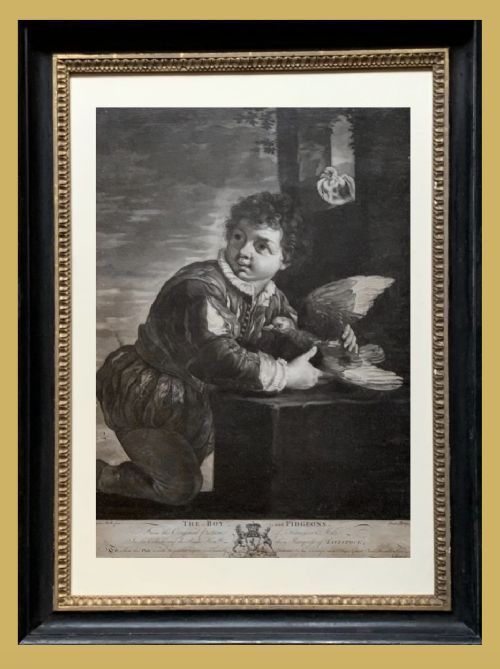
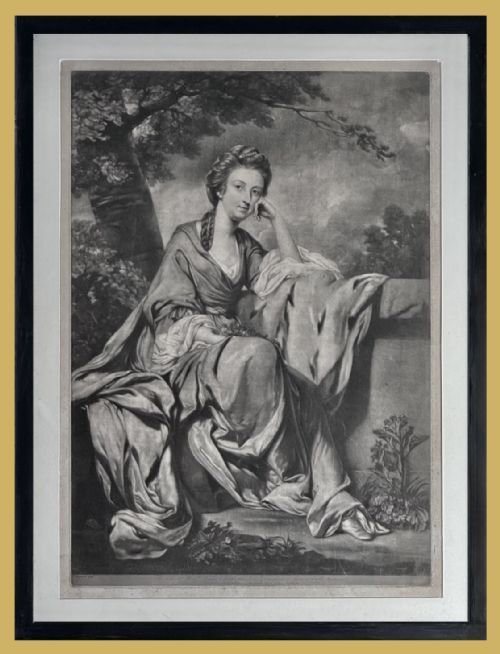
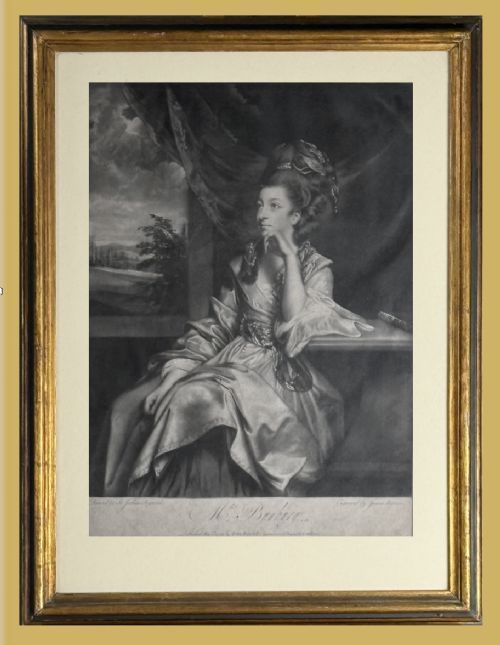
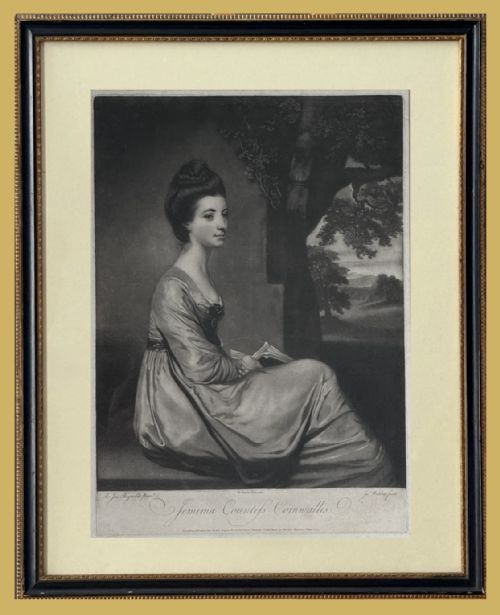
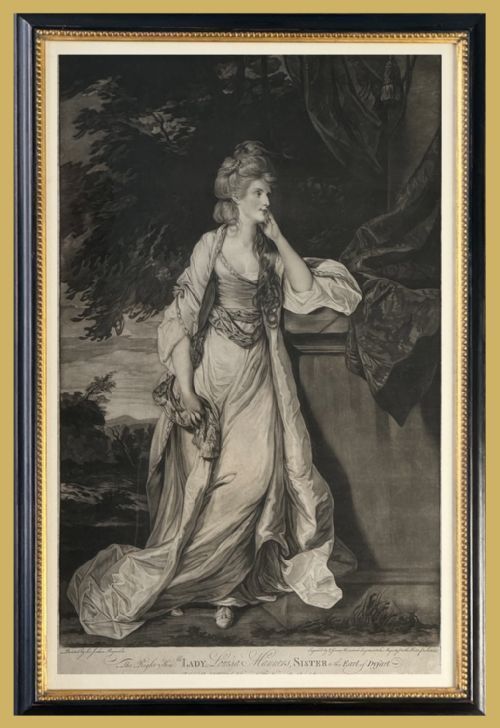
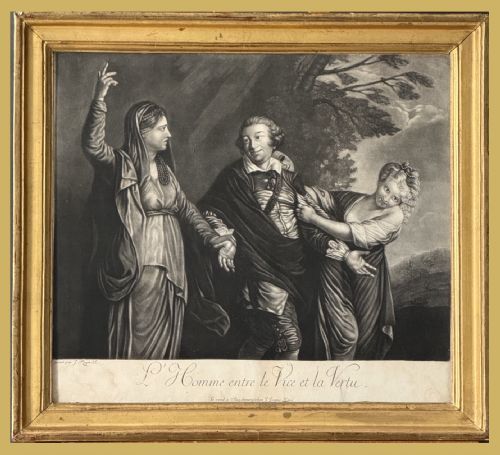
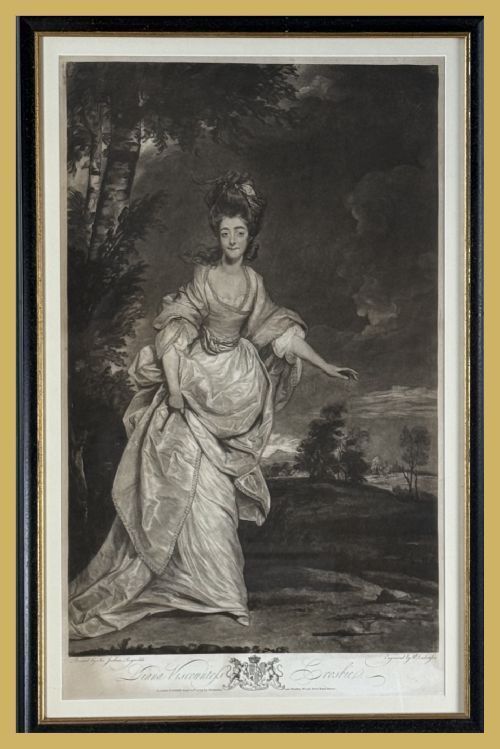
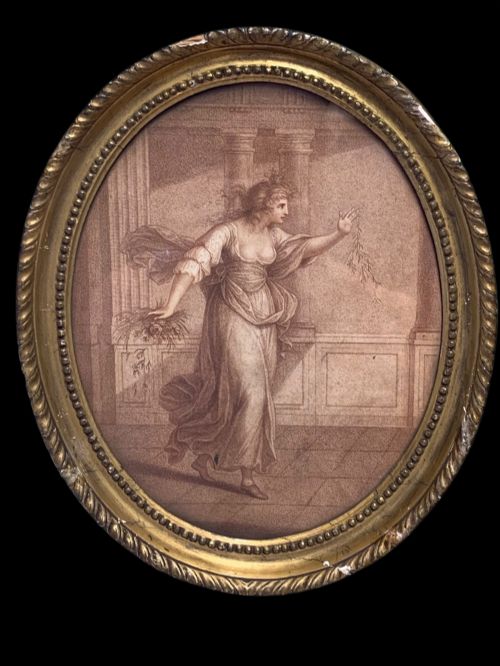
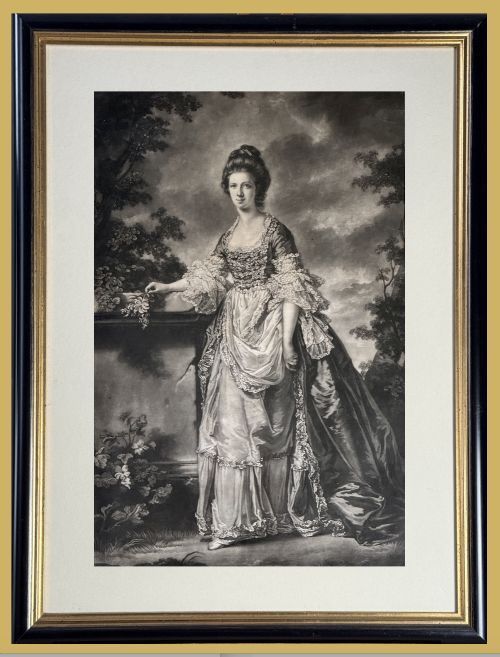
A georgian classical wall print typically comprises an 18th century or Regency engraving, mezzotint or etching. These works capture neoclassical portraiture, classical mythology and ancient architectural ruins from Athens and Rome.
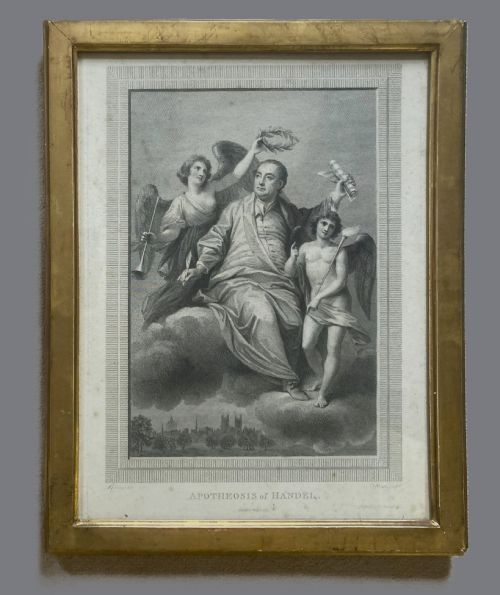
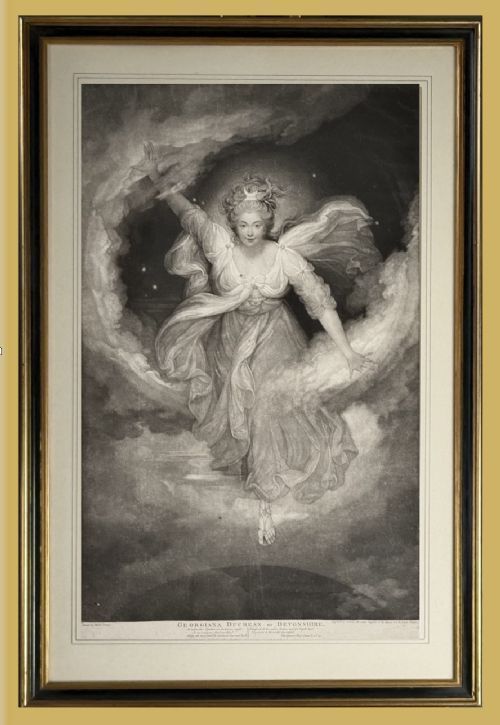
The pieces on this page are predominantly framed prints and wall art originating from the Georgian and Victorian eras. Buyers encounter copper engravings and mezzotints after prominent painters such as Sir Joshua Reynolds.
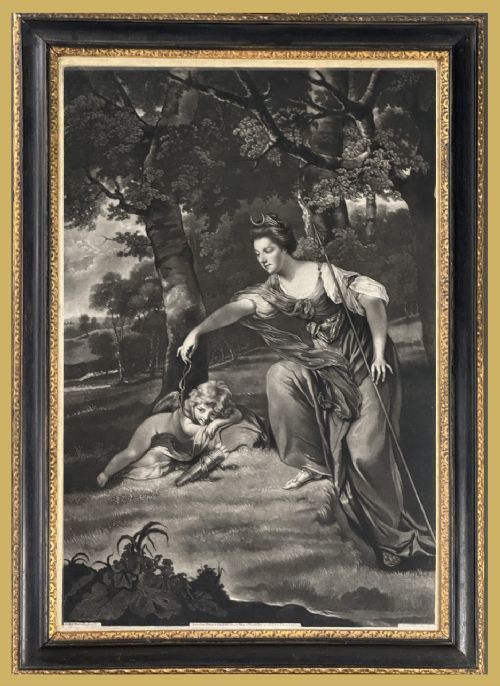
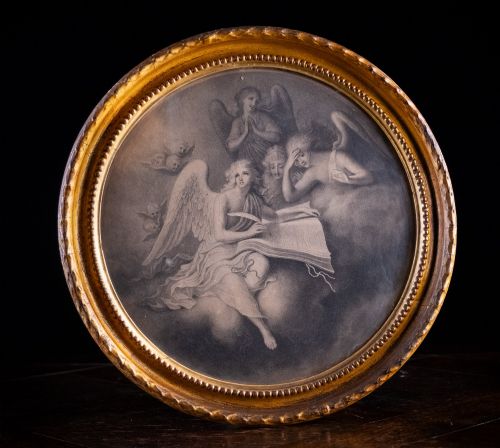
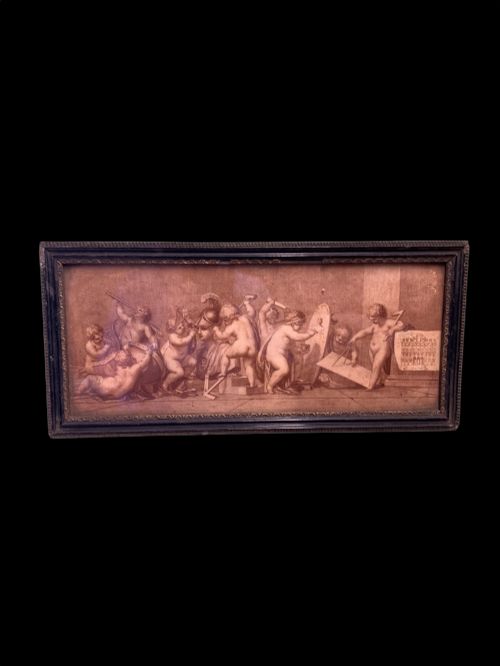
Subjects range from allegorical scenes of cupids and weeping angels to detailed architectural elevations of ancient temples. These framed works offer a direct link to the Grand Tour aesthetic popular among collectors of the period.
How They Were Made
Printmakers utilised copper plates for intaglio techniques such as engraving, etching and mezzotint, applying ink by hand before pressing onto laid paper. Master engravers worked meticulously to translate oil paintings and architectural drawings into fine lines and rich tonal gradients.
Frames rely on traditional materials including wood, glass, and gold leaf or giltwood mouldings. Many pieces retain original framing methods that protect the delicate paper works from atmospheric damage.
Even weeping angels need a proper mount to keep their celestial tears from slipping onto the floorboards.
What Varies in Quality
The impression depth and clarity of the ink on paper dictate the visual power of an engraving or mezzotint. Early impressions taken before the copper plate wore down exhibit sharper details and richer dark tones than later strikes.
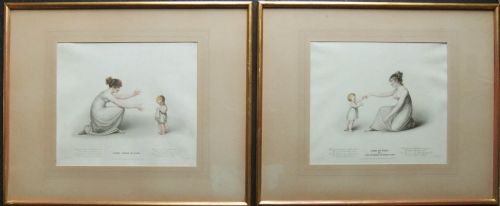
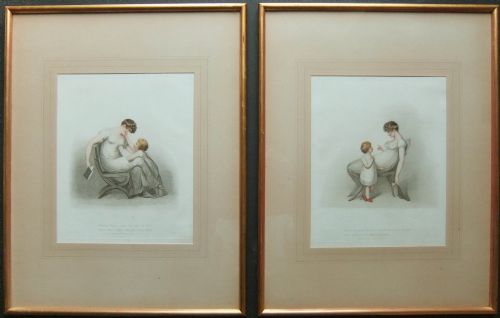
The survival of original glass, hand colouring and period giltwood frames significantly influences the integrity of the piece. Well-preserved margins on paper and minimal foxing separate museum-standard works from heavily restored examples.
John Boydell·Edward Fisher·James Watson·Valentine Green·James Basire
The Georgian Classical Wall Print Glossary
- Mezzotint
- A printmaking process where the copper plate is roughened to achieve rich dark tones and subtle gradations of light. This technique was widely utilised for 18th century portraiture after master painters.
- Engraving
- A method of cutting design lines directly into a metal plate using a sharp tool called a burin. The resulting lines hold ink cleanly to produce crisp architectural and figurative details.
- Etching
- A process where acid bites the lines drawn through a protective ground on a metal plate. It allows printmakers greater freedom of line than direct engraving.
- Stipple engraving
- A technique using dots of varying density and size to create tonal effects rather than continuous lines. It often produced soft, painterly flesh tones in portrait prints.
- Grand Tour
- The traditional journey through Europe undertaken by upper-class young men to study classical art and antiquities. Prints documenting these architectural sites formed core collections for stately homes.
Georgian Classical Wall Print: Frequently Asked Questions
What subjects appear on these prints?
The subjects encompass neoclassical portraits, mythological figures such as Eros and Aphrodite, and architectural studies of ancient Greek temples. Many plates record grand paintings or archaeological surveys from the period.
Buyers also encounter allegorical compositions featuring cupids, muses and classical deities. These themes reflect the prevailing 18th century fascination with classical antiquity.
How should I hang these framed prints?
Hang these framed works away from direct sunlight to prevent the ink and paper from fading over time. Maintain stable room humidity to protect both the paper and the original wooden or giltwood frames.
Pairing multiple architectural engravings together creates a traditional gallery wall arrangement. Ensure sturdy wall fixings are used to support heavier framed pieces safely.
How do I identify a period impression?
Examine the paper closely for chain lines and watermarks characteristic of 18th century laid paper stocks. Contemporary framing techniques and plate marks pressed firmly into the paper margin also indicate age.
Compare the tonal contrast and sharpness against known editions by publishers like John Boydell. Later restrikes often show softer, muddier details where the copper plate has worn down.
What frames are authentic to the pieces?
Authentic period frames frequently feature hand-carved wood finished with gold leaf or giltwood. Simple moulded wooden frames also accompany many 18th century architectural engravings.
Original glass often displays subtle bubbles, ripples and minor imperfections consistent with historic manufacturing methods. These aged elements complement the patina of the paper print within.