



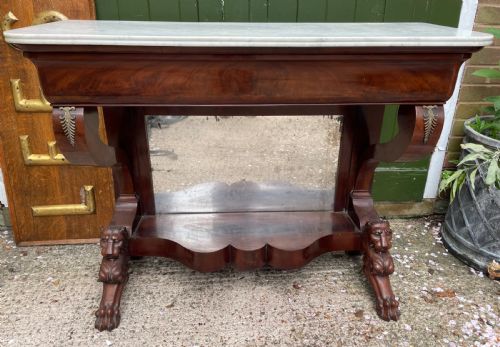

Mirrored Back Console Table
A mirrored back console table brings dramatic light and depth into a room, reflecting interiors through polished glass set behind rich timber or gilt frames.
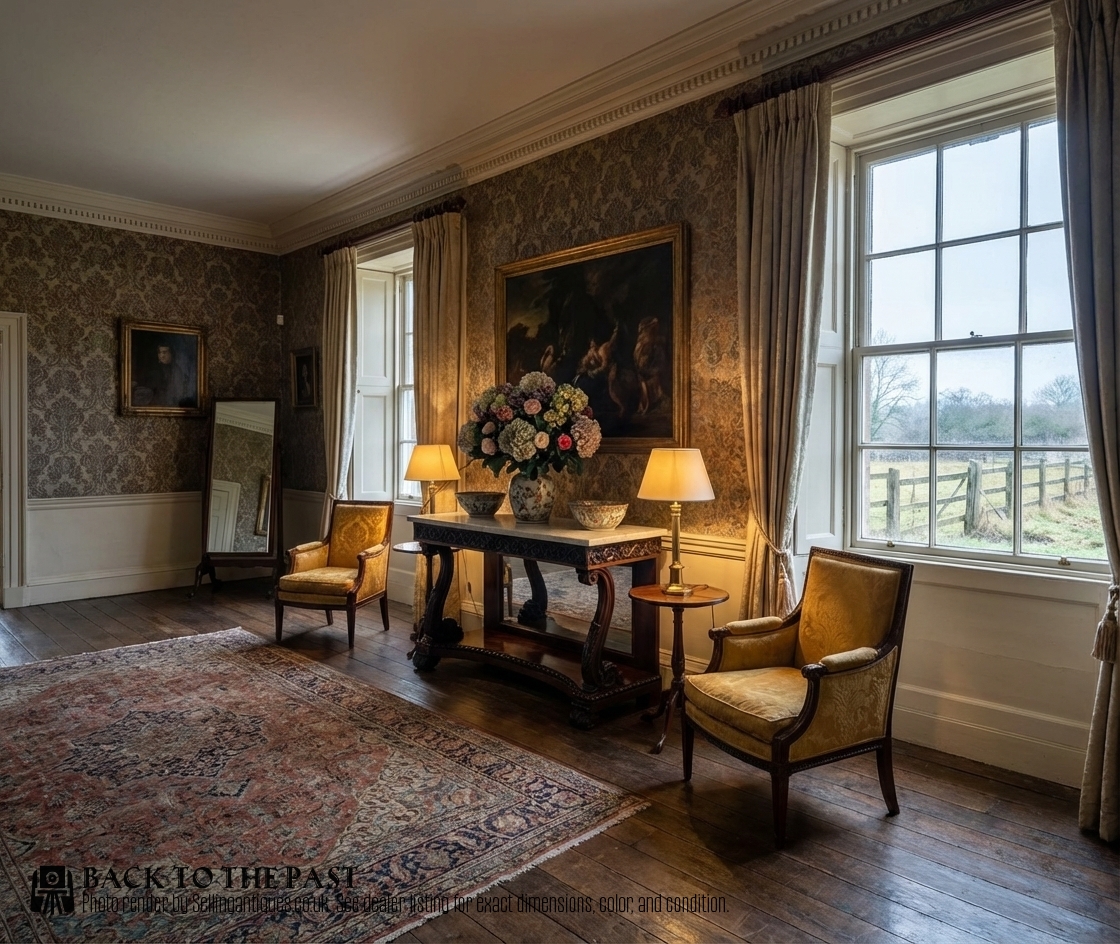
Mirrored Back Console Table
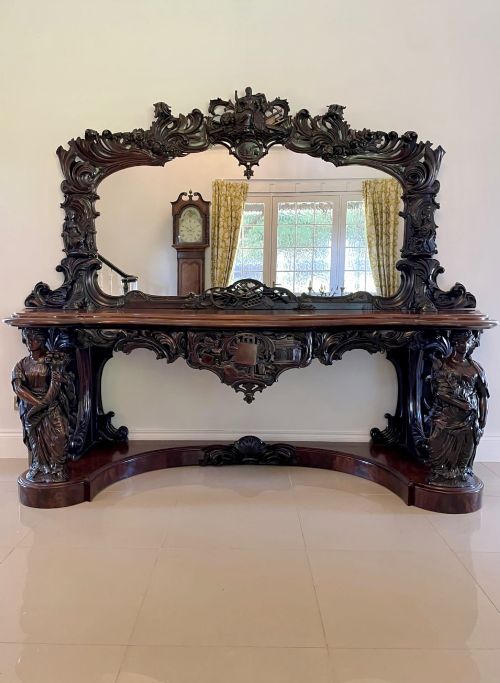
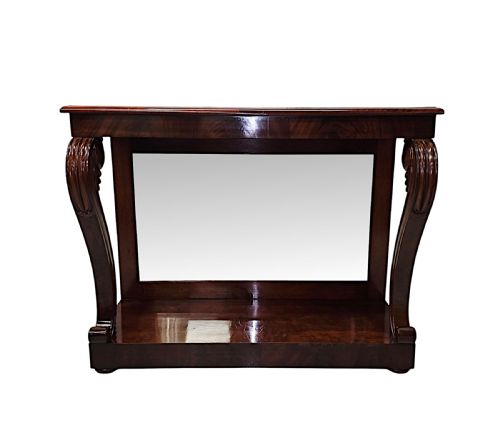
A mirrored back console table combines a narrow wall-mounting or freestanding base with an integrated mirror plate rising from the rear, designed to bounce ambient light across a hallway or reception room. These decorative items span multiple periods from the early nineteenth century onwards, including Regency, William IV, and Victorian iterations.
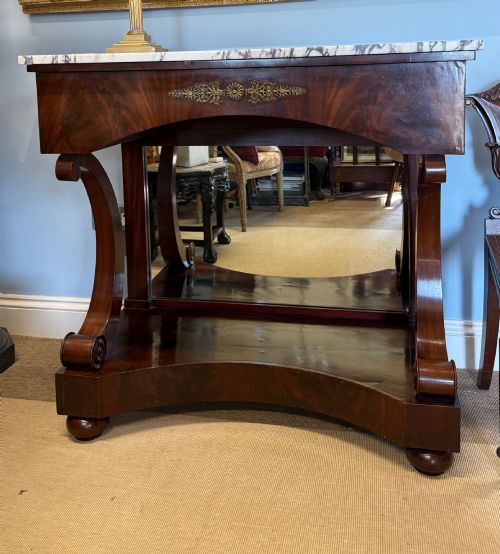
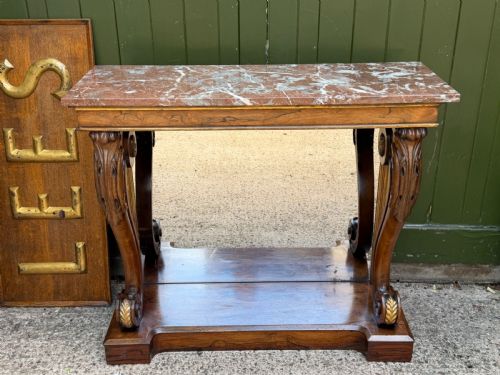
The versions most commonly found here feature rich timber frames such as mahogany and rosewood, frequently topped with white or coloured marble slabs. Many examples incorporate original mercury or silvered mirror glass within architectural wooden backs.
Makers and designers produced these statement furnishings in various regional aesthetics, encompassing British craftsmanship, French Empire styles, and Biedermeier interpretations.
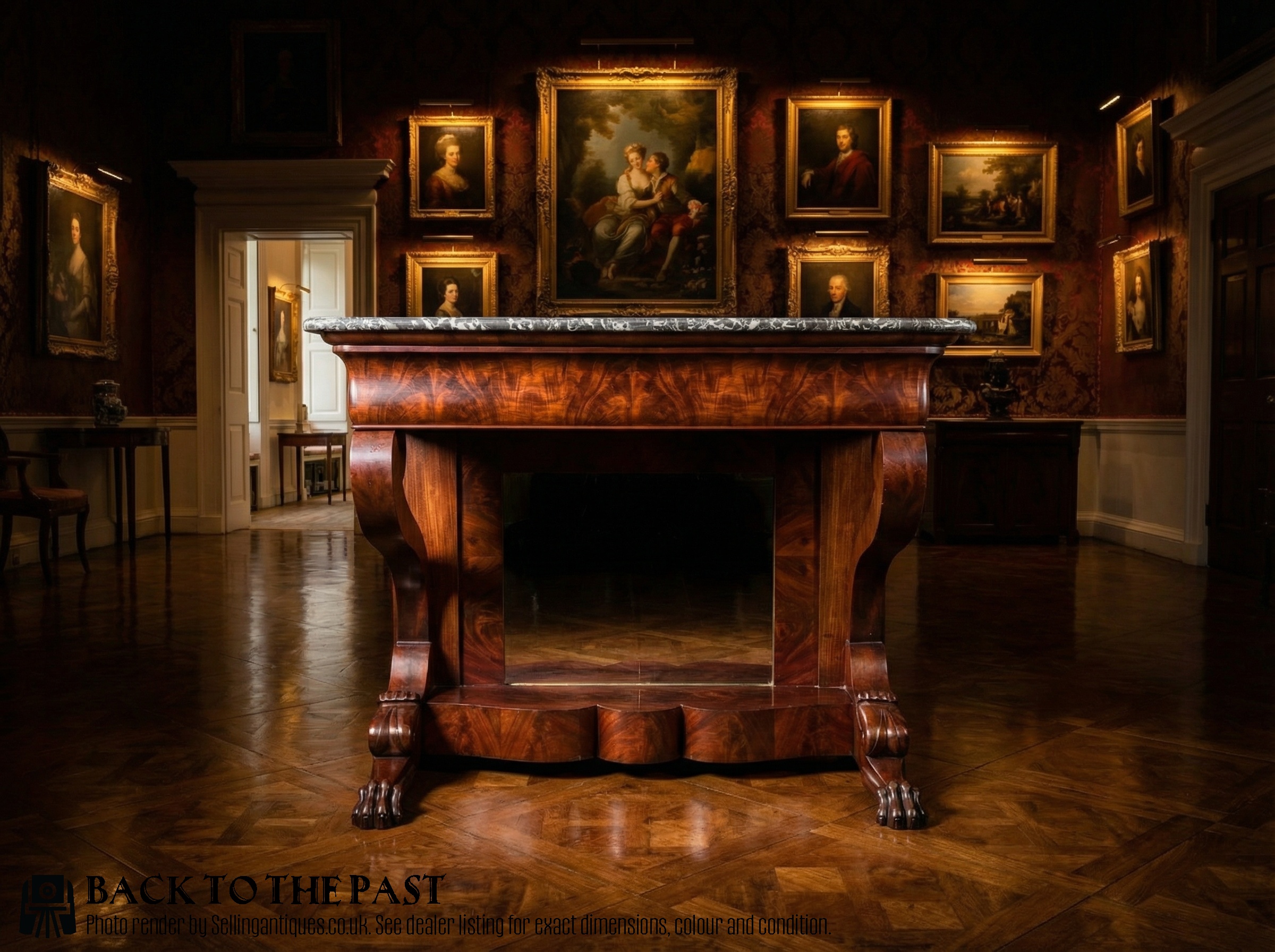
Materials and construction methods
Cabinet makers utilised dense hardwoods like mahogany, rosewood, and walnut for the structural carcasses, often applying flame veneers to create striking visual movement on the frieze and supports. Marble tops, including carrara, were selected for durability and cooler tactile qualities, resting directly upon the wooden frame.
Reflecting plates were traditionally produced using silvering techniques applied to glass, housed within carved giltwood, parcel-gilt, or timber backboards that provided structural stability to the upright mirror section.
Mirrored Back Console Table Retail Price Guide 2026
Typical asking prices for mirrored back console table among the pieces listed under this phrase on Sellingantiques today, from the lower quarter to the upper quarter. They describe what is for sale here now, not the wider market.
Dolphin carvings occasionally support nineteenth-century console tables, bringing a touch of marine mythology directly into the hallway.
Distinctions in craftsmanship and materials
The standard of carving and the selection of timber veneers dictate the hierarchy of these pieces, with deeply hand-carved mounts and book-matched flame mahogany representing superior workshop output. Originality of the mirror glass and the integration of the rear frame heavily influence the integrity of the item.
The weight and thickness of the fitted marble top, alongside the precision of the joinery in the console base, separate standard production furniture from exhibition-grade commissions.
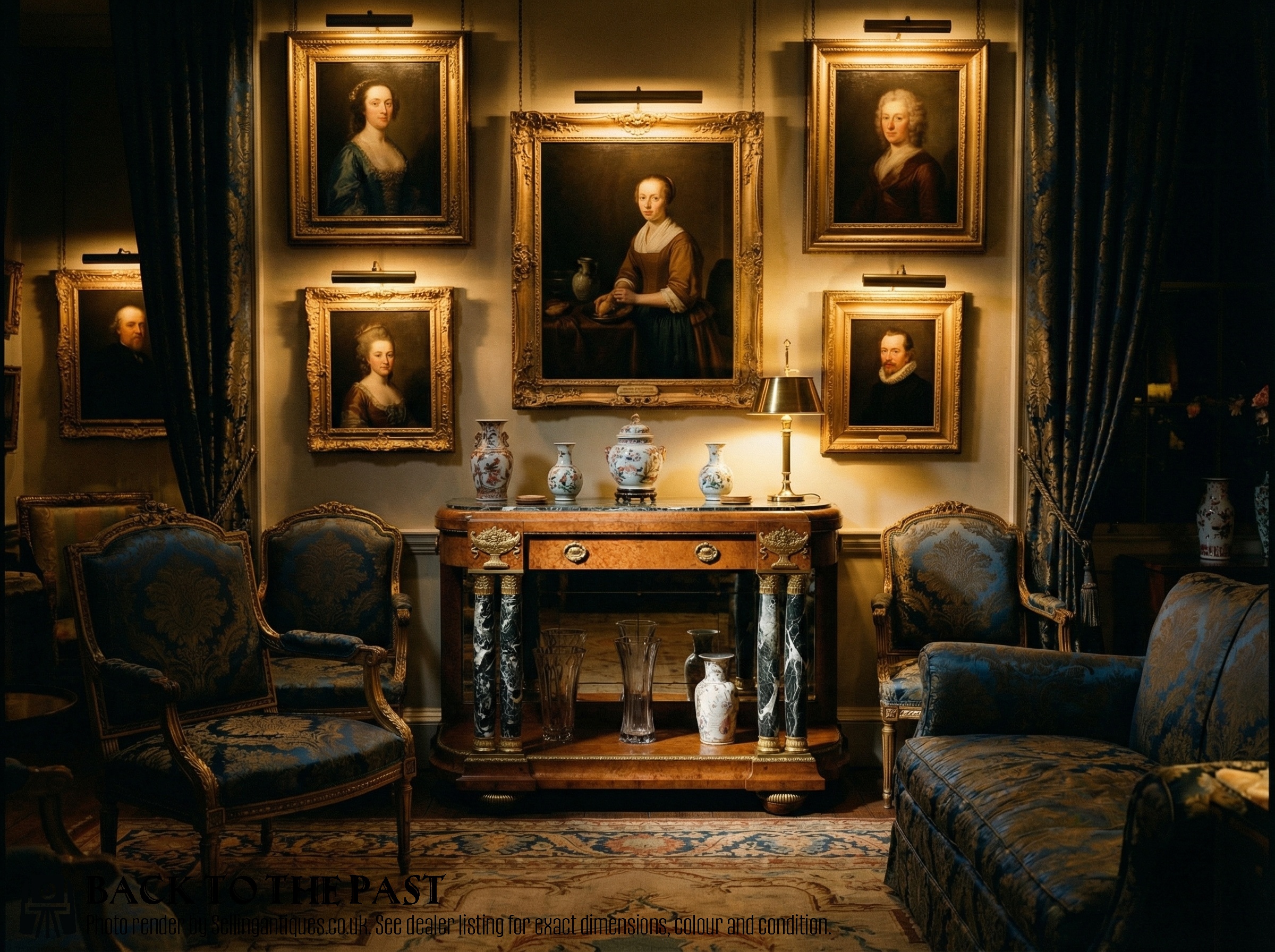
Gillingtons of Dublin·Pauly et Cie·Donald Ross
The Mirrored Back Console Table Glossary
- Console table
- A table designed to stand against a wall, frequently secured with brackets or resting on front legs. These forms often feature decorative brackets or columns beneath the main surface.
- Mirror back
- An upright glass panel fitted to the rear of a piece of furniture to reflect the room. This component amplifies light and creates an illusion of greater spatial depth.
- Parcel-gilt
- Partially gilded woodwork where thin gold leaf highlights specific carved details or mouldings against a contrasting timber background. It creates a subtle dual-tone effect.
- Frieze
- The broad horizontal band situated directly beneath the top surface of the table. Cabinet makers often decorated this area with veneers or carvings.
- Chiffonier
- A low cabinet or sideboard featuring shelving or enclosed storage beneath the main surface. Certain nineteenth-century variants incorporate mirrored backs above the top shelf.
Mirrored Back Console Table: Frequently Asked Questions
Where should I place a mirrored back console table?
These tables suit hallways, landings, and reception rooms where wall space allows for a shallow depth. Positioning them opposite a window maximises the light reflected by the glass back.
Ensure the wall can support any associated brackets if the console requires fixing for absolute stability.
Are the marble tops removable?
Most marble slabs on nineteenth-century consoles rest loose upon the wooden framework under their own considerable weight. This design allowed for easier transport of heavy furniture.
Exercise caution when moving the table by lifting the marble off separately to reduce total weight and prevent accidental chipping.
How do I care for antique mirror glass?
Original silvered glass requires gentle cleaning with dry or barely damp microfiber cloths to preserve the historic backing. Avoid commercial chemical sprays that might seep behind the edges and degrade the silvering.
Protect the surface from prolonged direct sunlight to prevent further oxidation of the mirror plate.
How do I identify a Regency period console?
Regency pieces often display classical architectural motifs, such as reeded legs, brass inlay, and bold rosewood or mahogany grains. Proportions tend to follow strict classical symmetry influenced by ancient Greek and Roman designs.
Examining the construction methods and secondary timbers on the underside helps confirm the early nineteenth-century timeline.