



Antique Entrance Table
An antique entrance table sets the tone of a hall, offering a solid surface for post and keys upon arrival.
Antique Entrance Table
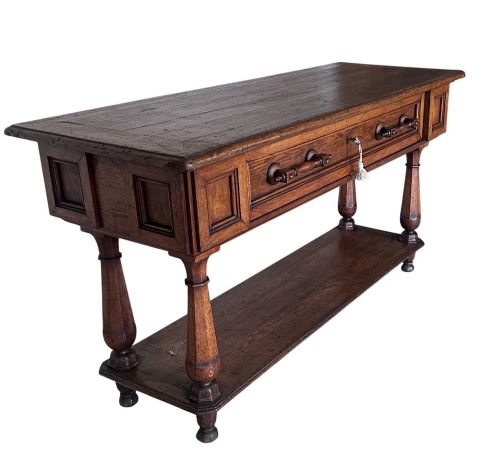
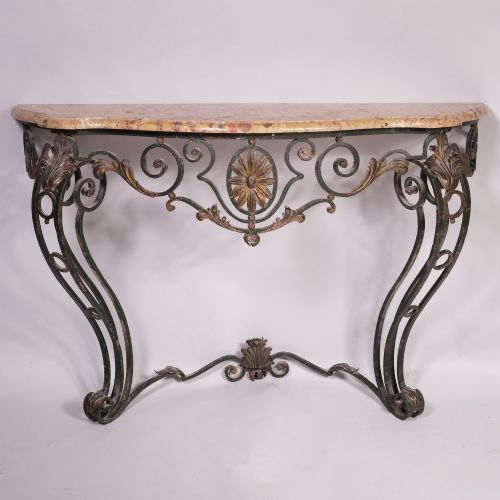
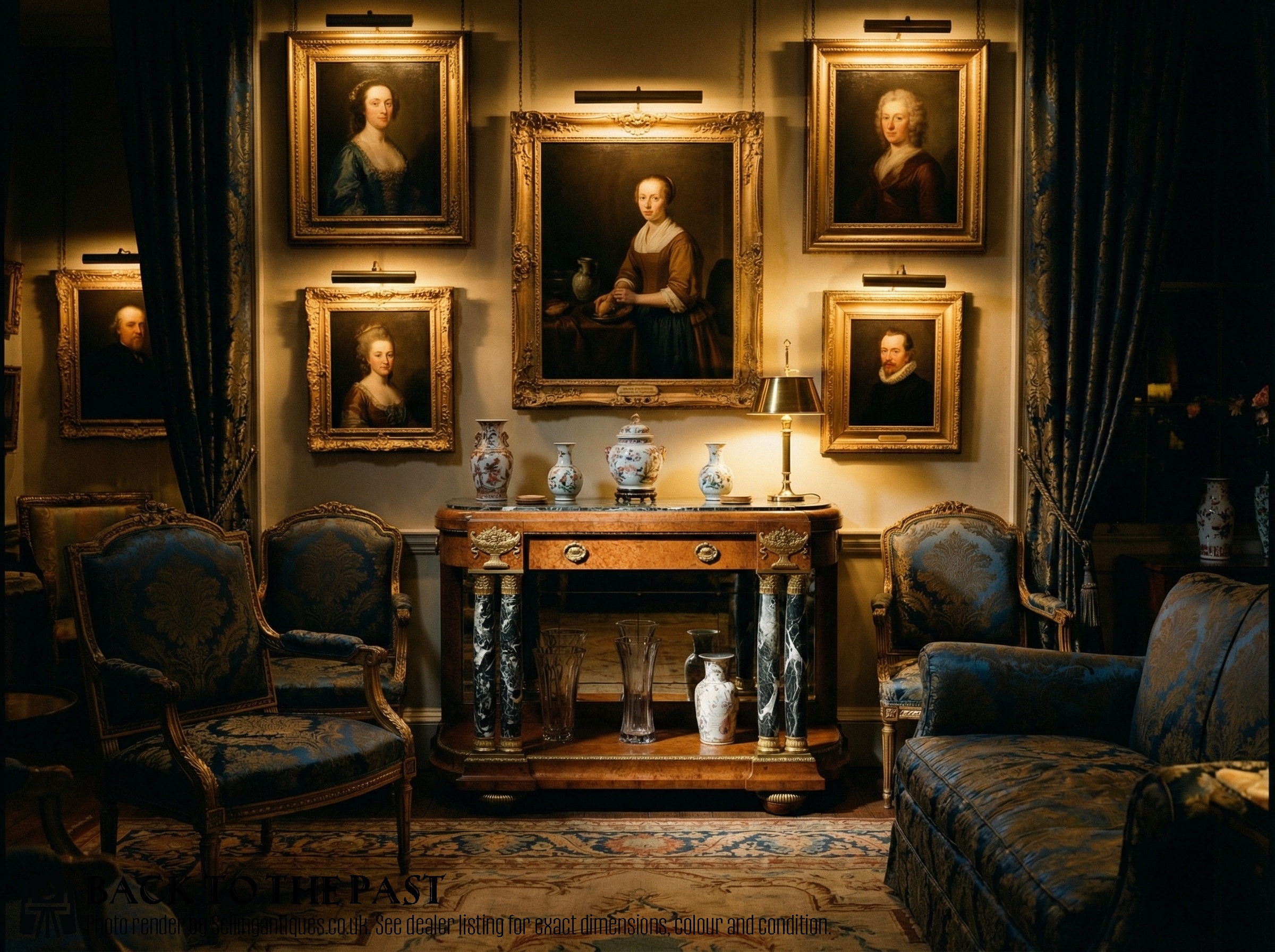
An antique entrance table covers various forms designed for hallways and vestibules, including console tables, centre tables, side tables, and hall stands. These pieces function as the initial statement in a home, combining practical surfaces with decorative presence.
The most common examples met on this page belong to the nineteenth century, alongside Georgian, Victorian, and Edwardian specimens. Mahogany and oak dominate the timber choices, frequently paired with marble tops or mirror glass.
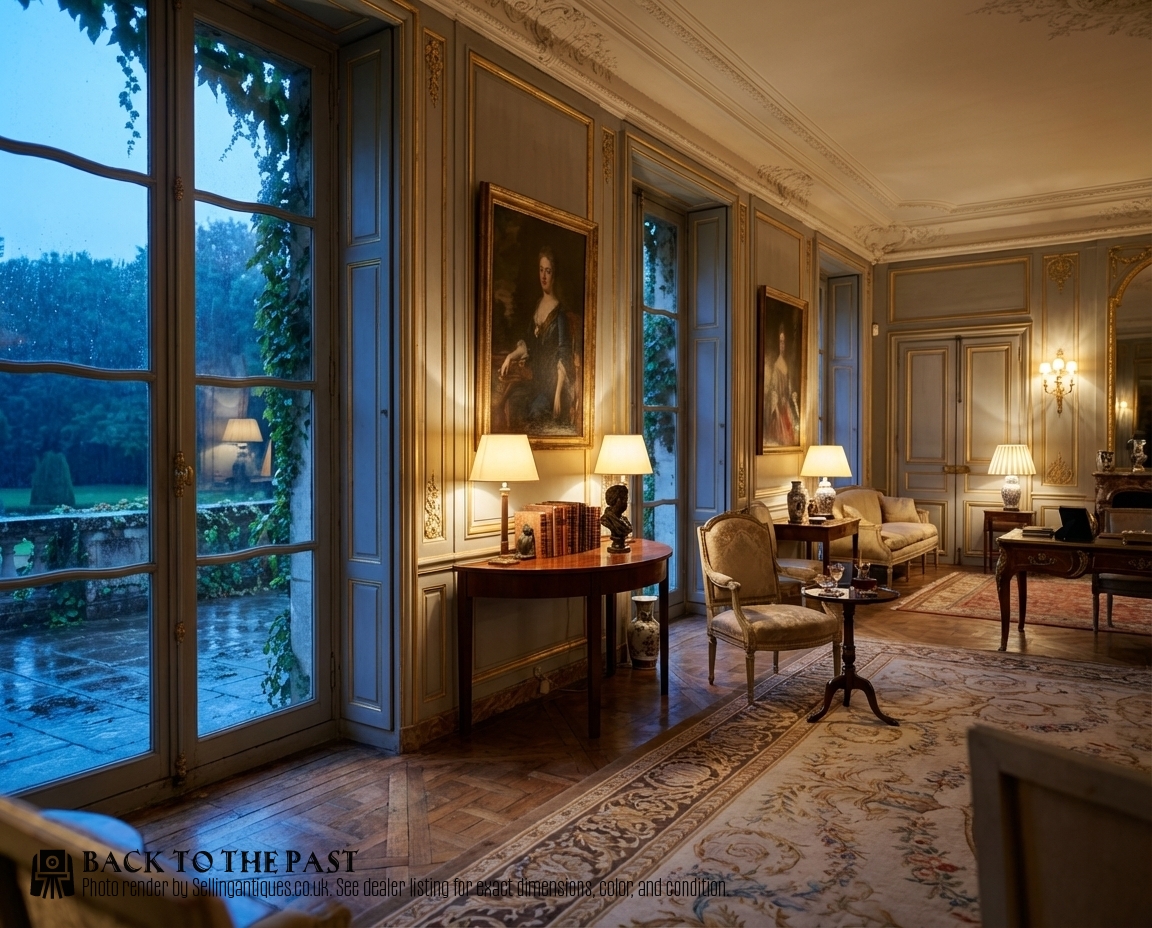
Makers adapted these tables to suit specific architectural spaces, producing demi-lune shapes for tight corners and flat-backed console formats to sit flush against hallway walls. Centre tables occupy a grander footprint, standing independently in larger reception spaces.
Materials and construction
Cabinetmakers utilised dense hardwoods such as mahogany and oak for the primary carcases and legs, ensuring stability for heavy stone tops. Joinery relied on traditional methods suited to the stresses of daily hallway use.
Surface treatments varied from polished mahogany and ebonised finishes to painted wood and applied giltwood. Marble slabs, porphyry, and mirrored glass were integrated into console tables and hall stands to reflect light in narrow passages.
Antique Entrance Table Retail Price Guide 2026
Typical asking prices for entrance table among the pieces listed under this phrase on Sellingantiques today, from the lower quarter to the upper quarter. They describe what is for sale here now, not the wider market.
One notable hall stand includes ceramic tiles depicting the days of the week, reminding hurried Victorians of the exact day as they collected their hats.
Distinctions in quality
Quality rests upon the selection of timber grain, the precision of carved details on bases and aprons, and the integrity of fitted marble or mirror glass. Superior examples display crisp moulding and balanced proportions rather than heavy, coarse carving.
The presence of matching elements, such as an associated giltwood mirror or integrated ceramic tiles by named makers, elevates a piece. Original surfaces and untouched hardware distinguish finer survivals from heavily restored iterations.
The Antique Entrance Table Glossary
- Console table
- A table designed to be fixed against a wall, often supported by front legs or brackets. These pieces usually feature decorative aprons and flat tops.
- Centre table
- A freestanding table intended to sit in the middle of a room or a large hallway. They are finished on all four sides to be viewed from every angle.
- Demi-lune
- A half-moon shape used for console tables. This profile allows the furniture to sit snugly against a wall without protruding too far into a narrow hallway.
- Hall stand
- A tall hallway fixture incorporating coat hooks, umbrella stands, and frequently a small shelf or mirror. Some versions include ceramic tile inserts.
Antique Entrance Table: Frequently Asked Questions
Where should I place an antique entrance table?
These tables suit hallways, vestibules, and wide landings where they provide a convenient spot for incoming post and small items.
Console formats sit flat against walls to preserve walking space, whilst centre tables require an open area to be appreciated from all sides.
How do I care for a marble top?
Marble surfaces need simple dusting and prompt wiping of liquid spills to prevent staining. Acidic substances like citrus juice can etch the polished stone.
Use coasters and mats beneath keys or metal objects to protect the finish from scratching over time.
What is the difference between a console and a side table?
Console tables are traditionally designed to lean against a wall and often rely on the wall for absolute stability, sometimes featuring only two front legs.
Side tables stand independently on four legs and can float anywhere in a room or hallway without wall attachment.
Can I use a hall stand in a small space?
Hall stands combine storage for coats, hats, and umbrellas into a single vertical footprint. Measuring your hallway clearance ensures the hooks and projections remain practical.
Many Victorian and Edwardian examples were built specifically to maximise storage in narrow Victorian entrance halls.