



Mini Collector Cabinet
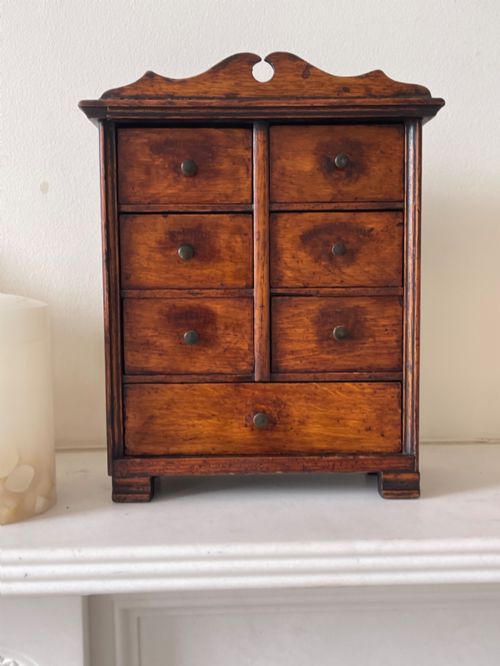
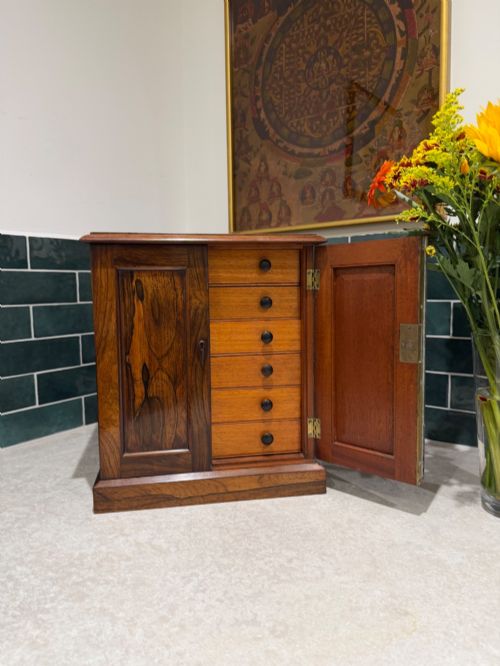
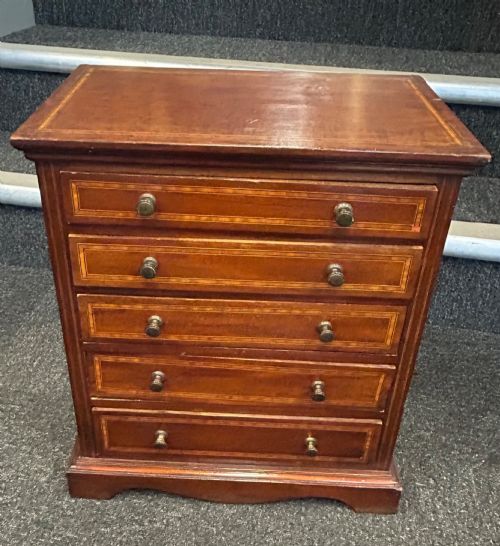
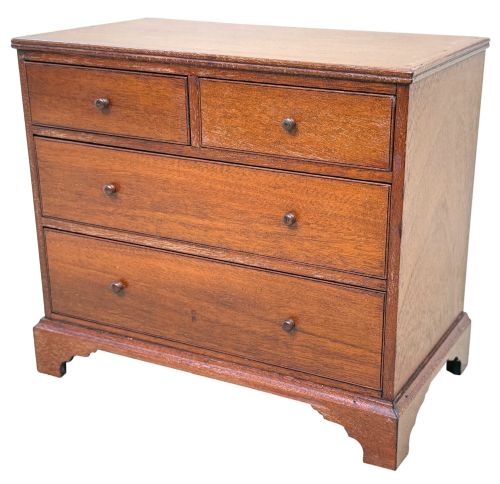
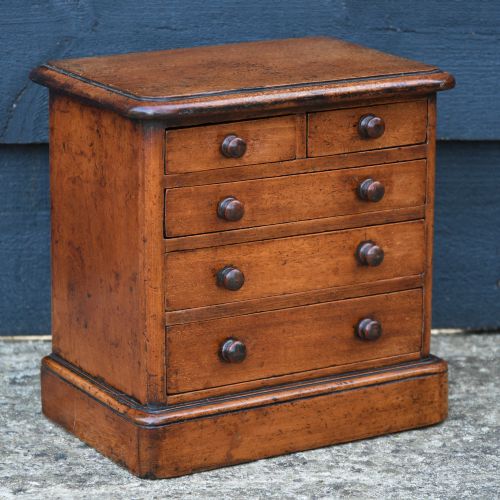
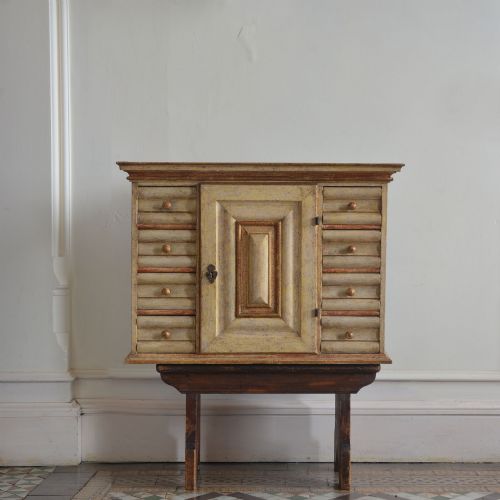
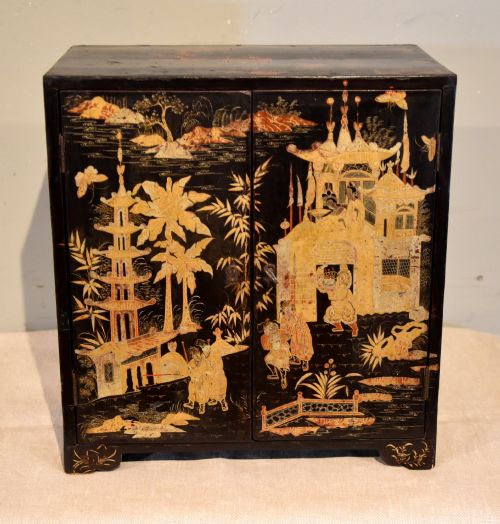
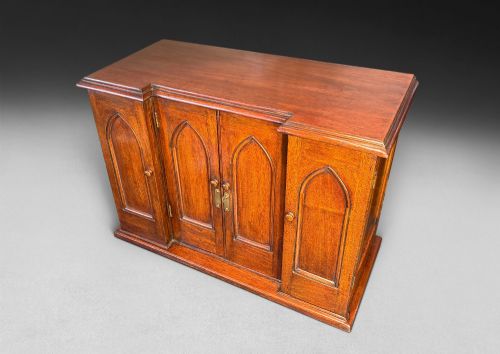
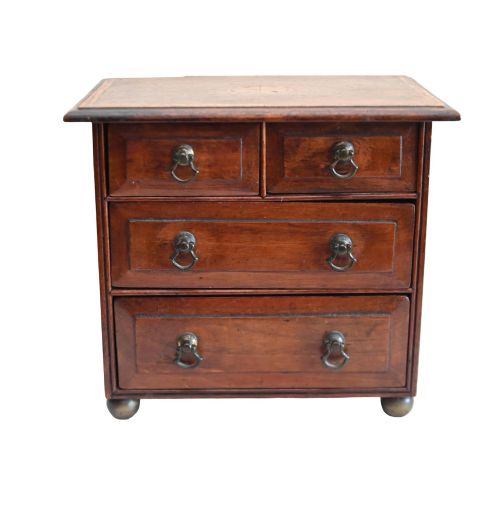
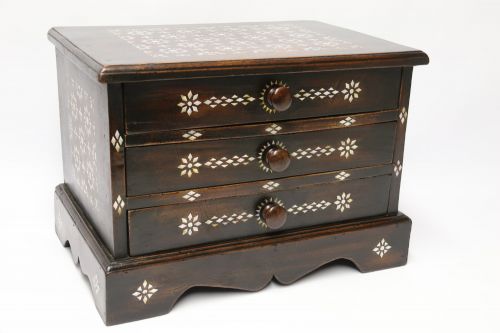
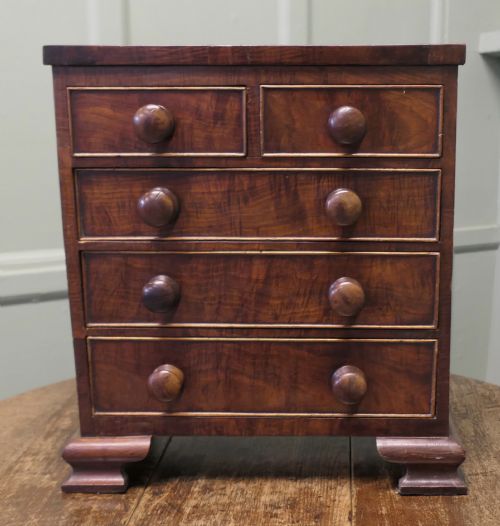
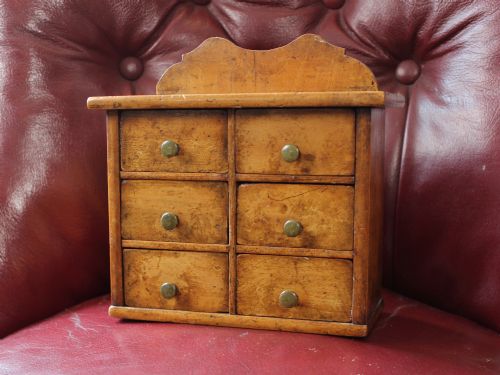
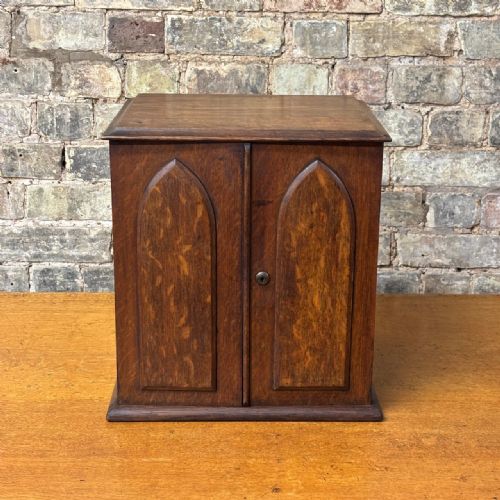
These mini collector cabinet examples are compact timber storage pieces designed to hold specimens, spices, or small valuables on a tabletop.
Mini Collector Cabinet
When you search for mini collector cabinet forms, you encounter small-scale furniture designed to sit upon tables, desks, or counters. These pieces serve practical storage roles for specimens, spices, jewellery, or documents while mimicking the proportions of larger household furniture.
The selections span numerous historic periods, predominantly the Victorian era and the nineteenth century alongside Georgian and Edwardian examples. Common forms include miniature chests of drawers, apprentice pieces, table cabinets, spice drawers, specimen cases, and campaign style chests.
Materials vary widely across the available items, featuring timbers such as mahogany, oak, walnut, pine, fruitwood, and rosewood. Decorative elements include brass handles, glass panels, inlaid surfaces, and painted finishes reflecting styles like Gothic Revival, Regency Chinoiserie, and Arts and Crafts.
Materials and construction methods
Cabinet makers utilised dense hardwoods like mahogany, oak, and walnut alongside softer woods such as pine and fruitwood to build these small carcasses. Surfaces often received polish, French polish, or painted finishes to highlight the natural grain or provide decorative colour.
Metal hardware including brass drop handles, keyplates, and hinges added functional security and visual contrast to the timber drawers and doors. Carved details, inlay work, and ebonised moulding further articulated the surfaces of Victorian and Georgian specimens.
Mini Collector Cabinet Retail Price Guide 2026
Typical asking prices for mini collector cabinet among the pieces listed under this phrase on Sellingantiques today, from the lower quarter to the upper quarter. They describe what is for sale here now, not the wider market.
Listings for this phrase feature pieces in mahogany, oak, walnut, and pine spanning the Georgian, Victorian, and Edwardian periods.
Assessing cabinet craftsmanship
The standard of timber selection largely dictates the visual appeal of each cabinet, with figured grains like burr walnut or polished mahogany standing apart from plain deal or softwood. Superior examples exhibit refined patination built up over decades of handling.
Joinery execution separates utilitarian storage from fine cabinet work, observable in the tightness of drawer joints, the alignment of bow fronts, and the integration of brass fittings. Decorative flourishes such as hand-carved panels or crisp inlay demonstrate higher workshop skill.
The Mini Collector Cabinet Glossary
- Apprentice piece
- A small item of furniture created by a craftsman in training to demonstrate mastery of joinery techniques before admission to a guild.
- Specimen case
- A small cabinet or chest fitted with multiple shallow drawers intended for organising natural history samples, coins, or small collectables.
- Bow front
- A convex curved cabinet or drawer front popular in Georgian and Victorian furniture design.
- Campaign style
- Portable furniture featuring flush brass handles and reinforced corners designed for military travel.
- French polish
- A shellac finish applied in numerous thin layers using a rubber pad to produce a high-gloss timber surface.
Mini Collector Cabinet: Frequently Asked Questions
What did people store in a mini collector cabinet?
These small cabinets held specialised items such as botanical specimens, insect collections, geological samples, coins, or culinary spices. Their compartmentalised drawers kept delicate and tiny objects organised.
Over time, owners also repurposed them for desktop stationery, sewing accessories, rings, and other small personal valuables.
How do I date an antique mini collector cabinet?
Dating relies on observing the timber species, construction methods, handle types, and overarching decorative styles. Georgian pieces often feature simpler lines and native oaks, while Victorian examples introduce rich burr walnut and elaborate brass hardware.
Secondary woods inside the drawers and the type of joint construction provide further clues to the manufacturing decade.
Are apprentice pieces the same as salesman samples?
Apprentice pieces represent skilled work made by learners to prove their ability, whereas salesman samples were smaller scale models used by travelling merchants to demonstrate full-size furniture designs.
Both categories resulted in miniature furniture, though apprentice pieces often show particular individuality in their detailing.
Where should I place a table cabinet at home?
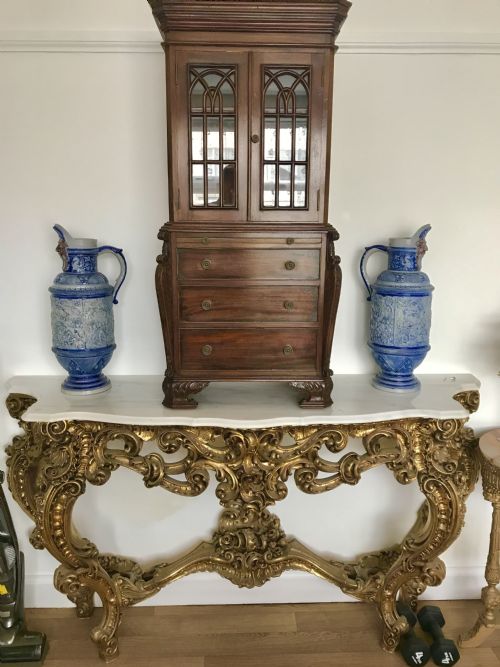
Table cabinets suit placement on sideboards, desks, console tables, or bookshelves where their compact proportions remain visible. They provide functional storage for keys, jewellery, or modern small collectables.
Keeping them out of direct sunlight preserves the antique timber finishes and polished brass details.