


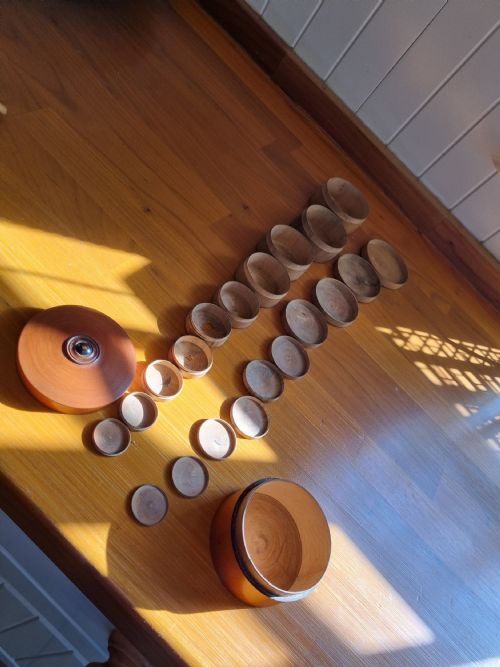


19th Century Spice Box
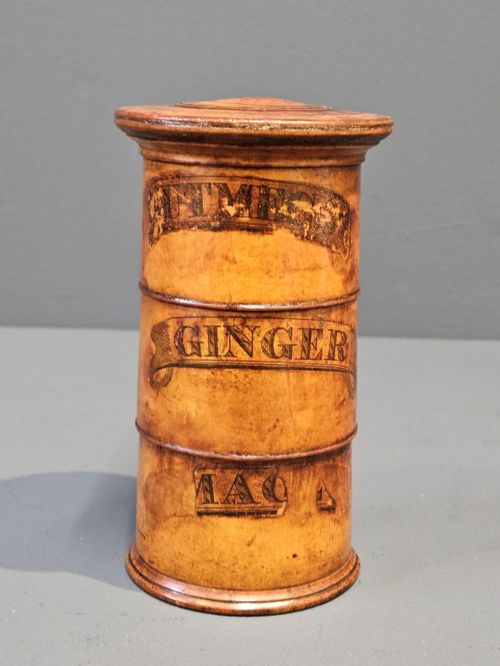
A 19th century spice box is a compact container for aromatics and kitchen seasonings, prized for its tactile treen construction and period utility.
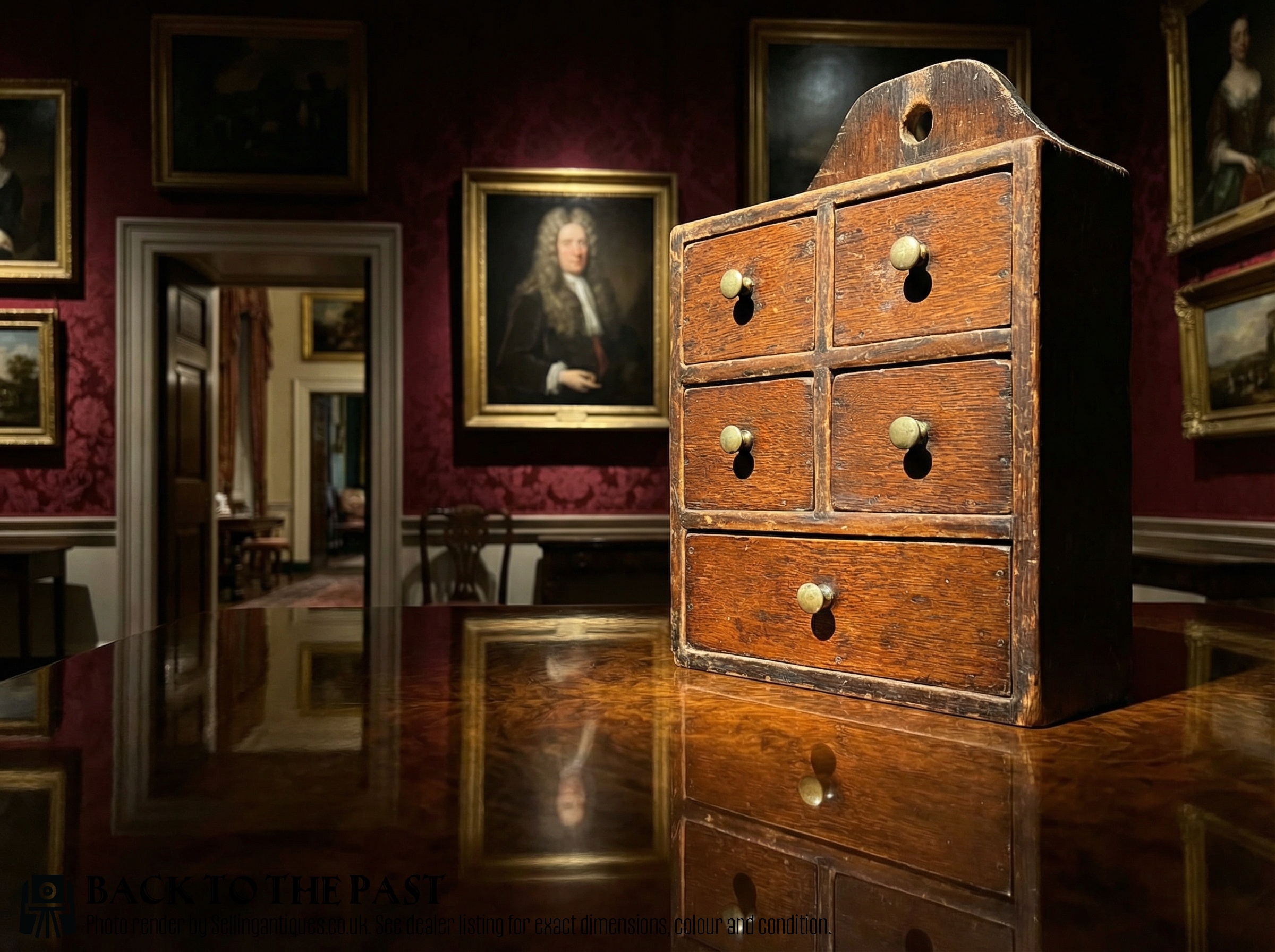
19th Century Spice Box
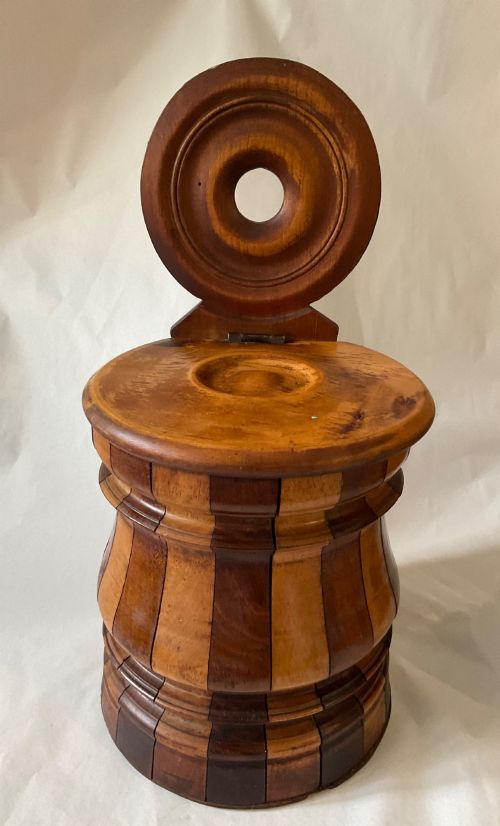
A 19th century spice box encompasses small tabletop cabinets, tiered towers, wall-hanging containers, and pocket-sized nutmeg graters designed to store culinary aromatics.
The pieces appearing on this page span the Regency, Victorian, and Edwardian eras, with many examples originating from country workshops and folk art traditions.
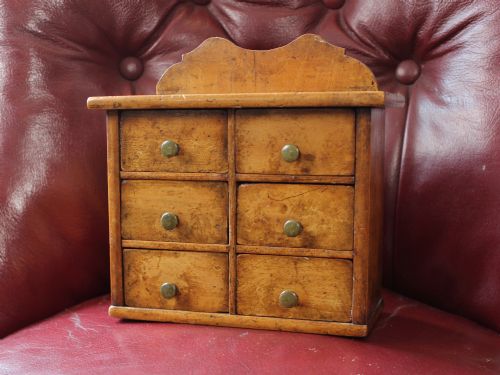
Buyers will most frequently encounter multi-tiered boxwood spice towers and small wooden drawer sets alongside metal and silver-plated containers from India and Britain.
How they were made
Turned wood and joined construction dominate the evidence, utilising dense timbers such as boxwood, fruitwood, mahogany, oak, and pine.
Cabinetmakers and treen turners shaped these objects on lathes or joined small planks for wall boxes, incorporating brass hinges, locks, and inlaid details.
Silver and metal versions involve silversmithing techniques, engraving, and hand-carved hardwood methods seen in regional Indian and British kitchen collectables.
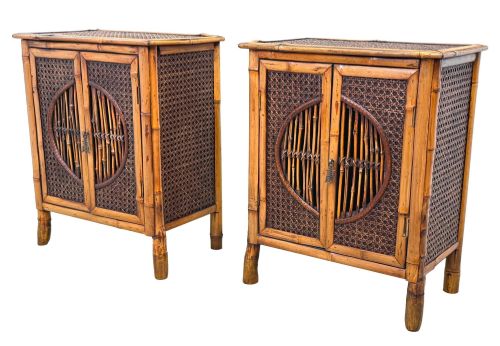
Materials across the listings include boxwood, oak, pine, fruitwood, mahogany, burr walnut, bamboo, brass, and silver.
What varies in quality
The standard of a 19th century spice box depends on the choice of timber, from humble pine and painted surfaces to finely grained boxwood, burr walnut, and inlaid mahogany.
Complexity of form distinguishes simple wall boxes from tiered spice towers and nested containers that require precise joinery and turning.
The crispness of turned details, the retention of original brass hardware, and the survival of internal compartments dictate the standing of each piece.
The 19th Century Spice Box Glossary
- Treen
- Small handmade wooden household objects. These items display the grain and lathe marks of nineteenth-century turning.
- Spice Tower
- A vertically stacked multi-tiered container. Such pieces unscrew or separate into individual compartments for various seasonings.
- Pandan
- An Asian betel nut or spice box. These containers often feature silver plating, fine metalwork, or hand-carved hardwood.
- Nutmeg Grater
- A pocket-sized kitchen implement for grating hard spices. They frequently incorporate a small metal rasp and a storage compartment.
- Tabletop Cabinet
- A miniature piece of furniture for surface placement. These small drawer sets and cupboards house collections of small items.
19th Century Spice Box: Frequently Asked Questions
What were spice boxes used for?
These containers held precious culinary aromatics, whole nutmegs, and kitchen seasonings safely away from damp air in nineteenth-century domestic kitchens.
Smaller pocket versions allowed individuals to grate fresh nutmeg directly into food or drink at the table.
How do I date a spice box?
Dating relies on examining the timber species, construction methods, and hardware styles associated with Georgian, Regency, and Victorian periods.
Turned boxwood towers and inlaid mahogany cabinets often carry specific stylistic markers characteristic of their decade of manufacture.
Where should I display a spice tower?
Tiered towers and small tabletop cabinets suit placement on sideboards, kitchen dressers, or library shelves where their turned wood can be seen.
Wall-hanging spice boxes mount securely in traditional kitchen spaces to preserve their original domestic function.
Are all spice boxes made of wood?
While the majority of pieces utilise British and European timbers like boxwood, fruitwood, and pine, several examples employ metals.
Silver cylinder nutmeg graters and silver-plated Indian pandan boxes introduce alternative materials into nineteenth-century spice storage.