



Vintage Herb Drawers
These vintage herb drawers are multi-drawer storage units designed for sorting small ingredients, prized for their dense grids of compartments and tactile wooden pulls.
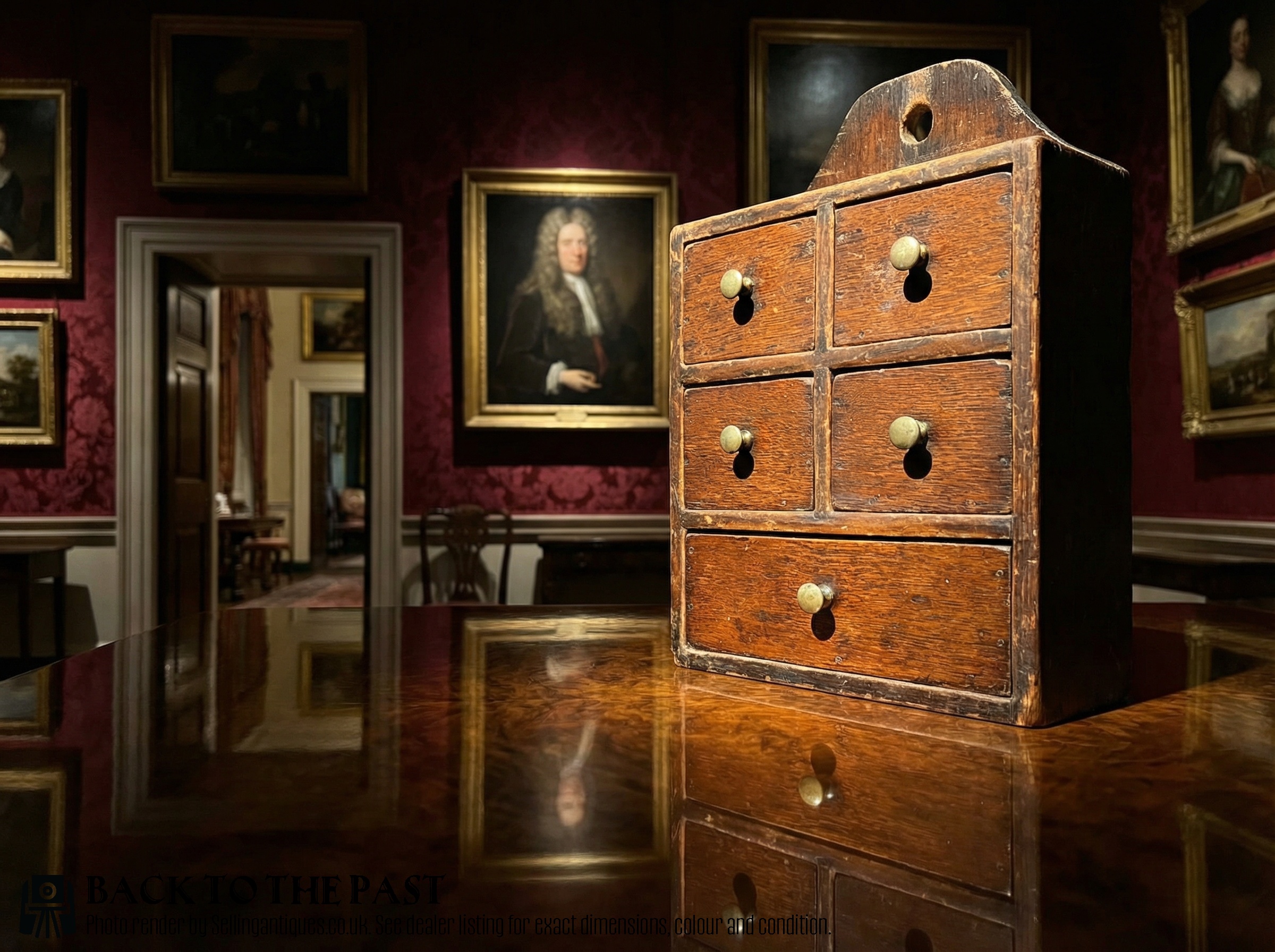
Vintage Herb Drawers
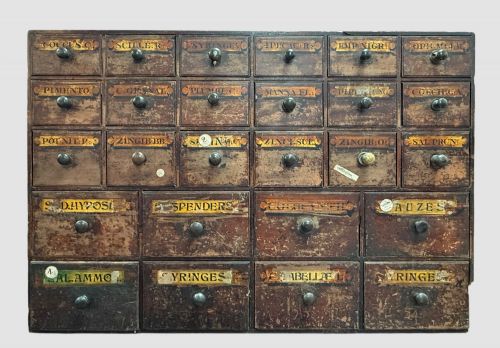
When you search for vintage herb drawers, you are looking at specialised multi-compartment storage units historically used for apothecaries, pharmacies, and domestic spice organisation. The examples you are most likely to meet on this page span the nineteenth century through the early twentieth century, taking the form of banks of drawers, apothecary chests, and wall-hanging spice boxes.
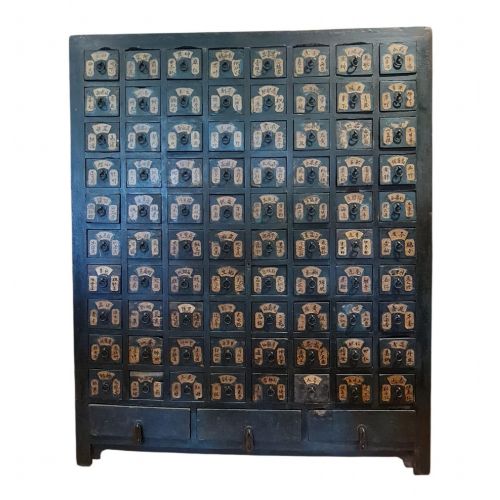
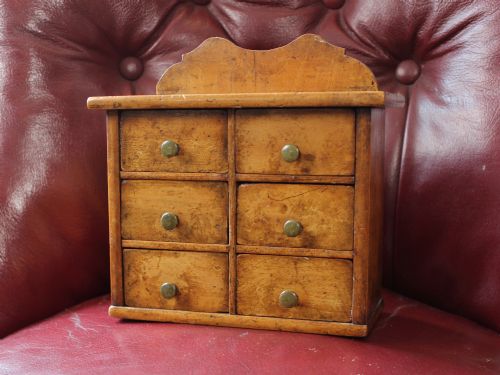
The regional origins of these pieces vary widely across the selection, encompassing British and European country workshops as well as Chinese provincial and Japanese traditions. Forms range from compact wall-hanging boxes in oak and pine to monumental elm apothecary chests featuring dozens of small compartments.
Materials and construction
Construction relies heavily on traditional timber framing using materials such as mahogany, pine, oak, elm, fruitwood, and general wood. These hardwoods and softwoods provide the structural integrity required to support dozens of individual drawers within a single frame.
Hardware details incorporate brass and iron for drawer pulls, hinges, and corner reinforcements. Surface finishes include natural wood patinas and occasional lacquer, reflecting the utilitarian origins of these functional storage pieces.
Vintage Herb Drawers Retail Price Guide 2026
Typical asking prices for vintage herb drawers among the pieces listed under this phrase on Sellingantiques today, from the lower quarter to the upper quarter. They describe what is for sale here now, not the wider market.
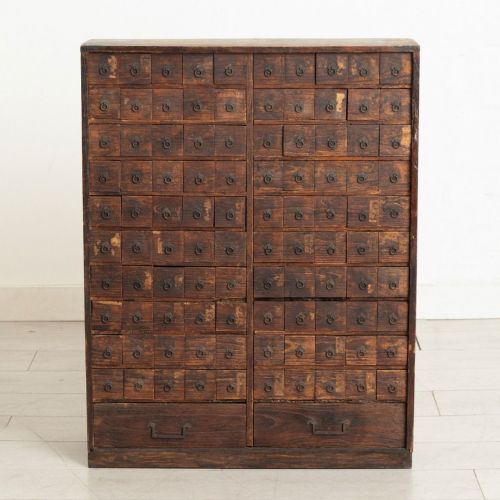
One extraordinary chest manages to squeeze eighty distinct drawers into a single frame, offering a lifetime of tiny hiding spots.
Assessing quality and character
Quality in these multi-drawer units is defined by the integrity of the joinery and the scale of the compartmentalisation. A well-constructed chest maintains smooth operation across numerous small drawers, whereas lesser examples suffer from warped timber or poorly fitted runners.
The choice of primary timber also distinguishes the pieces, with dense hardwoods like mahogany and elm offering greater durability compared to softer pine alternatives. Original hardware, such as matching brass pulls and intact iron fittings, elevates the integrity of the piece.
The Vintage Herb Drawers Glossary
- Bank of drawers
- A multi-tiered cabinetry form featuring numerous small drawers arranged in a grid, built for sorting bulk ingredients or medicines.
- Apothecary chest
- A specialised cabinet historically used to store dried herbs, roots, and medical preparations in separate compartments.
- Spice box
- A compact wall-hanging or tabletop storage container designed for domestic culinary provisions.
- Elm
- A tough, interlocking hardwood utilised in provincial cabinetry for its resistance to splitting under structural stress.
- Lacquer
- A durable resin finish applied to wooden surfaces in East Asian furniture traditions to provide protection and a glossy sheen.
Vintage Herb Drawers: Frequently Asked Questions
What were vintage herb drawers used for?
These multi-compartment units were historically utilised by apothecaries, chemists, and households to organise and preserve dried herbs, spices, and medical ingredients. The numerous small drawers kept individual substances separate and protected from light and air.
Today, they serve equally well in modern interiors for organising small collections, craft supplies, or desktop stationery while retaining their historical character.
How do I date a set of drawers?
Dating relies on examining the construction methods, timber selection, and hardware style. Nineteenth-century examples often feature hand-cut dovetails and native woods like oak, pine, or fruitwood.
Later pieces from the early twentieth century may incorporate machine-sawn elements or distinct regional finishes such as traditional Chinese lacquer work.
Are wall-hanging spice boxes heavy?
Wall-hanging boxes constructed from dense woods like oak and pine carry a solid weight that increases significantly when filled. They require secure wall fixings anchored directly into studs or masonry.
Smaller examples can be placed safely on kitchen countertops or sideboards if wall mounting is not practical.
How do I maintain the wood?
Maintenance involves dusting with a dry, soft cloth and occasionally applying a mild beeswax to nourish dry timber. Avoid placing wooden cabinets in direct sunlight or near heat sources to prevent the wood from warping.
Keep the drawer runners clean of debris to ensure smooth operation over time.