



Vintage Herb Cabinet
A vintage herb cabinet brings small-scale compartmentalised storage into domestic rooms, offering numerous tiny drawers for sorting collections or dried botanicals.
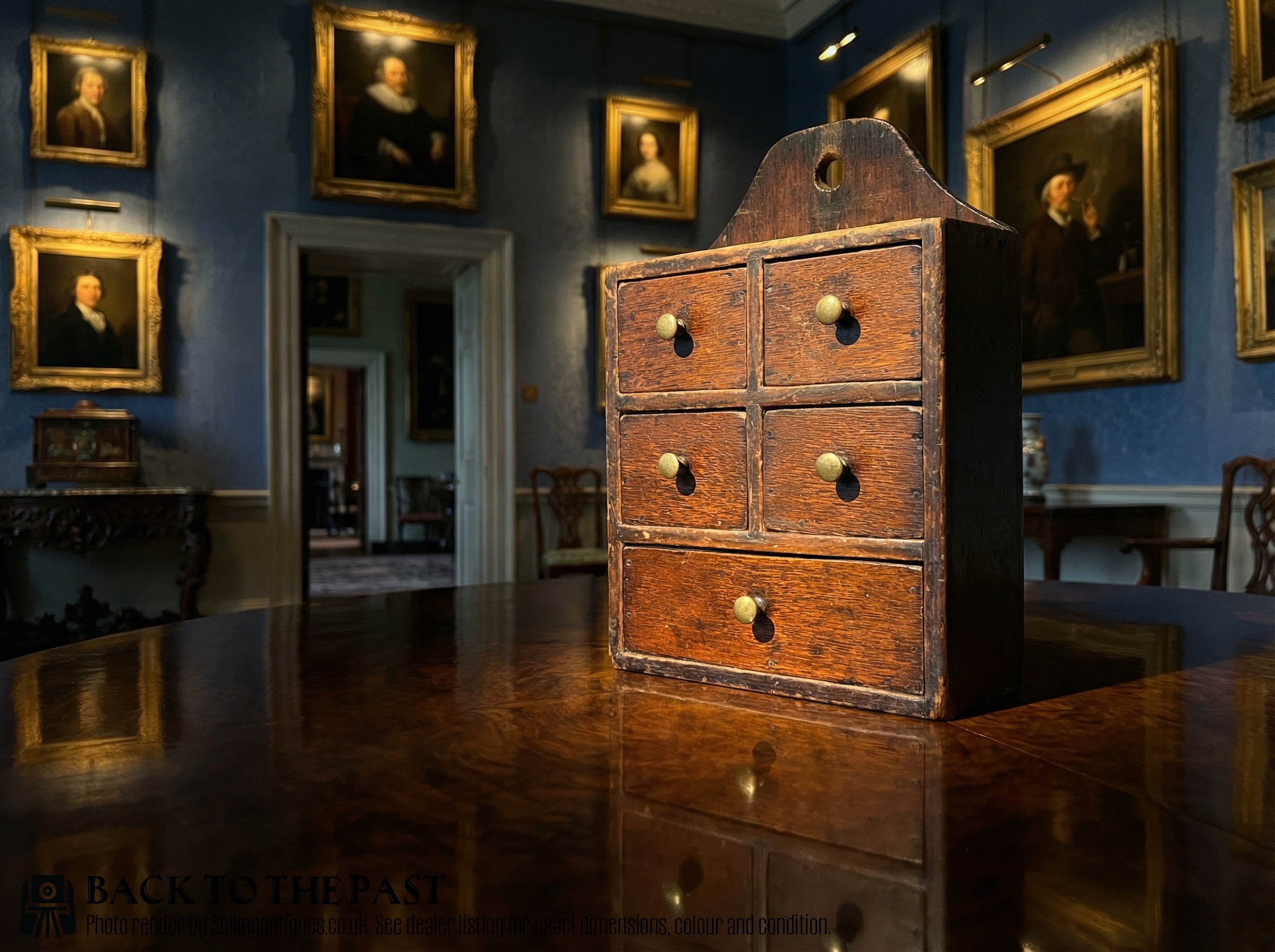
Vintage Herb Cabinet
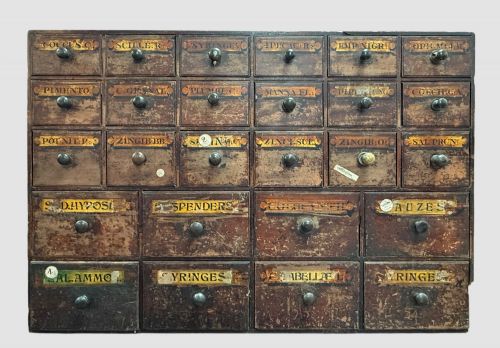
When buyers search for a vintage herb cabinet, they encounter specialised compartmentalised storage designed originally for medicinal or culinary ingredients. These pieces span the nineteenth century up to the nineteen-thirties, incorporating forms such as apothecary chests, spice drawers, and banks of drawers.
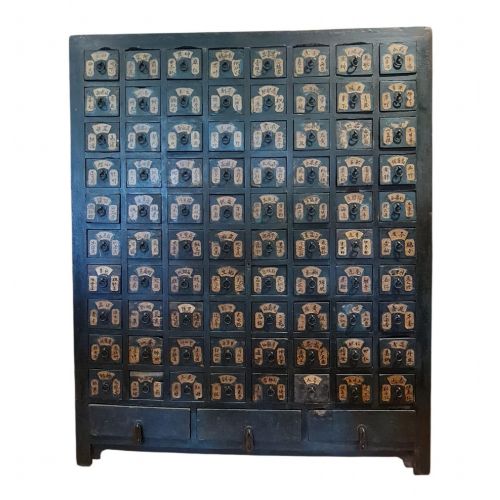
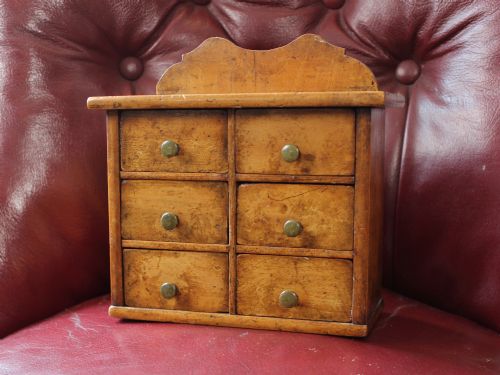
The selection ranges from British country pieces in pine, oak, and fruitwood to substantial international examples originating from China and Japan. Buyers are most likely to meet nineteenth-century English wall-hanging spice boxes alongside larger multi-drawer apothecary chests from Asian provinces.
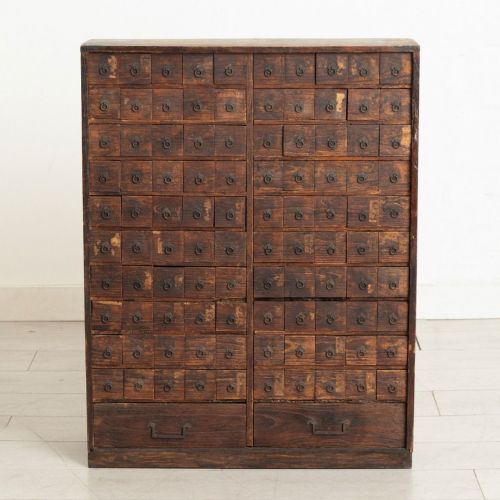
Object types vary widely in scale, shifting from compact wall-hanging boxes to imposing banks of eighty drawers constructed from elm. Each format serves the fundamental purpose of organising small items through multiplication of storage compartments.
Materials and construction methods
Construction relies upon traditional cabinet-making timbers, chiefly mahogany, pine, oak, elm, and fruitwood, selected for stability across numerous small drawer frames. Makers join these carcasses using durable woodworking joints capable of withstanding the frequent opening and closing of dozens of miniature drawers.
Metal hardware plays an essential functional role, incorporating brass pulls, iron handles, and occasionally lacquer finishes to protect the exterior surfaces. Regional variations utilise local woods, pairing native European softwoods and hardwoods with Asian elm and lacquer applications.
Vintage Herb Cabinet Retail Price Guide 2026
Typical asking prices for vintage herb cabinet among the pieces listed under this phrase on Sellingantiques today, from the lower quarter to the upper quarter. They describe what is for sale here now, not the wider market.
One exceptional Chinese apothecary chest demands absolute patience, containing precisely eighty tiny drawers for sorting distinct botanical remedies.
Factors determining quality
Quality rests upon the integrity of the multi-drawer construction and the uniformity of the numerous small pulls and handles. Superior examples maintain original hardware and consistent timber patination across every individual drawer front, showing minimal replacement over time.
The complexity of the internal configuration distinguishes standard utility pieces from exceptional workshop output. Finer items display meticulous dovetailing within the countless miniature compartments, ensuring smooth operation across extensive banks of drawers.
The Vintage Herb Cabinet Glossary
- Apothecary chest
- A multi-drawer cabinet designed originally for storing medicinal herbs, roots, and powders. These pieces feature numerous small compartments.
- Bank of drawers
- A tall or wide cabinet dominated by a dense grid of small storage drawers. This format provides exceptional sorting capacity for small objects.
- Spice box
- A small wall-hanging or tabletop container used in domestic kitchens for preserving culinary seasonings. They often combine oak and pine timbers.
- Patina
- The surface sheen and colour developed by wood and metal through age and handling. Good examples show deep, natural wear on drawer edges.
Vintage Herb Cabinet: Frequently Asked Questions
What were herb cabinets used for?
These cabinets served laboratories, apothecaries, and domestic kitchens for organising dried herbs, spices, powders, and medicinal ingredients. The multitude of small drawers kept sensitive substances separated and secure.
Today, buyers utilise the numerous compartments for storing small craft items, jewellery, or collections. Their practical layout translates easily into modern domestic spaces.
How do I date an apothecary chest?
Dating relies upon examining timber species, construction techniques like dovetailing, and the style of the brass or iron hardware. Nineteenth-century examples often display hand-sawn boards and native woods like oak, pine, or fruitwood.
Later pieces from the early twentieth century incorporate standardised fixings and occasionally machine-cut elements. Comparing the drawer joints provides the clearest indication of age.
How do I clean wooden drawers?
Cleaning requires a soft, dry cloth to remove dust from the intricate corners and numerous drawer interiors without damaging the aged surface. Moisture should be avoided to protect antique wood and historic finishes.
Applying a traditional beeswax polish helps nourish dry timbers while preserving the natural patina. Gentle maintenance ensures the small drawers continue to slide smoothly.