



19th Century Spice Chest
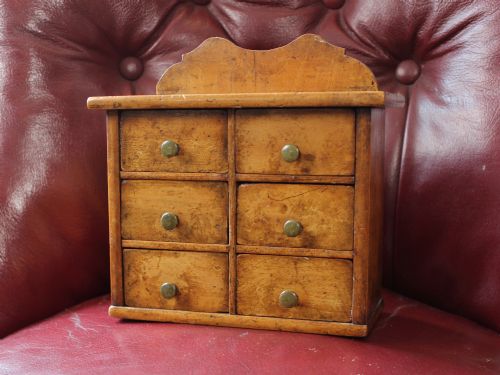
A 19th century spice chest brings compact, compartmentalised storage into domestic spaces through small wooden drawers and cabinets.
19th Century Spice Chest
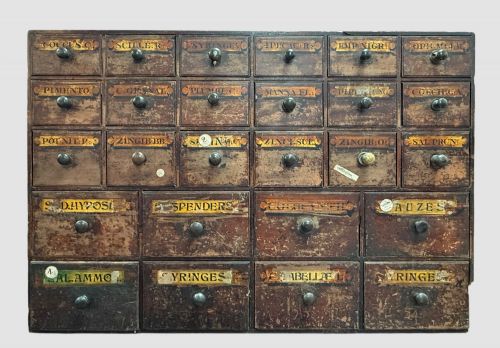
These 19th century spice chest pieces encompass miniature furniture, tabletop cabinets, wall cabinets, and banks of drawers designed to hold provisions or small goods. Buyers encountering this category will frequently find variations such as spice drawers, apothecary cabinets, and miniature chests.
The objects stem from periods including the Georgian era, the Regency era, and the Victorian era, alongside specific regional identities like Scandinavian country and Victorian Welsh country. Their forms vary from wall-hanging spice boxes to small lockable tabletop units and miniature chests of drawers.
Materials and construction
Cabinet makers utilised a range of timbers including mahogany, oak, pine, fruitwood, boxwood, and burr walnut. These woods formed the primary bodies and internal drawer structures of the cabinets and miniature chests.
Construction methods incorporated brass fittings for handles, escutcheons, and locks, whilst surface finishes involved natural wood polish or painted treatments such as Scandinavian and country finishes.
19th Century Spice Chest Retail Price Guide 2026
Typical asking prices for 19th century spice chest among the pieces listed under this phrase on Sellingantiques today, from the lower quarter to the upper quarter. They describe what is for sale here now, not the wider market.
The listings show pieces constructed from pine, brass, mahogany, oak, fruitwood, boxwood, and paint across Georgian, Regency, and Victorian periods.
Assessing quality
Quality rests upon the selection of timber and the precision of the joinery, distinguishing finely figured mahogany or burr walnut from utilitarian pine. The integration of decorative elements like boxwood inlay demonstrates greater craftsmanship than plain constructed boxes.
Hardware integrity, such as original brass handles and working locks with keys, elevates the standing of a piece. The proportional balance of miniature chests and the neatness of internal drawer dovetailing mark the distinction between everyday utility items and finer cabinet work.
The 19th Century Spice Chest Glossary
- Miniature furniture
- Small-scale pieces constructed by cabinet makers either as masterworks, salesman samples, or compact domestic storage. These items replicate the proportions of full-size chests and cabinets in miniature.
- Bank of drawers
- An arrangement of multiple small drawers stacked vertically or horizontally within a single housing. Such configurations were utilised in pharmacies, homes, and offices for sorting small items.
- Escutcheon
- A protective plate surrounding a keyhole, frequently cast in brass on these cabinets. It prevents the wood around the lock from sustaining wear through repeated use of the key.
- Fruitwood
- Timber derived from fruit-bearing trees such as apple, pear, or cherry, employed for its dense grain and warm tone. Cabinet makers selected it for smaller decorative items and drawer fronts.
- Inlay
- A technique where pieces of contrasting wood, such as boxwood, are inserted into recessed portions of the primary timber surface to create linear or geometric patterns.
19th Century Spice Chest: Frequently Asked Questions
What were 19th century spice chests used for?
These cabinets and drawer sets served primarily to store domestic provisions, culinary spices, or medicinal items securely within the home. Their small scale kept valuable or aromatic ingredients organised and protected from moisture.
Over time, many of these small chests transitioned into decorative display items or general storage for small trinkets while retaining their original compartment layouts.
How do I tell a Georgian chest from a Victorian one?
Georgian and Regency pieces frequently display formal timber choices like mahogany alongside refined inlay work such as boxwood strings. Their proportions tend to follow classical architectural lines.
Victorian pieces often encompass broader regional styles, including country pine or Welsh vernacular designs, which exhibit simpler construction methods and painted surfaces.
Are these chests meant for walls or tables?
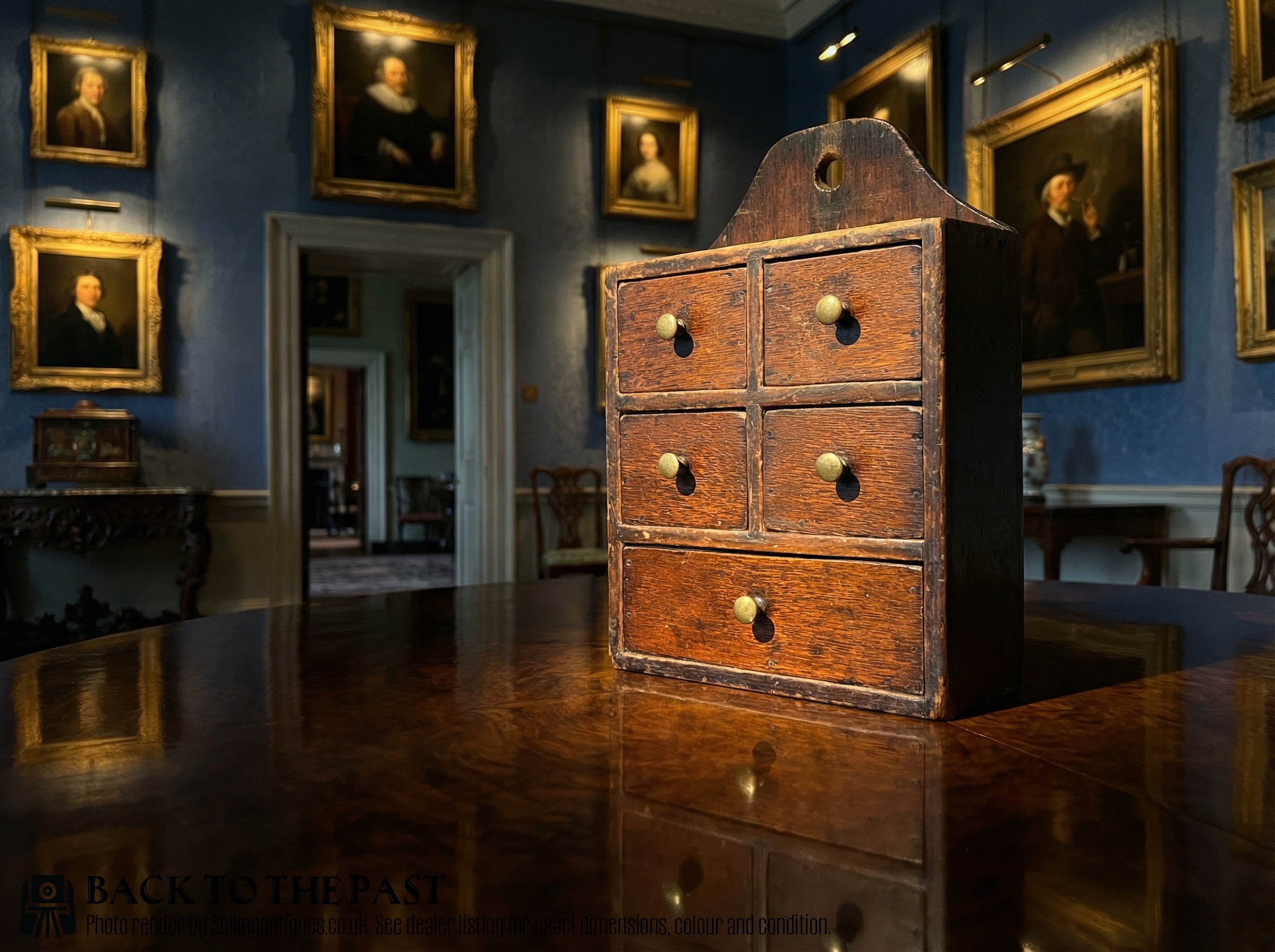
The evidence shows both wall-hanging spice boxes and freestanding tabletop cabinets or miniature chests of drawers. Wall-hanging versions feature integrated backboards or hanging holes for domestic kitchen placement.
Tabletop cabinets and banks of drawers rest directly on surfaces, functioning as miniature pieces of case furniture designed to sit upon larger sideboards or desks.
What woods should I expect to see?
Common timbers recorded include mahogany, oak, pine, fruitwood, boxwood, and burr walnut. Hardwoods like mahogany and walnut typically appear in more formal Georgian and Victorian pieces.
Softer woods like pine, frequently combined with oak or finished with paint, characterise country and regional pieces from Scandinavian and Welsh traditions.