





Wall Hanging Spice Box
A wall hanging spice box offers a glimpse into early domestic storage, combining timber construction with compact kitchen utility.
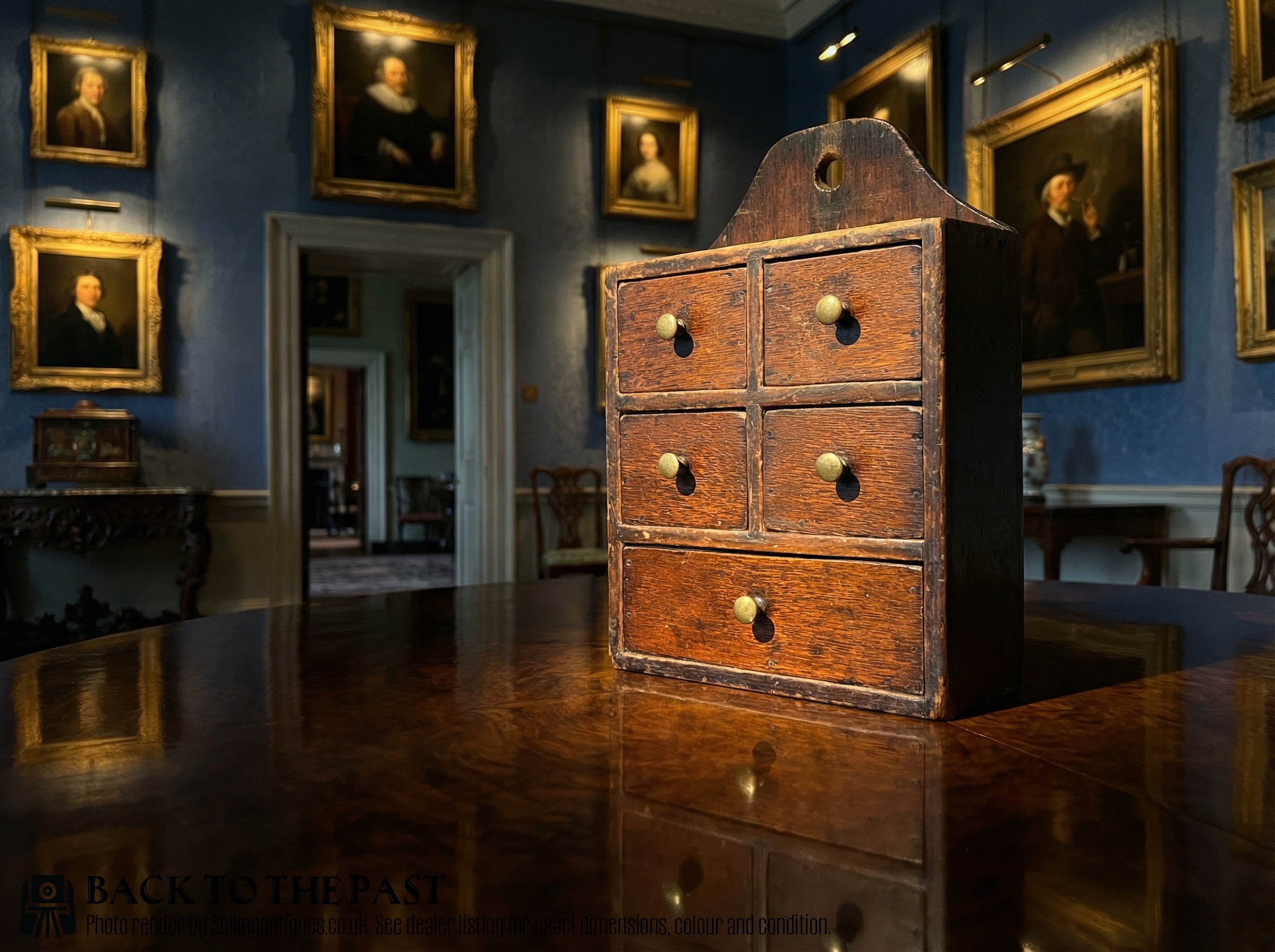
Wall Hanging Spice Box
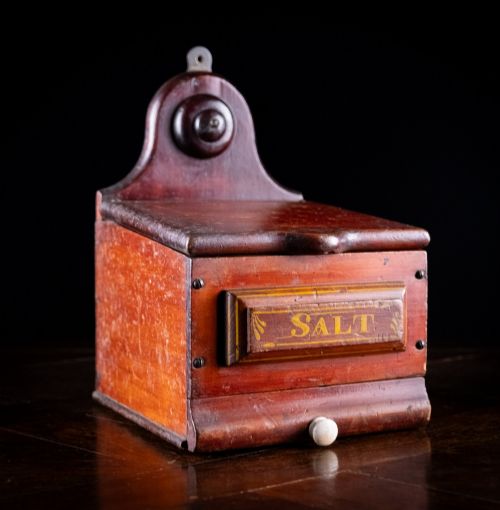
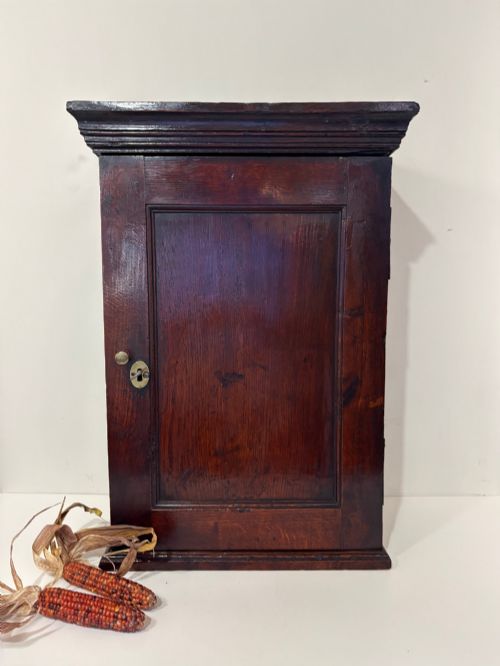
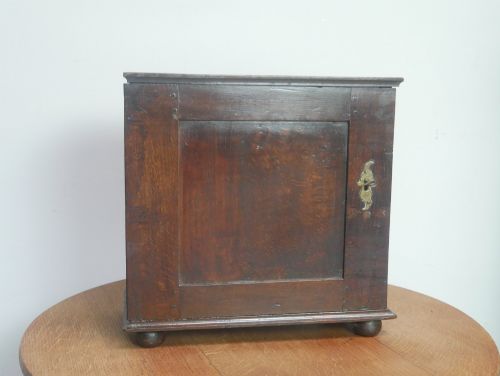
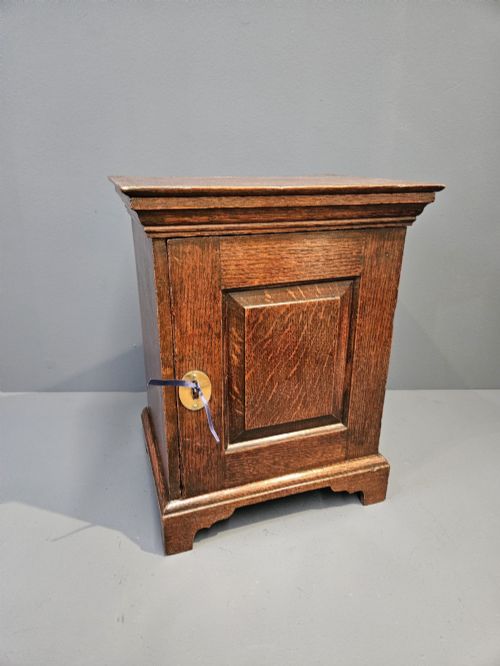
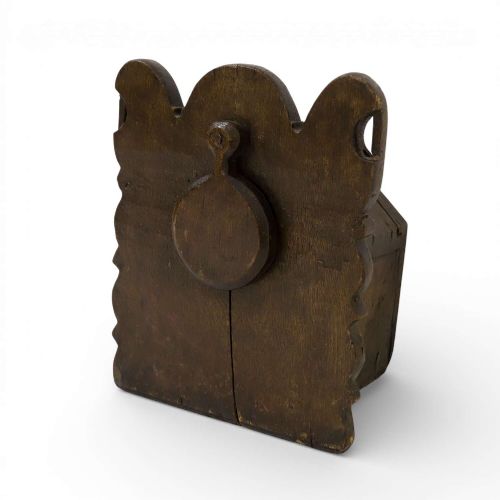
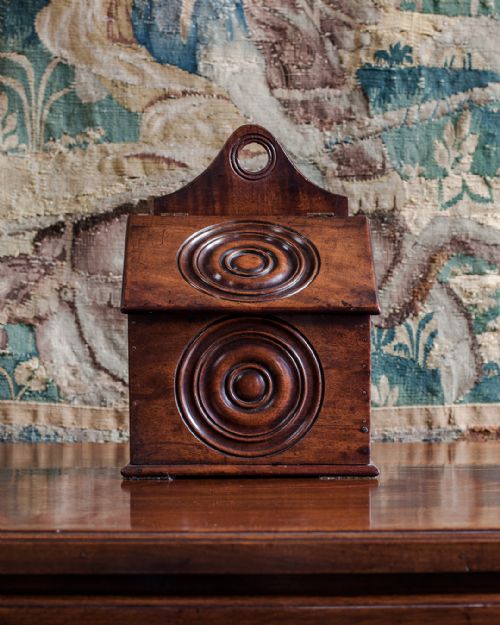
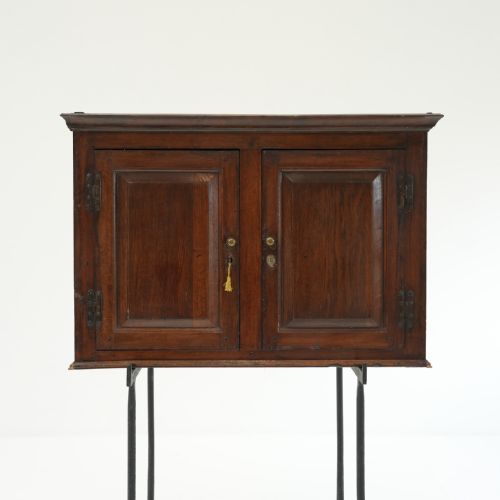
A wall hanging spice box is a compact wooden cabinet or container designed to be mounted on a kitchen wall, keeping valuable seasonings and provisions safe and close at hand. These pieces appear in forms such as small cupboards with drawers, salt boxes, and wall cabinets originating from the seventeenth, eighteenth, and nineteenth centuries.
Makers designed these compact pieces to utilise limited kitchen space efficiently, frequently dividing the interior with small drawers or compartments tailored for storage. Their survival demonstrates the enduring utility of vernacular woodwork created for daily household tasks.
Materials and construction methods
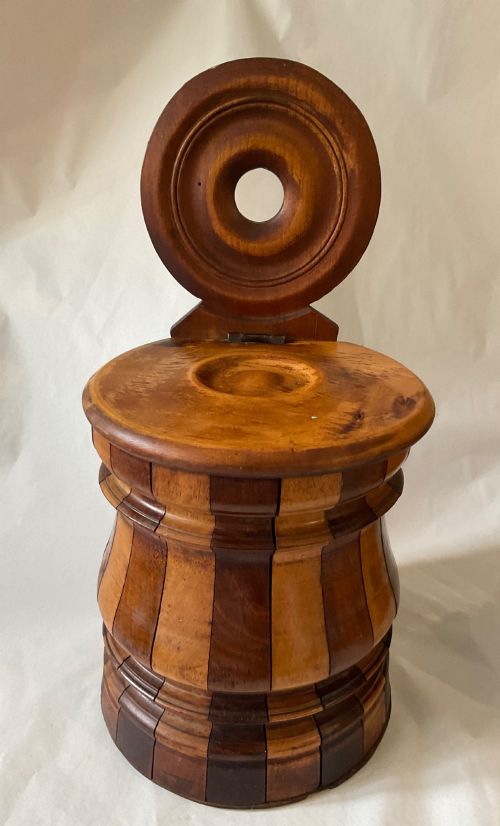
Makers relied primarily on solid timbers such as oak, mahogany, and pine, frequently combining mixed woods within a single piece to construct the cabinet frame and internal drawers. Construction often involved pegged joints and simple panel work suited to rural workshops and country joinery.
Iron and brass provided the functional hardware, including hinges, latches, and pulls that secured the doors and allowed the boxes to be hung securely on walls. Surfaces were sometimes left with natural patination or finished with early red paint and Scandinavian folk art decorative touches.
Wall Hanging Spice Box Retail Price Guide 2026
Typical asking prices for wall hanging spice box among the pieces listed under this phrase on Sellingantiques today, from the lower quarter to the upper quarter. They describe what is for sale here now, not the wider market.
The object types recorded here range from simple salt boxes and small wall cabinets to dedicated spice cupboards with internal drawers.
Judging quality in domestic woodwork
The distinction between ordinary and superior examples lies in the selection of timber, the integrity of the original hardware, and the crispness of any carved detailing. Pieces retaining their original surfaces, hinges, and internal spice drawers command greater appreciation from collectors of vernacular furniture.
Proportion and regional character also dictate distinction, as cabinets displaying well-balanced George II or Welsh vernacular proportions exhibit a deliberate design sensibility. Alterations to the timber or replaced hardware shift a piece away from its original state, altering its integrity.
The Wall Hanging Spice Box Glossary
- Vernacular furniture
- Domestic pieces made by local carpenters or country joiners for everyday use rather than high-style urban commissions. These objects often display regional characteristics and practical construction methods.
- Salt box
- A wall-mounted wooden container with a sloping lid designed to keep salt dry in domestic kitchens. They frequently share categories with wall hanging spice box listings due to their similar placement and form.
- Spice cupboard
- A small, compartmented wall cabinet intended for storing valuable dried spices and seasonings. They often feature multiple internal drawers behind a single panelled door.
- Original iron hardware
- The historical hinges, latches, and fixings attached to a cabinet when it was first made. Retaining these metal elements adds significant historical weight to an antique.
- Patina
- The surface sheen and colour acquired by wood and metal through decades of handling, exposure, and waxing. It acts as a visual record of an object's age and use.
Wall Hanging Spice Box: Frequently Asked Questions
What were wall hanging spice boxes used for?
These cabinets stored precious imported spices, herbs, and seasonings securely in domestic kitchens where they needed protection from damp and pests.
They kept valuable ingredients close to the cooking hearth while ensuring small quantities remained organised in internal drawers.
How do I mount a wall hanging spice box safely?
Most antique wall cabinets feature original hanging loops, brackets, or pre-bored holes in the backboards designed for wall attachment.
Weight distribution matters, so secure fixings into wall studs or appropriate masonry anchors ensure the historical timber bears no undue stress.
How can I tell an eighteenth-century box from a nineteenth-century one?
Eighteenth-century examples often display hand-sawn timber marks, pegged frame construction, and vernacular proportions typical of Georgian or country workshops.
Nineteenth-century pieces may incorporate secondary woods like pine alongside oak, reflecting shifts in regional cabinet-making practices.
Are painted finishes on these boxes authentic?
Some pieces retain early paint schemes, such as red paint traces or Scandinavian folk art decoration applied during the period of use.
Close inspection under magnification helps determine whether a painted surface is contemporary with the timber or added at a later date.