
Small Wooden Storage Chest
A small wooden storage chest offers compact utility in solid oak, mahogany, and walnut, uniting period craftsmanship with practical everyday storage.
Small Wooden Storage Chest
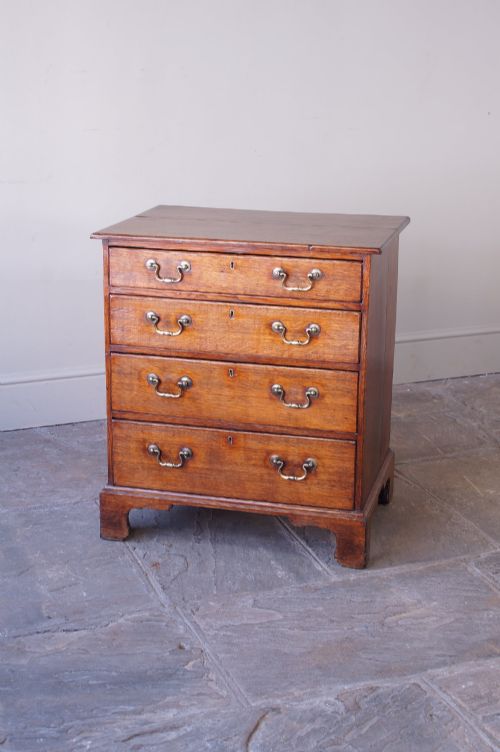
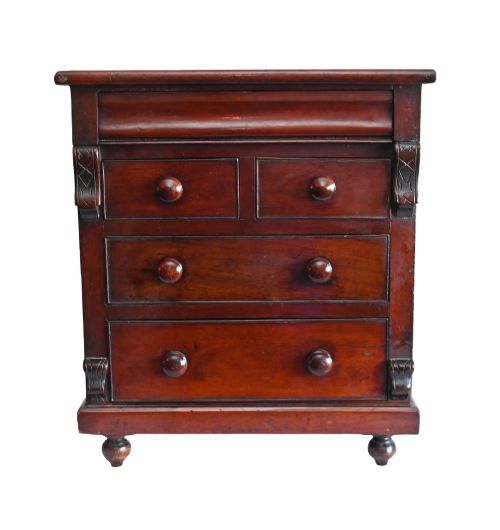
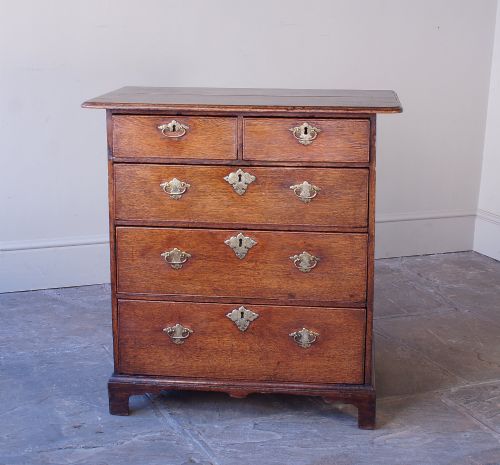
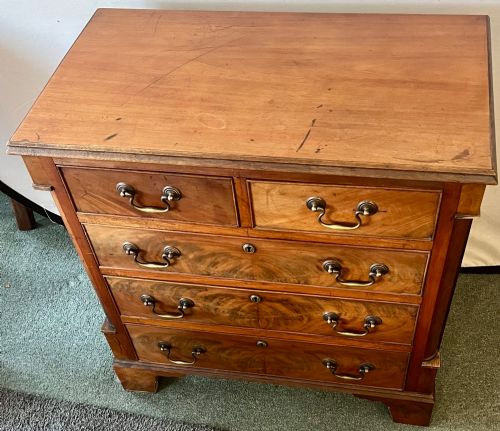
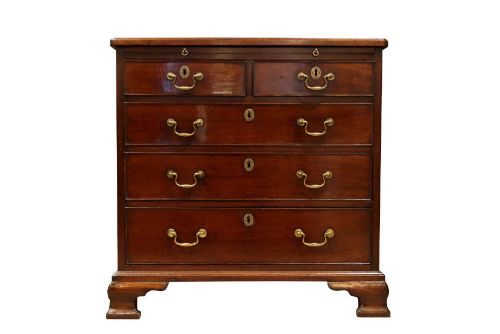
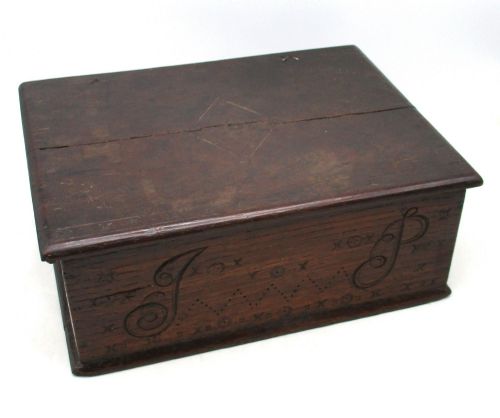
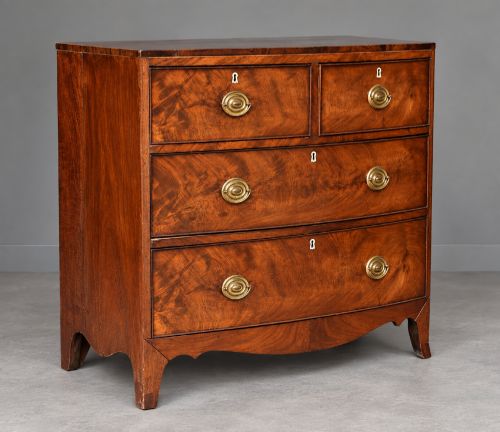
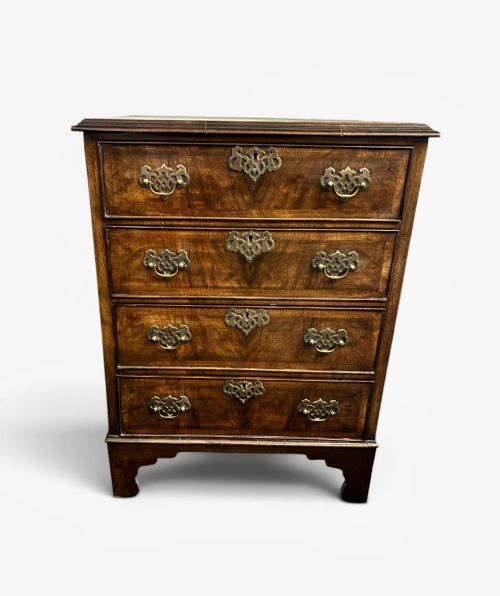
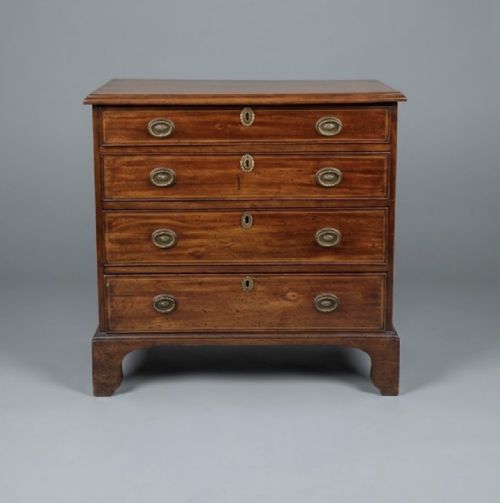
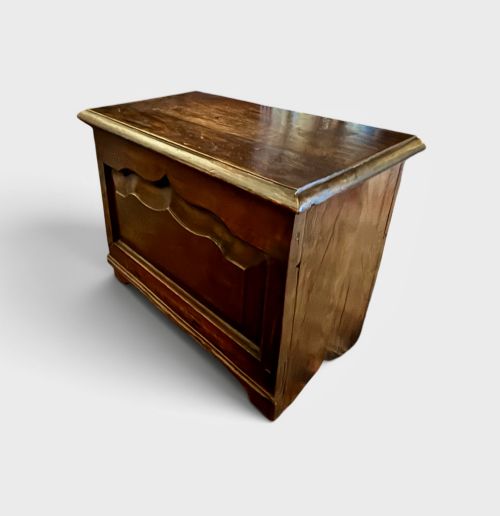
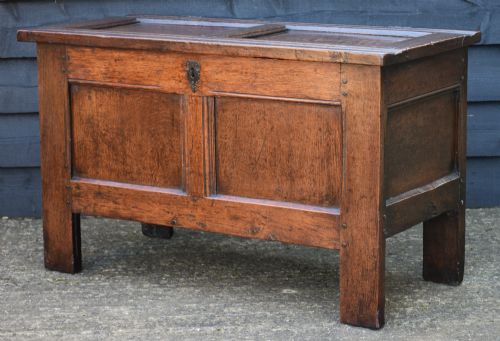
Buyers seeking a small wooden storage chest encounter diverse compact forms, ranging from seventeenth-century oak coffers to eighteenth-century Georgian drawers and nineteenth-century miniature apprentice pieces. These items serve to store documents, jewellery, and small household goods while occupying minimal floor or table space.
The selections span distinct historical periods, including Georgian, Victorian, and Edwardian eras, alongside stylistic revivals. Mahogany and oak dominate the offerings, appearing frequently alongside walnut, pine, and yew wood.
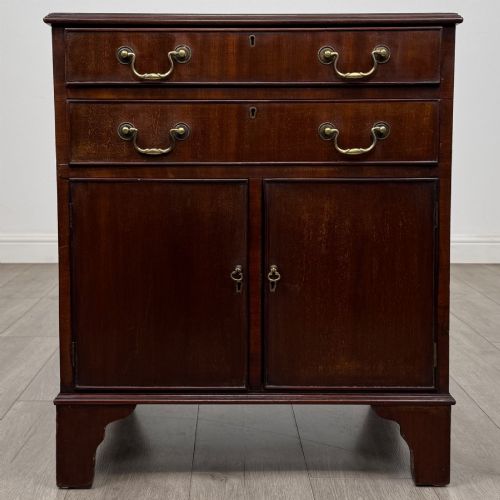
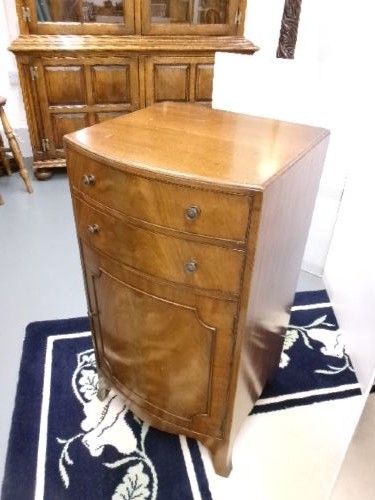
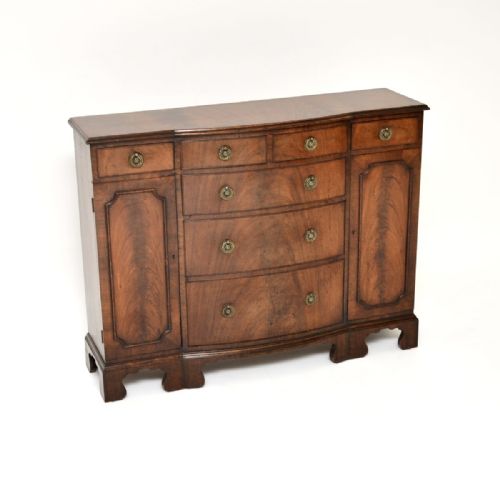
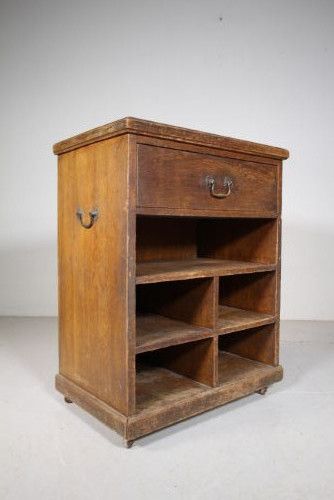
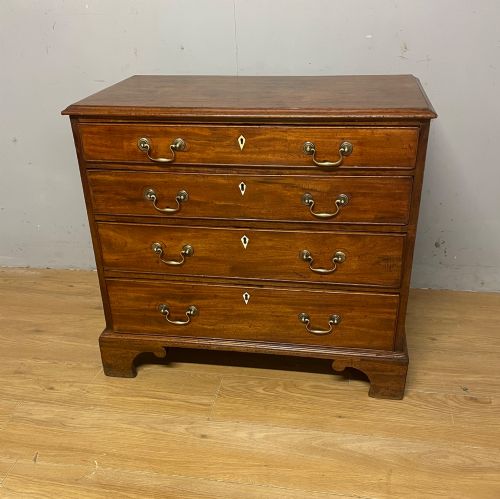
Forms vary from simple document boxes and coffer bach designs to multi-drawer cabinets, bowfront chests, and miniature chests of drawers on turned feet. Each piece reflects the domestic storage needs of its respective century.
Materials and construction methods
Cabinet makers utilised dense hardwoods such as mahogany, oak, and walnut, selecting timbers for strength and decorative grain patterns like crossbanding and figured veneers. Pitch pine, yew wood, and standard pine also appear across various periods for carcass and drawer construction.
Joining methods relied on traditional timber joinery, panelled construction for coffers, and dovetail joints for drawer boxes. Metal components such as brass handles, iron hinges, and brass escutcheons were integrated to secure lids and pull drawers.
A bank of twenty-five drawers originating from Luxmore's of Ilfracombe preserves an entire small town's worth of tiny administrative compartments.
Distinctions in quality and execution
Superior examples display crisp carving, balanced proportions, and careful timber selection, such as matched veneer panels or solid mahogany with fine natural patina. Lesser pieces exhibit simpler joinery, plain secondary timbers, or heavier later alterations.
The refinement of the hardware, including original brass drop handles and working locks with keys, elevates the standing of a piece. Finer items maintain structural integrity in the drawer linings and smooth operation in the sliding of each drawer.
The Small Wooden Storage Chest Glossary
- Coffer bach
- A small Welsh oak chest featuring a drawer beneath the main storage compartment. These vernacular pieces were traditionally used for linen or valuables.
- Bowfront
- A curved cabinet front where the central section projects outward. This convex profile gained popularity during the Georgian period.
- Crossbanding
- A decorative border of veneer laid around the perimeter of a top or drawer front so the grain runs perpendicular to the main panel. This technique frames the primary wood.
- Breakfront
- A cabinet design where the central section projects forward from the flanking outer sections. It creates visual depth in sideboards and larger chests.
Small Wooden Storage Chest: Frequently Asked Questions
How do I date a mahogany chest?
Dating relies on examining timber characteristics, construction techniques, and hardware styles. Georgian pieces often display fine hand-cut dovetails and rich patination.
Later Victorian and Edwardian examples utilise machine-sawn elements and different secondary woods inside the drawers, helping to establish the period of manufacture.
Were miniature chests used by apprentices?
Miniature chests were frequently created as masterworks by trainees demonstrating their competency to joiners' guilds. These items mirror the exact joinery of full-size furniture.
They also served domestic purposes as jewellery chests or tabletop storage units in nineteenth-century homes.
Where should I place a small chest?
These compact chests fit easily on tabletops, sideboards, or directly on the floor in hallways and bedrooms. Their limited footprint suits modern rooms requiring discreet storage.
They function effectively as bedside cupboards, document holders, or decorative accent pieces displaying surface wood grains.