

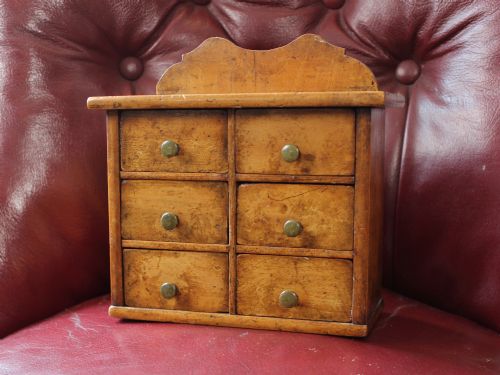


Brown Wooden Spice Drawers
Brown wooden spice drawers gather small treasures and culinary herbs within compact timber frames that bring warmth and genuine utility to any room.
Brown Wooden Spice Drawers
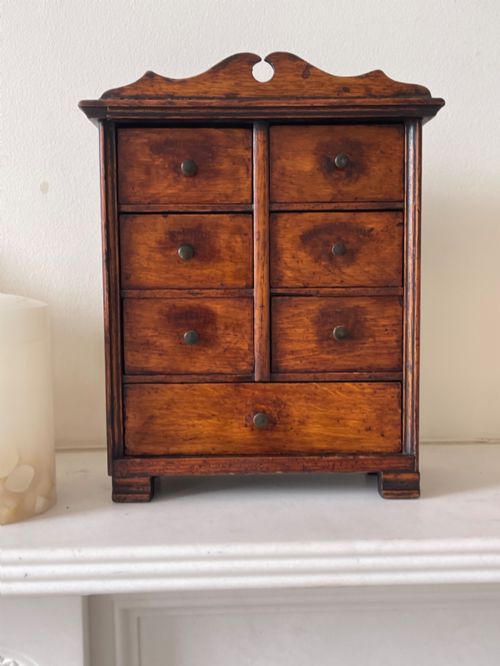
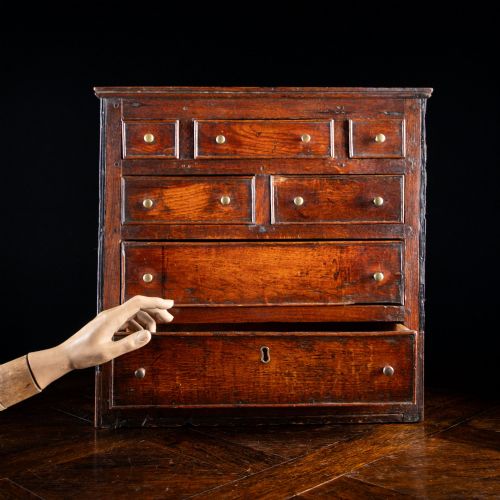
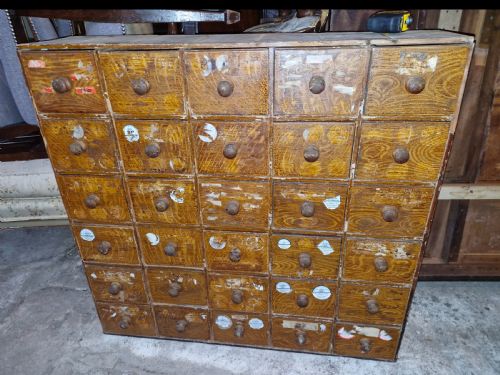
When you search for brown wooden spice drawers, you encounter compact chests, apothecary cabinets, tabletop storage, and wall shelves designed to organise small quantities of provisions or personal items. These pieces span the eighteenth and nineteenth centuries, including Georgian and Victorian examples alongside French country designs.
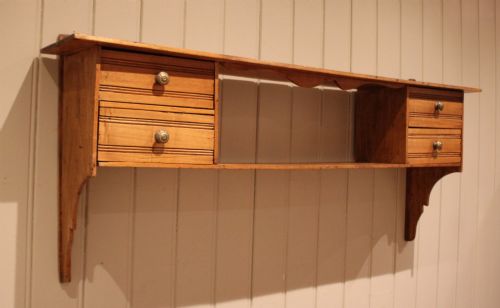
The most common formats on this page are tabletop banks of small drawers and hanging wall shelves equipped with compartments. They range from utilitarian pine and poplar constructions to finer fruitwood, mahogany, and oak pieces intended for domestic or apothecary use.
Materials and construction methods
Timbers such as pine, oak, mahogany, fruitwood, and poplar form the primary structure of these small cabinets and shelf units. Joinery relies on traditional techniques suited to miniature furniture and small-scale case pieces, ensuring stability across multiple drawer tiers.
Brass fittings frequently appear as pulls, knobs, or small handles on the drawer fronts, providing a functional contrast to the dark or warm wooden surfaces. Metal components are secured directly to the timber framing of the cabinets and chests.
Brown Wooden Spice Drawers Retail Price Guide 2026
Typical asking prices for brown wooden spice drawers among the pieces listed under this phrase on Sellingantiques today, from the lower quarter to the upper quarter. They describe what is for sale here now, not the wider market.
Listings feature timbers including mahogany, oak, pine, fruitwood, poplar, and brass.
Judging quality in small storage
Quality in these pieces rests upon the choice of cabinet timber and the refinement of the drawer construction. Finer fruitwood, mahogany, and older oak examples display tighter tolerances and more deliberate proportions than utilitarian pine or poplar storage.
The integration of brass hardware and the crispness of the miniature case work distinguish superior examples from simpler provincial items. Finer pieces maintain original structural integrity across multiple small drawers and hanging brackets.
The Brown Wooden Spice Drawers Glossary
- Apothecary cabinet
- A small chest with multiple drawers originally utilised by chemists or apothecaries to store medicinal herbs, roots, and powders. These pieces feature numerous compartments to keep ingredients separated.
- Fruitwood
- Timber harvested from fruit-bearing trees such as pear, apple, or cherry, prized by cabinetmakers for its dense grain and warm tone. It appears in several nineteenth-century pieces.
- Miniature furniture
- Scale models or small-format versions of larger chests and cabinets, often produced as apprentice pieces or for tabletop use. They replicate full-size joinery methods on a reduced scale.
- Wall shelf
- A hanging storage unit designed to be mounted directly to a wall, frequently combining open display ledges with small enclosed drawers underneath. These items save floor space while keeping provisions accessible.
Brown Wooden Spice Drawers: Frequently Asked Questions
What were spice drawers used for?
These small chests and cabinets held costly culinary spices, dried herbs, and medicinal ingredients in domestic kitchens and apothecary shops. Their multiple compartments kept individual provisions dry, organised, and secure.
Over time, owners repurposed them for storing sewing supplies, letters, or small collectables while keeping the original compartmentalised layout intact on tables or walls.
How do I date an antique spice cabinet?
Dating relies on examining the timber species, secondary woods, nail types, and overall construction methods used in the drawer frames. Eighteenth-century pieces often utilise heavy oak or native hardwoods with hand-cut joinery.
Later nineteenth-century examples incorporate machine-sawn elements, softer pine or poplar bodies, and different brass pull designs that reflect the manufacturing standards of the period.
Are these drawers suitable for modern kitchens?
These compact storage units fit well on kitchen counters, sideboards, or dining room walls to hold modern spices, tea bags, or small utensils. Their shallow depth allows them to sit comfortably in tight spaces.
Care should be taken to keep antique timber away from excessive moisture and direct heat sources to preserve the historic finish and wood stability.