


Ming Dynasty Porcelain
Ming dynasty porcelain encompasses vessels and plates shaped from porcelain and fired with cobalt glaze, offering historic ceramic artistry.
Ming Dynasty Porcelain
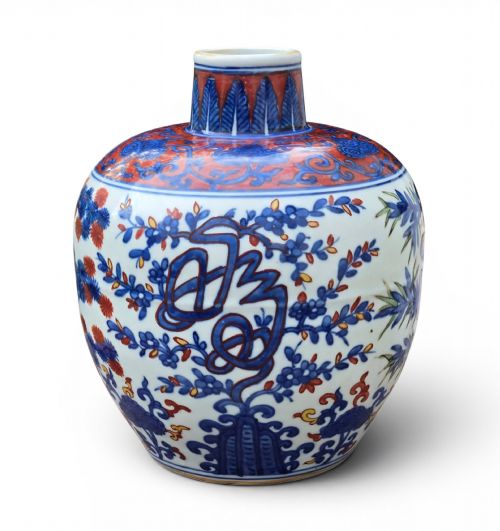
When you examine ming dynasty porcelain, you encounter forms such as chargers, bowls, vases, and incense burners spanning the sixteenth and seventeenth centuries, alongside later nineteenth-century interpretations and twentieth-century revivals.
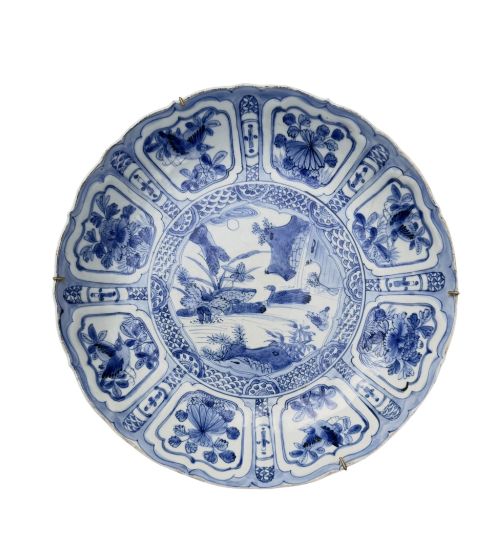
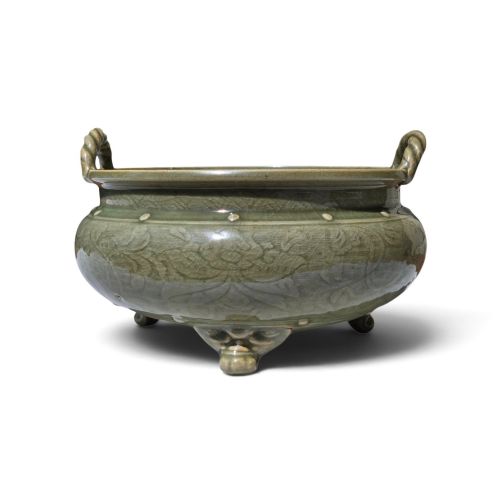
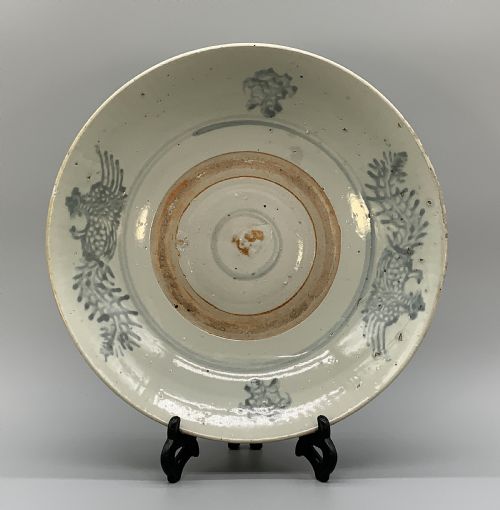
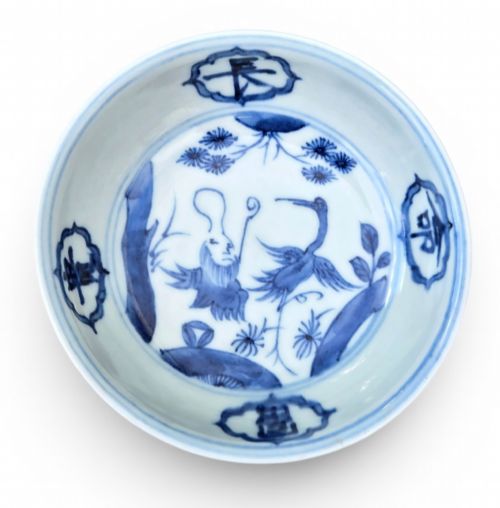
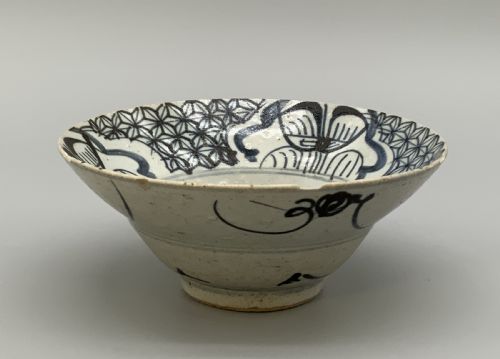
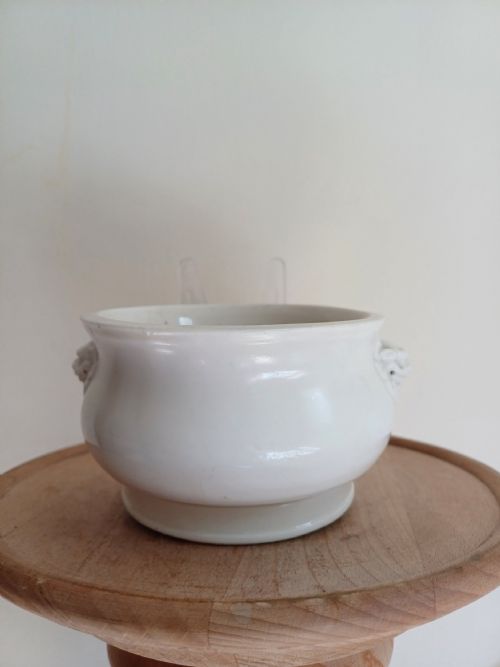
The objects include Kraak porcelain dishes, Swatow ware bowls, celadon glazed tripod censers, and blue and white saucer-dishes produced for domestic use and export.
Buyers most frequently meet sixteenth-century Wanli period items and seventeenth-century cargo pieces, defined by traditional Chinese imperial styles and cobalt blue decoration.
Materials and techniques
Potters shaped porcelain clay and applied cobalt underglaze or cobalt blue glaze before firing, creating deep blue designs against a white ground.
Alternative pieces utilised celadon glazed stoneware or incorporated iron-red enamel details over the porcelain body, yielding varied surface textures and tones.
Ming Dynasty Porcelain Retail Price Guide 2026
Typical asking prices for ming dynasty porcelain among the pieces listed under this phrase on Sellingantiques today, from the lower quarter to the upper quarter. They describe what is for sale here now, not the wider market.
Several seventeenth-century bowls spent centuries at the bottom of the sea before joining modern collections.
Quality variations
The standard of painting on ming dynasty porcelain ranges from fluid, confident brushwork depicting dragons, phoenixes, and scholars to stiffer, more formulaic interpretations on later pieces.
Control over the cobalt pigment and the consistency of the glaze application distinguish superior wares from simpler cargo ceramics made for trade.
The Ming Dynasty Porcelain Glossary
- Kraak porcelain
- A type of Chinese export porcelain characterised by panelled decoration and blue and white designs, popular during the Wanli period.
- Celadon
- A term for ceramics featuring a pale green jade-like glaze applied over stoneware or porcelain bodies.
- Swatow ware
- A category of Chinese provincial export ceramics made in Guangdong province during the late sixteenth and seventeenth centuries, often featuring bold brushwork.
- Stem cup
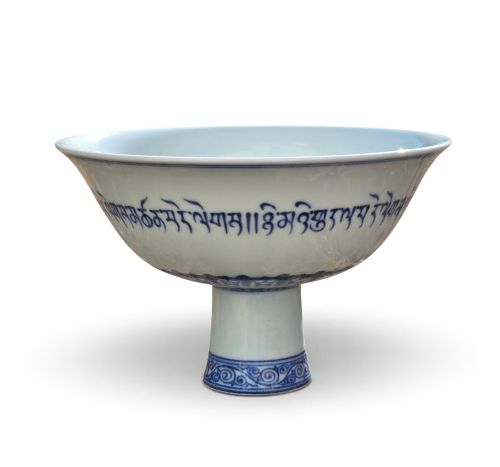
- A ceramic cup elevated on a tall, hollow foot, seen in various decorative styles.
- Underglaze
- A method of decorating pottery where pigments are applied to the unfired clay body before the clear glaze is added and fired.
Ming Dynasty Porcelain: Frequently Asked Questions
What is Kraak porcelain?
Kraak porcelain refers to Chinese export wares produced mainly during the Wanli period, distinguished by panelled designs radiating around a central motif.
These pieces were widely traded by maritime nations and often show characteristic crackle or export wear from sea transport.
How do I identify Swatow ware?
Swatow ware comprises provincial ceramics made in southern China for export markets, identifiable by gritty paste and loose, vigorous cobalt painting.
They appear as large bowls and chargers, frequently recovered from shipwreck cargo contexts.
How were blue and white designs applied?
Blue and white decoration involved painting cobalt pigment directly onto the unfired porcelain body before applying a clear glaze and firing at high temperatures.
This technique produced durable patterns depicting dragons, cranes, and floral scrolls that remained protected beneath the glossy surface.