
Mid 19th Century Seat
A mid 19th century seat brings together the robust craftsmanship and varied domestic forms of the Victorian period for daily use.
Mid 19th Century Seat
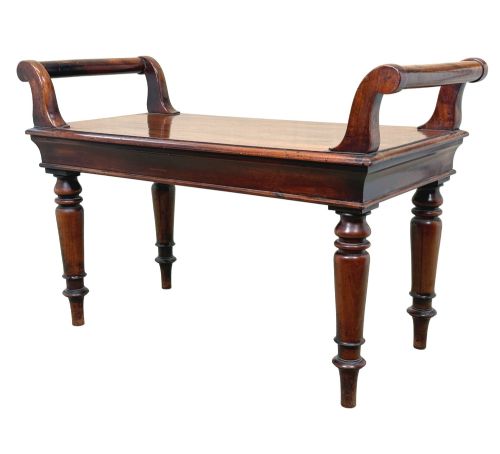
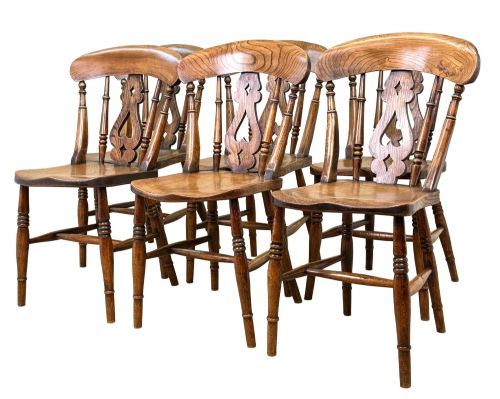
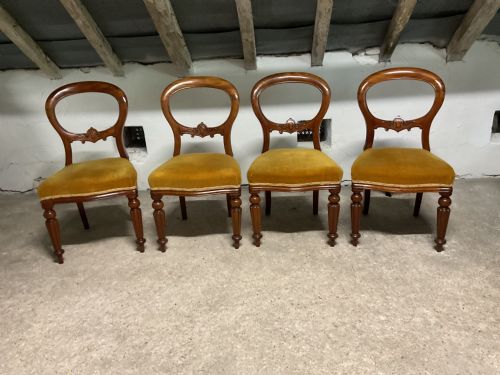
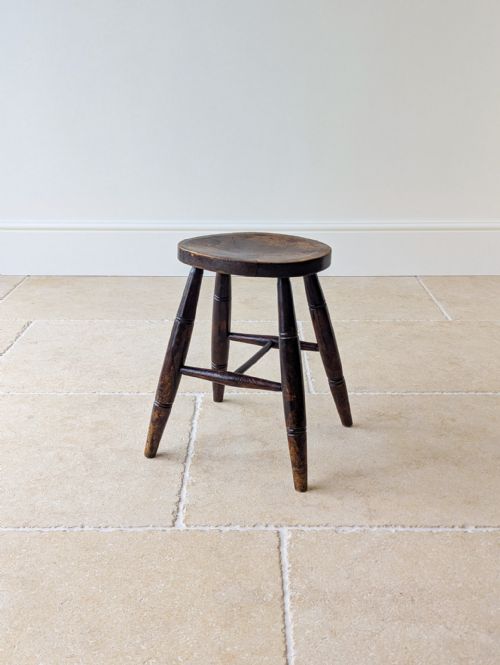
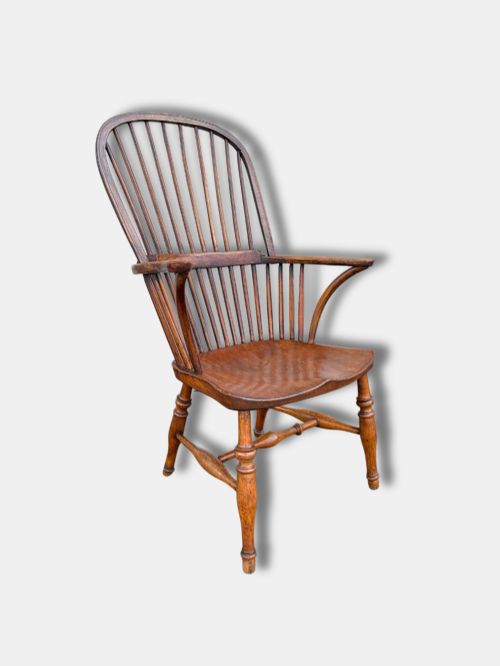
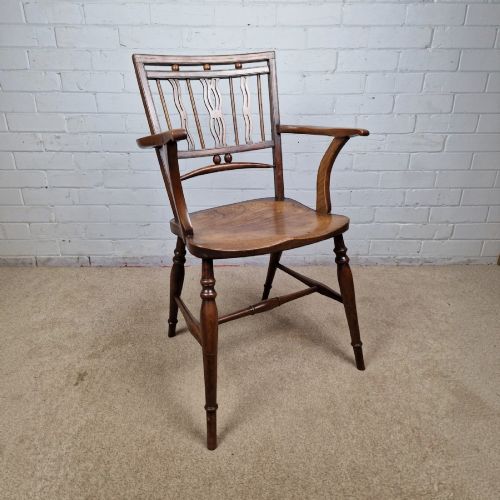
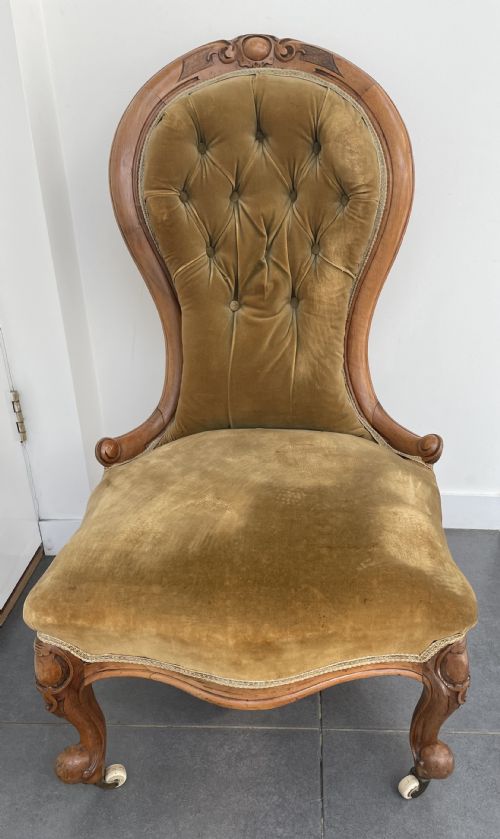
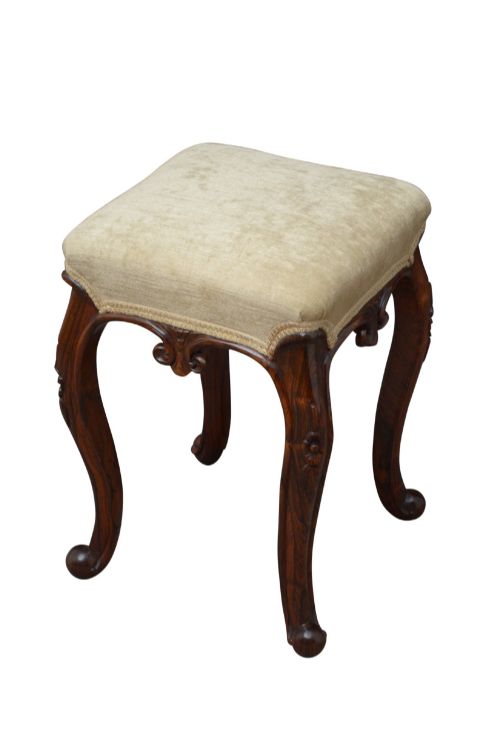
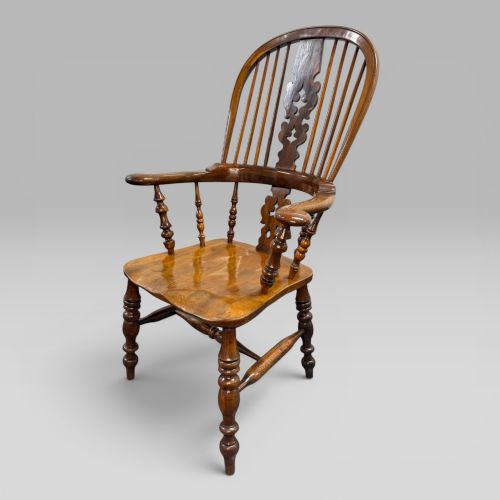
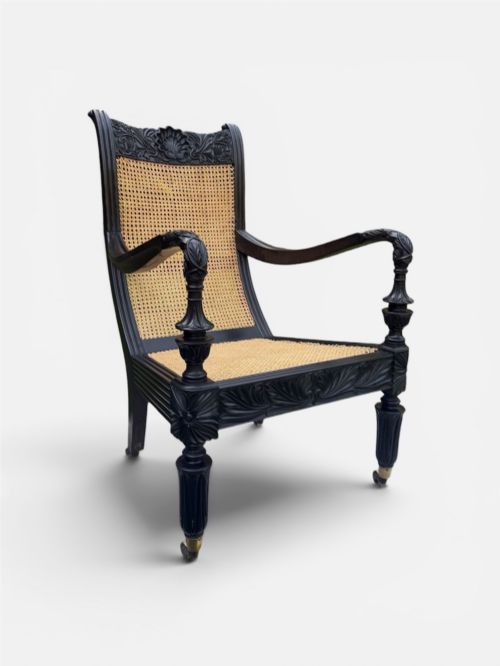
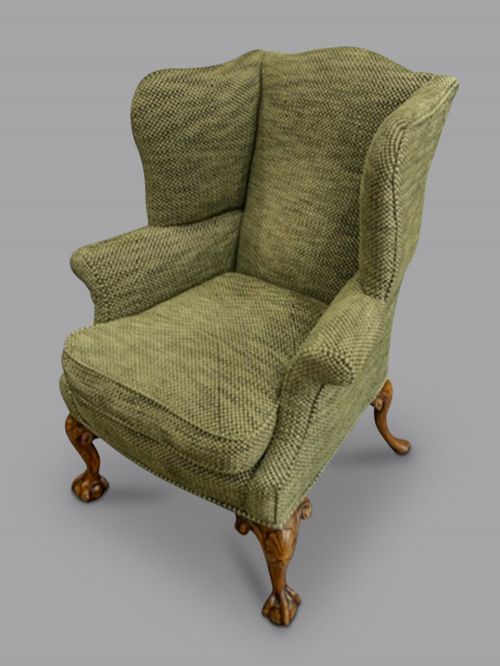
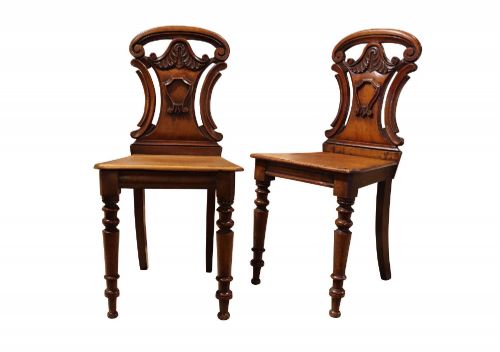
A mid 19th century seat encompasses a wide range of domestic furniture created during the Victorian era, including dining chairs, armchairs, window seats, and stools. The selection frequently includes mahogany dining sets, sturdy elm and ash Windsor chairs, and rosewood hall chairs.
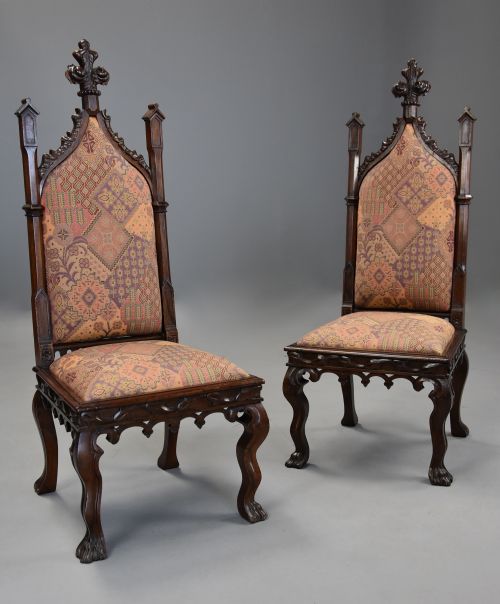
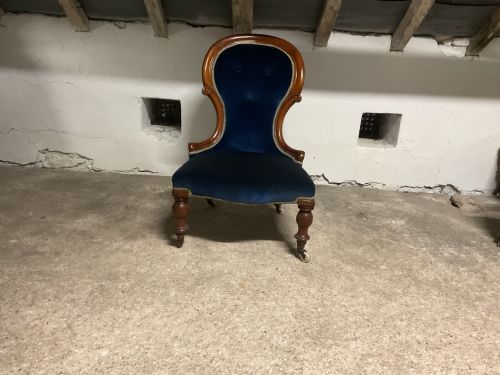
Buyers encounter numerous regional variations, from Thames Valley stickbacks to farmhouse kitchen Windsor chairs and Gothic revival window benches. The forms span formal library armchairs to low slipper chairs and piano stools designed for specific domestic rooms.
Materials and construction methods
Makers utilised dense timbers such as mahogany, rosewood, oak, elm, and ash, often pairing carved hardwoods with turned legs or joined Windsor frames. Regional craftsmen relied on traditional turning and joinery techniques to shape spindle backs and solid wood seats.
Upholstered versions incorporate fabric, leather, or velvet over sprung or padded foundations, while specialised seating employs woven rush inserts or carved wooden panels. Cabinets and workshop makers stamped or labelled select pieces with maker details.
Listings feature woods including mahogany, rosewood, oak, elm, ash, walnut, ebony, and yew wood.
Distinguishing quality in period seating
Quality rests upon the selection of timber, the crispness of hand carving, and the structural integrity of the frame joints. Superior examples display deeply figured veneers, robust turning, and original upholstery support systems.
Workshop attribution elevates certain items, particularly those bearing maker labels or exhibiting the distinctive design standards associated with prominent cabinet makers. Lesser examples show simpler construction, plain secondary woods, or excessive later alterations to the frame and finish.
W.A. Willcocks·Gillows·Howard and Sons·Holland and Sons
The Mid 19th Century Seat Glossary
- Windsor chair
- A wooden chair constructed with a solid elm or hardwood seat into which the back and legs are wedged directly. They often feature bentwood hoops and spindle backs.
- Window seat
- A long, bench-like seat designed specifically to fit within a window recess. These typically feature upholstered tops or carved wooden frames.
- Balloon back
- A chair back style shaped like an enclosed oval or balloon, popular during the mid-Victorian era. This form appears frequently on mahogany dining and nursing chairs.
- Smokers bow
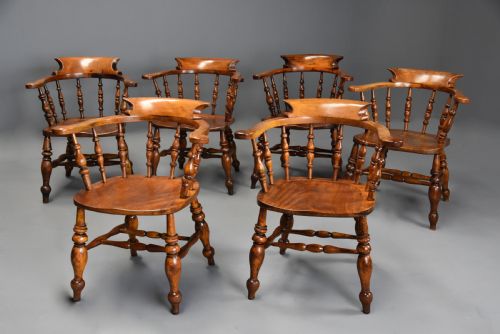
- A low-backed Windsor armchair with a rounded, continuous arm rail. They were commonly utilised in domestic parlours and commercial settings.
- Padouk
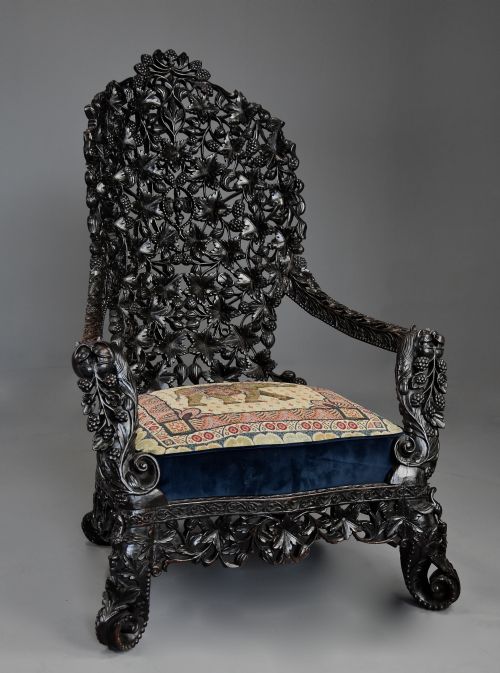
- A heavy, durable tropical hardwood with reddish tones. Craftsmen utilised this material for carved Anglo-Indian armchairs and seating.
Mid 19th Century Seat: Frequently Asked Questions
What is a mid 19th century seat?
A mid 19th century seat is any chair, stool, bench, or sofa manufactured between roughly 1850 and 1880 during the Victorian period. These items range from formal rosewood dining chairs to country elm Windsor armchairs.
They reflect the diverse domestic requirements of the era, encompassing functional hall benches, comfortable library armchairs, and decorative piano stools.
How do I identify a Windsor chair?
Windsor chairs are defined by their thick wooden seats, usually made of elm, into which independent legs and back spindles are bored. They often feature ash bow backs and can be found in regional variations like Thames Valley or farmhouse styles.
Unlike upholstered chairs, their construction relies entirely on exposed turned wood joints and saddle seats.
Where were window seats placed?
Window seats were positioned in the deep recesses of large Victorian windows to provide a comfortable place for reading or needlework. They often doubled as storage benches or hallway rests.
Their designs range from plain oak and mahogany frames to Gothic revival rosewood versions.
How do I care for antique wood seating?
Antique wood seating requires stable indoor humidity levels and protection from direct sunlight to prevent the timber and veneers from drying out. Regular dusting with a dry cloth maintains the finish without harming the patina.
Leather and fabric upholstery should be cleaned according to the specific material requirements while preserving the underlying frame.