
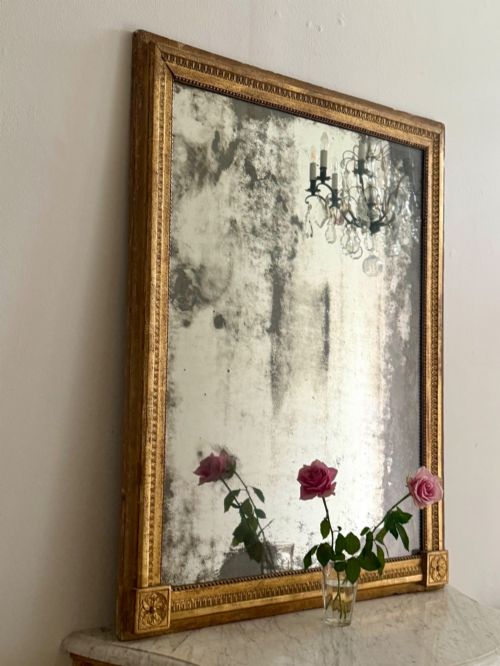
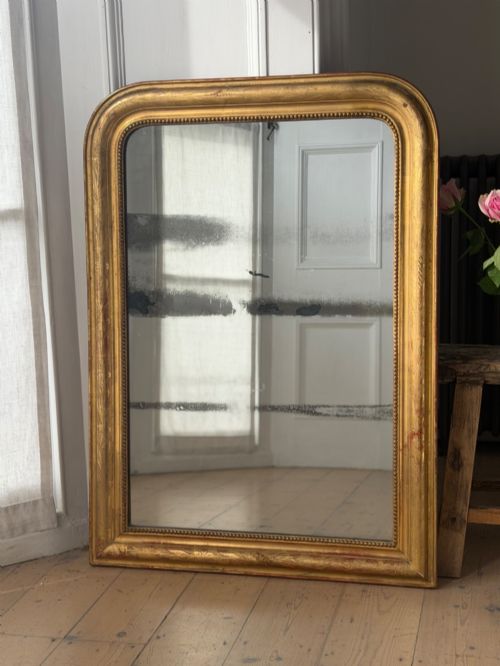
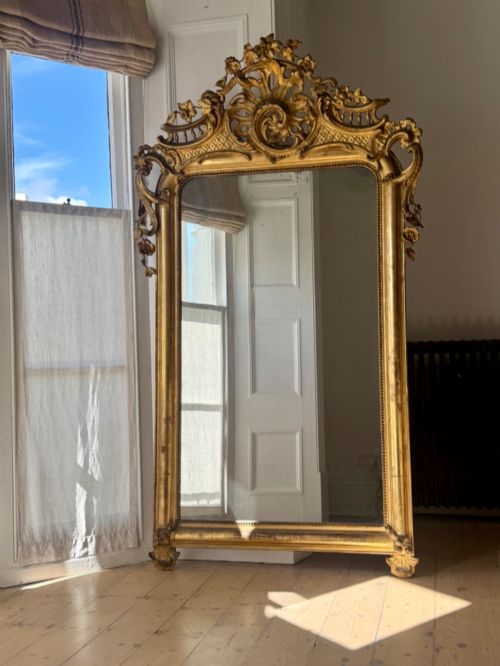
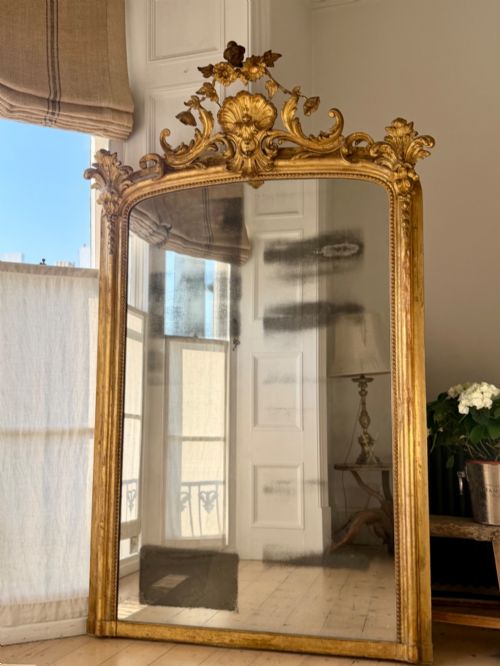

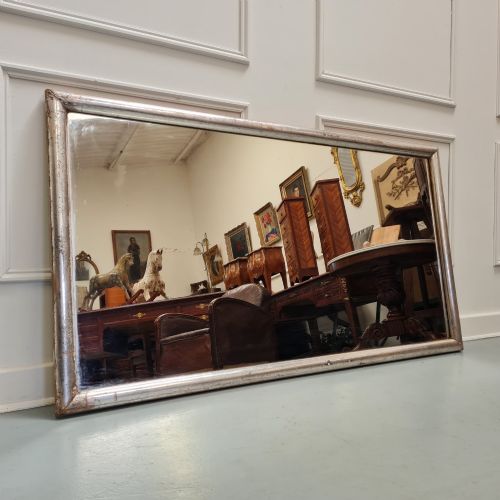
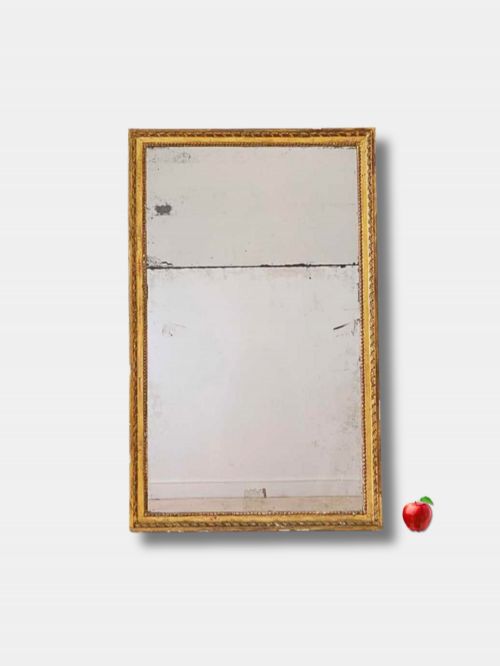

Mercury Glass Wall Mirror
A mercury glass wall mirror brings soft, mottled reflection and historic character to a room through silvered glass plates.
Mercury Glass Wall Mirror
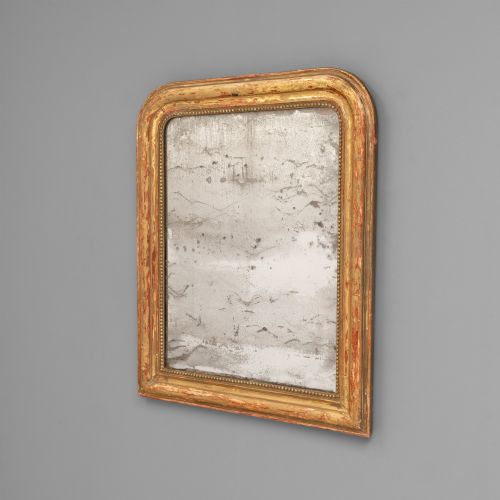
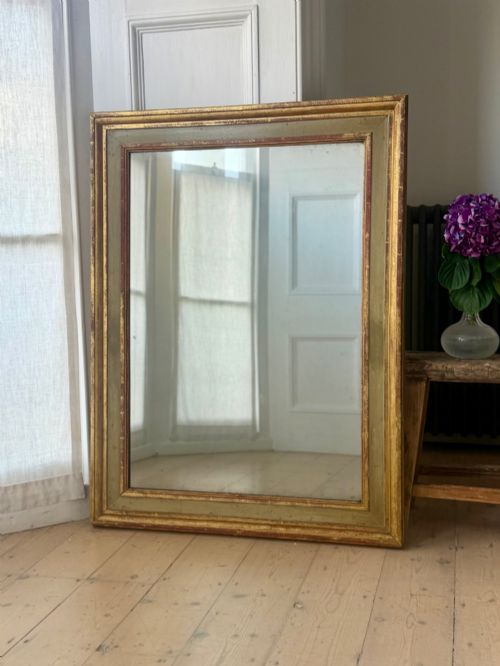
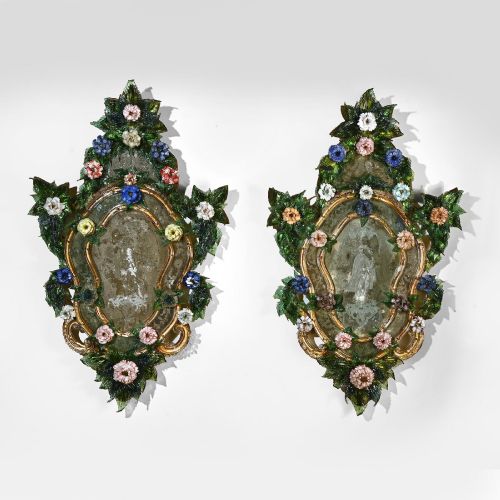
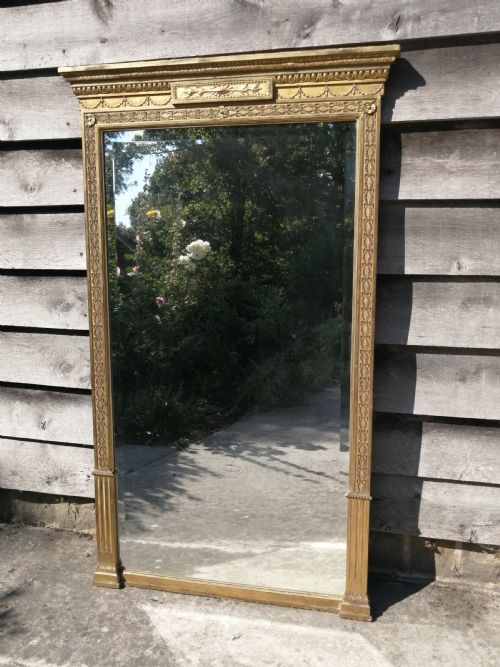
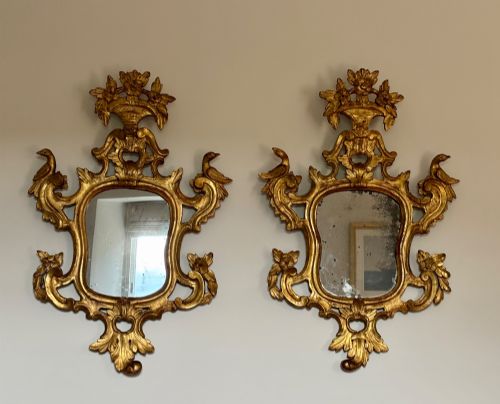
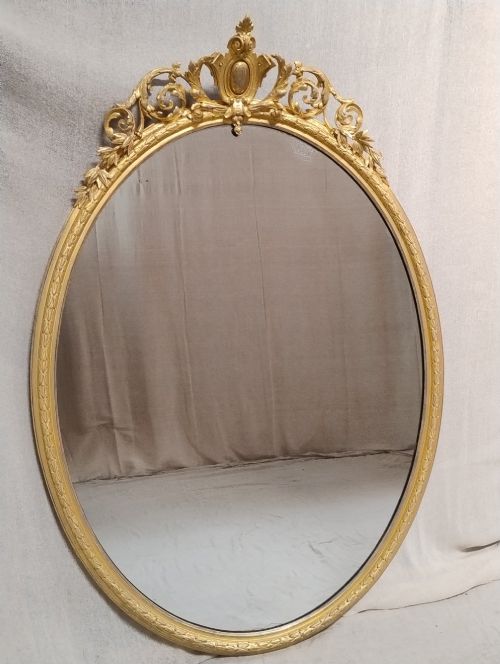
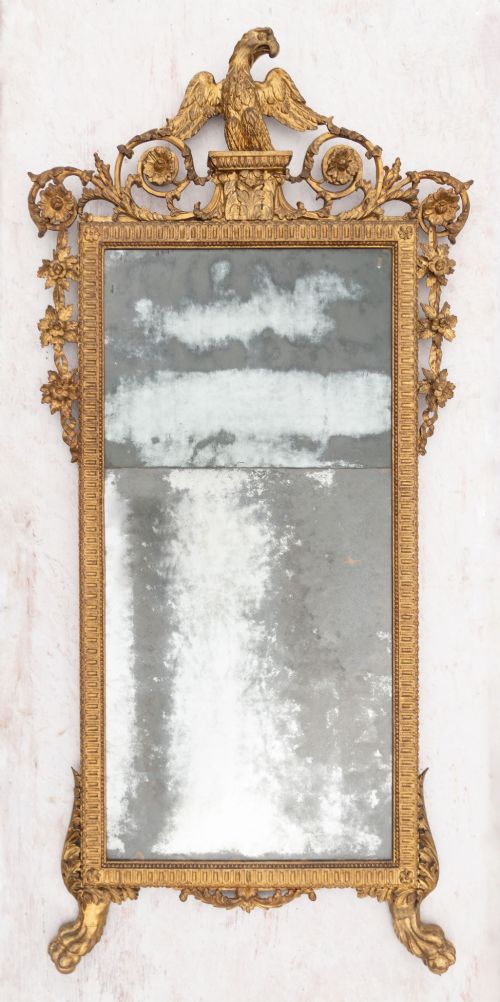
A mercury glass wall mirror is a reflective piece designed to hang on a wall, frequently appearing in forms such as French gilt mirrors, pier glasses, and overmantels. Buyers searching for a mercury glass wall mirror encounter items spanning the 18th century, 19th century, Regency, and Victorian periods.
The most common examples on this page originate from France, Italy, and England, showcasing styles like French Neoclassical, Rococo, and Georgian. These pieces range from small cartouche frames to grand scale trumeau mirrors designed to sit above a mantelpiece.
How they were made
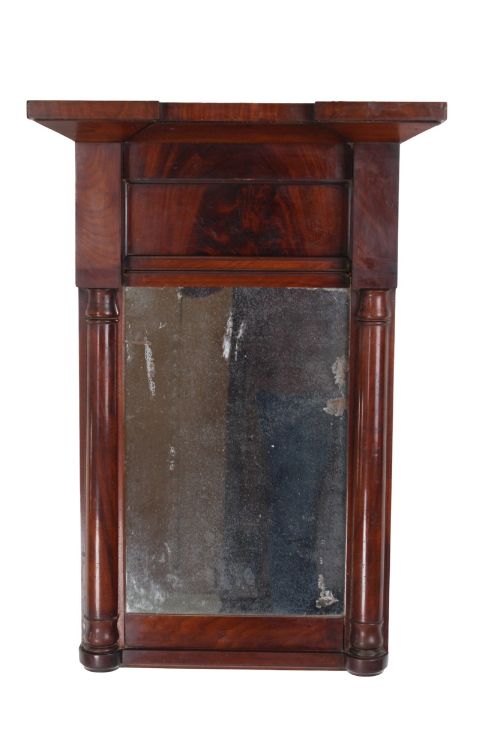
Frames utilise carved wood, gesso, and mahogany, often enhanced with gold leaf, giltwood, or brass accents. The mirror plates themselves rely on historic silvering techniques that produce characteristic foxing and distress over time.
Joinery and carving methods reflect the dominant stylistic periods, combining structural wood or giltwood frames with heavy, original glass plates secured at the rear.
Some mirrors carry centuries of whispered secrets behind their foxed silver plates, having watched generations of parlour gossip unfold.
What varies in quality
Quality rests in the crispness of the hand-carved details on the wooden or gesso frame and the integrity of the original gilding. Finer pieces retain their deep, layered gold leaf and well-preserved structural joinery without heavy modern intervention.
The condition and depth of the reflective plate also dictate the standard of the piece, with undisturbed original glass showing authentic ageing that differs from later replacements.
Jenkins Of Old Swindon·W.E. Pain Of Cambridge
The Mercury Glass Wall Mirror Glossary
- Mercury glass
- A type of mirrored glass produced by coating the inner walls of double-walled glass items or by applying a silvering amalgam to flat plates, creating a characteristic mottled appearance. This technique gives older mirrors their distinctive aged look.
- Trumeau mirror
- A decorative wall mirror combined with a painted panel or carved artwork above the glass plate. These architectural pieces were designed to fit specific wall spaces between windows in period rooms.
- Pier mirror
- A tall, narrow mirror made to hang on the wall space between two windows, known as a pier. They often feature mahogany or giltwood frames.
- Foxing
- The natural oxidation and spotting that occurs within the silvered backing of antique glass over decades. Collectors value this characteristic speckling for its visual depth and proof of age.
- Giltwood
- Wood that has been coated with a thin layer of gold leaf or gold paint. It forms the primary decorative surface for many formal mirrors from the 18th and 19th centuries.
Mercury Glass Wall Mirror: Frequently Asked Questions
What is a mercury glass wall mirror?
A mercury glass wall mirror is a historic looking-glass featuring a silvered plate that often displays mottled oxidation, housed within a period frame of giltwood, mahogany, or carved gesso.
These pieces date primarily from the 18th and 19th centuries, originating from workshops across France, Italy, and England in styles ranging from Rococo to Regency.
How do I hang a heavy antique mirror?
Hanging a heavy antique mirror requires securing direct support into wall studs or using heavy-duty masonry fixings suited to the weight of the wooden frame and thick glass plate.
Due to the substantial scale of overmantel and trumeau mirrors, professional installation ensures the weight distributes safely across the wall structure.
How do I clean foxed glass?
Cleaning foxed glass requires a soft, dry microfibre cloth to remove dust without disturbing the fragile edges of the historic silvering behind the plate.
Liquid cleaners should be avoided, as moisture can seep behind the frame and accelerate the degradation of the original backing.
Are these mirror plates original?
Many listings feature original plates showing authentic foxing, distress, or bevelled edges that correspond to the age of the surrounding frame.
Descriptions specify whether the glass plate is original to the period or represents a later replacement fitted during the item's history.