



Meissen Porcelain Figure
When a search for a meissen porcelain figure brings you to these shelves, you meet centuries of European ceramic artistry modelled in clay.
Meissen Porcelain Figure
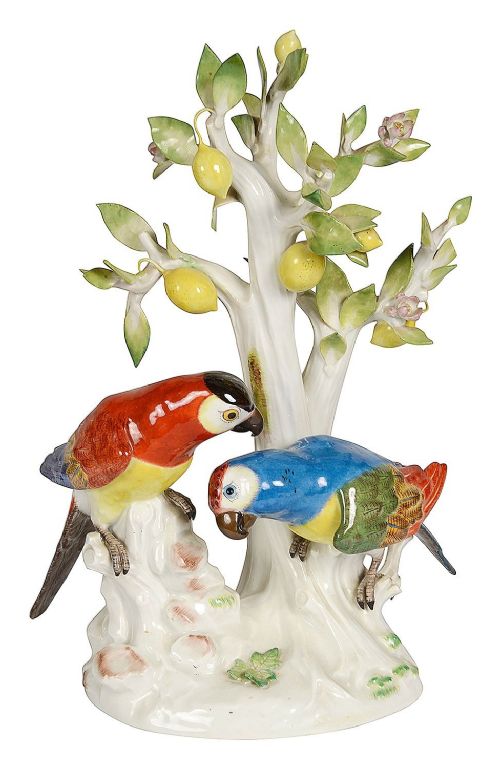
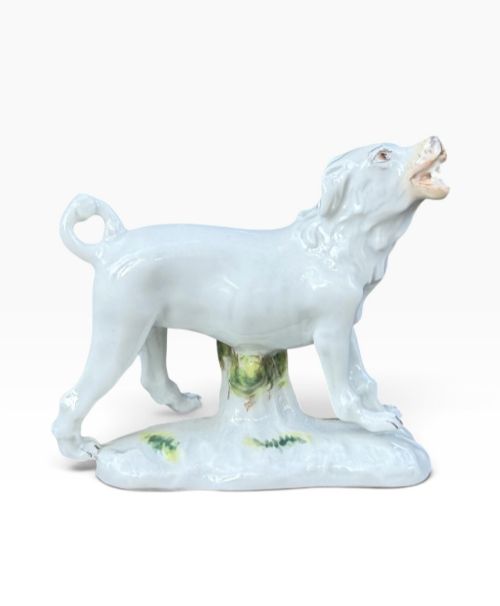
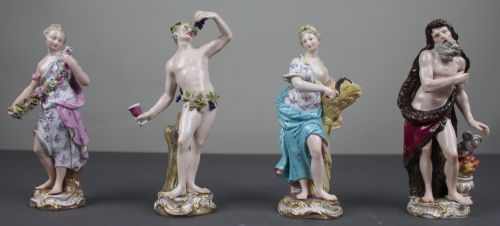
A meissen porcelain figure captures the aesthetic ambitions of German ceramic production across the eighteenth and nineteenth centuries. These pieces take the form of individual characters, pairs of animals, mythological subjects, and elaborate allegorical groups.
The selections on this page draw heavily from late nineteenth-century manufacture alongside significant eighteenth-century examples originating from the foundational European hard-paste porcelain factory.
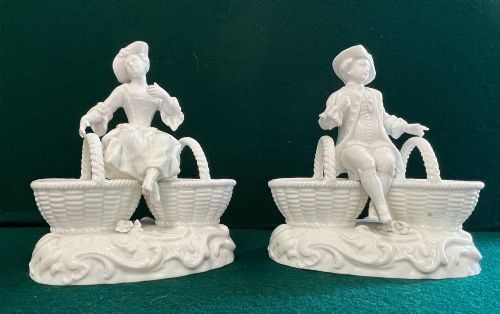
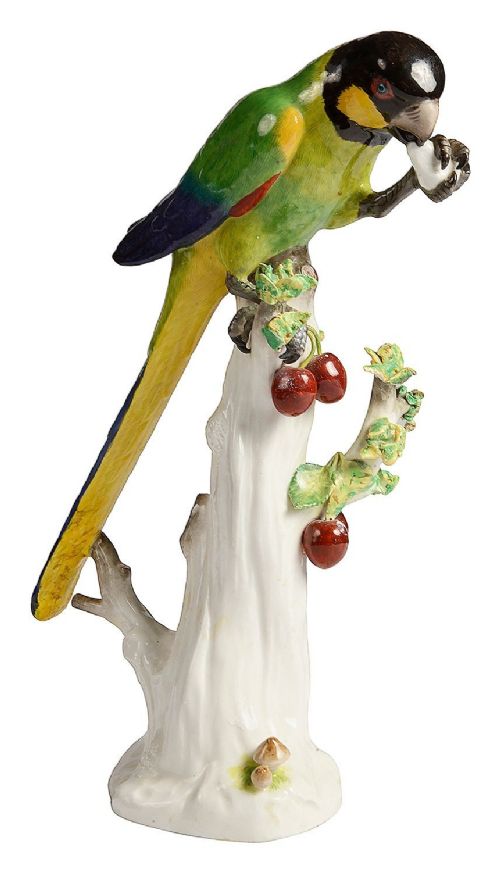
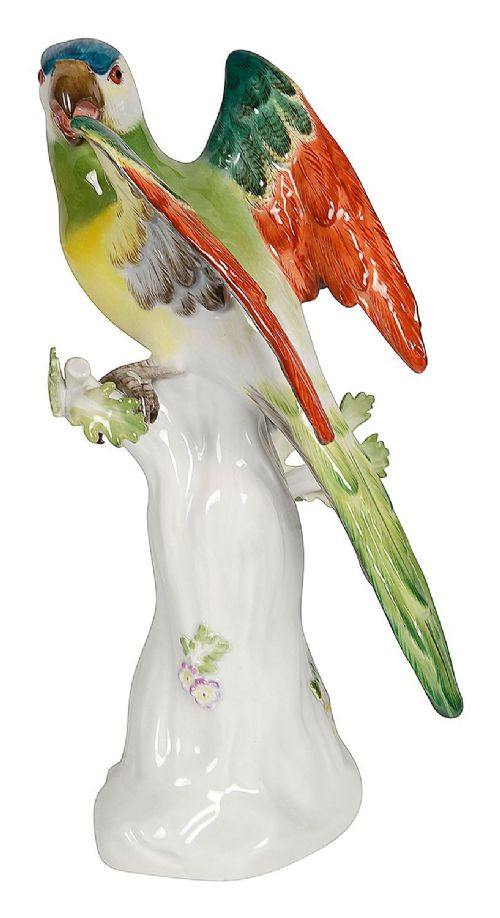
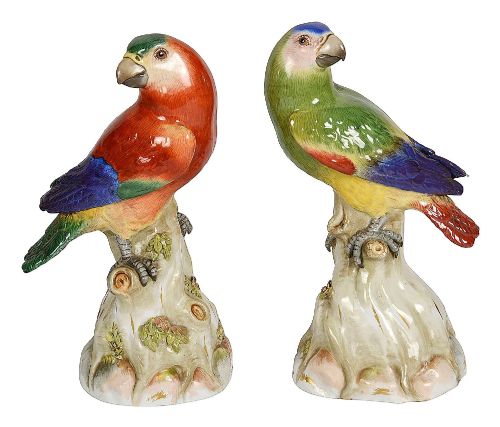
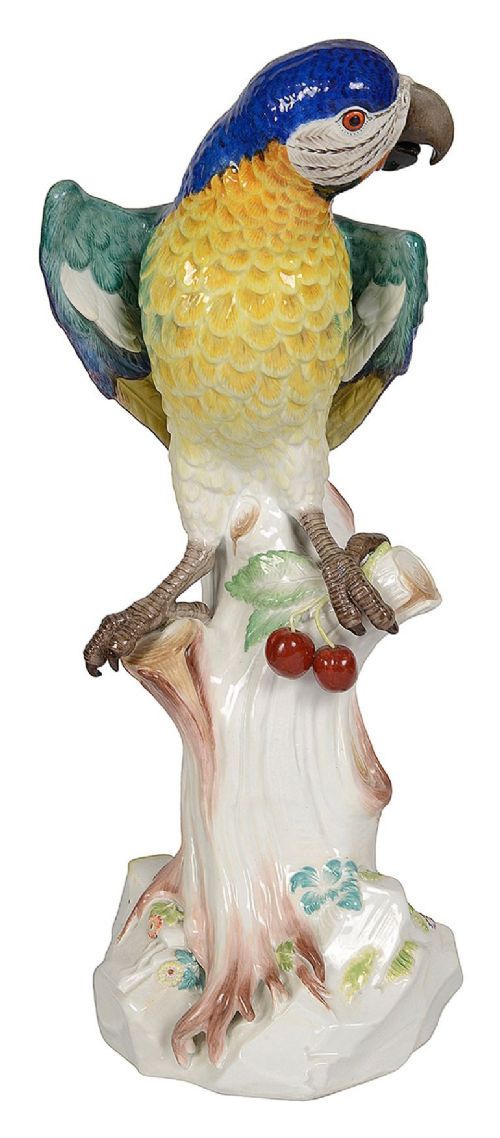
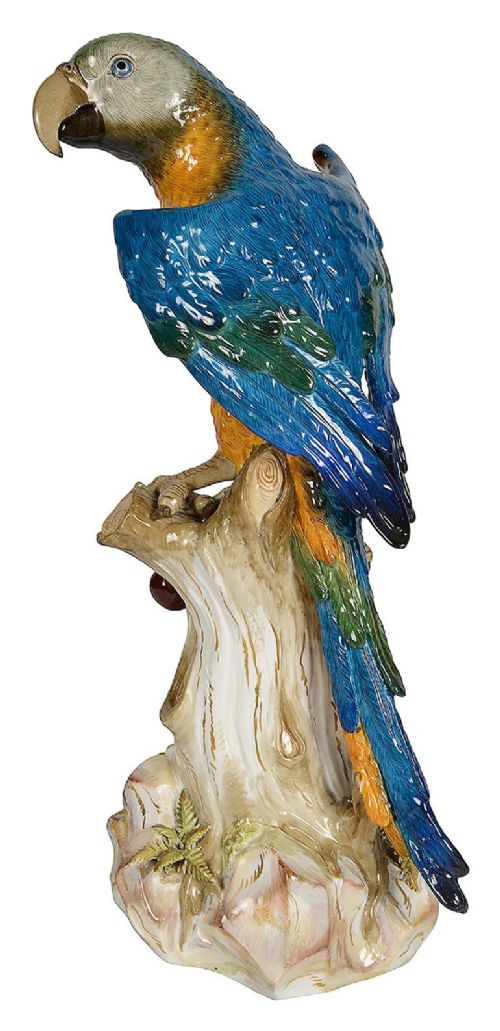
Common subjects range from avian studies like perched parrots to human figures engaged in pastoral, romantic, or theatrical pursuits.
Materials and production methods
These works rely on hard-paste porcelain fired at high temperatures to achieve a dense, durable body capable of holding sharp modelling details. Artisans then applied enamel glaze to the surface before adding fine hand-painted details.
Details such as gold leaf and gilt accents frequently highlight garments, bases, and associated decorative mounts. Certain forms incorporate cast or chased ormolu metalwork to support candelabra and multi-figure arrangements.
Listings demonstrate forms spanning eighteenth-century pastoral groups to late nineteenth-century animal studies in hard-paste porcelain.
Distinctions in craftsmanship
The delicacy of applied elements, such as foliage, baskets, and delicate fingers, dictates the success of the piece. Superior examples maintain balance and fine proportions across complex multi-figure groups without losing structural clarity.
Edmé Samson·Paul Scheurich·Acier·Greuze·Helena Wolfsohn
The Meissen Porcelain Figure Glossary
- Hard-paste porcelain
- A ceramic material composed of kaolin and petuntse fired at high temperatures to produce a vitrified, non-porous body. This substance forms the physical foundation for the vast majority of historical figures.
- Enamel glaze
- A vitreous coating fused to the ceramic body during firing to provide a smooth, glossy finish. Painters apply enamel colours over or under this layer to render costumes and naturalistic details.
- Ormolu
- Gilded bronze used for decorative mounts, stands, and hardware associated with eighteenth- and nineteenth-century decorative arts. It frequently frames figural groups and candelabra.
- Marcolini period
- The phase of factory administration dating to the late eighteenth century characterised by specific stylistic developments in modelling and decoration. Pieces from this era hold distinct interest for collectors.
- Blanc de Chine
- A white porcelain finish lacking coloured enamel decoration, allowing the sculptural form and pure glaze to define the piece entirely.
Meissen Porcelain Figure: Frequently Asked Questions
What is a meissen porcelain figure?
A meissen porcelain figure is a ceramic sculpture produced by the historic German factory established in the eighteenth century. These objects depict humans, animals, and mythological scenes modelled in hard-paste porcelain.
Craftsmen hand-painted each piece using enamel glazes, often incorporating gilt highlights or mounting the figures in ornamental ormolu settings for display on tabletours and mantelpieces.
How do I identify eighteenth-century pieces?
Eighteenth-century examples typically display lighter, more fluid modelling characteristic of the Rococo period and early neoclassical interpretations. The paste, glaze texture, and painting style reflect the technological limits and artistic standards of that specific era.
Later nineteenth-century works often reproduce these earlier subjects with heavier moulding and brighter, more uniform enamel palettes.
How were these figures used originally?
Wealthy patrons utilised these porcelain sculptures as table decorations for formal banquets and as ornamental objects displayed within rooms designed in the French Chateau or Victorian style. Elaborate sets often represented allegorical themes like the seasons or the elements.
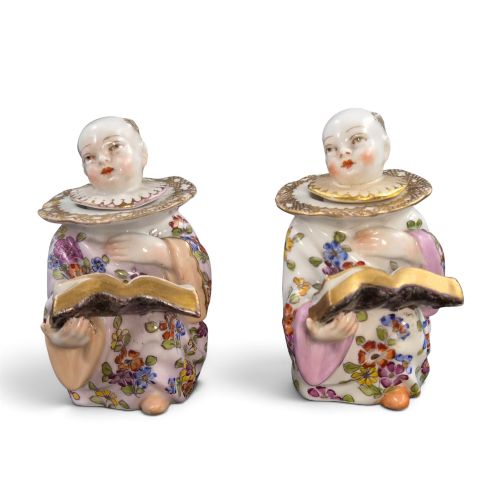
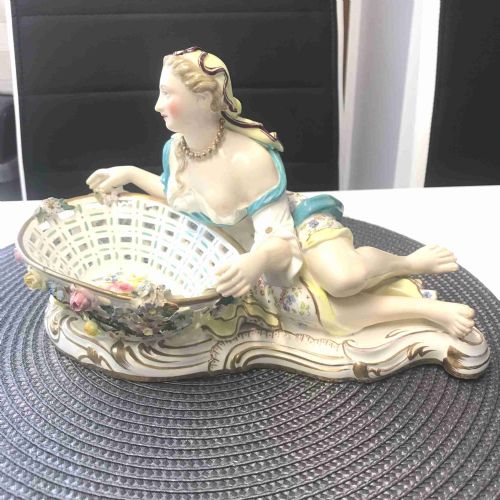
Some iterations served functional purposes as inkwells, sweet baskets, or candelabra components while retaining their sculptural character.
What subjects are most common?
Common subjects include pastoral gardeners, street traders, romantic couples, and avian studies such as parrots perched on tree trunks. Mythological figures and allegories representing abstract concepts like autumn or the four seasons also appear frequently.
Figurines of children, musicians, and theatrical characters like harlequins further populate the historical production records of the factory.