


White Cherub Sculpture
These white cherub sculpture pieces are classical figures carved in marble and alabaster or modelled in fine porcelain to bring timeless mythological grace indoors.
White Cherub Sculpture
A white cherub sculpture represents youthful mythological figures, often appearing as putti, cupids, or allegorical children in domestic settings. Collectors seek these pieces for their expressive forms and the serene atmosphere they introduce to a room.
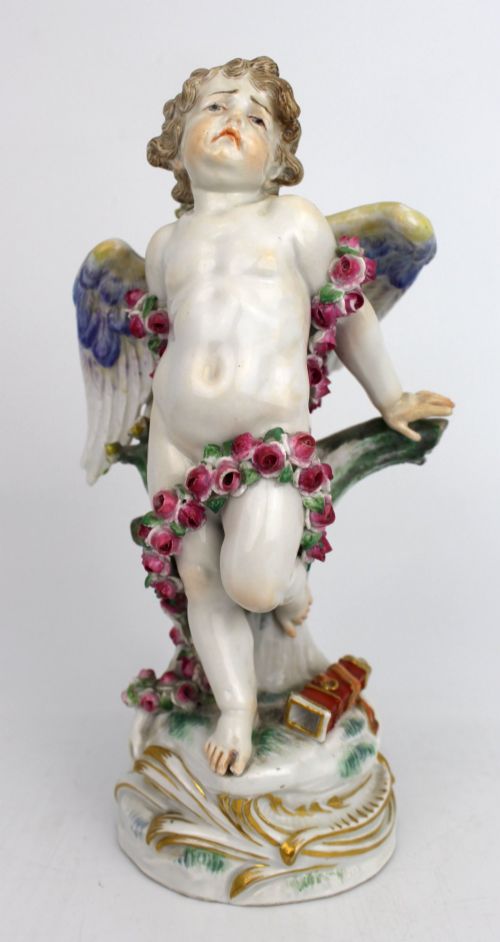
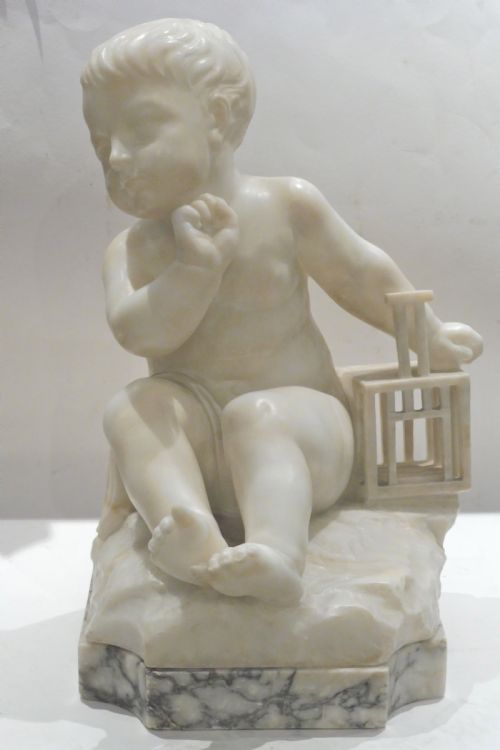
The selections available here range from nineteenth-century Italian alabaster groupings and marble statues to delicate porcelain figurines from historic European factories. Most examples date from the nineteenth century or the Georgian and Edwardian periods, reflecting neoclassical and rococo revival tastes.
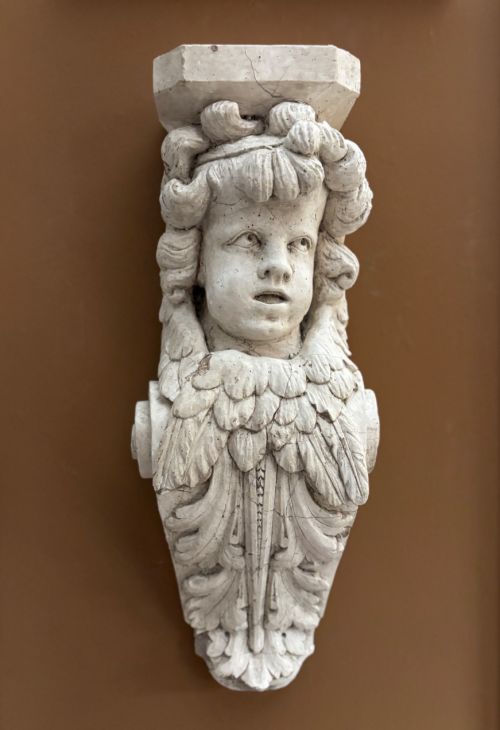
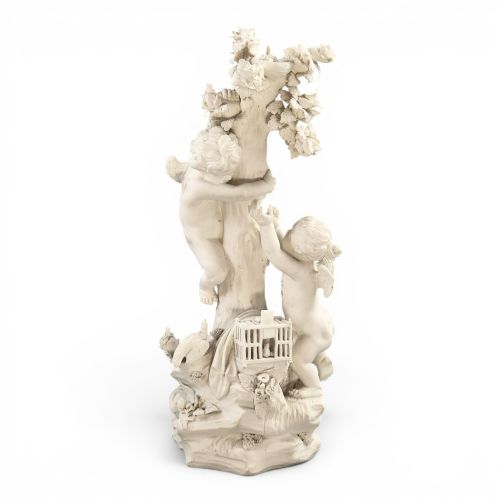
Forms vary from wall brackets and centrepiece bowls supported by figures to freestanding statues and signed porcelain groups. Buyers encounter both monumental carved stone and intricate biscuit porcelain models on this page.
Materials and construction
Sculptors carved stone examples from white marble and alabaster, utilising manual chisels and rasps to achieve smooth flesh tones and detailed drapery. Italian workshops specialised in working these softer stones into complex groupings of children.
Porcelain pieces required high-temperature kiln firing of soft-paste or biscuit bodies, often leaving the surface unglazed to mimic the matte texture of carved marble. Factories such as Meissen, Derby, and Royal Worcester shaped these figures in moulds before delicate hand-finishing.
Composition and plaster served as alternative mediums for sculptural figures, cast directly into moulds to replicate the appearance of heavier carved stone at a more accessible scale.
Materials represented across the inventory include white marble, alabaster, biscuit porcelain, cast iron, and traditional soft-paste porcelain.
Judging quality and execution
In porcelain figures, the crispness of the modelling defines the top tier of work, ensuring that fingers, wings, and floral elements retain sharp definition rather than appearing softened by worn moulds. Signed bases and factory marks further distinguish master-modelled studio pieces from anonymous production runs.
Antonio Canova·Paul Scheurich·Karl Tutter·Pugi
The White Cherub Sculpture Glossary
- Putto
- A plump, naked male child figure frequently found in classical art. They populate neoclassical and renaissance compositions as attendants or symbolic representations of love.
- Biscuit porcelain
- Unglazed ceramic fired to a matte, porous finish that resembles marble. This technique highlights subtle modelling details without the distraction of surface gloss.
- Alabaster
- A fine-grained, translucent stone favoured by nineteenth-century Italian sculptors. It allows for soft light penetration and delicate carving.
- Blanc de Chine
- White porcelain produced in China and later emulated by European factories like Meissen. The milky white glaze covers the piece entirely.
- Neoclassical
- An artistic movement drawing inspiration from the classical art and culture of ancient Greece and Rome. It emphasises symmetry, proportion, and restrained elegance.
White Cherub Sculpture: Frequently Asked Questions
Where should I display a marble cherub sculpture?
Place stone or marble pieces on sturdy console tables, pedestals, or mantelpieces where adequate lighting highlights the carved contours and surface texture. Heavier items require stable surfaces capable of supporting substantial stone weight.
Smaller porcelain figures sit comfortably within glass cabinets or on bookshelves, away from high-traffic areas where accidental knocks might cause damage.
How do I clean antique alabaster sculptures?
Dust alabaster and marble surfaces gently with a soft, dry microfibre cloth or a clean artist's paintbrush. Avoid using water, household cleaners, or chemical solvents, as moisture penetrates porous stone and damages the finish.
Porcelain figures tolerate a slightly damp cloth for dust removal, provided the piece lacks exposed porous biscuit sections that absorb moisture.
What is the difference between putti and cherubs?
Putto refers specifically to the secular mythological infant figures derived from classical antiquity, often representing cupid or playful spirits. Cherubs originate from biblical tradition with higher angelic status, though artistic convention over centuries conflated the two terms.
In nineteenth-century sculpture, both descriptions typically apply to winged or wingless children used in decorative schemes.
How can I tell nineteenth-century marble from later pieces?
Nineteenth-century carved stone exhibits hand-tooled tool marks in recessed areas and natural weathering appropriate to its age. The crystalline structure of older marble feels distinct under close inspection compared to modern cast resin substitutes.
Signatures or attribution marks carved directly into the base also point to period studio production.