





Meiji Satsuma Enamel Vase
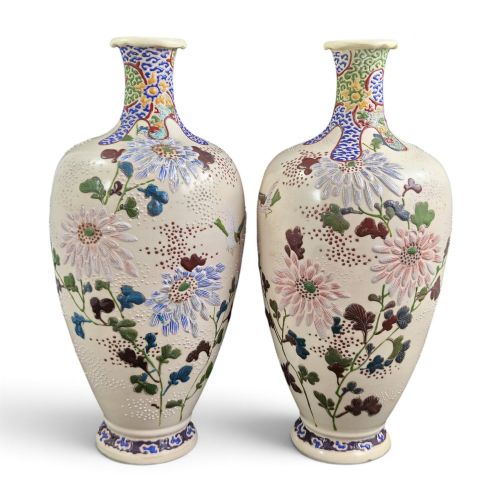
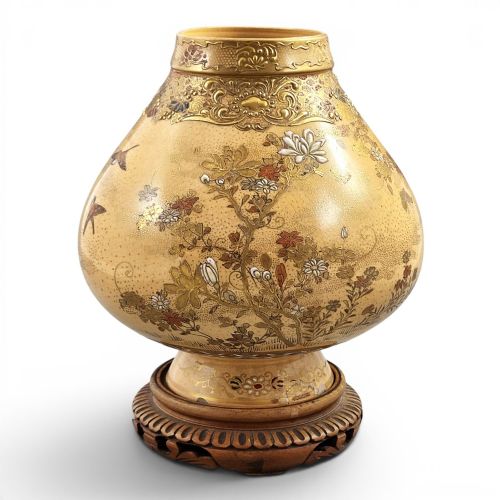
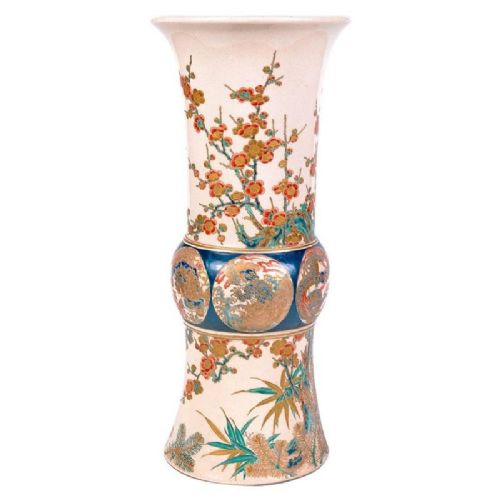
These meiji satsuma enamel vases bring rich hand-painted scenes and heavy gilding into a room, drawing the eye instantly.
Meiji Satsuma Enamel Vase
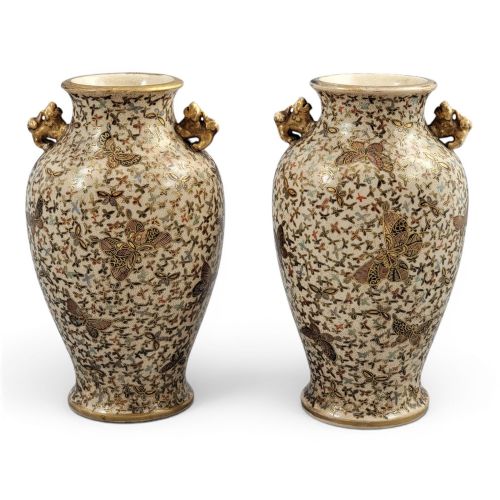
A meiji satsuma enamel vase is a distinct form of Japanese ceramic vessel decorated during the nineteenth and early twentieth centuries. These vessels display intricate hand-painted designs featuring court figures, landscapes, flowers, and thousands of butterflies or flowerheads.
The versions most commonly met on this page originate from the Meiji period, often associated with Kyoto workshops. Makers employed elaborate techniques such as moriage relief work and cobalt grounds enriched with gold leaf.
Materials and construction
Potters built these pieces using earthenware and porcelain, applying a characteristic crackle glaze as the foundation for the decoration. Painters then added coloured enamels and intricate gold gilt or gold leaf details.
Relief decoration known as moriage was piped onto the surface to build up tactile floral and figural elements before final firing.
Meiji Satsuma Enamel Vase Retail Price Guide 2026
Typical asking prices for meiji satsuma enamel vase among the pieces listed under this phrase on Sellingantiques today, from the lower quarter to the upper quarter. They describe what is for sale here now, not the wider market.
Listings feature pieces spanning the nineteenth century through the Edwardian period, utilising earthenware, porcelain, gold leaf, and heavy glaze.
Judging quality and execution
The distinction between standard vessels and exhibition quality pieces lies in the precision of the brushwork and the density of the gilding. Master workshops invested significantly more time in rendering facial expressions on court figures and precise botanical details.
The weight and application of the moriage relief work, alongside the depth of the cobalt ground, separate ordinary production from the works signed by prominent makers.
Kinkozan Workshop·Maruni Kobe·Seiko-en Chokei·Hododa·Hakusan
The Meiji Satsuma Enamel Vase Glossary
- Moriage
- A Japanese decorating technique where slip is piped onto ceramics to create raised, three-dimensional patterns before painting and gilding. This method adds a tactile, textured quality to flowers and robes.
- Meiji Period
- The era in Japanese history spanning from 1868 to 1912, marked by opening trade with the West and a flourishing of decorative arts. Pieces from this time show exceptional detail in enamel work.
- Gilt
- A thin layer of gold or gold leaf applied to the surface of the ceramic to accent panels and borders. It catches the light and highlights the painted scenes.
- Cobalt Ground
- A deep blue background colour applied to the ceramic body before the application of contrasting gold and enamel motifs. It provides a striking frame for figural and floral panels.
Meiji Satsuma Enamel Vase: Frequently Asked Questions
How do I care for my vase?
Keep these vessels out of direct sunlight to protect the delicate enamel colours and gold leaf details from fading over time.
Dust them gently with a dry, soft cloth and avoid using any water or cleaning solutions on the decorated surfaces.
Are these pieces made of porcelain?
Most examples utilise an earthenware body finished with a fine, characteristic crackle glaze rather than standard porcelain.
This specific body type absorbs the enamels and provides a warm, textured base for the detailed hand-painted scenes.
What do the painted figures represent?
The figural panels frequently depict traditional Japanese court scenes, religious figures, or historical narratives from the Meiji period.
Botanical motifs such as wisteria, chrysanthemum gardens, and the thousand butterflies pattern also appear frequently across the vessels.
How do I identify a signed piece?
Look along the base or within the panels for artist signatures, workshop stamps, or family mons painted in gold or iron red.
Names such as Kinkozan or Nanzan often appear on the underside to indicate the workshop responsible for the piece.