

Gilt Blue Porcelain Vase
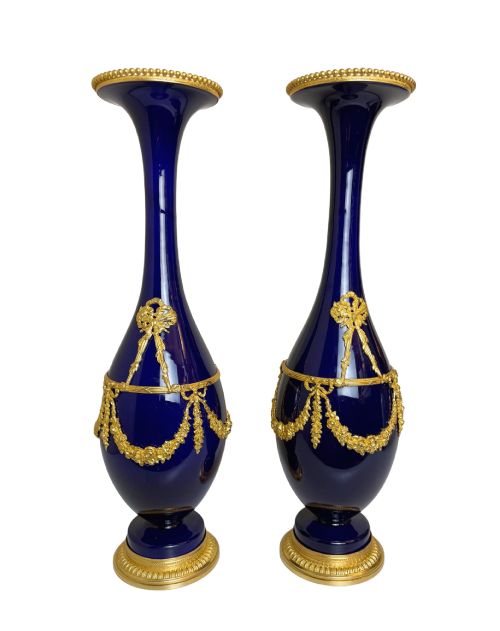
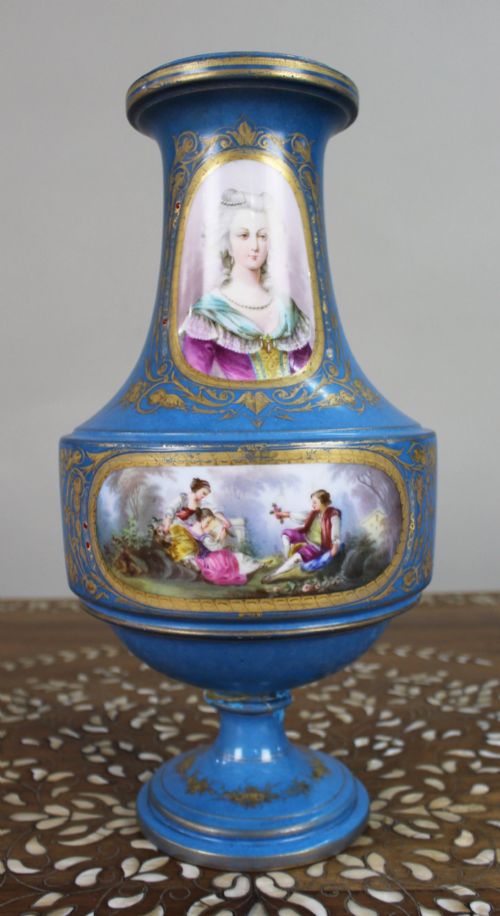
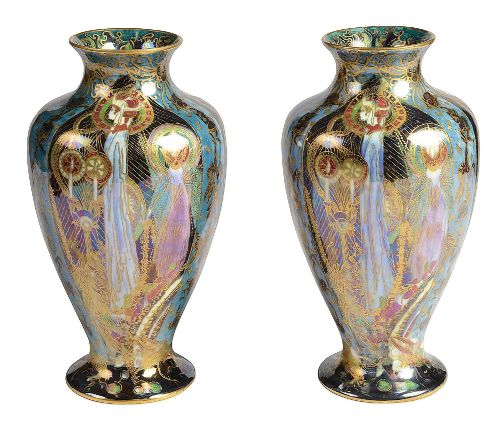
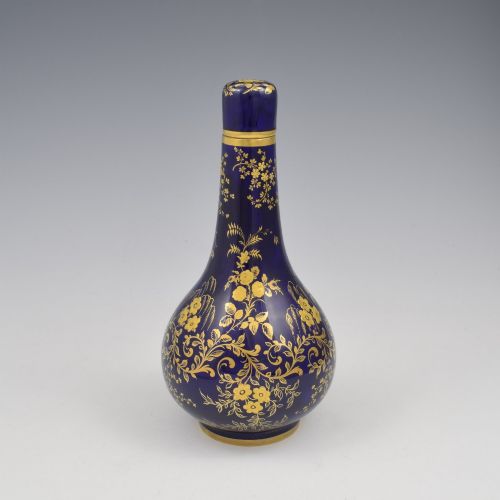
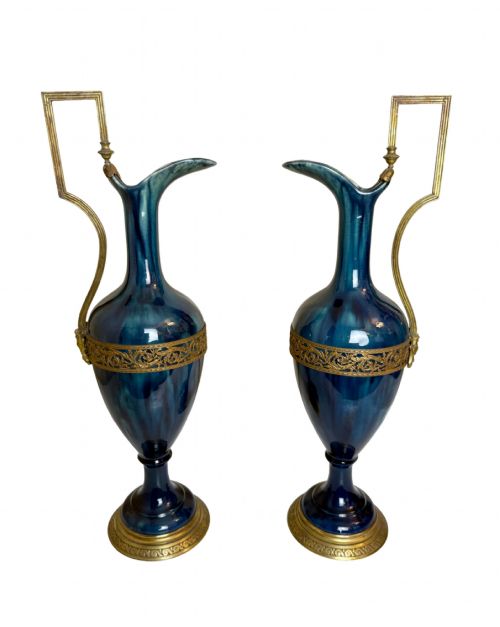
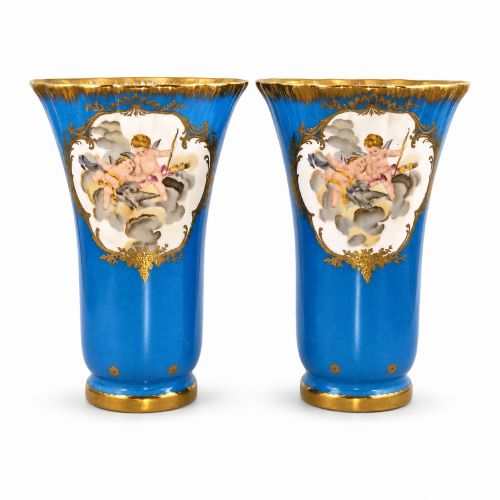
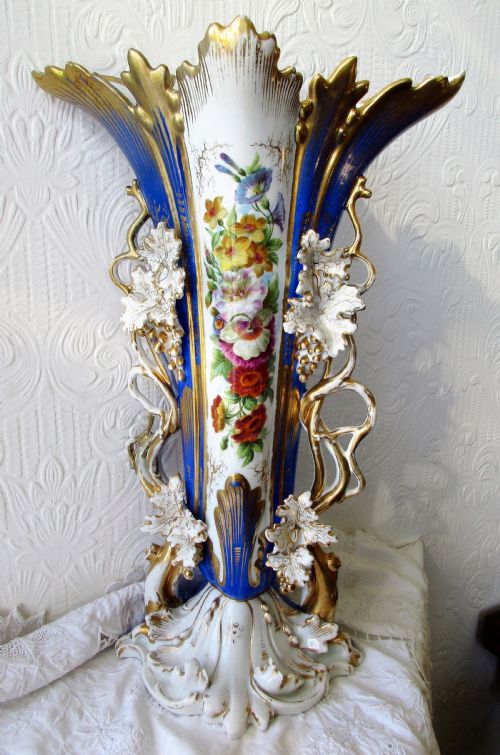
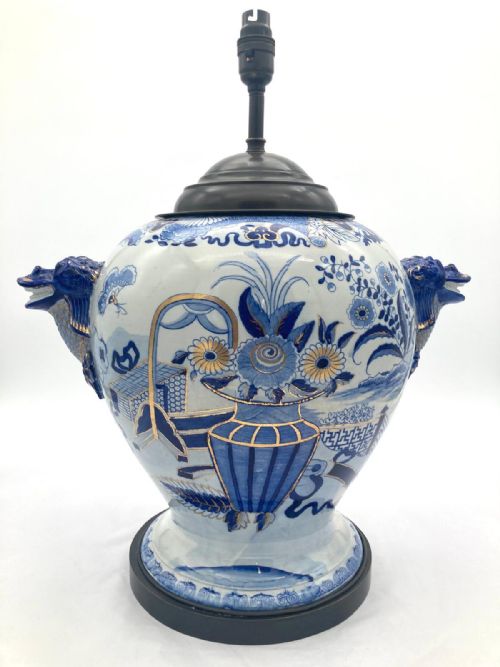
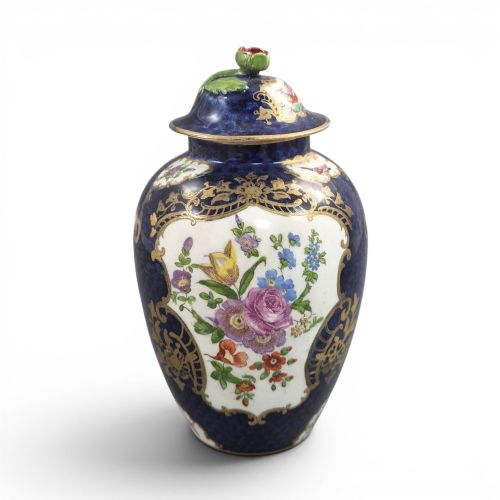
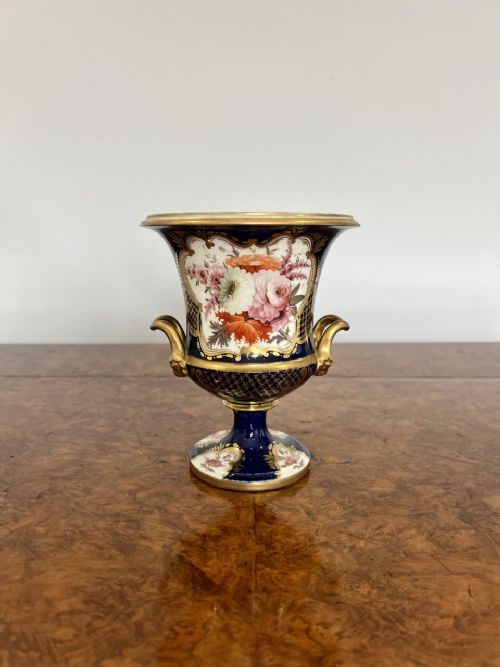
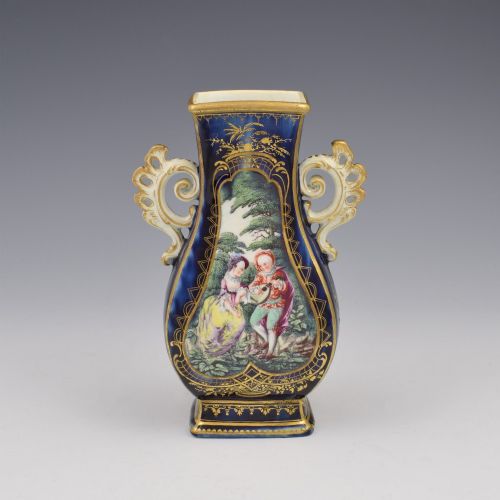
A gilt blue porcelain vase brings together deep cobalt or bleu céleste glazes and gleaming metallic leaf, offering a striking centrepiece for a mantel or side table.
Gilt Blue Porcelain Vase
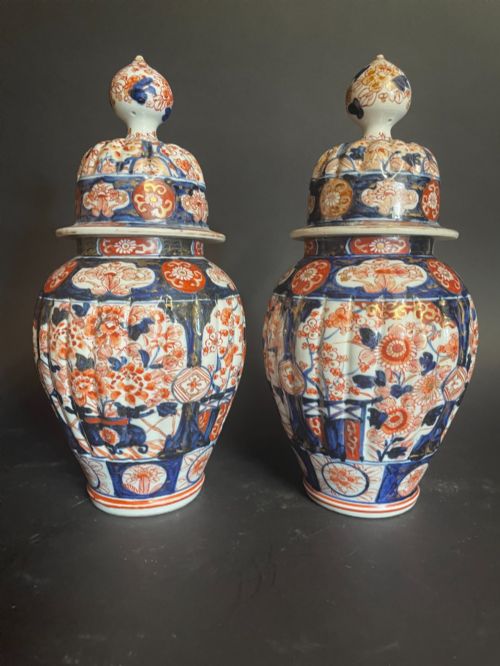
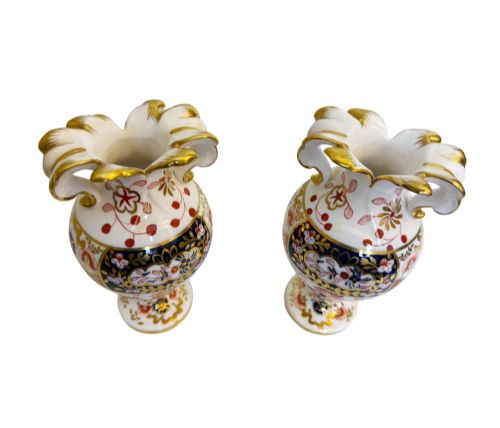
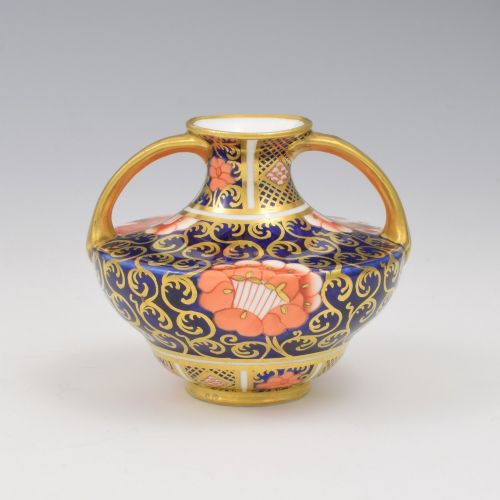
A gilt blue porcelain vase combines a rich cobalt or turquoise glaze with metallic gilding, creating a high-contrast decorative vessel. When searching for a gilt blue porcelain vase, collectors encounter works originating from English factories like Spode and Worcester, continental porcelain houses in Sèvres and Paris, and Japanese Satsuma workshops.
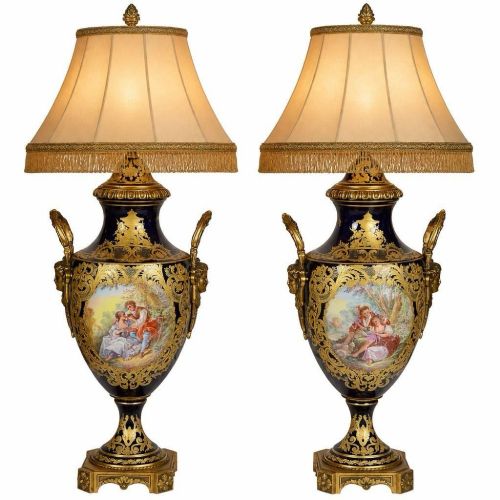
The forms range from campagna urns and baluster shapes to lidded jars and table lamps converted from earlier vessels. Most examples date from the nineteenth century, spanning the Regency, Victorian, and Edwardian periods, alongside earlier eighteenth-century productions.
Makers utilised both hard-paste and soft-paste porcelain, earthenware, and ironstone as bases for hand-painted scenes, panels, and intricate transfer prints. These objects served primarily as decorative garniture sets or display pieces in period interiors.
How they were made
Makers applied cobalt oxide under the glaze to achieve deep blue grounds, sometimes layering enamel colours on top for birds, figures, or floral panels. Gold leaf, liquid gold, and ormolu mounts were then added by hand and fired in a kiln to bond the metal to the glazed surface.
Bronze, gilt bronze, and ormolu fittings frequently provided structural mounts, handles, and bases for French and English porcelain bodies. Ironstone and ceramic bodies offered heavier alternatives to porcelain, allowing for larger scaled hall vases and lidded urns.
Listings feature porcelain, earthenware, ironstone, and ceramic bodies enhanced with enamel, gold leaf, and ormolu mounts.
What varies in quality
The precision and density of the hand-applied gilding separate standard production wares from exhibition pieces. Hand-painted panels featuring named artists or detailed figurative scenes command greater recognition than transfer-printed equivalents.
The crispness of the porcelain moulding and the weight of any accompanying ormolu or gilt bronze mounts indicate the workshop standard. Intricate moriage relief work on Japanese Satsuma pieces and delicate hand-chased metal trim demonstrate superior craftsmanship.
Daisy Makeig Jones·Royal Crown Derby·Chamberlain Worcester·Hicks and Meigh·Samuel Alcock·Albert Shuck
The Gilt Blue Porcelain Vase Glossary
- Bleu céleste
- A bright sky-blue porcelain ground colour famously utilised at the Sèvres factory.
- Moriage
- A Japanese pottery technique using raised slip to create textured decorative patterns on the ceramic surface.
- Campagna urn
- A bell-shaped vessel with a flared rim and foot, modelled after ancient Roman garden vases.
- Ormolu
- Gilt bronze mounts applied to the base, handles, or rim of decorative ceramic objects.
- Garniture set
- A matched group of three or five vases and lidded jars designed to be displayed together on a mantelpiece.
Gilt Blue Porcelain Vase: Frequently Asked Questions
How do I identify a Sèvres style vase?
These pieces typically feature rich blue ground colours, often bleu céleste or mazarine, combined with intricate hand-gilding and painted pastoral or court scenes. Many English and French factories produced items in this aesthetic during the nineteenth century in homage to the French royal manufactory.
Look closely at the quality of the painted panels and the weight of the porcelain body. Genuine pieces or high-status revival works often include finely chased ormolu mounts and meticulous enamel detailing.
What is the difference between porcelain and ironstone?
Porcelain is a fine, vitrified ceramic fired at high temperatures, resulting in a dense, sometimes translucent body that holds delicate hand-painted details well. Ironstone is a type of heavy earthenware patented in the nineteenth century, designed to be durable and opaque while supporting rich blue and gold decoration.
Ironstone vessels tend to be substantially heavier and thicker than porcelain vases. Both materials provided stable grounds for extensive gilding and transfer-printed designs.
Were these vases used for flowers?
Most large decorative urns, lidded jars, and garniture sets served purely as ornamental display pieces in nineteenth-century interiors. Smaller bottle vases and campagna urns could hold cut flowers, though many survived in pristine condition because they were treated as art objects.
The presence of fitted covers or narrow necks on many examples suggests they were designed to decorate mantelpieces and side tables rather than function as everyday floristry vessels.
How should I care for a gilded porcelain vase?
Gilt surfaces require gentle handling because historical metallic leaf and gold leaf can wear away with abrasive cleaning. Dust the piece regularly with a soft, dry brush and avoid chemical solvents or immersion in water.
Keep pieces away from direct sunlight to preserve the vibrancy of the cobalt ground and enamel colours. If the vase includes ormolu mounts, clean the metal separately with appropriate non-liquid methods.