


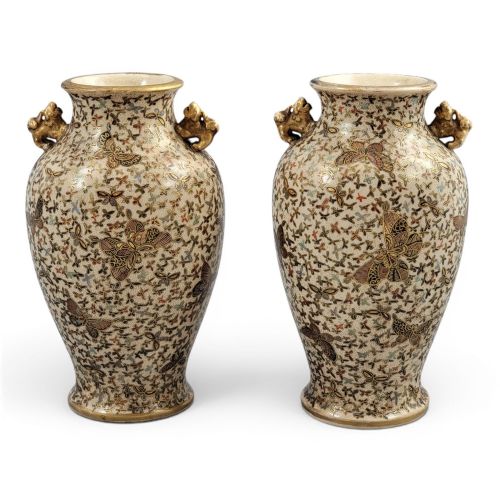

Oriental Earthenware Vases
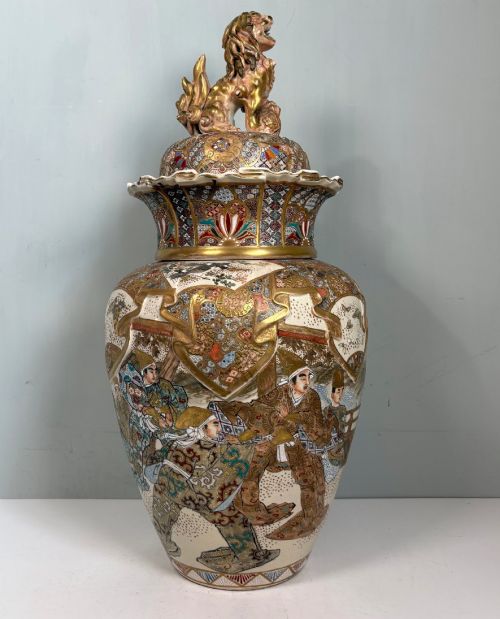
These oriental earthenware vases bring rich nineteenth and early twentieth-century Japanese ceramic artistry straight to your interior.
Oriental Earthenware Vases
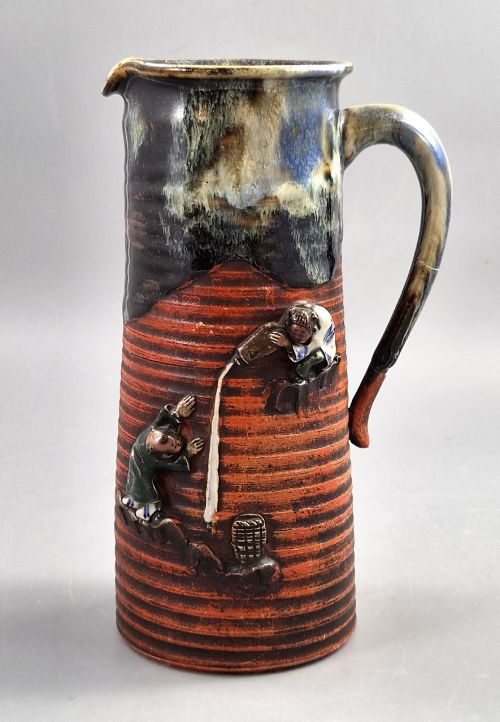
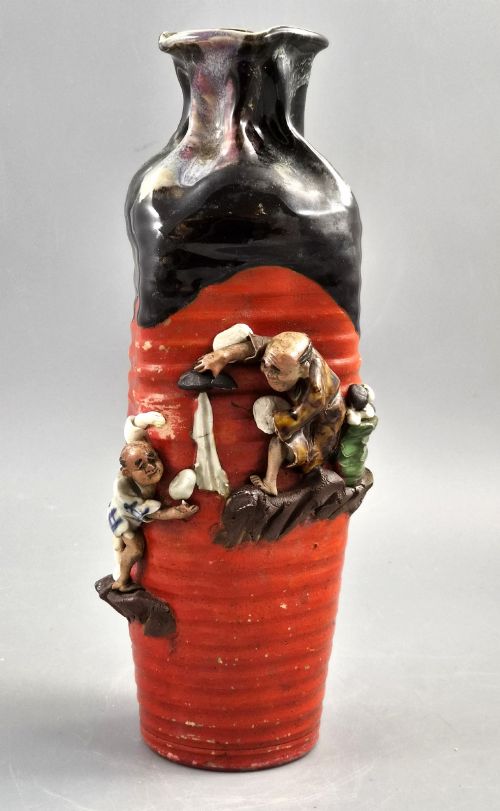
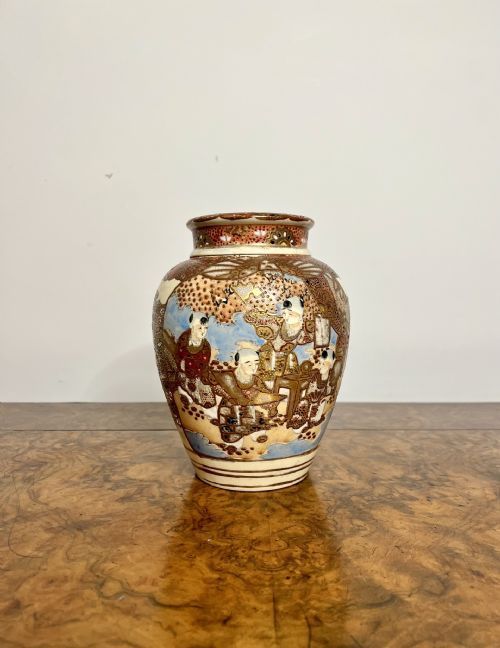
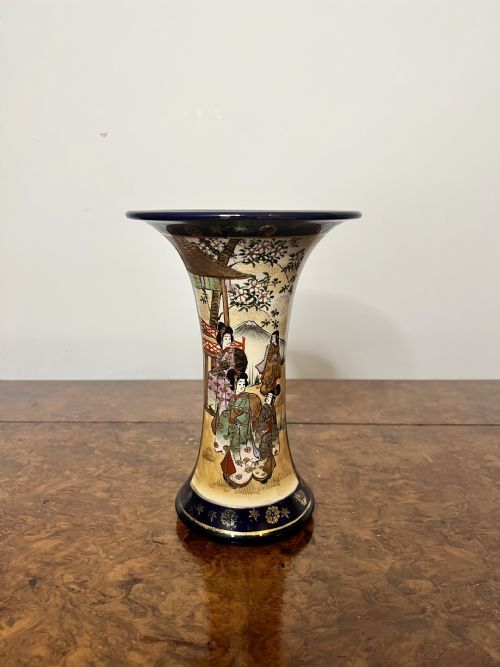
Oriental earthenware vases encompass traditional Japanese ceramic vessels shaped as baluster vases, ginger jars, and decorative urns from the Meiji, Taisho, and Showa periods. Buyers searching this phrase most frequently encounter Satsuma ware alongside regional pieces from Tokoname and Sumida Gawa.
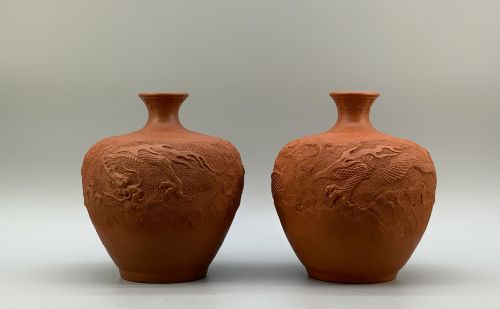
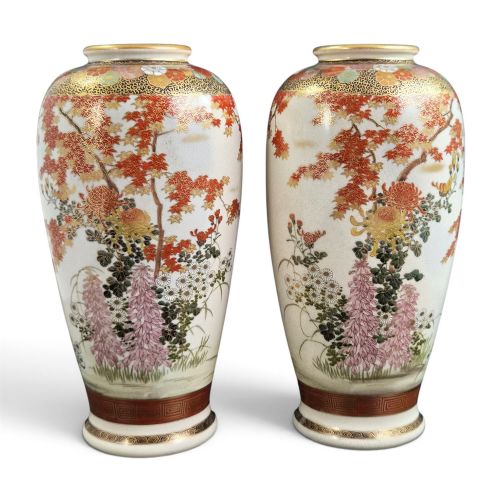
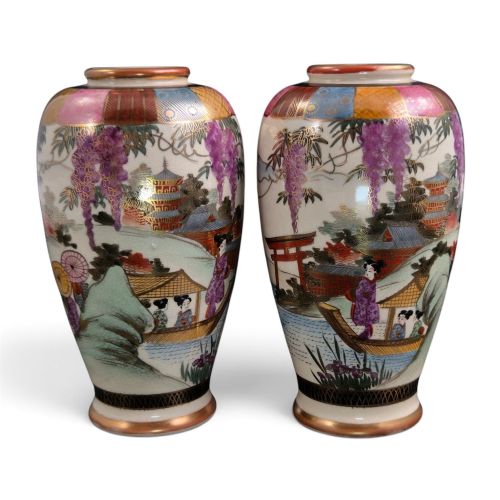
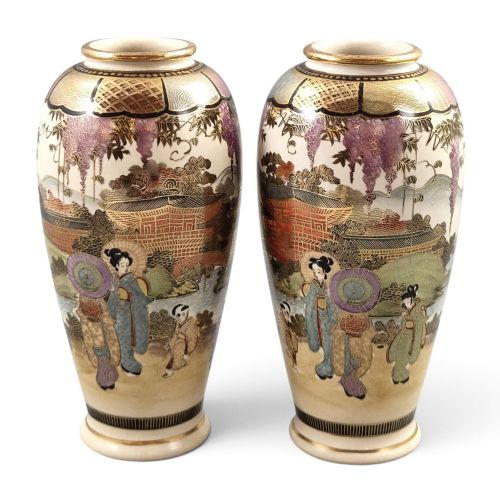
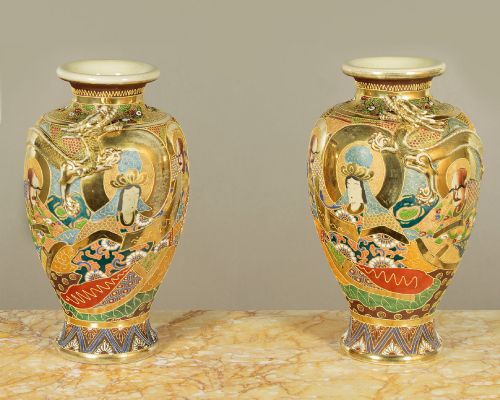
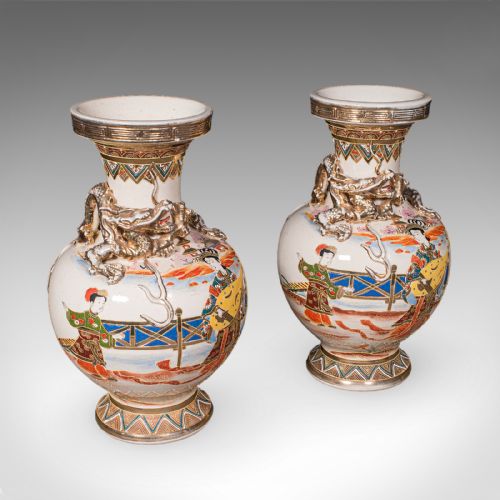
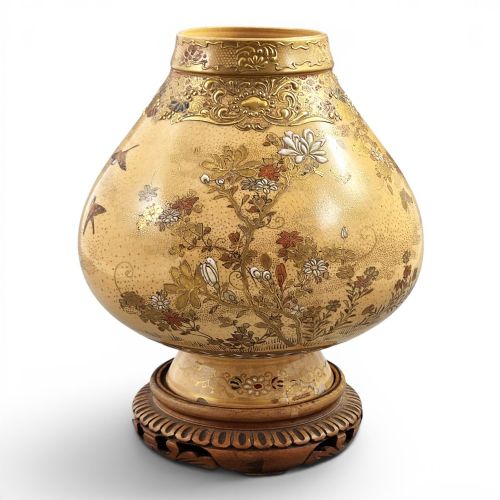
Makers utilised earthenware bodies as canvases for dense enamel and gold leaf patterns depicting court scenes, wisteria, and dragons. These forms reflect the export boom of the late Victorian and Edwardian eras.
How they were made
Potters shaped local clays into sturdy earthenware and stoneware bodies before applying intricate glazes and detailed enamel painting. Artisans built up surface texture using raised moriage paste to give figures and floral motifs physical relief.
Gilt and gold leaf details were meticulously hand-painted over the base glazes, often requiring multiple firings in the kiln to set the metallic highlights. Wood elements sometimes supplemented these ceramic forms in related objects like lamps and stands.
Among the arhats, dragons, and fierce lions, mischievous children occasionally peer out from these centuries-old ceramic scenes.
What varies in quality
Quality separates through the crispness of the hand-painted brushwork and the precision of the raised moriage details across the earthenware body. Superior examples display fine control over gold leaf application and expressive, uncrowded figural compositions.
The reputation of the workshop or artist mark inscribed on the base dictates distinction within the upper tier of pieces. Pieces carrying signatures from notable kilns command greater attention from collectors.
Inoue Ryōsai·Kinkōzan·Hotoda·Makuzu Kozan II
The Oriental Earthenware Vases Glossary
- Satsuma
- A style of Japanese earthenware featuring a crackle ivory glaze decorated with polychrome enamels and rich gilt. It originated in the Satsuma Province and became immensely popular during the Meiji period.
- Moriage
- A decorative technique using piped clay slip to create raised, textured patterns on ceramic surfaces. This method adds tactile dimension beneath enamel and gold leaf highlights.
- Meiji Period
- The era of Japanese history lasting from 1868 to 1912, characterised by extensive international trade and highly detailed decorative arts. Pieces from this time often exhibit remarkable technical proficiency.
- Baluster
- A vase shape characterised by a rounded body that tapers toward the base and swells near the shoulder. This classic silhouette provides a stable canvas for narrative scenes.
- Mon
- A traditional Japanese emblem or crest used to identify families, clans, or governmental organisations. These heraldic badges frequently appear on high-quality export ceramics.
Oriental Earthenware Vases: Frequently Asked Questions
What is Satsuma ware?
Satsuma ware is a specific type of Japanese earthenware defined by its distinctive ivory-coloured, crackled glaze. Artisans decorated these surfaces with elaborate, colourful enamels and heavy gold leaf.
Originally produced for domestic use, potters later tailored these ceramics for the Western export market during the late nineteenth and early twentieth centuries.
How do I display antique vases?
These decorative vases suit placement on sturdy side tables, mantelpieces, or dedicated stands where their detailed enamel work can be appreciated. Because many examples are earthenware, position them away from high-traffic household areas where they might get knocked.
Pairs look striking when arranged symmetrically, while miniature vessels work well grouped together in cabinets or on smaller surfaces.
How are periods identified?
Periods are identified through a combination of stylistic markers, firing techniques, and specific artist signatures or workshop marks found on the base. Meiji period pieces often display exceptional intricacy and dense gilt figural work.
Later Taisho and Showa examples reflect evolving twentieth-century tastes while maintaining traditional earthenware manufacturing methods.
What are raised decorations called?
The raised, textured details found on many of these pieces are created using a technique called moriage. Artisans pipe liquid clay slip onto the earthenware body before glazing and firing.
This process produces a tactile relief effect that highlights garments, dragons, and floral elements under the enamel and gold leaf.