




Meiji Period Lidded Pots
Meiji period lidded pots are finely worked Japanese vessels in enamel, porcelain and earthenware that bring intricate historic craft into a room.
Meiji Period Lidded Pots
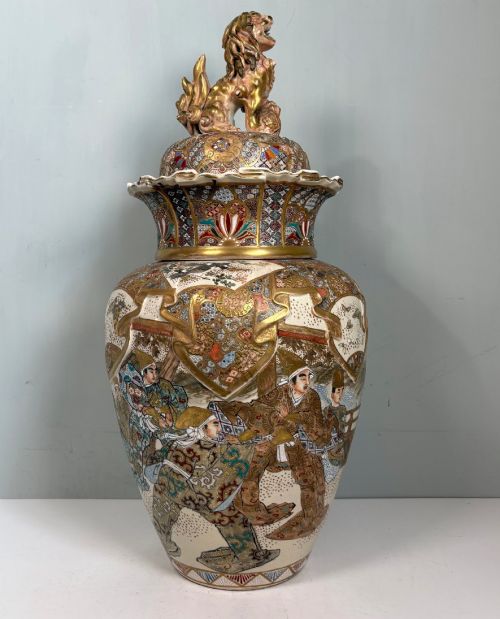
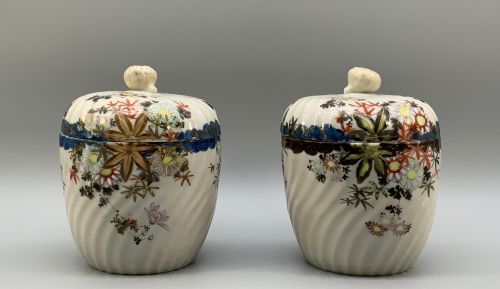
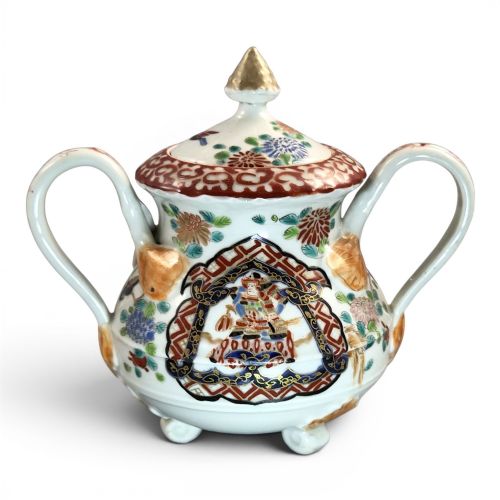
When you search for meiji period lidded pots, you encounter a distinct group of Japanese vessels originating from the late nineteenth and early twentieth centuries. The selection on this page centres on lidded jars, incense burners, sugar bowls and decorative pots created during this era. These forms span earthenware, porcelain and cloisonne enamel, reflecting the diverse output exported from Japan.
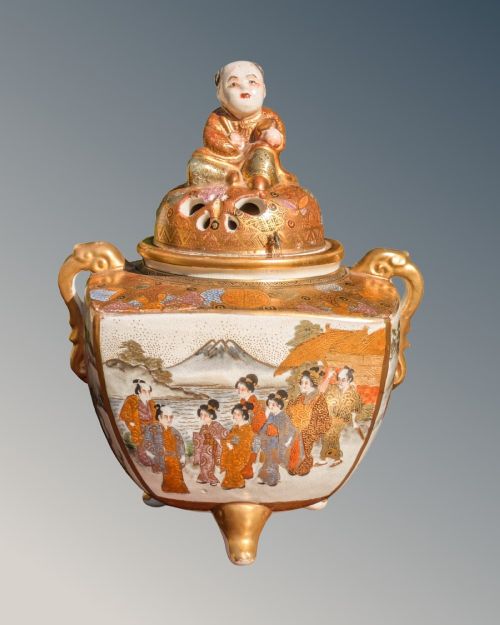
The ceramic examples often carry rich regional identities such as Satsuma and Imari styles. You will frequently meet pieces featuring floral decoration, samurai figures and detailed hand-painted scenes enriched with gold leaf and gilding. Alongside these ceramics, metal-bodied cloisonne jars with matching covers demonstrate the period's mastery of wirework and vitreous enamels.
Originating across distinct workshops and studios in regions like Kyoto, these vessels served both domestic utility and international export markets. The grouping includes miniature incense burners alongside large decorative jars, offering varied scales for display. Each piece preserves the aesthetic priorities of Japanese makers working under the Meiji banner.
Materials and construction
Makers of meiji period lidded pots relied on ceramic bodies of earthenware and porcelain, shaped by hand or wheel before firing. Earthenware surfaces, particularly in Satsuma wares, provided a porous base for dense crackle glazes and elaborate overglaze enamels. Porcelain versions offered a harder, vitrified canvas suited to crisp underglaze cobalt and rich Imari palettes.
Metal vessels utilised copper or brass foundations decorated through the cloisonne technique. Artisans soldered thin metal ribbons onto the surface to form intricate cells, which were subsequently filled with coloured enamel pastes and fired repeatedly. Gilding and gold leaf were applied last to accentuate borders, rims and figurative details.
Meiji Period Lidded Pots Retail Price Guide 2026
Typical asking prices for meiji period lidded pots among the pieces listed under this phrase on Sellingantiques today, from the lower quarter to the upper quarter. They describe what is for sale here now, not the wider market.
Several lidded pots double as miniature incense burners, proving that historical artisans knew the value of a small ceramic cloud.
Distinguishing quality
The distinction between ordinary and exceptional meiji period lidded pots lies in the discipline and precision of the surface execution. Superior pieces display micro-detailed brushwork or flawlessly neat enamel cells without pitting or blurring at the borders. Hand-painted panels featuring samurai or floral motifs reveal the individual skill of the studio painter.
Weight and structural balance also separate the tiers of production. Finer vessels demonstrate a harmonious proportion between the body and the lid, sitting flush without wobble. The depth of the gilding and the clarity of the underlying glaze contribute further to a commanding visual presence.
Kotobuki do·Shozan
The Meiji Period Lidded Pots Glossary
- Satsuma
- A type of Japanese earthenware characterised by an ivory crackle glaze and dense polychrome decoration. It became immensely popular for export during the nineteenth century.
- Imari
- A traditional style of Japanese porcelain featuring a distinct palette of cobalt blue, iron red and gold. Pieces often display intricate geometric and floral panels.
- Cloisonne
- An enamelling technique where metal wires are affixed to a copper or brass base to create compartments for coloured glass pastes. The piece is then fired and polished smooth.
- Koro
- A traditional Japanese incense burner typically fitted with a perforated lid to release aromatic smoke. They are frequently supported on small feet.
- Gilding
- The application of gold leaf or gold powder onto ceramic or metal surfaces to highlight specific design elements. This technique adds warmth and contrast to the finished object.
Meiji Period Lidded Pots: Frequently Asked Questions
What were lidded pots used for?
These vessels served various functions depending on their form and material. Incense burners held aromatic materials for fragrance, while jars and covered pots stored small valuables or dried goods.
Sugar bowls were produced specifically for dining use, reflecting Western influences on Japanese export wares during the late nineteenth century.
How do I date these pots?
Dating relies on stylistic markers, materials and occasional artist signatures or studio marks. The pieces span the nineteenth century and the Edwardian period, aligning with the Meiji reign.
Examining the base and the complexity of the enamel work helps narrow the period of manufacture. Studio marks often point to specific Kyoto workshops active around eighteen eighty to nineteen ten.
Where should I display them?
Meiji period lidded pots suit prominent placement on sideboards, mantelpieces or within enclosed cabinets where their fine details remain visible. Good lighting enhances the gold leaf and enamel colours.
Because many pieces feature delicate overglaze painting or cloisonne wires, placing them away from direct, harsh sunlight preserves the integrity of the pigments.
How do I tell Satsuma from Imari?
Satsuma wares feature an earthenware body covered in a distinctive cream-coloured crackle glaze, typically painted with complex figures and heavy gold. They prioritize pictorial scenes.
Imari pieces are made of hard porcelain decorated in underglaze blue and iron red, often relying on structured floral and geometric patterns rather than narrative painting.