


Meiji Period Kutani Vase
A meiji period kutani vase brings vibrant hand-painted enamel and gold leaf into a room, made for export and domestic display during the Japanese Meiji era.
Meiji Period Kutani Vase
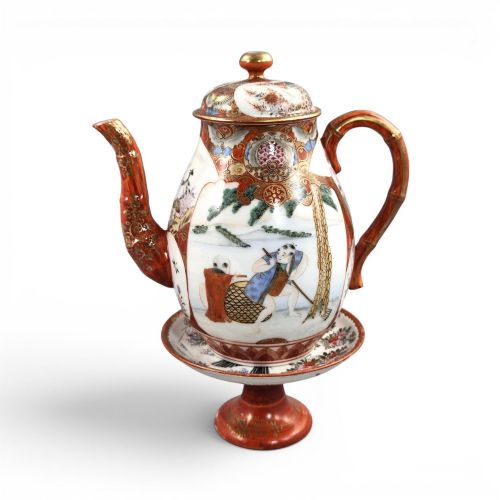
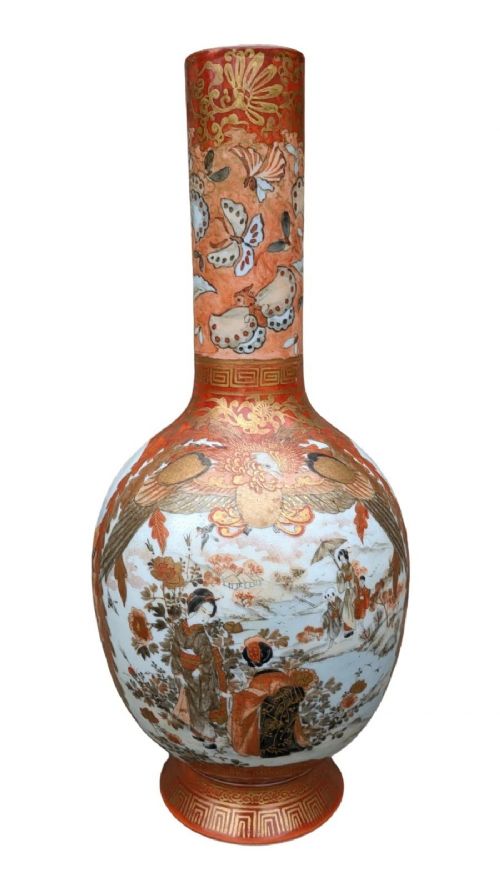
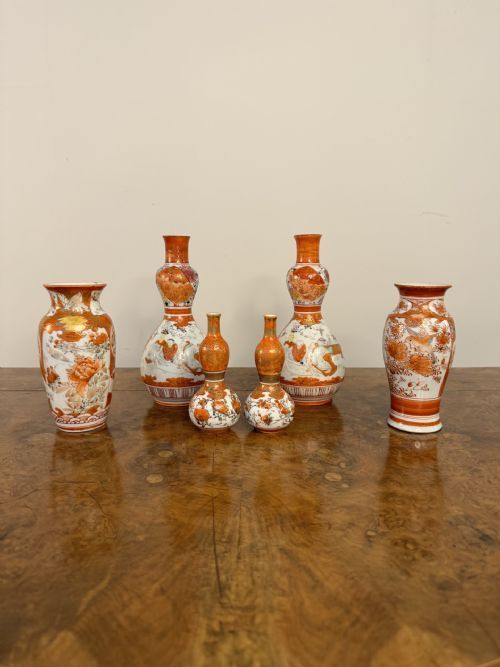
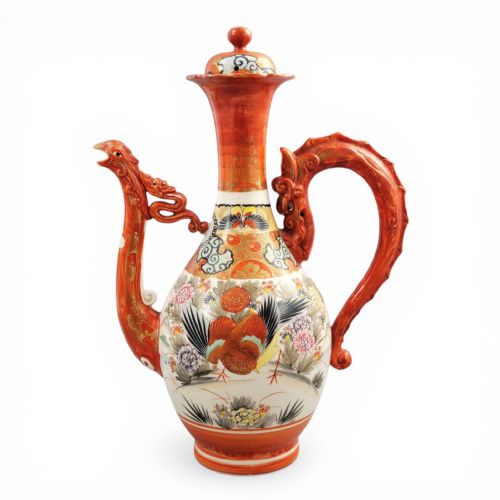
When you search for a meiji period kutani vase, you encounter decorated porcelain vessels created in Japan during the late nineteenth and early twentieth centuries. The selection includes standard cylindrical shapes, large pairs, flared neck vessels, and converted table lamps.
Most examples date from the decades around eighteen-ninety, reflecting the active production periods recorded in the archive and current listings. Forms range from modest hand-painted pieces to large floor vases and decorative ewers featuring lion handles or dragon details.
How they were made
Potters shaped these objects from fine porcelain, applying detailed overglaze enamel to build up colourful pictorial scenes and geometric borders. Artisans incorporated gold leaf and heavy gilding alongside the enamel work to create shimmering surface contrasts.
Techniques such as moriage were utilised to apply raised enamel dots and relief details that stand proud of the porcelain body. Certain pieces also feature added wooden stands or brass components from later adaptations into lamps.
Stubborn guardian lions keep permanent watch from porcelain lids and handles.
What varies in quality
The distinction between ordinary and superior pieces rests on the precision of the hand-painted brushwork and the density of the gilding. Master workshops invested greater time in rendering complex subjects such as birds, lions, and lakeside scenes with distinct character.
Scale and proportion also define the upper tier, particularly in large pairs and substantial ovoid vessels that require expert firing stability. Furthermore, the crispness of relief elements like moriage defines the standard of execution.
Kinrin Workshop
The Meiji Period Kutani Vase Glossary
- Moriage
- A decorative technique where liquid clay is piped onto the porcelain surface before firing to create raised, three-dimensional patterns. This adds tangible texture beneath the glaze and enamel layers.
- Overglaze enamel
- Coloured glass paste applied over the fired and glazed porcelain surface, then fixed with a lower temperature second firing. This method permits a brilliant palette including iron red and green.
- Foo dog
- A traditional guardian lion sculpture often depicted on vase lids or modelled as handles. These mythical beasts symbolise protection and strength.
- Meiji period
- The era in Japanese history spanning from eighteen-sixty-eight to nineteen-twelve, marked by rapid modernisation and extensive export arts. Pieces from this time show distinct stylistic confidence.
Meiji Period Kutani Vase: Frequently Asked Questions
How were kutani vases used?
Original usage focused on interior decoration within grand homes, often displayed as prominent centrepieces or matched pairs.
Some examples were later adapted into table lamps by incorporating electrical fittings and wooden or brass bases.
How do I identify the meiji period?
Objects from this era typically display distinct artistic traits associated with late nineteenth-century Japanese production, including refined hand-painted enamel and rich gilding.
Stylistic markers often align with manufacturing dates recorded between eighteen-eighty and nineteen-hundred.
How should I live with these vases?
Place them in stable locations away from heavy foot traffic to protect the delicate overglaze enamel and gold leaf surfaces from accidental impact.
Dust them gently with a dry, soft cloth and avoid chemical cleaning agents that could harm the historic finish.