


Meiji Period Decorative Jar
These meiji period decorative jar items bring intricate Japanese craftsmanship into your home, offering rich historical character and visual depth.
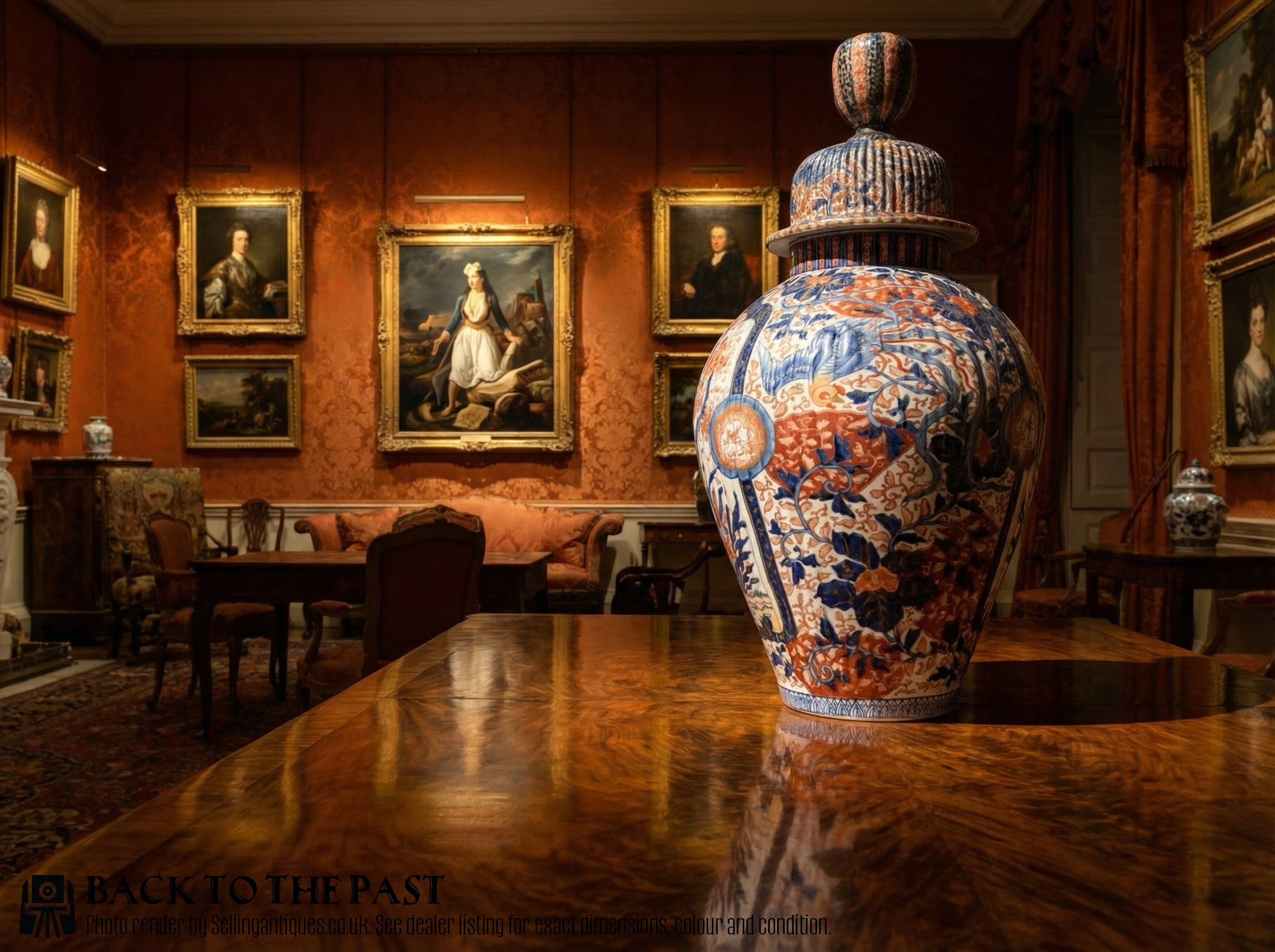
Meiji Period Decorative Jar
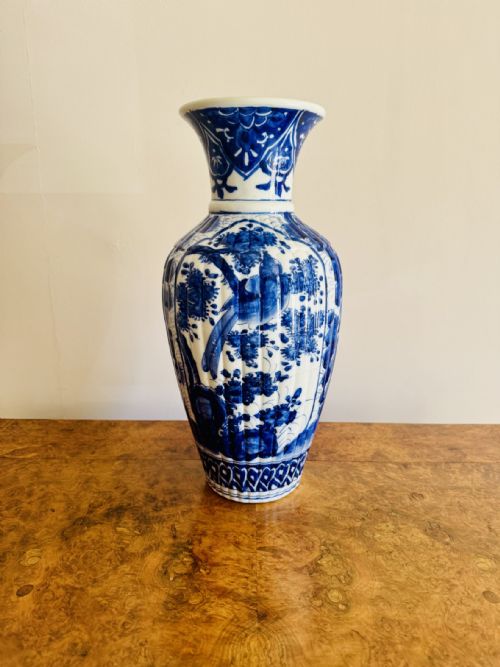
When you search for a meiji period decorative jar, you encounter vessels created during an era of extraordinary artistic output in Japan. These items span traditional forms including ginger jars, lidded vessels, and covered pots.
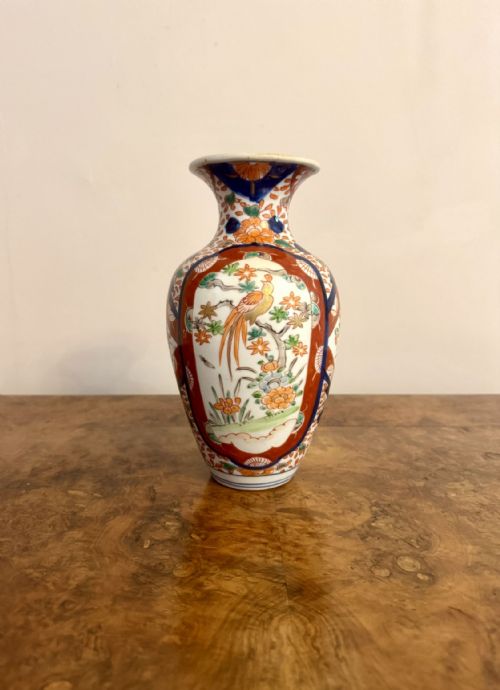
The pieces represented here largely cross the nineteenth century, nineteen hundred, and Edwardian periods, often appearing in Japanese Imari, Satsuma, and Kutani styles. Porcelain and earthenware dominate the forms, frequently paired with covers.
You will find these objects function as striking focal points in a room, offering distinct regional palettes and surface patterns. The selection ranges from miniature vases to large lidded jars suitable for display.
Materials and Techniques
Makers utilised porcelain and earthenware as the primary bodies, shaping them into fluted, hexagonal, or gourd profiles. Glaze and enamel applications provide the colourful surfaces characteristic of these traditional forms.
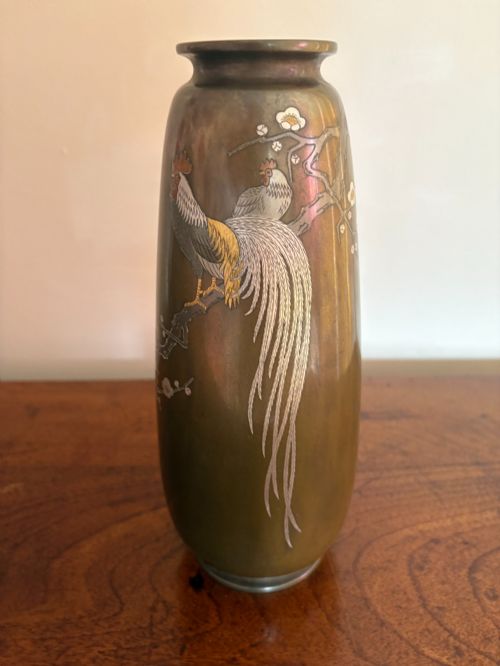
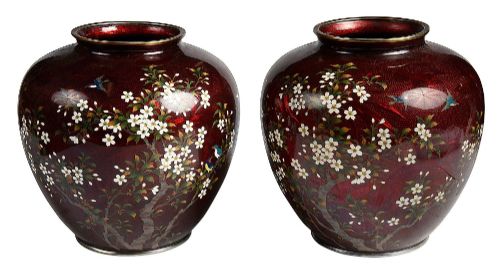
Metalwork pieces incorporate bronze, copper, and silver wire alongside cloisonné and basse-taille techniques. Gold leaf details frequently enhance the surface decoration on ceramic and metal substrates alike.
Several lidded gourd pots wait patiently on shelves, wondering if anyone still remembers what a ginger jar actually stored.
Evaluating Quality
Quality depends upon the precision of the surface decoration and the clarity of the enamel or glaze. Finely executed cloisonné work shows exact wire placement and smooth, uniform colour fills.
Painted Satsuma and Imari examples display varying degrees of brushwork control and compositional balance. Signed pieces or those carrying workshop marks often indicate higher standards of production.
KANASAWA·Shuzan·Ando Jubei·Kinkozan
The Meiji Period Decorative Jar Glossary
- Imari
- A traditional Japanese style of porcelain decoration featuring rich cobalt blue and iron red, often accented with gold. It originated in Arita and became widely exported during the period.
- Satsuma
- A type of Japanese earthenware featuring a crackled creamy glaze decorated with polychrome enamels and gilt. These pieces frequently depict figurative scenes or detailed flora and fauna.
- Cloisonné
- An enamelling technique where metal wire is soldered to a metal base to create compartments for coloured glass paste. Firing fuses the enamel to the metal framework.
- Ginger Jar
- A decorative container characterised by a broad shoulder and a domed lid, originally used for storing spices. These vessels evolved into purely ornamental pieces.
- Ginbari
- A Japanese cloisonné technique involving a textured foil background beneath transparent coloured enamel. This method creates a patterned depth visible through the surface glaze.
Meiji Period Decorative Jar: Frequently Asked Questions
How do I identify a genuine piece?
Examine the base for signature marks, kiln stamps, or maker inscriptions. Material weight and the precision of surface enamel or glaze application also indicate authenticity.
Compare the stylistic motifs, such as Imari palettes or Satsuma crackle glazes, against known period examples. Consistency in craftsmanship points toward genuine nineteenth or early twentieth-century production.
Where should I display these jars?
Place them on sturdy surfaces like mantelpieces, sideboards, or dedicated display cabinets where their detailed patterns remain visible. Ensure they sit away from high-traffic areas to prevent accidental knocks.
Lighting plays a key role in highlighting metallic wires and enamel finishes. Natural indirect light brings out the subtle tones in the glazes without risking sun damage.
How do I clean my decorative jar?
Dust the surface gently using a soft, dry brush or a microfiber cloth. Avoid using water, abrasive cleaners, or chemical solvents on antique enamel and gilt surfaces.
Metal and porcelain components require minimal moisture to preserve their original finishes. Professional restoration advice should be sought if deeper cleaning becomes necessary.
Can I use lidded jars for storage?
These historical vessels function primarily as decorative art rather than practical storage containers. The lids fit snugly on many pieces, but antique materials remain sensitive to handling.
Keeping the jars closed protects the interior glaze and maintains the structural integrity of the piece. Treat them as display items to preserve their condition over time.