




Meiji Period Bowl
When you search for a meiji period bowl, you enter a world of finely painted porcelain, rich bronze, and intricate earthenware shaped during a transformative era of Japanese craftsmanship.
Meiji Period Bowl
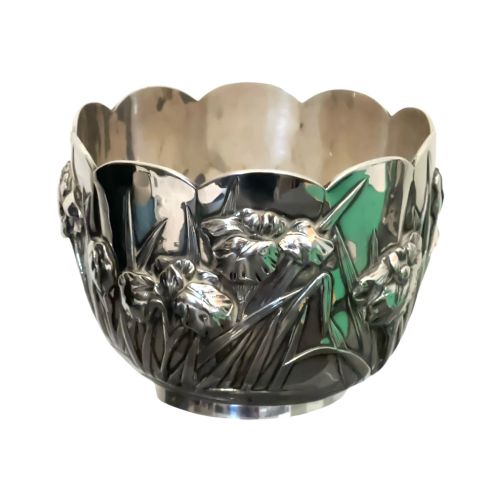
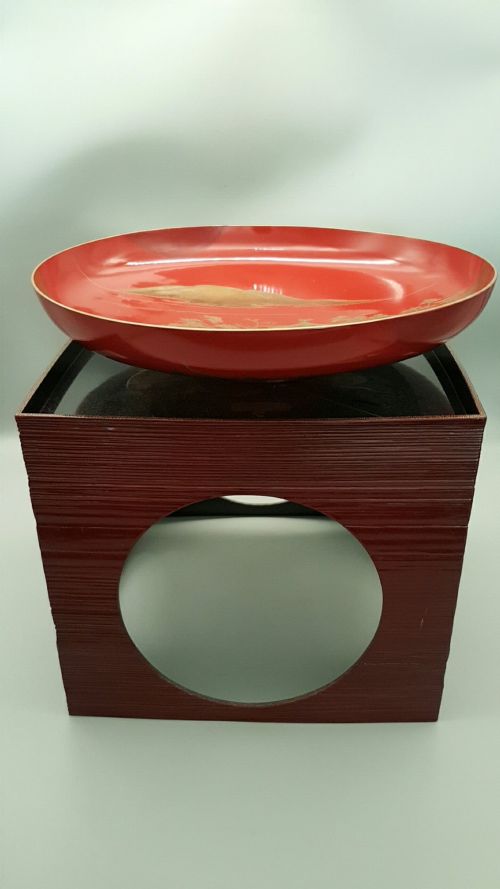
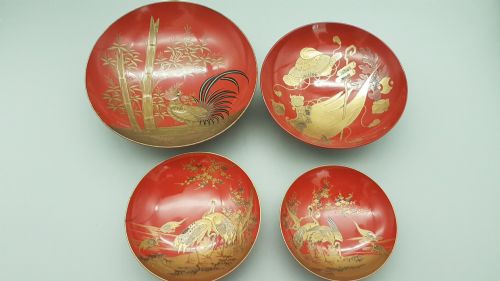
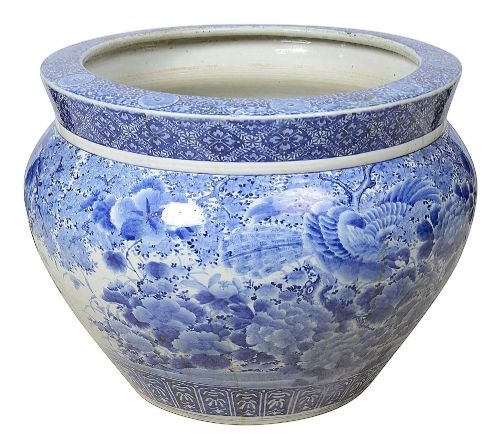
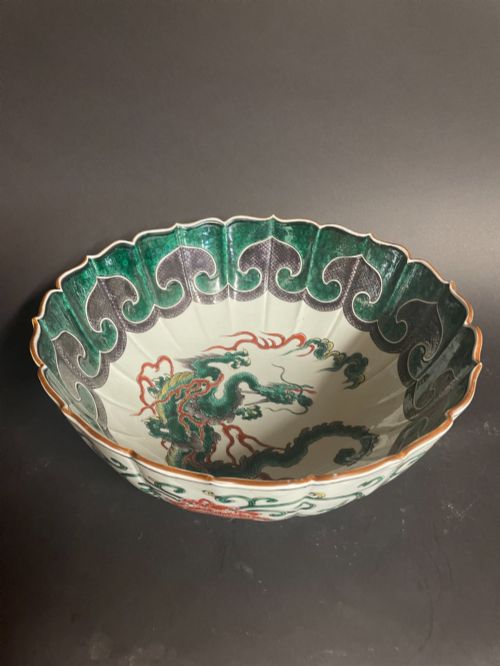
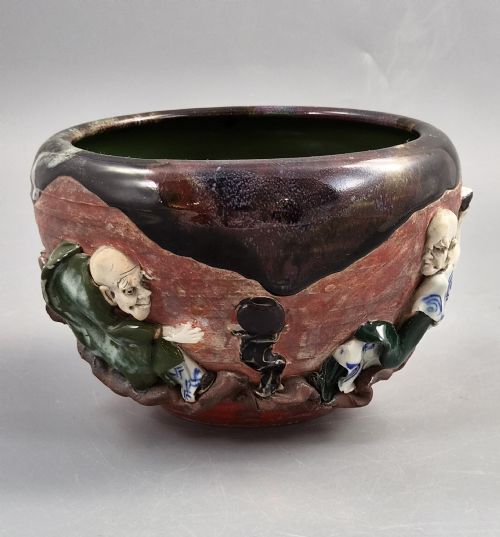
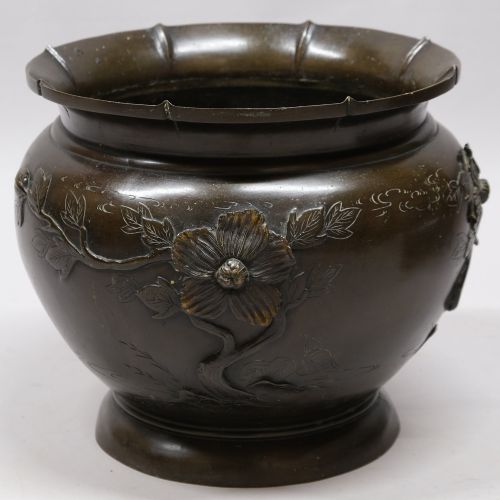
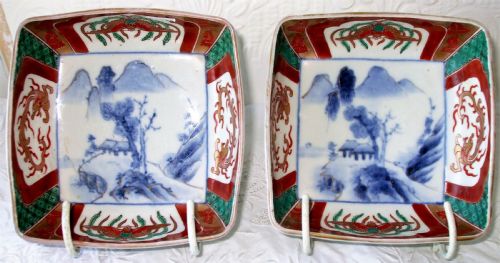
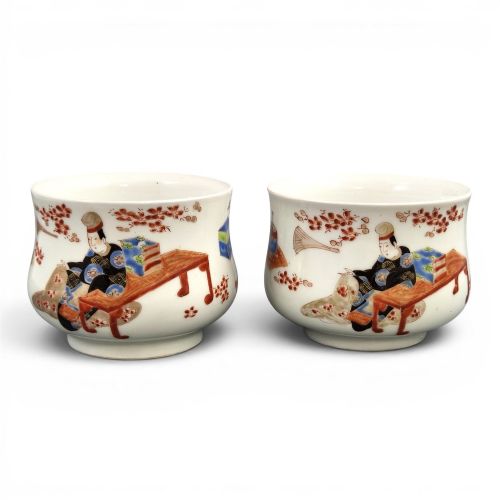
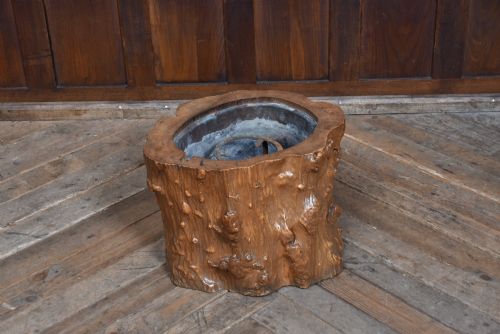
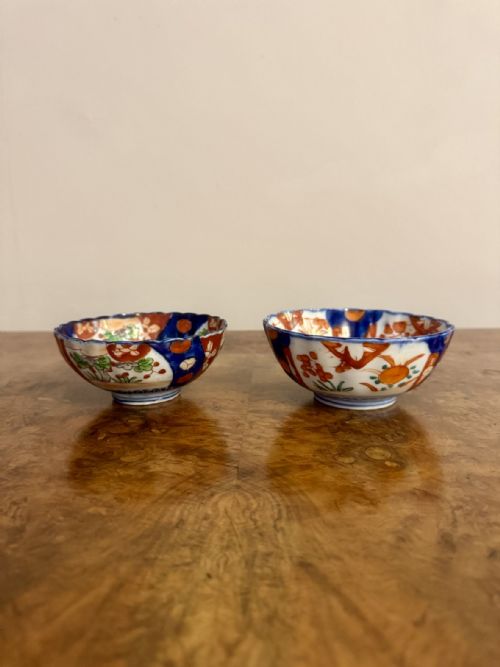
A meiji period bowl encompasses diverse vessels created in Japan between the late nineteenth and early twentieth centuries, reflecting both traditional domestic uses and export markets. Buyers encounter various forms on this page, ranging from small porcelain tea cups and decorative tableware to large bronze jardinieres and deep Imari serving dishes.
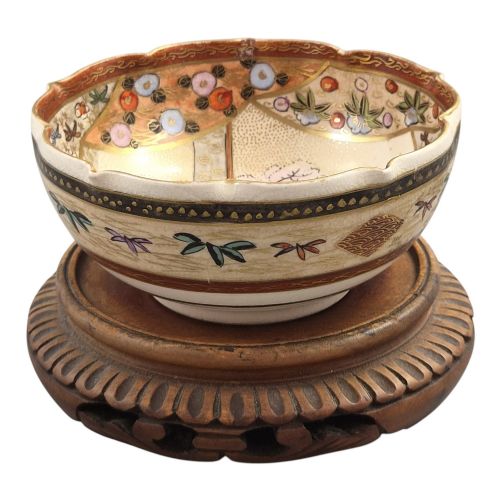
The objects span multiple distinct regional styles and ceramic traditions, including blue and white porcelain, intricate Satsuma earthenware, and heavy metalwork. Scallop-edged Imari vessels and finely painted Satsuma pieces represent the most frequent discoveries for collectors browsing these listings.
Materials and Technique
Potters and metalsmiths utilised a range of traditional materials, combining high-fired porcelain and earthenware bodies with detailed applications of enamel, gold leaf, and copper. Bronze vessels required precise casting techniques, often finished with patination and relief work, while ceramic pieces relied on layered glazes and meticulous hand-painting.
Specialised workshops employed distinct regional methods, such as the fine crackle-glaze earthenware decorated with polychrome and gilding in Kyoto, or the iron-red and cobalt blue underglaze painting characteristic of Arita porcelain production.
Meiji Period Bowl Retail Price Guide 2026
Typical asking prices for meiji period bowl among the pieces listed under this phrase on Sellingantiques today, from the lower quarter to the upper quarter. They describe what is for sale here now, not the wider market.
Several miniature bowls hide microscopic birds and blossoms so fine they demand a magnifying glass to reveal their secrets.
Assessing Craftsmanship
Quality in these pieces rests upon the precision of the hand-painted decoration, the clarity of the underlying glaze, and the crispness of any cast relief work. Superior examples demonstrate exceptional control of the brush and balance in composition, particularly in the rendering of figures, flora, and fauna.
The presence of a clear potter or workshop mark often distinguishes finer pieces from mass production for the export trade. Heavier metal castings and robust porcelain bodies with well-defined foot rims generally indicate superior execution by skilled artisans.
Inoue Ryōsai·Gyokkō·Kozan·Fukagawa·Kōko·Ryuzan·Kinkozan·Hozan
The Meiji Period Bowl Glossary
- Imari
- A type of Japanese export porcelain characterised by a palette of underglaze blue, iron red, and added gold highlights. These vessels were primarily produced in the town of Arita.
- Satsuma
- A style of earthenware originating from the Satsuma province, known for its ivory-coloured, crackled glaze and elaborate polychrome and gilt enamel decoration. Pieces were frequently produced in Kyoto and other centres during the late nineteenth century.
- Cloisonné
- A metalwork technique where thin wire is soldered to a metal base to form compartments, which are then filled with enamel paste and fired. This method created detailed pictorial designs on chargers and vessels.
- Earthenware
- A porous ceramic body fired at lower temperatures than porcelain, requiring a glaze to achieve impermeability. Many decorative Satsuma vessels utilise this material.
- Jardiniere
- A large ornamental pot or bowl designed to hold plants or flowers. Examples from this era appear in both heavy bronze and large-format porcelain.
Meiji Period Bowl: Frequently Asked Questions
How do I care for a delicate porcelain bowl?
Wash ceramic vessels gently by hand using lukewarm water and mild soap, avoiding abrasive sponges or harsh detergents that might harm the enamel or gilding. Dry them thoroughly with a soft cloth to preserve the surface.
Keep antique pieces away from direct sunlight and sudden temperature shifts to protect the glaze and prevent stress on the ceramic body.
Were these vessels made for daily use or display?
Many objects served functional roles within Japanese households, such as serving tea, holding flowers, or containing food. Others were created specifically for the export market as decorative centrepieces.
Heavier bronze planters and large chargers were intended for prominent placement in western interiors, while smaller cups and bowls often saw practical domestic service.
How do I distinguish Satsuma ware from Imari porcelain?
Satsuma pieces feature a distinctive crackled, ivory-coloured earthenware body painted with dense enamel and gold designs. They often depict figurative scenes or botanical motifs.
Imari pieces are made of hard-paste porcelain with a resonant ring, utilising a distinct palette dominated by cobalt blue, iron red, and white.
What does a maker's signature on the base indicate?
Signatures typically denote the individual artist, the painting studio, or the specific kiln responsible for the piece's decoration. These marks provide valuable clues regarding the geographic origin and period of manufacture.
Recognised signatures from master artisans often indicate higher quality execution and greater collector interest.