






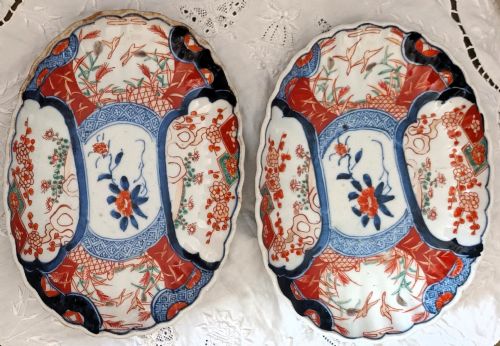
Meiji Imari Wall Dish
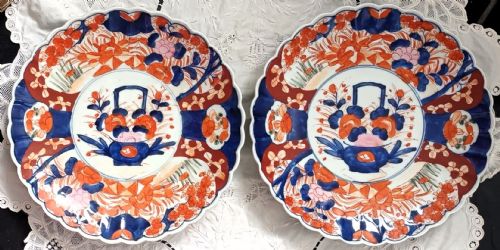
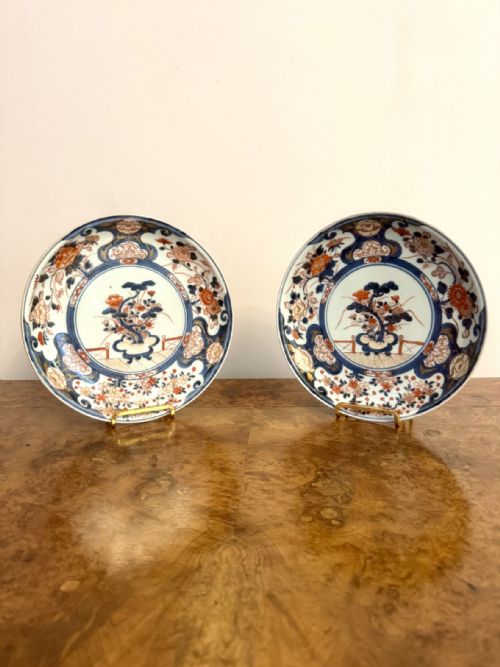
A meiji imari wall dish is a vibrant porcelain plate designed for display, bringing rich colour and traditional Japanese patterns to an interior.
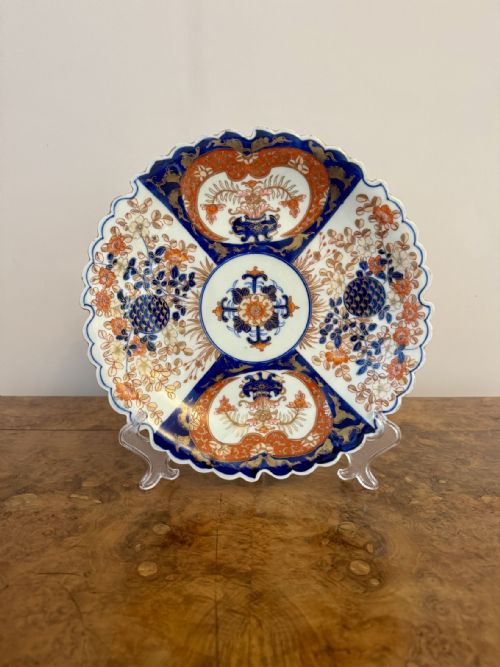
Meiji Imari Wall Dish
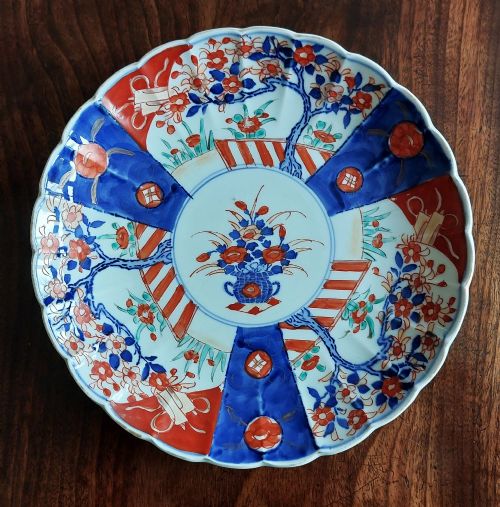
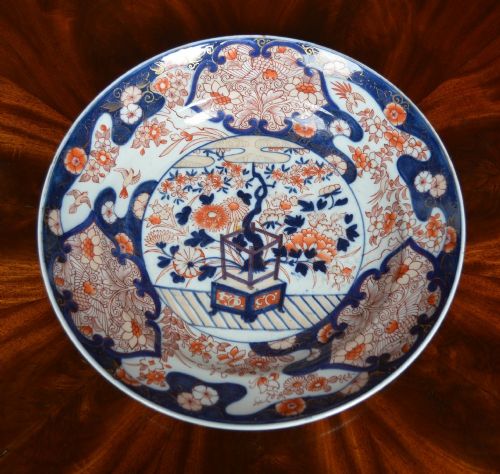
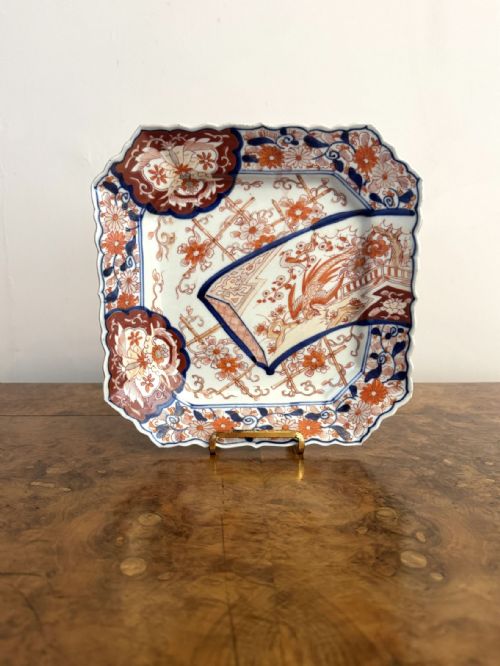
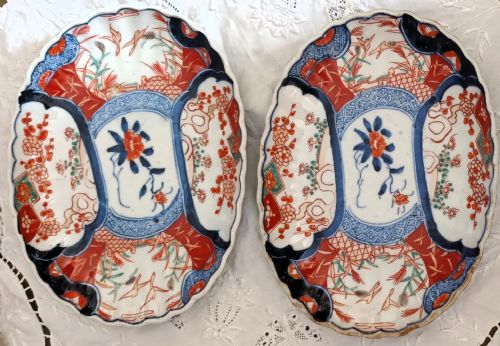
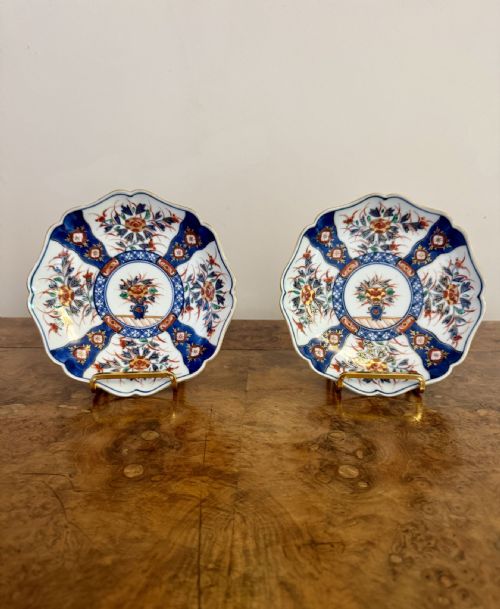
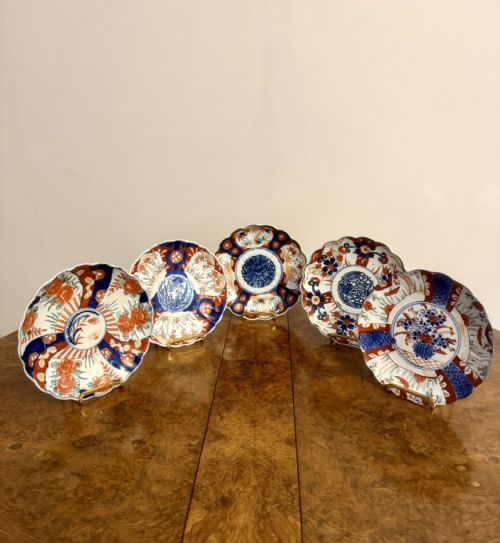
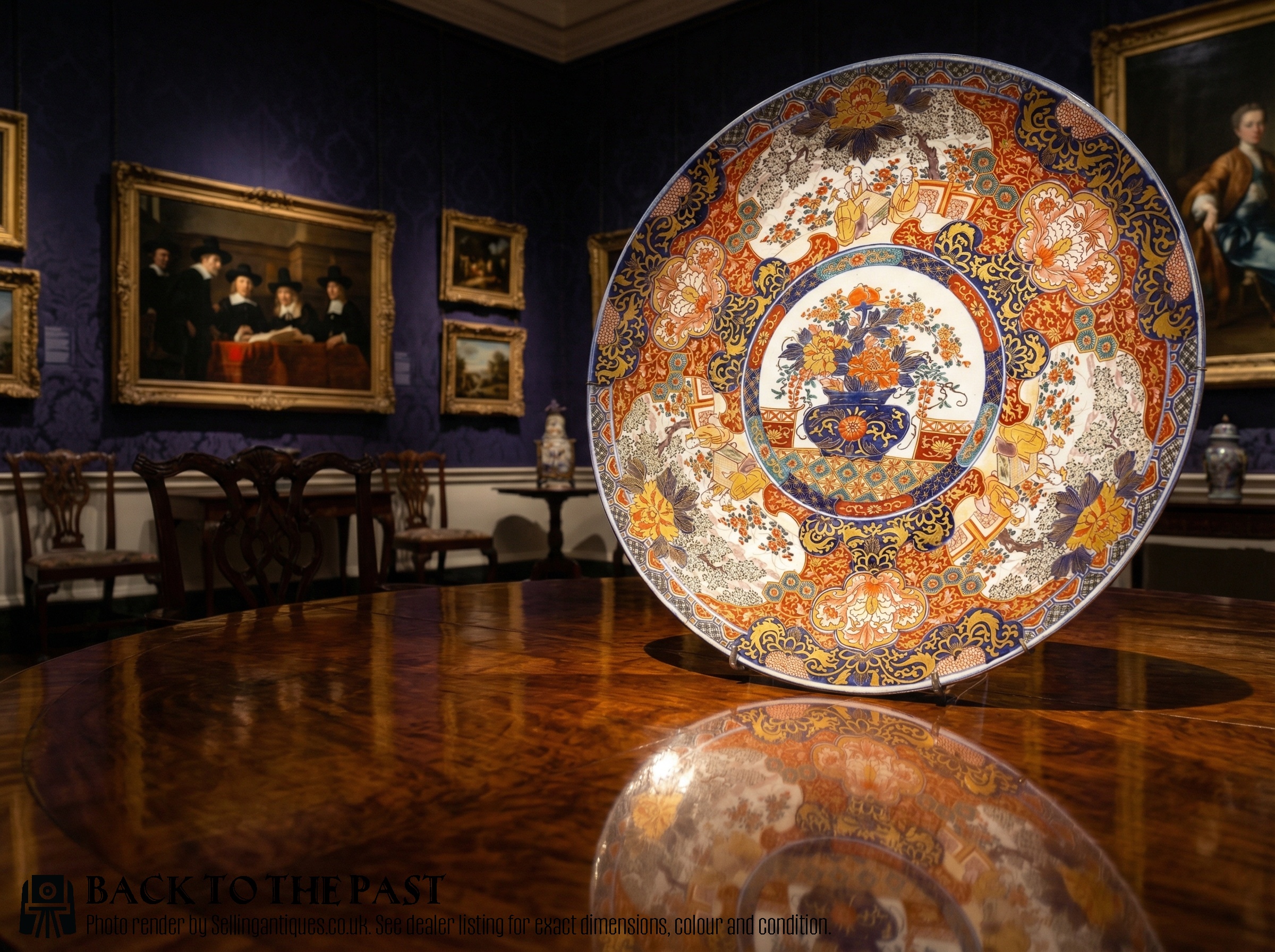
A meiji imari wall dish is a decorative ceramic piece originating from Japan during the late nineteenth century and the early twentieth century. These objects appear in forms such as large chargers, scalloped plates, oval dishes, and square shaped plates designed for display.
The pieces on this page represent production from the Meiji period, alongside items catalogued under Victorian and nineteenth century dates. Buyers will frequently encounter individual plates, matched pairs, and larger sets featuring traditional motifs like exotic birds and the Seven Lucky Gods.
How they were made
Potters shaped these items from porcelain and ceramic, applying cobalt underglaze beneath a clear protective surface to create the deep blue elements of the design. Artisans then hand painted detailed patterns incorporating enamel colours and gold leaf or gilt details.
Firing transformed the raw clay bodies and applied pigments into durable decorative plates with glossy finishes. Many examples utilise gold gilt accents to highlight the intricate borders and central pictorial scenes.
Listings feature items spanning the 1850s through to the 1920s, with a heavy concentration of pieces dated to the Meiji period around 1900.
What varies in quality
Quality in a meiji imari wall dish rests on the precision of the hand painting and the complexity of the composition. Pieces exhibiting fine brushwork and detailed depictions of subjects like exotic birds stand apart from simpler utilitarian wares.
The presence of rich enamel work and well applied gold leaf contributes to a higher tier of craftsmanship. Collectors also look for unusual forms, such as square shapes or scalloped edges, which demonstrate greater ambition in the ceramic moulding.
The Meiji Imari Wall Dish Glossary
- Imari
- A style of Japanese porcelain decorated in underglaze blue, iron red, and gold. This decorative tradition originated in the town of Arita and became popular for export during the Meiji period.
- Meiji Period
- The era in Japanese history spanning from 1868 to 1912. Objects from this time often combine traditional craftsmanship with designs intended for Western markets.
- Charger
- A large decorative plate utilised for display on a wall or sideboard rather than for serving food. These pieces provide a broad canvas for complex pictorial scenes.
- Cobalt Underglaze
- A blue pigment applied to the raw ceramic body before glazing and firing. This technique ensures the colour remains permanent and protected beneath the glossy surface.
- Scalloped Edge
- A curved, wavy border moulding shape found on plates and dishes. This decorative edge requires careful shaping by the potter before firing.
Meiji Imari Wall Dish: Frequently Asked Questions
How do I hang a wall dish safely?
Displaying a heavy porcelain charger on a wall requires a dedicated plate hanger with coated springs that grip the rim securely without causing friction damage. Ensure the fixing in the wall anchors directly into solid brick or a wall stud to support the weight of the ceramic.
Position the dish away from direct sunlight and heavy foot traffic to protect the enamel colours and gold gilt details from accidental knocks.
What is the difference between Arita and Imari?
Arita refers to the Japanese town and region where the clay was mined and the porcelain was fired. Imari was simply the port town from which these ceramics were shipped to domestic and international markets.
Over time, the term Imari became synonymous with the distinct blue, red, and gold decorative style produced in the surrounding kilns.
How should I clean my antique dish?
Dust the surface gently with a soft, dry microfibre cloth to remove everyday particles. Avoid using water, abrasive cloths, or chemical cleaning agents, as these can lift delicate enamel pigments and gold leaf.
If the piece requires deeper conservation work, consult a professional restorer rather than attempting wet cleaning at home.
Can I use these dishes for serving food?
These antique decorative plates and chargers are intended for visual display rather than culinary use. The historic glazes and enamel pigments can wear down or absorb moisture if exposed to food and repeated washing.
Preserve the integrity of the hand painted surface by keeping the pieces on walls, stands, or secure flat display areas.