






Japanese Decorative Wall Platter
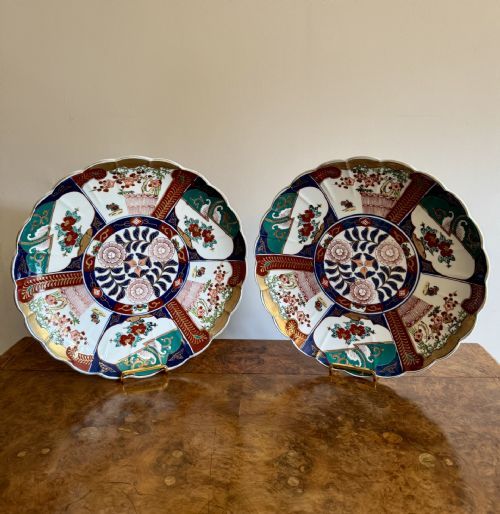
When you seek a japanese decorative wall platter, you uncover large porcelain and enamel works designed to command a room.
Japanese Decorative Wall Platter
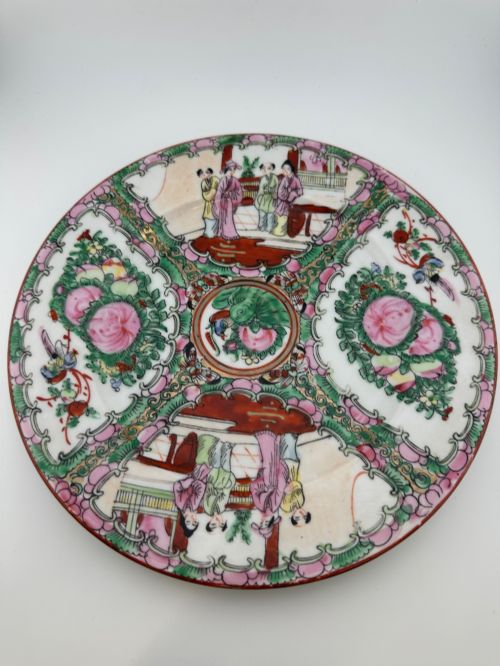
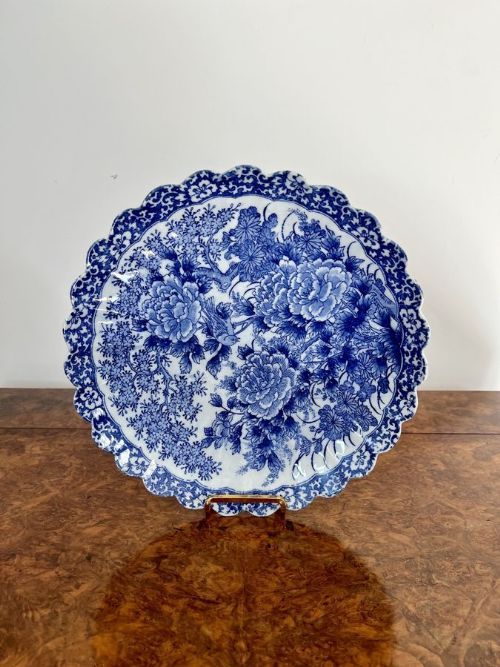
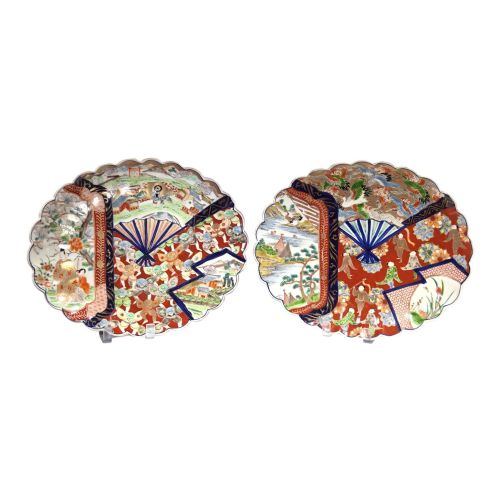
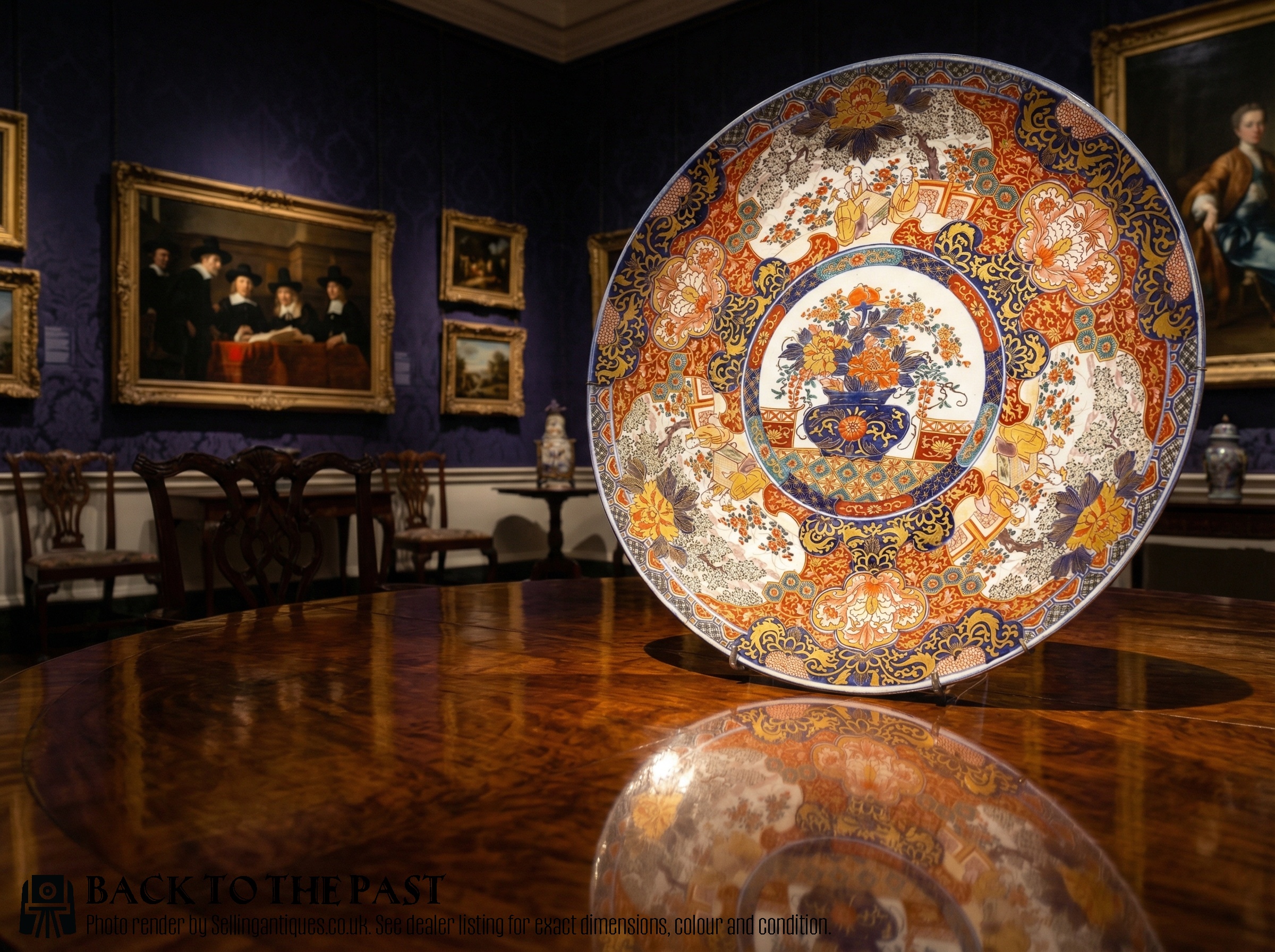
A japanese decorative wall platter encompasses large porcelain chargers, shallow dishes, and brass-framed plates created for display. You will find pieces hailing from the Meiji period alongside late nineteenth and early twentieth century examples, ranging from square plates to massive round chargers.
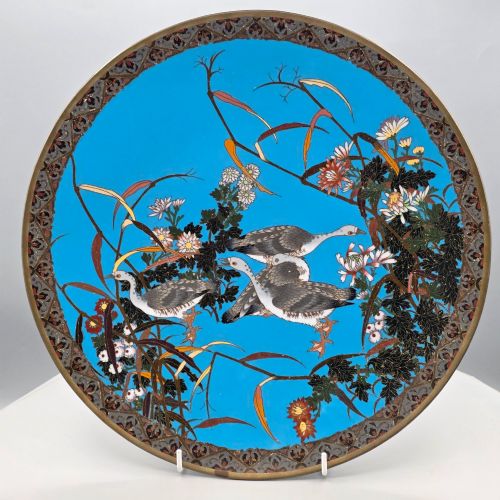
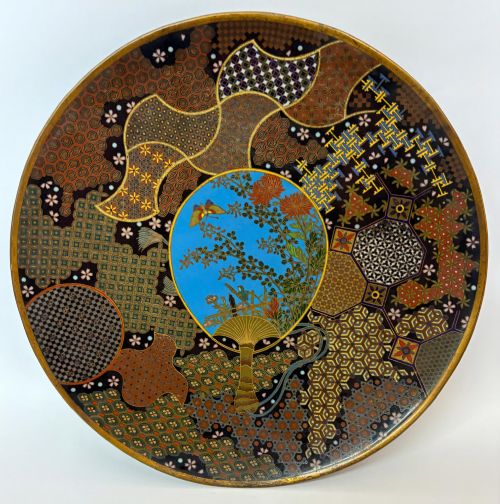
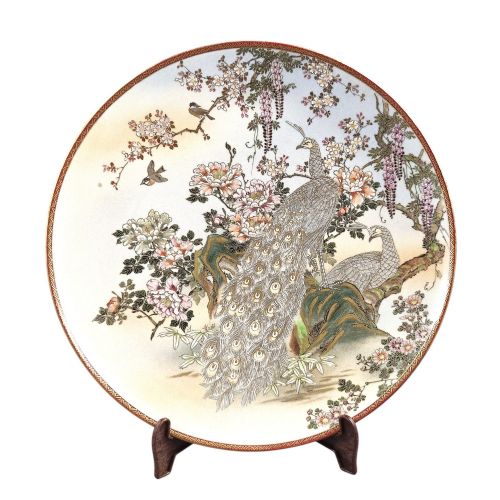
The selections span distinct ceramic traditions, including Kutani, Satsuma, Arita, and Imari wares. Blue and white porcelain sits alongside heavily enamelled cloisonne and moriage surfaces depicting traditional subjects.
Motifs draw from the natural world and folklore, rendering koi carp, peacocks, phoenixes, and dragons across the broad surface of each platter. Artisans also recorded landscapes, auspicious symbols, and figures such as samurai and the Seven Lucky Gods.
How They Were Made
Potters shaped porcelain bodies on the wheel or pressed clay into moulds, applying underglaze blue and hand-painted polychrome pigments before firing. Many porcelain plates incorporate gilt highlights and raised moriage paste to build texture.
Cloisonne enamel pieces utilise copper bases fitted with thin brass or copper wires to form individual cells. Artisans packed these compartments with coloured enamel paste before firing and polishing the surface to a smooth finish.
Listings feature porcelain, copper, brass, and enamel materials across nineteenth and twentieth century production dates.
What Varies in Quality
Quality rests upon the precision and ambition of the hand-painted or enamelled design across the platter. Masterworks display intricate detail in subjects like feathers, scales, and landscapes, whereas lesser examples rely on repetitive patterns and simpler brushwork.
The complexity of the metalwork in cloisonne pieces separates standard output from exceptional execution, where fine wirethreads define elaborate dragons or flora. In porcelain, the crispness of the underglaze blue and the vibrancy of the glaze determine the visual impact.
The Japanese Decorative Wall Platter Glossary
- Imari
- A style of Japanese porcelain featuring blue, iron red, and gilt decoration on a white body. These pieces were produced in Arita and exported in large quantities.
- Cloisonne
- A technique where metal wires are soldered to a metal base to create compartments for enamel paste. The piece is then fired and polished flat.
- Satsuma
- Earthenware pottery characterised by a fine ivory crackle glaze decorated with polychrome enamels and gold. It gained prominence during the Meiji period.
- Charger
- A large decorative plate intended for display on a wall or sideboard rather than for dining. They measure significantly wider than standard dinner plates.
- Moriage
- A decorative ceramic technique using raised slip or clay dots to create textured relief patterns. This method appears frequently on Satsuma wares.
Japanese Decorative Wall Platter: Frequently Asked Questions
How do I hang a heavy charger?
Large chargers require robust wall fixtures and specialised spring-loaded brass plate hangers that distribute weight evenly around the rim. Ensure the wire or hook is rated to support the specific weight of the ceramic or metal piece.
Position the platter at eye level away from direct sunlight and heavy foot traffic to protect the enamel or gilt surfaces from accidental knocks.
What is the Meiji period?
The Meiji period spans from eighteen sixty-eight to nineteen twelve, marking an era of rapid modernization and a flourishing export market for Japanese decorative arts. Craftsmen during this time produced highly detailed porcelain, lacquer, and cloisonne for international exhibitions.
Pieces from this era often bear signature plaques or marks identifying the workshop or artist responsible for the decoration.
How do I clean an antique enamel platter?
Dust enamel and cloisonne surfaces gently with a soft, dry microfibre cloth to remove accumulated particles. Avoid using water, liquid cleaners, or abrasive cloths that can damage the metal wires or enamel.
Ceramic chargers tolerate a slightly damp cloth for stubborn dust, provided the piece lacks exposed clay or porous repairs.
Are these plates meant for food?
Decorative chargers and wall platters serve a purely ornamental function rather than a culinary one. Historic enamels and nineteenth-century glazes are unsuitable for serving food due to the composition of the materials.
Displaying them on walls or plate stands preserves the hand-painted pigments and delicate surface finishes from wear.