


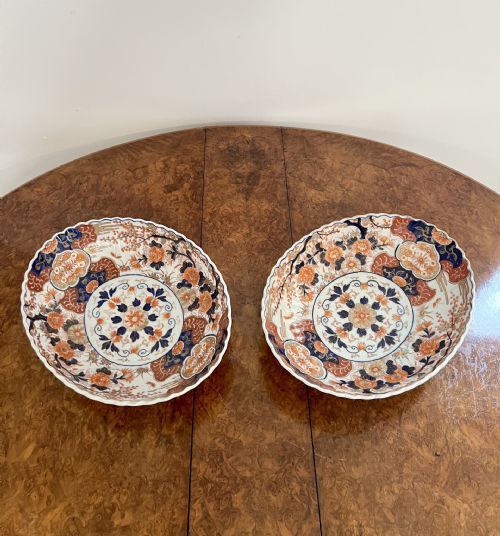


Meiji Floral Ceramic Bowl
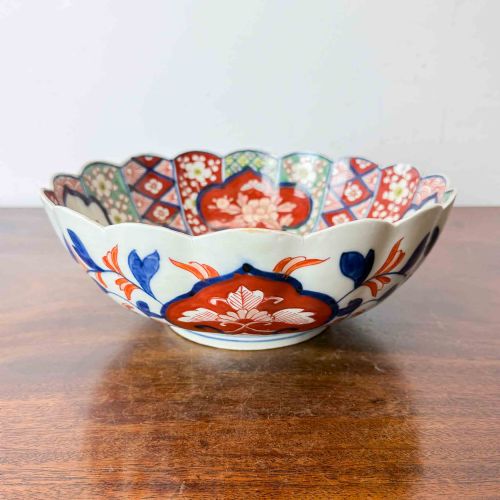
A meiji floral ceramic bowl brings vibrant hand-painted colour and intricate traditional artistry directly into modern interior displays.
Meiji Floral Ceramic Bowl
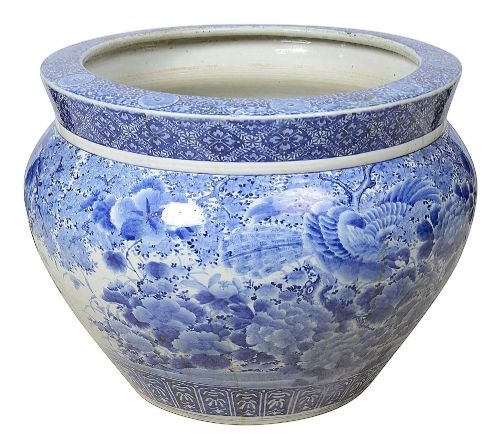
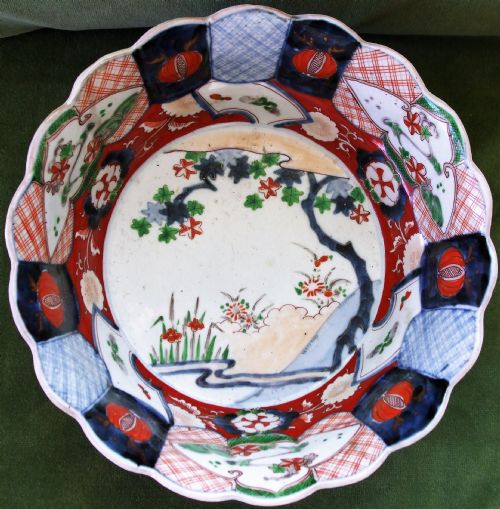
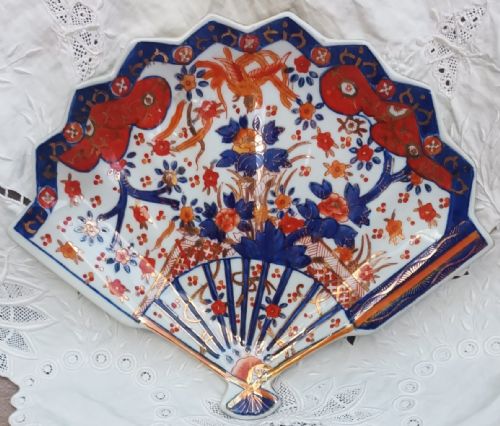
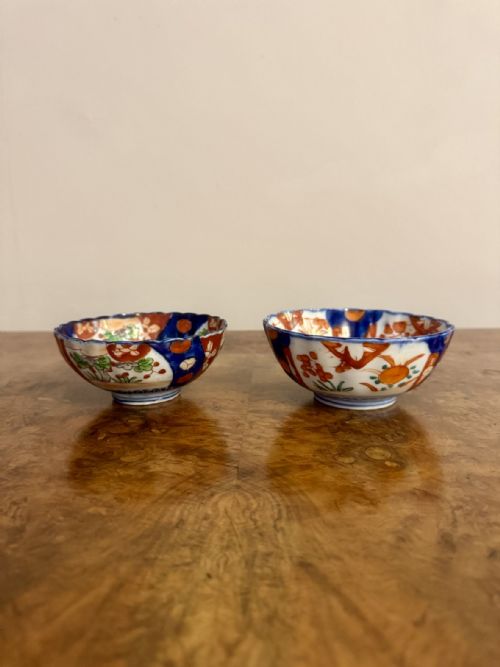
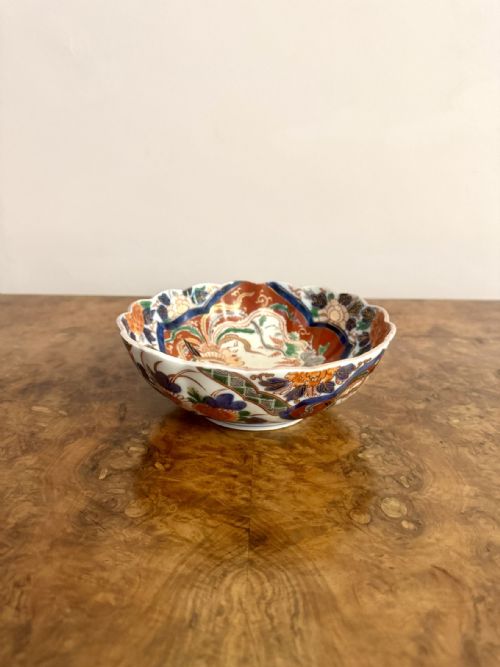
A meiji floral ceramic bowl encompasses distinct forms such as large decorative centrepieces, scalloped display dishes, miniature vessels, and garden planters. These items emerge predominantly from the Meiji period, alongside nineteenth-century examples and select pieces attributed to the Edo era or Edwardian times.
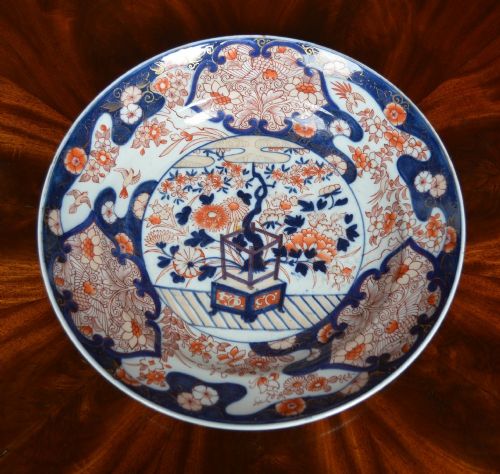
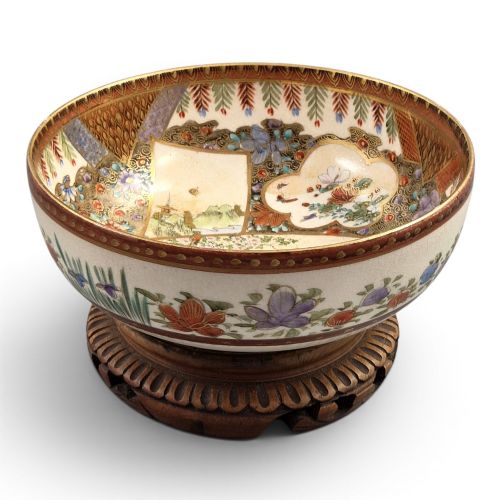
Buyers frequently encounter Japanese Imari porcelain with traditional cobalt underglaze and iron red detailing, alongside Satsuma earthenware featuring densely painted floral motifs. Kutani ware and Arita pieces also appear, presenting alternative regional palettes and hand-painted forms.
The selection ranges from intimate bowls and saucers to substantial jardinieres and hexagonal vessels. Each piece demonstrates specific historical characteristics associated with Japanese ceramic production from the late nineteenth century onwards.
Assessing quality and execution
The distinction between standard production and top-tier examples lies in the precision of the hand painting and the complexity of the design layout. Pieces dense with meticulous detail, such as intricate millefleur or thousand-flower patterns, demonstrate superior artistic investment.
Signatures by recognised makers add significant interest, indicating a higher workshop standard. The crispness of the cobalt underglaze, the stability of the enamel work, and the harmonious application of gold leaf further separate exceptional vessels from simpler decorative items.
Current listings feature pieces spanning the 1700s, 19th Century, Meiji period, and Edwardian era, utilising enamel, porcelain, and gold leaf.
Kozan·Ryuzan·Nikko·Shozo
The Meiji Floral Ceramic Bowl Glossary
- Imari
- A traditional style of Japanese porcelain featuring a distinctive palette of cobalt blue, iron red, and gold. It was widely exported from the port of Imari during the Edo and Meiji periods.
- Satsuma ware
- A type of Japanese earthenware characterised by a crackled ivory glaze decorated with polychrome enamels and extensive gilding. It frequently depicts floral, bird, and figural scenes.
- Kutani ware
- Japanese porcelain known for bold pictorial designs and vibrant colour schemes, particularly involving greens, blues, purples, and reds. Production centres around the Ishikawa prefecture.
- Cobalt underglaze
- A blue pigment applied to ceramic pieces before glazing and firing, ensuring the colour remains permanent and protected beneath a glossy finish.
- Millefleur
- A decorative pattern translating to a thousand flowers, covering the entire surface of a vessel in a dense carpet of tiny painted blooms.
Meiji Floral Ceramic Bowl: Frequently Asked Questions
What defines a Meiji period ceramic bowl?
Pieces from this era reflect Japan's opening to international trade, combining traditional hand-painted floral motifs with refined export-quality craftsmanship. They showcase distinct regional styles such as Imari and Satsuma.
These vessels range from small domestic bowls to large decorative centrepieces and jardinieres, created using porcelain or earthenware.
How do Imari and Satsuma wares differ?
Imari pieces use durable porcelain with cobalt underglaze, iron red, and gold, featuring crisp patterns and structured borders. Satsuma wares consist of earthenware with a crackled cream glaze and dense polychrome enamel painting.
Imari relies on vitreous porcelain bodies, whereas Satsuma offers a softer, highly decorative surface designed primarily for display.
Where were these bowls made?
Production took place across specialised kilns and pottery centres in Japan, including Arita for porcelain and Satsuma or Kutani for regional earthenware and ceramic types. Each area maintained distinct technical traditions.
Exporters shipped these finished vessels through ports like Imari to collectors across Europe and Britain during the nineteenth century.
How should I display a decorative bowl?
Large scalloped or hexagonal bowls function well as standalone centrepieces on dining tables, sideboards, or open shelving. Their detailed floral interiors remain visible from multiple angles.
Pairing smaller bowls or saucers together highlights contrasting hand-painted patterns without cluttering the display space.